
Are you thinking about upgrading your car’s sound system but unsure if new speakers will actually fit? Choosing the right speakers isn’t just about sound quality—it’s about making sure they fit perfectly in your car.
Imagine buying a set of speakers only to find out they don’t fit or require complicated modifications. Frustrating, right? You’ll discover simple tips and expert advice to help you find the perfect speakers for your car. Keep reading, and soon you’ll be enjoying clear, powerful sound without any guesswork or hassle.
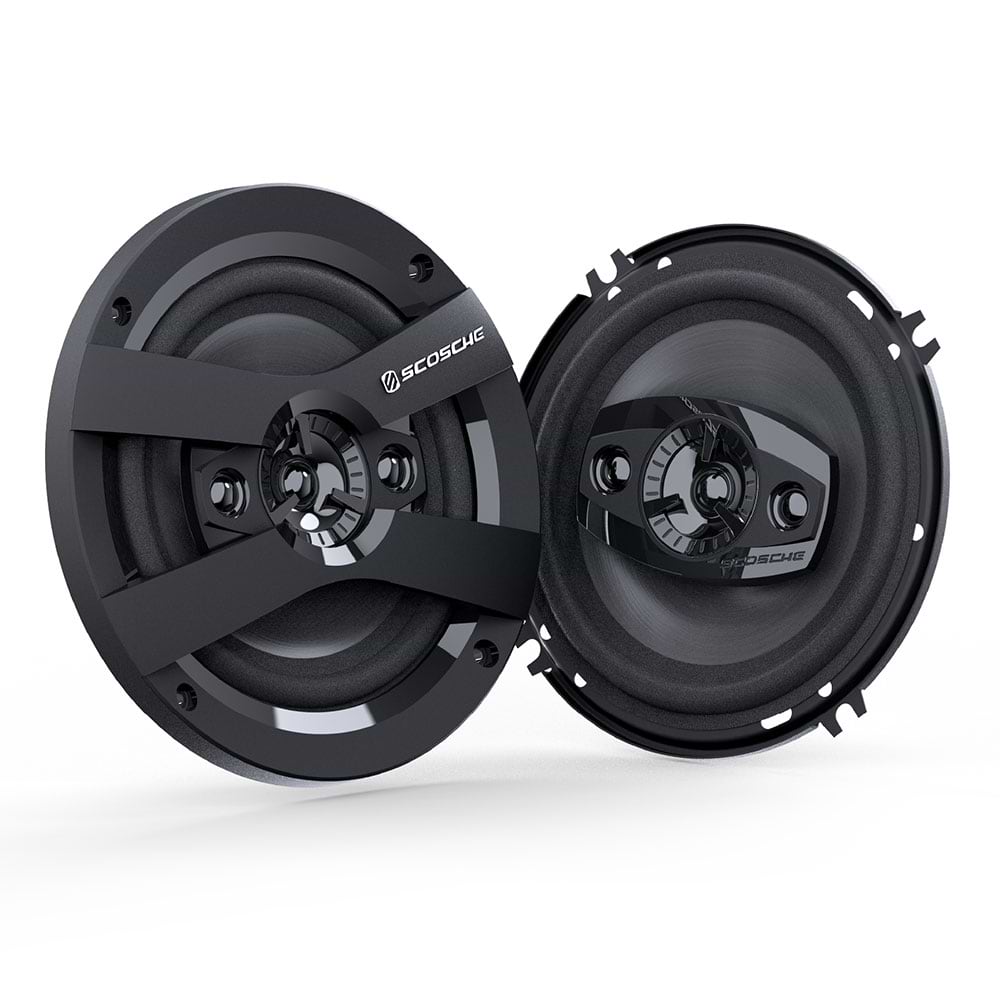
Credit: www.scosche.com
Speaker Sizes And Shapes
Choosing the right speaker for your car isn’t just about sound quality. It’s also about size and shape. If your new speakers don’t fit properly, installation becomes a hassle, and performance can suffer.
Common Speaker Dimensions
Car speakers come in several standard sizes. The most popular are 3.5-inch, 4-inch, 5.25-inch, 6.5-inch, and 6×9-inch models.
Each size fits different types of speaker locations in your car, like doors, rear decks, or dashboards. Knowing these sizes helps you narrow down options quickly.
| Speaker Size | Common Location | Sound Characteristic |
|---|---|---|
| 3.5 inch | Dashboard or small door spaces | Good for midrange and treble |
| 5.25 inch | Front doors | Balanced sound with decent bass |
| 6.5 inch | Doors or rear deck | Rich bass and mids |
| 6×9 inch | Rear deck or larger door panels | Deep bass and full-range sound |
Round Vs. Oval Speakers
Most car speakers are either round or oval-shaped. Round speakers are common and easier to fit in many spots.
Oval speakers, like the 6×9-inch type, offer a larger surface area. This means they can produce deeper bass and louder sound without distortion.
Have you checked if your car supports oval speakers? If it doesn’t, you might need adapters or custom mounts to install them properly.
Measuring Your Car’s Speaker Space
Before buying, measure the speaker opening in your car carefully. Use a tape measure to get width, height, and mounting depth.
Remember to check the mounting holes and the shape of the space. This helps you avoid surprises during installation.
Have you ever bought speakers that looked perfect online but didn’t fit once you got them? Taking precise measurements saves you time and money.

Credit: www.threads.com
Checking Compatibility
Checking compatibility is vital before buying car speakers. It ensures the speakers fit and work well with your car’s audio system. Ignoring this step can cause poor sound or even damage. Focus on key areas: impedance, power, mounting depth, and connectors. Each factor affects the speaker’s performance and installation ease.
Matching Impedance And Power
Impedance is the resistance the speaker offers to the amplifier’s power. Most car speakers have 4 ohms impedance. Using speakers with a different impedance can cause distortion or damage. Check your car stereo’s specs for supported impedance.
Power handling is the speaker’s ability to manage power without damage. It has two ratings: RMS and peak power. RMS is the continuous power the speaker can handle. Peak power is the maximum power for short bursts. Choose speakers with power ratings close to your stereo’s output for clear sound and safety.
Understanding Mounting Depth
Mounting depth is the space behind the speaker where it fits. Cars vary in this space size. Measure the depth in your car’s speaker area before buying. If the speaker is too deep, it won’t fit or may damage the car’s interior. Also, check speaker diameter to match the car’s speaker holes.
Connector Types And Wiring
Speaker connectors link the speaker to the car’s audio system. Common types include spade connectors, quick disconnects, and plugs. Verify the connector type your car uses. Some speakers come with adapters for different connectors.
Wiring is also important. Ensure speaker wires match your car’s wiring setup. Correct wiring ensures good sound and avoids shorts. Label wires if needed before disconnecting old speakers.
Tools For Accurate Fit
Choosing the right speakers for your car requires precise measurements. Accurate fit tools help avoid costly mistakes. These tools ensure speakers fit perfectly in your car’s existing spaces. They save time and effort during installation.
Using Measuring Tape And Calipers
Measuring tape is a simple tool to check speaker dimensions. Measure speaker diameter, depth, and mounting hole distance. Calipers provide more precise measurements of small parts. Use calipers to measure speaker frame thickness and mounting hole size. These measurements help confirm speaker compatibility with your car.
Templates And Fit Guides
Templates show exact speaker size and shape. Place templates over your car’s speaker openings for a quick fit check. Fit guides provide detailed specs for various speaker models. They highlight mounting depth, screw hole locations, and cutout sizes. Use these guides to compare your car’s speaker space with new speakers.
Digital Apps And Resources
Several apps allow you to input car model and speaker details. They suggest compatible speakers based on measurements and fit data. Some apps use augmented reality to visualize speaker placement. Online fit guides and forums offer user experiences and tips. These digital tools simplify the speaker selection process.
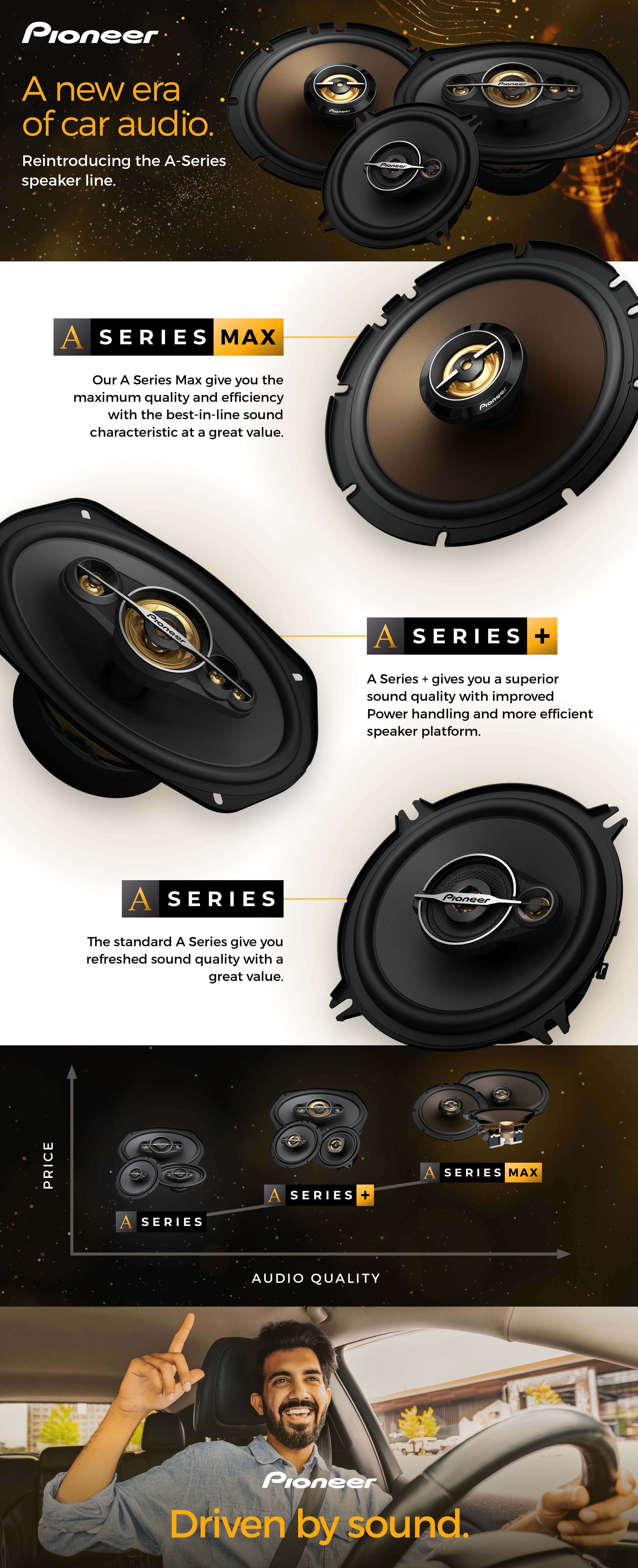
Credit: usa.pioneer
Modifications For Better Fit
Fitting new speakers into your car can require some changes. Most cars have unique speaker sizes and shapes. Modifications help ensure the speakers fit perfectly and work well. These changes improve sound quality and keep the installation neat.
Adapter Rings And Brackets
Adapter rings and brackets help fit speakers into different sized openings. They act as a bridge between the speaker and the car’s mount. These parts are often made of plastic or metal. They allow secure installation without cutting the car’s panels. Using adapter rings keeps the car’s interior intact and looks professional.
Cutting And Trimming Options
Sometimes cutting or trimming is necessary for a perfect fit. This might involve removing a small part of the door panel or speaker grille. Use sharp tools and measure twice before cutting. Cutting should be done carefully to avoid damage. Trimming foam or plastic parts of the speaker can also help it fit better.
Custom Enclosures
Custom enclosures provide a tailored fit and enhance sound quality. These boxes are built to match the speaker and car space exactly. They reduce vibrations and improve bass response. Custom enclosures can be made from wood or fiberglass. They are ideal for larger speakers or subwoofers that need more space.
Popular Car Models And Speaker Fits
Choosing the right speakers for your car depends on the model and design. Popular car models have common speaker sizes and placements. Knowing these helps pick speakers that fit well and sound good.
Different vehicles have different speaker setups. Some cars have space for larger speakers. Others use smaller or custom sizes. Checking the fit before buying saves time and money.
Sedans And Coupes
Sedans and coupes often share speaker sizes. Front doors usually hold 6.5-inch speakers. Rear doors or shelves have smaller 4×6 or 6×9 speakers. Many models use standard round or oval shapes.
Common models like Honda Civic, Toyota Camry, and Ford Mustang fit these sizes. This makes finding replacement speakers easier. Most aftermarket brands offer options for these sizes.
Suvs And Trucks
SUVs and trucks have larger cabins. They often need more powerful speakers. Front doors may fit 6×9 or 6.5-inch speakers. Rear doors or panels might use 6×9 or 5×7 speakers.
Models like Ford F-150, Toyota RAV4, and Chevrolet Tahoe have varied speaker sizes. Some trucks have extra tweeters or subwoofers in cabins. Always check speaker depth and mounting style before buying.
Older Vs. Newer Models
Older cars usually have simpler speaker setups. They use standard sizes like 5.25 or 6.5 inches. These cars rarely include tweeters or factory subwoofers.
Newer models often have complex audio systems. They may use custom sizes or shapes. Some include multiple speakers per door. Sound quality and power needs rise with newer cars.
Check the car manual or online guides for exact speaker sizes. Measuring speaker openings is also helpful. This ensures a proper fit and good sound performance.
Avoiding Common Mistakes
Choosing the right speakers for your car can be tricky. Many people make avoidable errors that lead to poor sound quality or installation issues. Understanding these common mistakes will help you pick speakers that truly fit your car and deliver the best audio experience.
Overlooking Depth Requirements
Have you ever bought speakers only to find they don’t fit in your car’s door or dashboard? Speaker depth is a critical measurement that many ignore. If the speaker is too deep, it won’t fit properly, causing installation headaches or forcing you to modify your car’s interior.
Take time to measure the available space before shopping. Compare those measurements with the speaker’s mounting depth. This step can save you from unnecessary returns and frustration.
Ignoring Speaker Sensitivity
Sensitivity rating tells you how loud a speaker will play with a given power level. Many skip this detail and end up with speakers that sound too quiet or require a more powerful amplifier than their system can provide. Do you want your music loud and clear, or do you prefer subtle background sound?
Check the sensitivity rating, usually listed in decibels (dB). A higher number means louder sound at the same power. Matching sensitivity with your car stereo’s output ensures balanced audio without distortion.
Forgetting Vehicle-specific Details
Every car model has unique speaker mounting points, wiring, and size limitations. Ignoring these specifics can lead to compatibility problems. I once bought a set of speakers for my sedan, only to discover they didn’t match the wiring harness—an avoidable hassle that delayed my installation.
Research your vehicle’s specifications or consult the owner’s manual. Consider harness adapters or custom mounting brackets if needed. Paying attention to these details makes the installation smoother and your sound system more reliable.
Professional Installation Tips
Installing new speakers in your car can transform your driving experience, but the process requires more than just dropping them in place. Professional installation tips help you avoid common pitfalls and ensure that your new audio setup performs at its best. Paying attention to details during installation can save you time, money, and frustration down the road.
When To Seek Expert Help
Not all speaker installations are straightforward. If your car has a complex dashboard, factory amplifier, or integrated infotainment system, professional help can make a big difference.
Wiring errors or improper mounting might damage your vehicle or speakers. If you’re unsure about removing door panels or connecting wires, it’s wise to consult an expert. Have you ever struggled with confusing wiring diagrams? That’s a sign it’s time to get professional assistance.
Installation Best Practices
Start by disconnecting your car’s battery to avoid electrical shorts. Carefully remove the old speakers, keeping track of screws and clips. Use a panel removal tool to prevent damage to the trim.
Match the speaker’s impedance with your car’s audio system to prevent blown speakers. Securely fasten the speakers to minimize vibrations and rattling. Use foam or rubber gaskets to improve sound quality and protect against moisture.
- Double-check all wiring connections for a snug fit.
- Keep wires organized and away from moving parts.
- Seal any gaps to prevent sound leakage.
Testing And Tuning After Installation
Once installed, reconnect the battery and power on your audio system. Play a variety of music genres to test speaker response and clarity. Listen for any buzzing, distortion, or uneven sound levels.
Adjust your equalizer settings to balance bass, mids, and treble. Don’t rush this step—small tweaks can vastly improve sound quality. Ask yourself: Does the sound feel balanced from every seat in the car?
If you notice issues, recheck wiring and speaker placement before considering replacements. A well-tuned system can make you appreciate your new speakers even more.
Frequently Asked Questions
How Do I Know If Speakers Will Fit My Car?
To determine if speakers fit your car, check the speaker size and depth. Measure your car’s existing speaker slots. Compare these measurements with the new speakers’ specifications. Also, consider the mounting style and wiring compatibility. This ensures a seamless installation without any modifications.
What Measurements Are Important For Speaker Fitting?
Important measurements include speaker diameter, depth, and mounting hole pattern. Ensure these match your car’s speaker slots. Additionally, consider the clearance behind the speaker for adequate fit. Proper measurements prevent installation issues and ensure optimal sound performance.
Can I Install New Speakers Without Modifications?
Yes, if the new speakers match your car’s dimensions and mounting style. Ensure the wiring is compatible, and the speakers fit snugly into existing slots. This allows for a straightforward installation process without needing modifications or adapters.
Do Car Speaker Brands Affect Fit?
Car speaker brands can affect fit due to different designs and dimensions. Always compare the specifications with your car’s requirements. Some brands offer universal fittings, while others may need specific adapters. Research and choose brands that align with your car’s design.
Conclusion
Choosing the right speakers for your car needs careful measuring. Check the size and shape of your current speaker spaces first. Match new speakers to these exact measurements. Consider the depth and mounting style too. Don’t forget to review the wiring and power requirements.
These steps help avoid buying speakers that won’t fit. Taking time now saves frustration later. Enjoy better sound with speakers that fit perfectly. Your car’s audio will improve with the right match. Easy, simple, and worth the effort.