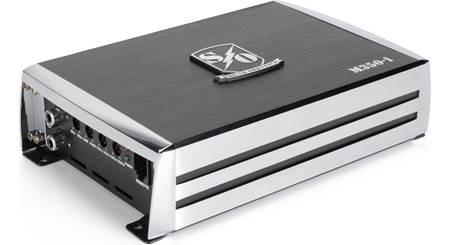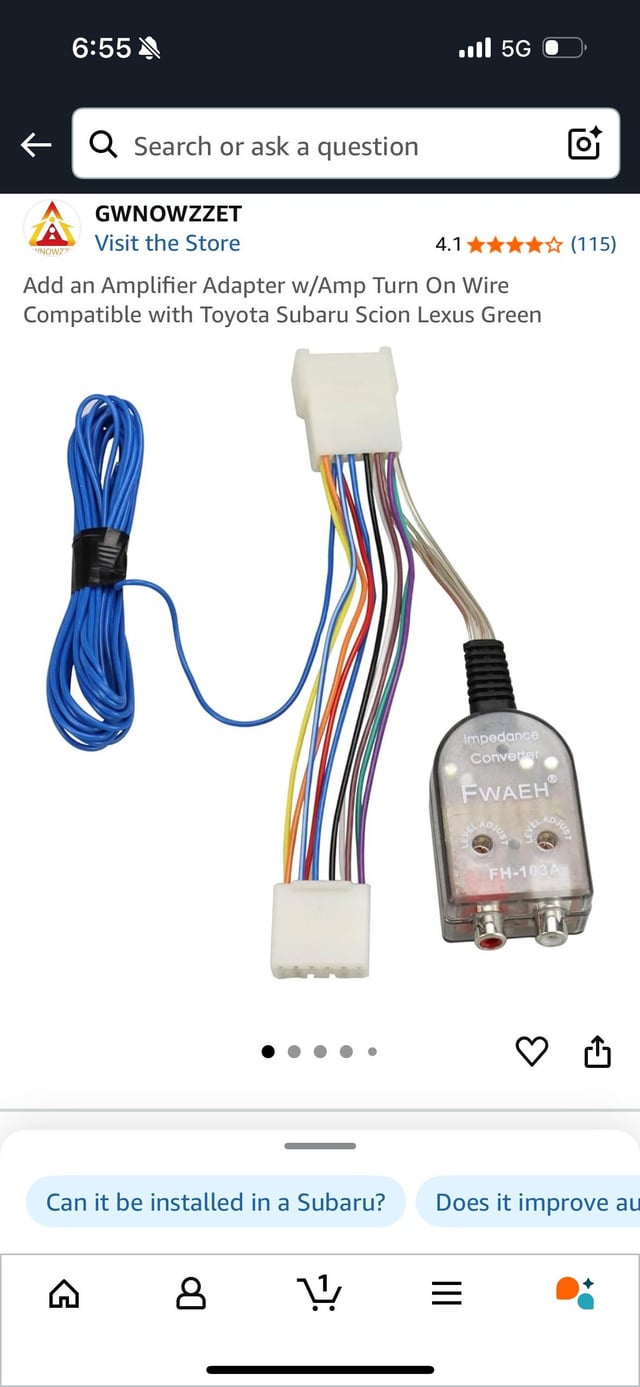
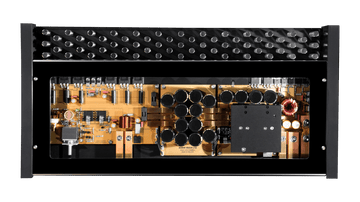
How to Check Car Amplifier is Working: Easy Steps to Test It
Is your car amplifier not sounding as powerful as it used to? You might be wondering if it’s working properly or if something needs fixing.
Knowing how to check if your car amplifier is working can save you time and money. You’ll learn simple, step-by-step ways to test your amplifier and spot any issues quickly. Keep reading to make sure your sound system is delivering the best performance every time you hit the road.

Credit: audiointensity.com
Signs Of A Working Amplifier
Knowing the signs of a working car amplifier helps you avoid costly repairs and enjoy your music without interruptions. A properly functioning amplifier delivers clear sound, maintains steady power, and looks well-maintained. But how can you tell if your amplifier is actually doing its job?
Sound Quality Indicators
Listen closely to your music. A working amplifier produces clear and crisp sound without distortion, even at higher volumes.
Are the bass and treble balanced? If the music sounds muddy or tinny, your amplifier might be struggling.
Check for any crackling, buzzing, or unexpected interruptions. These noises often point to amplifier issues or poor connections.
Power And Heat Levels
Your amplifier should power your speakers effectively without sudden drops or spikes in volume.
Feel the amplifier’s surface after it’s been running for a while. A slight warmth is normal, but excessive heat can signal a problem.
Have you noticed the amplifier shutting off randomly? Overheating can cause automatic shutdowns to protect the device.
Visual Inspection Tips
Look for any loose wires, burnt components, or corrosion on terminals. These are common culprits behind amplifier malfunction.
Check if all indicator lights are on and steady. Flickering or no lights might mean power supply or internal issues.
Inspect the mounting and casing for cracks or damage. Physical problems can affect performance and safety.
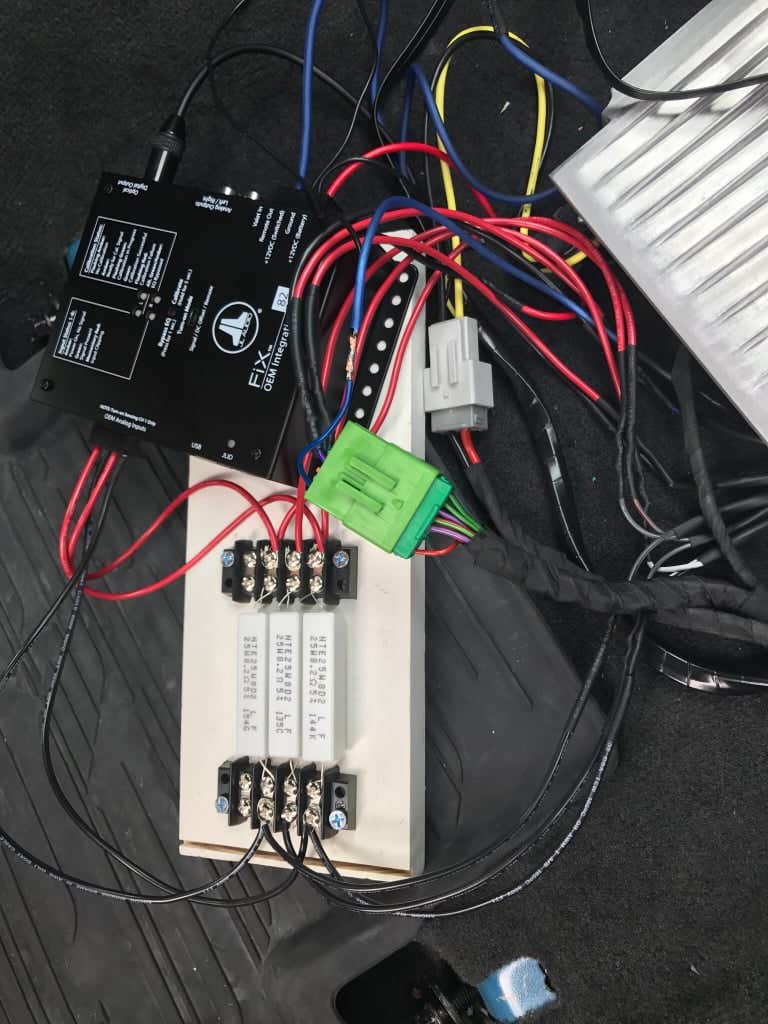
Credit: www.diymobileaudio.com
Tools Needed For Testing
To effectively check if your car amplifier is working, having the right tools on hand is crucial. These tools help you identify issues quickly and save time. You don’t need to be a tech expert to use them; with simple guidance, anyone can perform basic tests.
Multimeter Use
A multimeter is a must-have for testing your amplifier’s electrical functions. It measures voltage, current, and resistance, helping you spot wiring problems or power supply issues.
Set your multimeter to measure DC voltage to check if the amplifier is receiving power. Testing resistance can also reveal if speaker wires or amplifier terminals have shorts or breaks. Keep your probes steady and double-check the readings for accuracy.
Test Speakers And Wires
Speakers and wires play a vital role in your audio system’s performance. Faulty wires or blown speakers can mimic amplifier failure, so testing these components first saves confusion.
Use a simple continuity test on wires to ensure there are no breaks. Testing speakers with a small audio source or a battery can confirm if they produce sound or show signs of damage. This step prevents you from mistakenly blaming the amplifier for issues elsewhere.
Signal Generator Or Audio Source
To verify the amplifier’s output, you need a reliable audio signal. A signal generator or any audio source like your phone or radio can provide this input.
Connect the signal source to the amplifier input and listen carefully for clear sound from the speakers. If sound is distorted or absent, it could indicate amplifier problems. Using a consistent signal helps you judge the amplifier’s true performance.
Basic Testing Steps
Checking if your car amplifier is working properly begins with some basic testing steps. These checks help you pinpoint common issues without needing expensive tools or professional help. Simple inspections can save you time and frustration, especially when your sound system suddenly goes silent or sounds distorted.
Check Power Connections
Start by examining the power connections to your amplifier. Make sure the positive cable from the battery is securely attached and free from corrosion. Loose or dirty connections can cause the amplifier to lose power, resulting in no sound or intermittent performance.
Look for any signs of melted insulation or frayed wires. These can indicate a short circuit or overload. Have you ever experienced your car stereo cutting out suddenly? Often, it’s due to poor power connections that are easy to fix once identified.
Inspect Grounding
Grounding is just as crucial as the power connection. Check the ground wire from your amplifier to the car chassis. It should be tightly fastened to a clean, unpainted metal surface. Rust, paint, or dirt can stop the ground from working properly, causing buzzing or distortion in your sound.
If you notice any problems here, try relocating the ground wire to a different spot on the chassis. Testing with a multimeter can confirm if the ground is solid. Have you ever wondered why your speakers hum at low volumes? A poor ground connection is often the culprit.
Test Remote Turn-on Wire
The remote turn-on wire signals your amplifier to power up when the stereo is on. Make sure this wire is connected correctly to the stereo’s remote output. If the wire is loose or disconnected, the amplifier will stay off even if everything else is fine.
Use a test light or multimeter to see if the remote wire carries 12 volts when the stereo is turned on. If it doesn’t, the problem might be in your head unit, not the amplifier. Have you checked this wire before blaming the amplifier for silence?
Using A Multimeter To Test
Using a multimeter to test a car amplifier is a simple and effective way to check its condition. This tool measures electrical values like voltage, current, and resistance. It helps find issues that affect the amplifier’s performance. Even beginners can use a multimeter with basic knowledge. The device gives clear readings that show if the amplifier works properly or needs repair.
Measure Voltage At Power Terminals
Start by setting the multimeter to measure DC voltage. Connect the red probe to the amplifier’s positive power terminal. Attach the black probe to the negative terminal or ground. Turn on the car’s ignition to power the amplifier. Look at the multimeter display for the voltage reading. A healthy amplifier usually shows around 12 to 14 volts. A lower or zero reading indicates a power supply problem.
Check Continuity Of Wires
Switch the multimeter to continuity mode, often marked with a sound wave symbol. Disconnect the wires from the amplifier terminals. Touch one probe to one end of the wire and the other probe to the opposite end. A beep or low resistance reading means the wire is continuous and good. No beep or infinite resistance shows a broken wire or bad connection. Check all wiring for power, ground, and speaker leads.
Test Speaker Output
Set the multimeter to measure AC voltage. Play some audio through the car stereo at medium volume. Place the probes on the speaker terminals connected to the amplifier. Watch the multimeter for a fluctuating voltage reading. This shows the amplifier is sending a signal to the speaker. A steady zero means no output or a faulty amplifier channel. Test each speaker output one by one for accuracy.
Testing With Audio Signals
Testing a car amplifier with audio signals helps verify its performance. It shows if the amplifier processes sound clearly and powers the speakers well. This process is simple and requires only basic tools like an audio source and a speaker system.
Using audio signals allows you to hear how the amplifier handles different sounds. You can detect issues such as distortion, noise, or weak output. Adjusting the amplifier settings during this test improves sound quality and confirms proper operation.
Connect Audio Source Correctly
Begin by linking your audio source to the amplifier input. Use a good-quality cable to avoid signal loss. Ensure the connections are tight and secure. Set the audio source to play a clear, steady signal like a test tone or music track.
Listen For Distortion Or Noise
Play the audio and listen carefully through the speakers. Watch for any crackling, buzzing, or unwanted noise. Distortion may sound like harsh or fuzzy audio. Noise could appear as static or humming. These signs indicate problems with the amplifier or wiring.
Adjust Gain And Settings
Turn the amplifier’s gain control slowly while the audio plays. Find the level where sound is loud but clear. Avoid setting the gain too high to prevent distortion. Fine-tune bass, treble, and other settings for balanced sound. Proper adjustment ensures the amplifier works at its best.

Credit: audiointensity.com
Troubleshooting Common Issues
Troubleshooting common issues helps you find why your car amplifier may not work. It saves time and avoids extra costs. Simple checks can fix many problems. Focus on power, sound, and quality to narrow down the cause.
No Power Or Lights
Check if the amplifier is getting power. Look for blown fuses in the car and amplifier. Inspect all wiring connections for looseness or damage. Make sure the power wire is connected to the battery. Confirm the ground wire is secure and clean. Test the remote turn-on wire; it must receive a signal from the head unit. If no lights appear, the amplifier might be faulty or needs replacement.
No Sound Output
Verify speaker wires are connected properly and not broken. Confirm the head unit volume is up and not muted. Check if the input cables are plugged into the correct amplifier ports. Try a different audio source to rule out source issues. Inspect the amplifier’s gain control settings to avoid being too low. Faulty speakers or cables can also cause no sound. Testing with another speaker helps isolate the problem.
Distorted Or Weak Sound
Look at the amplifier gain and tone controls; adjust for clean sound. Check for loose or corroded speaker connections. Inspect speaker cones for damage or wear. Ensure the amplifier is not overheating; it may reduce sound quality. Using low-quality or mismatched speakers can cause distortion. Poor grounding can create noise or weak output. Try lowering the volume to see if distortion decreases.
When To Seek Professional Help
Knowing when to get expert help with your car amplifier saves time and prevents damage. Some issues need special tools and skills. Professionals can diagnose and fix problems safely and correctly. Ignoring serious signs may cause costly repairs later.
Complex Wiring Problems
Wiring issues can be tricky and dangerous. If wires are tangled, frayed, or incorrectly connected, the amplifier may not work. Professional technicians can trace and repair wiring faults. They ensure all connections meet safety standards and function well.
Internal Amplifier Damage
Internal damage happens due to overheating, power surges, or moisture. Signs include strange noises, no sound, or the amplifier not powering on. Only trained experts can open the unit and replace damaged parts safely. Avoid trying to fix internal problems yourself.
Persistent Performance Issues
Some problems return despite your attempts to fix them. Distorted sound, cutting out, or uneven volume levels signal deeper faults. Professionals use diagnostic tools to find hidden issues. They offer long-lasting solutions, ensuring your amplifier works smoothly again.
Frequently Asked Questions
How Can I Test My Car Amplifier?
To test your car amplifier, first check all connections and fuses. Next, use a multimeter to measure voltage and continuity. Finally, connect a known working speaker to ensure sound output. This process helps identify if the amplifier is functioning properly or if there’s an underlying issue.
What Signs Indicate A Faulty Car Amplifier?
Signs of a faulty car amplifier include distorted sound, no sound output, and overheating. Additionally, unexpected shutdowns and blown fuses can signal problems. Check for these symptoms regularly to ensure your amplifier’s optimal performance and address any issues promptly to prevent further damage.
Why Is My Car Amplifier Not Turning On?
If your car amplifier isn’t turning on, check the power and ground connections first. Inspect the remote turn-on wire for issues. Verify that the fuses are intact and replace any blown ones. Addressing these common problems can often resolve the issue and restore your amplifier’s functionality.
How To Fix Distorted Sound From Amplifier?
To fix distorted sound, check the speaker connections and ensure they’re secure. Verify that the amplifier settings aren’t too high, causing clipping. Additionally, inspect the speakers for damage. Correcting these issues can help improve sound quality and ensure your car audio system performs optimally.
Conclusion
Checking if your car amplifier works is simple and quick. Start with power and connections. Listen for clear sound without distortion. Use a multimeter to test voltage if needed. Small steps help spot common problems fast. Regular checks keep your audio system strong.
Enjoy better music every time you drive. Keep your setup safe and sound. Testing your amp saves time and money. Easy to do, and worth the effort.