How to Connect Car Subs to Home Stereo: Easy Step-by-Step Guide
Are you ready to boost your home audio experience with deep, booming bass? Connecting car subs to your home stereo can transform your sound system without breaking the bank.
But if you’re wondering how to do it right, you’re not alone. In this guide, you’ll discover simple steps to link your car subwoofer to your home setup, unlocking richer, fuller sound that you’ll actually feel. Keep reading, and you’ll learn how to make your music come alive like never before.
Choosing The Right Subwoofer
Choosing the right subwoofer is key to getting powerful, clear bass from your car sub when connecting it to a home stereo. Not all subwoofers are designed the same way, especially between car and home audio systems. Understanding the differences will help you pick a sub that fits your setup and delivers the sound you want without damage or distortion.
Car Subs Vs Home Subs
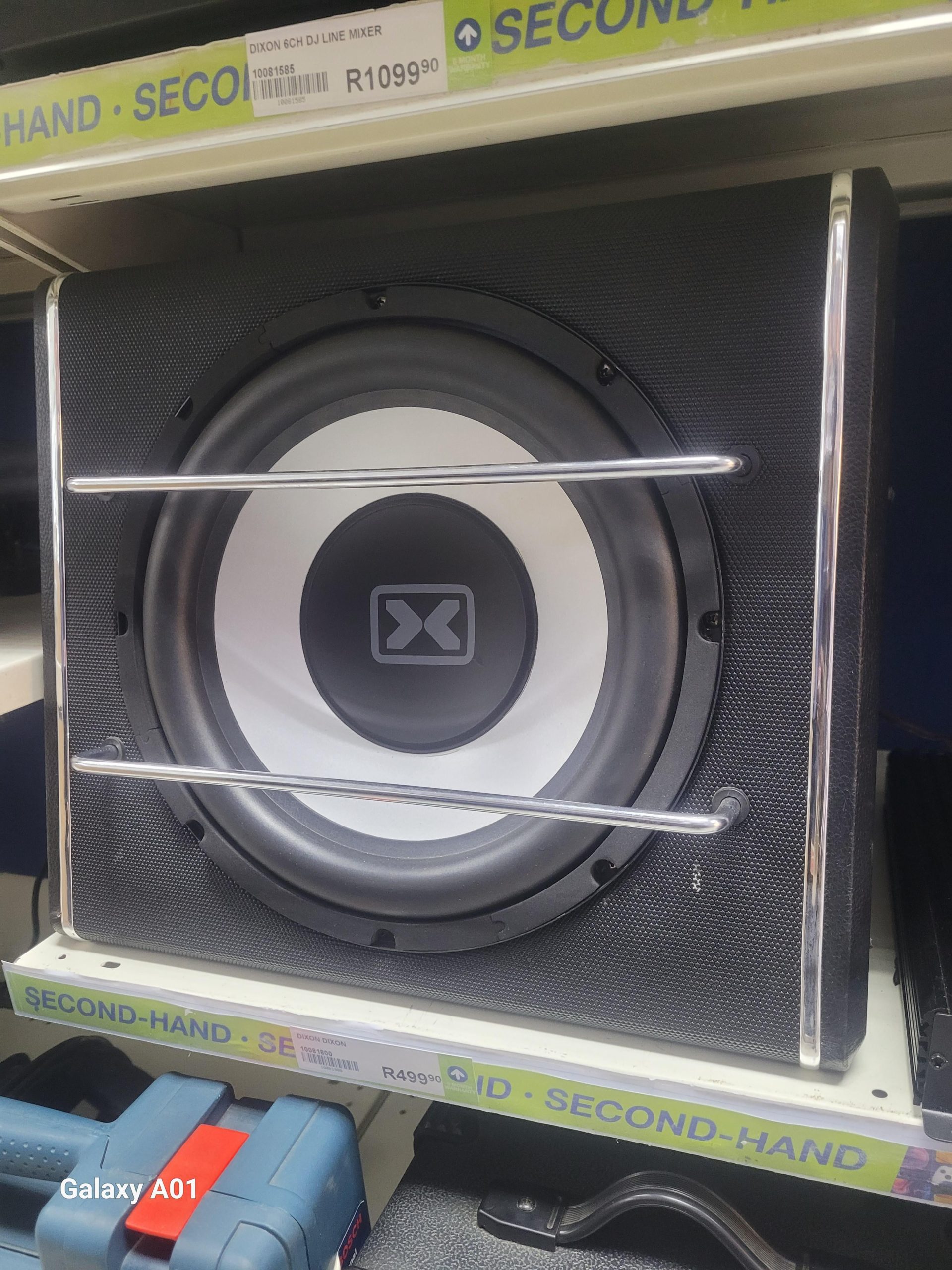
Car subwoofers are built to perform in a small, enclosed space with a 12V power supply, while home subwoofers are designed for larger rooms and household voltage. This difference affects their size, power requirements, and enclosure design.
Using a car sub in a home stereo setup can work, but you need to consider how it will be powered and housed. Car subs often need an amplifier that matches their specs, and a proper enclosure to avoid sound quality loss.
Ask yourself: Do you have the right amplifier and space to support a car sub’s unique design? If not, a home subwoofer might be easier to integrate.
Power Handling And Impedance
Power handling tells you how much wattage the subwoofer can take without damage. Car subs usually handle high power in short bursts, while home subs can deliver consistent power over longer periods.
Impedance, measured in ohms, affects how much power the sub draws from the amplifier. Car subs commonly have 2 or 4 ohms, whereas home subs are often 8 ohms. Matching impedance between your sub and amplifier is critical to avoid overheating or poor sound.
Think about your amplifier’s output and check the sub’s specs carefully. A mismatch could mean weak bass or blown equipment. It pays to double-check these details before making your purchase.
Gathering Required Equipment
Before you dive into connecting your car subwoofer to your home stereo, it’s important to gather all the right equipment. Having the correct gear ensures a smooth setup and better sound quality. Missing a crucial component can lead to frustration and poor performance, so let’s break down what you need.
Amplifier Selection
Your car subwoofer will need an amplifier that matches its power requirements. Check the subwoofer’s RMS (continuous power) rating and choose an amplifier that can provide that amount of power without distortion.
Think about whether you want a mono amplifier, which is common for subs, or a multi-channel amp if you plan to power other speakers too. Also, consider the amplifier’s impedance compatibility with your subwoofer for the best sound and safety.
Cables And Connectors
Quality cables make a big difference in sound clarity. You’ll need RCA cables to connect the subwoofer to your home stereo’s preamp outputs.
Don’t forget speaker wire to connect the subwoofer to the amplifier. Choose wire thickness based on the distance—thicker wire for longer runs to avoid power loss.
Make sure your connectors match the ports on your devices, whether that’s banana plugs, spade connectors, or bare wire ends. Loose or mismatched connectors can cause signal dropouts or noise.
Tools Needed
Having the right tools at hand will save time and headaches. Basic tools include wire strippers, screwdrivers, and a multimeter for checking connections and voltages.
A drill might be necessary if you need to mount the amplifier or run cables through walls or furniture. Also, electrical tape or heat shrink tubing helps secure connections and prevent shorts.
Are you prepared to make clean cuts and secure connections? Investing a little time in preparation will pay off with a professional-sounding setup.
Preparing Your Home Stereo
Preparing your home stereo is the first step to connect car subwoofers. It involves checking the stereo’s outputs and ensuring they match the subwoofer’s needs. This preparation helps avoid damage and ensures clear sound quality. Understanding your stereo’s capabilities will make the setup smoother and more effective.
Identifying Output Options
Look at the back of your home stereo to find output ports. Common outputs include RCA jacks, speaker wire terminals, and subwoofer pre-outs. RCA jacks are round and usually red and white. Speaker terminals are screw or spring clips for bare wires. Subwoofer pre-outs are dedicated ports designed for subs. Knowing these options helps select the right connection type for your car sub.
Checking Compatibility
Match your subwoofer’s input with the stereo’s output type. Car subs often use low-level RCA inputs. If your stereo lacks RCA outputs, use speaker-level inputs or a line output converter. Check the subwoofer’s power rating and impedance to match the stereo’s output safely. Confirm the voltage and signal type to avoid damage. Proper compatibility ensures clear sound and protects your equipment.

Credit: www.coloradofans.com
Wiring The Subwoofer
Wiring your car subwoofer to a home stereo system can feel tricky, but getting the connections right is essential for powerful, clean bass. The way you wire the subwoofer impacts not only the sound quality but also the safety of your equipment. Let’s break down the key wiring steps to help you set up your subwoofer efficiently and enjoy that deep, rich bass at home.
Connecting Speaker Wires
Start by identifying the speaker wire terminals on both your subwoofer and stereo receiver. Most subs have clearly marked positive (+) and negative (–) terminals. Make sure you match these correctly to avoid phase issues, which can cause weak or muddy bass.
Use quality speaker wire, ideally 16 or 14 gauge, for a strong connection. Strip about half an inch of insulation from each wire end to ensure a good contact. If your subwoofer has spring clips, press them down to insert the wires firmly; if it uses binding posts, tighten the connectors securely.
Using Rca Cables
Many home stereos use RCA cables to send the low-frequency signal to the subwoofer. Check if your subwoofer has an RCA input labeled “LFE” or “Line In.” Connect the RCA cable from your receiver’s subwoofer output to this input for clear bass signals.
If your stereo doesn’t have a dedicated subwoofer output, you can use speaker-level inputs on the subwoofer instead. This lets you tap into the speaker wires directly but requires extra care to avoid overload. Keep RCA cables away from power cords to reduce noise interference.
Powering The Amplifier
Your subwoofer’s amplifier needs a reliable power source to perform well. Most powered subs come with a standard power cord—plug it into a surge-protected outlet to protect your gear. Avoid using extension cords if possible, as they can cause voltage drops affecting performance.
Check the amplifier’s power switch and indicator lights to ensure it’s receiving power. If your setup includes a separate external amplifier, connect it to the stereo’s power supply following the manufacturer’s instructions carefully. Proper grounding and fuse protection are vital to prevent damage and keep your system safe.
Adjusting Settings For Optimal Sound
Adjusting the settings on your car subwoofer when connected to a home stereo is crucial for getting the best sound quality. It’s not just about turning everything up loud; it’s about finding the right balance between power and clarity. Proper adjustments help your subwoofer blend seamlessly with your speakers, creating a fuller, richer sound experience.
Setting Gain And Crossover
The gain controls the strength of the signal going into your subwoofer. Too high, and you risk distortion; too low, and the bass might feel weak. Start with the gain low, then slowly increase it until the bass sounds tight but not overwhelming.
The crossover determines the frequency at which your subwoofer starts to play bass sounds instead of your main speakers. Setting it correctly prevents overlap and muddiness. Usually, setting the crossover between 80Hz and 100Hz works well, but you might need to adjust depending on your speaker size and room acoustics.
Bass Boost Tips
Bass boost can add extra punch, but it’s easy to overdo it. Try small increments and listen carefully after each change. If the bass starts to sound boomy or overpowering, dial it back a bit.
Consider the room’s size and furniture placement, as these can affect how bass sounds. Sometimes, moving your subwoofer just a few inches can make a big difference in clarity and impact. Have you experimented with different positions to find the bass sweet spot in your room?

Credit: www.reddit.com
Testing And Troubleshooting
Testing and troubleshooting your car subwoofer connected to a home stereo can save you a lot of frustration. It helps ensure everything works smoothly and your sound quality is top-notch. Let’s dive into how you can check your setup and fix common problems.
Checking Connections
Start by making sure all cables are plugged in firmly. Loose wires often cause no sound or weak bass. Double-check the RCA cables, speaker wires, and power connections to your subwoofer.
Look out for any damaged cables or frayed wires. Swapping out a faulty cable is a quick fix that many overlook. Also, confirm the polarity of your speaker wires—reversing positive and negative can kill the bass impact.
Have you tested the subwoofer with another audio source? This simple step can tell you if the problem lies with your home stereo or the sub itself.
Common Issues And Fixes
If your subwoofer isn’t producing sound, first ensure the power is on. Many car subs need a 12V power source, so check your power adapter or converter. Without the right power, the sub won’t activate.
Distorted or rattling bass often means the gain is set too high. Lower the gain knob gradually and listen for cleaner sound. Also, inspect the subwoofer cone for any physical damage that might cause distortion.
Another common problem is a humming or buzzing noise. This usually stems from ground loop issues. Try using a ground loop isolator or re-check your grounding connections.
Have you ever found the bass too weak despite all connections being correct? Adjust the crossover frequency on your stereo or amp. Setting it too low or too high can mute your sub’s performance.
Credit: www.avsforum.com
Frequently Asked Questions
Can You Use Car Subs In A Home Stereo?
Yes, you can use car subs with a home stereo. Ensure compatibility with impedance and power ratings. Use a suitable amplifier to bridge the power gap. Properly connect the subwoofer to the home stereo system for optimal sound quality. This setup enhances bass performance in your home audio environment.
What Do You Need To Connect Car Subs?
To connect car subs, you need a compatible amplifier and proper cables. Ensure the impedance matches your home stereo system. Use an RCA cable for audio signals. A power converter may be necessary for the car subwoofer. Proper setup ensures enhanced bass performance in your home stereo setup.
How To Power Car Subwoofer At Home?
Power a car subwoofer at home using a power inverter. The inverter converts AC to DC power. Ensure the power output matches the subwoofer’s requirements. Connect the subwoofer to the amplifier and stereo. This setup enables you to enjoy deep bass at home.
Is An Amplifier Required For Car Subs?
Yes, an amplifier is essential for car subs in a home setup. It provides necessary power and enhances sound quality. Ensure the amplifier’s power output matches the subwoofer’s specifications. Proper connection ensures optimal performance and protects the equipment from damage.
Conclusion
Connecting car subs to a home stereo is easier than it seems. Use the right cables and follow safety steps. Check your equipment before starting the setup. Take your time to avoid mistakes. Enjoy better bass and sound quality in your home.
Experiment with placement for the best audio experience. This simple guide helps you bring car sub sound indoors. Now, your music will feel richer and more alive.