Are you wondering how many watts you really need for your car stereo? Choosing the right power can make a huge difference in your listening experience.
Too little, and your music sounds weak and dull. Too much, and you risk damaging your equipment or your ears. You’ll discover the simple way to find the perfect wattage for your car stereo. By the end, you’ll know exactly what to look for to get clear, powerful sound without any guesswork.
Ready to upgrade your ride’s audio? Let’s dive in.
Watts And Sound Power
Understanding watts and sound power is key for picking the right car stereo. Watts measure the energy that powers your speakers. More watts mean louder, clearer sound. But wattage is just one part of the audio experience. Knowing what watts really mean helps in making smart choices for your car audio setup.
What Are Watts In Audio
Watts show how much power an amplifier can send to speakers. This power moves the speaker cones to create sound. Higher watts allow speakers to play louder without distortion. Watts are not about sound quality but the strength of the audio signal.
Rms Vs Peak Power
RMS (Root Mean Square) power shows continuous power output. It tells how much power the system can handle steadily. Peak power is the highest power level the system can reach briefly. RMS is a better measure of real performance. Peak power is useful for short bursts of loud sound.
Why Wattage Matters
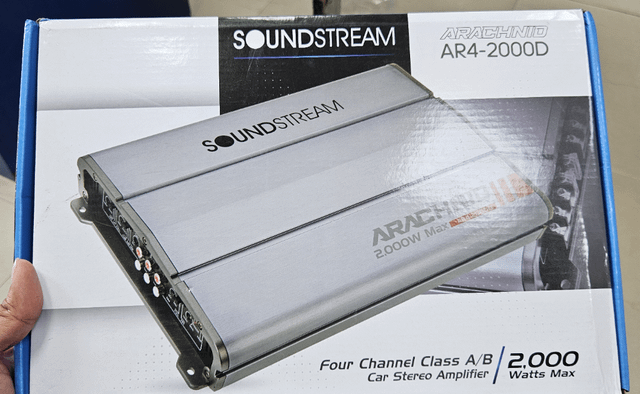
Wattage affects volume and sound clarity. Too little power makes sound weak and distorted. Too much power can damage speakers. Matching amplifier watts with speaker capacity is important. Proper wattage gives balanced, clear sound with no damage risk.

Credit: us.amazon.com
Factors Influencing Watt Needs
Understanding the factors that influence how many watts you need for your car stereo can save you from overspending or ending up with weak sound. Wattage isn’t just about blasting loud music; it’s about matching power to your car’s unique setup and your listening style. Let’s break down the key elements that shape your watt needs.
Car Size And Acoustics
The size of your car directly affects the wattage needed to fill the space with sound. A small compact car requires less power compared to a large SUV or a van. Larger interiors have more air volume, which means the sound energy has to travel farther and can get absorbed or bounced around unevenly.
Think about how sound behaves inside your car. Hard surfaces reflect sound, while soft materials absorb it. If your car has lots of upholstery and carpet, you might need a bit more wattage to compensate for sound absorption. Have you noticed how music sounds different in your friend’s car? That’s acoustics at work.
Speaker Efficiency
Speaker efficiency, or sensitivity, tells you how well your speakers convert power into sound. Speakers with higher efficiency need less wattage to reach the same volume level. For example, a speaker rated at 90 dB sensitivity will sound louder at 1 watt than one rated at 85 dB.
If you invest in high-efficiency speakers, you might not need an amplifier with huge wattage. On the other hand, low-efficiency speakers demand more power to perform well. Checking your speaker’s sensitivity rating can help you avoid overpaying for unnecessary power.
Listening Preferences
Your personal taste in music and how loud you like it play a big role in deciding wattage. Do you enjoy calm background music, or do you want to feel the bass shake your car? If you like it loud and clear, more wattage ensures your stereo can handle those peaks without distortion.
Also, consider the type of music you listen to. Bass-heavy genres like hip-hop or EDM require more power for deep, punchy lows. On the flip side, classical or acoustic music might not need as much power but demand clarity. What’s your go-to playlist saying about your watt needs?
Calculating Wattage For Your Stereo
Calculating the right wattage for your car stereo is essential for clear sound and system safety. Wattage tells you how much power your stereo system can use. Matching this power correctly prevents damage and improves sound quality. Understanding how to calculate wattage helps you choose the right amplifier and speakers for your car.
Matching Amplifier To Speakers
Choose an amplifier with wattage close to your speaker’s RMS rating. RMS means the continuous power a speaker can handle. If the amplifier’s power is too low, the sound may distort. Too much power from the amplifier can damage the speakers. Check the speaker manual for recommended wattage ranges. Match the amplifier wattage within that range for best results.
Avoiding Underpowering
Underpowering happens when the amplifier delivers less power than speakers need. This causes sound distortion and poor performance. Distortion can harm your speakers over time. Avoid underpowering by choosing an amplifier with equal or slightly higher wattage than your speakers. This keeps sound clean and protects your equipment.
Avoiding Overpowering
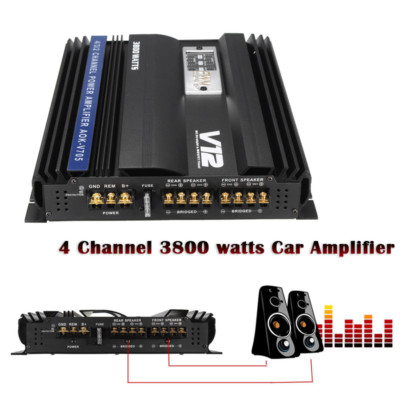
Overpowering means the amplifier sends more power than the speakers can handle. This can cause speaker damage or failure. To avoid overpowering, do not pick an amplifier with wattage far above the speaker’s limit. Use a fuse or limiter to protect your system. Balance power levels to keep your stereo safe and sound quality high.
Credit: www.ebay.ca
Choosing The Right Amplifier
Choosing the right amplifier is key to getting the most out of your car stereo system. The amplifier boosts the audio signal, making your music sound clearer and more powerful. But not all amplifiers are created equal, and picking the right type can make a huge difference in sound quality and system efficiency.
Class A/b Vs Class D Amps
Class A/B amplifiers are known for delivering rich, high-quality sound. They handle distortion well but tend to run hotter and use more power. If you want warm, detailed audio and don’t mind a little extra heat, these amps are a solid choice.
Class D amplifiers, on the other hand, are much more energy-efficient. They stay cooler and can provide a lot of power in a compact size. However, some models might sacrifice a bit of audio purity for efficiency. Ask yourself: do you value sound quality over energy savings, or vice versa?
Mono Vs Multi-channel Amps
A mono amplifier powers just one channel, usually used to drive a subwoofer. If you want deep, punchy bass, a mono amp is your best friend. It focuses all its power on that single speaker for maximum impact.
Multi-channel amplifiers can power several speakers at once—front, rear, or even multiple subwoofers. They simplify wiring and save space. Consider your setup: do you need to power multiple speakers, or just boost your subwoofer’s bass?
Power Ratings To Look For
When checking power ratings, look for RMS power, not peak power. RMS tells you the continuous power the amplifier can deliver safely. Peak power numbers can be misleading and often overstate the amp’s true capability.
Match your amplifier’s RMS output closely with your speakers’ RMS rating. Too little power can cause distortion, while too much can damage your speakers. Think about your daily listening habits—are you cranking up the volume often? If yes, aim for a bit more headroom to keep sound clear and distortion-free.
Upgrading Your Car Stereo System
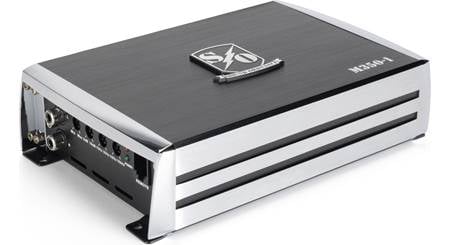
Upgrading your car stereo system can greatly improve your listening experience. It lets you enjoy clearer sound and deeper bass. Choosing the right wattage is important for better performance. Small upgrades can make a big difference without spending too much.
Adding Subwoofers
Subwoofers give your music powerful bass. They handle low frequencies that regular speakers cannot. Adding a subwoofer needs more wattage to work well. It fills your car with rich, deep sounds that you can feel. Choose a subwoofer with the right power rating for your system.
Tweaking Equalizer Settings
Equalizer settings help balance different sound frequencies. Adjusting bass, midrange, and treble improves overall sound quality. Use small changes to avoid distortion or damage. Fine-tuning the equalizer makes music clearer and more enjoyable. Many car stereos have built-in equalizers for easy control.
Improving Wiring And Installation
Good wiring ensures your stereo system works efficiently. Use high-quality cables to reduce signal loss. Proper installation prevents electrical problems and sound interference. Secure connections help maintain consistent power delivery. A neat setup also protects your equipment from damage over time.
Credit: www.crutchfield.ca
Common Mistakes To Avoid
Choosing the right wattage for a car stereo seems simple but often leads to mistakes. These errors can harm sound quality and damage equipment. Avoiding common pitfalls helps you get clear, powerful audio without problems. Focus on key details to match your system’s power needs correctly.
Ignoring Speaker Impedance
Speakers have different impedance levels, usually measured in ohms. Ignoring this can cause mismatched power delivery. An amplifier pushing too much power to low-impedance speakers may overheat or fail. Using speakers with higher impedance than the amp supports can reduce volume and clarity. Always check speaker impedance to ensure compatibility with the amplifier.
Overlooking Sound Distortion
Too little power causes distortion at high volumes. The amplifier struggles and clips the signal, making sound harsh and unpleasant. Many think more watts mean distortion, but underpowering is often the real issue. Proper wattage ensures clean sound even at louder levels. Avoid pushing your system beyond its limits to keep music clear and enjoyable.
Neglecting Battery And Alternator
High-power stereos draw more current from the car’s electrical system. A weak battery or alternator can cause voltage drops, leading to poor performance. This can also strain your car’s electrical parts and reduce battery life. Upgrading your stereo without checking your car’s power supply may cause failure. Ensure your battery and alternator can handle the extra load for stable sound.
Frequently Asked Questions
How Many Watts Is Good For A Car Stereo?
A typical car stereo requires about 50 to 200 watts of power. This range provides decent sound quality without overloading your car’s electrical system. For better audio performance, consider amplifiers that match your speakers’ power handling. Always ensure compatibility between your stereo, speakers, and car battery.
Is Higher Wattage Better For Car Audio?
Higher wattage can improve sound quality, but it’s not always necessary. It’s essential to match the stereo’s wattage with your speakers’ capacity. Overpowering speakers can lead to damage. Focus on a balanced system for optimal audio performance. A well-matched system ensures clarity and longevity.
What Wattage Do Factory Car Stereos Have?
Factory car stereos typically have 15 to 50 watts per channel. This provides basic sound quality suitable for most users. Upgrading to an aftermarket stereo can enhance audio performance. Aftermarket systems often offer higher wattage, improving sound clarity and volume without distortion.
How Do I Calculate Car Stereo Wattage?
Calculate wattage by multiplying voltage by current. For most car stereos, use the formula: Power (Watts) = Voltage (Volts) x Current (Amperes). Ensure your car’s electrical system supports the stereo’s wattage. Consult your car’s manual or a professional for accurate calculations and compatibility advice.
Conclusion
Choosing the right watts for your car stereo matters a lot. Too little power means weak sound. Too much can damage your speakers. Think about your car size and music style. Match watts to your needs for clear, loud sound.
This keeps your music enjoyable every time you drive. Remember, simple choices lead to better listening. Now, you can pick the perfect watt level with confidence.