Have you ever thought about turning your car stereo into a powerful home sound system? Imagine enjoying your favorite music with the same clear, rich sound right in your living room.
It’s easier than you think, and you don’t need to spend a lot of money on new equipment. In this guide, you’ll discover simple steps to transform your car stereo into a home stereo that delivers amazing sound quality. Keep reading, and by the end, you’ll have a cool, budget-friendly setup that impresses everyone.
Ready to bring your music to life at home? Let’s get started!
Tools And Materials Needed
Converting a car stereo into a home stereo is a rewarding project that lets you enjoy your favorite car audio system in the comfort of your home. To get started, you need the right tools and materials. Having everything prepared ensures a smooth process and helps avoid last-minute trips to the store.
Essential Tools
- Screwdrivers:Both Phillips and flat-head screwdrivers are necessary for opening the stereo casing and securing components.
- Soldering Iron:A soldering iron with solder wire helps create strong, reliable electrical connections.
- Wire Strippers:These make it easy to remove insulation from wires without damaging the metal core.
- Multimeter:Checking voltage and continuity is crucial. A multimeter ensures everything is wired correctly and safely.
- Heat Shrink Tubing or Electrical Tape:These protect your connections from shorts and wear.
Required Components
- Car Stereo Unit:Naturally, you need the stereo itself, preferably one you can easily dismantle.
- 12V Power Supply Adapter:Since car stereos run on 12 volts, a power adapter that converts your home AC voltage to 12V DC is essential.
- Speakers:Choose speakers compatible with your stereo’s output. Car speakers or home speakers can work, depending on your setup.
- Speaker Wire:Use adequate gauge wire to connect the stereo to your speakers for clear sound.
- RCA or AUX Cables:Depending on your stereo’s input options, these cables help connect external devices like phones or music players.
Optional Accessories
- Amplifier:Adding an amplifier can boost sound quality and volume if your stereo’s built-in amp isn’t powerful enough.
- Fuse Holder and Fuse:These protect your setup from electrical damage caused by power surges or shorts.
- Mounting Bracket or Enclosure:A custom frame or box helps keep your stereo stable and looks neat in your home space.
- Bluetooth Receiver:Adding wireless connectivity can modernize your car stereo, letting you stream music easily.
Do you have all these tools and parts ready? Missing even one can make the project frustrating. Preparing thoroughly saves time and keeps your focus on enjoying great sound at home.
Choosing The Right Car Stereo
Choosing the right car stereo for your home setup is more important than you might think. Not every car stereo will fit or function well outside a vehicle. Picking the right model ensures you get clear sound, reliable power, and easy integration with your home audio system.
Compatibility Considerations
Car stereos are designed for vehicles, so checking if they match your home setup is key. Look at the input and output options—can you connect your home speakers or an external amplifier? Some car stereos might need adapters or converters to work with home audio equipment.
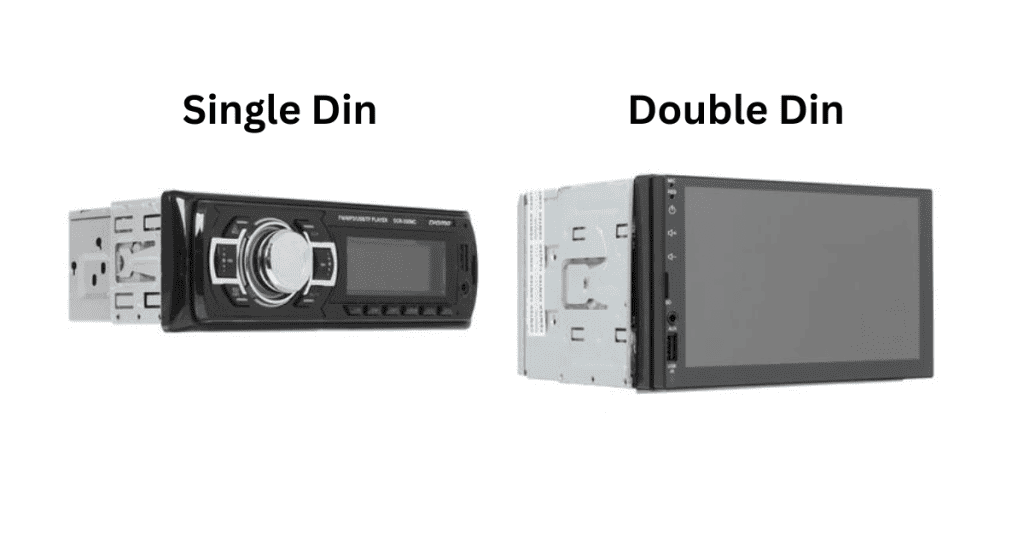
Also, consider the size and mounting style. Will the stereo fit in your chosen space? If you want to keep it neat, make sure it’s compatible with standard home stereo racks or shelves.
Power Requirements
Car stereos run on 12V DC power, while home outlets supply 120V or 230V AC. This means you’ll need a proper power supply or transformer to avoid damaging the stereo. Check the stereo’s power specs to pick a compatible power adapter.
Buying a power supply with the right amperage is crucial. An underpowered adapter can cause the stereo to malfunction or sound distorted. Ask yourself: do you have a safe and steady power source for continuous use?
Audio Features
Think about the audio features you want. Does the stereo support Bluetooth, USB, or auxiliary inputs for easy streaming? Some car stereos come with built-in equalizers or sound enhancement options that can improve your listening experience at home.
Remember, a stereo with adjustable bass and treble controls can help tailor the sound to your room’s acoustics. What audio features will make your music sound best where you live?
Power Supply Setup
Setting up the power supply is a crucial step when converting a car stereo into a home stereo. Car stereos are designed to run on 12V DC power from a car battery, so you need to replicate that environment safely and reliably in your home. Getting this right ensures your stereo runs smoothly without damaging components or creating hazards.
Selecting A Power Adapter
You need a power adapter that converts your home’s AC power (usually 120V or 230V) into a stable 12V DC output. Look for an adapter that can supply at least the same current (measured in amps) as your car stereo requires. Check the stereo’s label or manual to find the exact amperage.
Choosing an adapter with a slightly higher current rating than needed is smart. It prevents overheating and ensures your stereo gets consistent power. Avoid cheap adapters that don’t regulate voltage well, as fluctuations can harm your stereo.
Wiring For Home Use
Wiring your stereo for home use means connecting the power adapter’s output correctly to the stereo’s power input. Identify the positive (+) and negative (–) terminals on both the adapter and the stereo. Mixing these up can cause permanent damage.
Use quality connectors and insulated wires to prevent shorts. If your stereo has a cigarette lighter plug, you might need to cut it off and directly wire the adapter leads to the stereo’s power input. Secure all connections with electrical tape or heat shrink tubing.
Safety Tips
Safety can’t be overstated when dealing with power supplies. Always unplug the adapter before making any wiring changes. Never work on live circuits—disconnect power first to avoid shocks or shorts.
Double-check all connections before powering on. If unsure about any step, seek help from someone experienced in electronics. Remember, a small oversight in wiring can lead to fire hazards or damage to your stereo and home wiring.
Credit: www.youtube.com
Connecting Speakers
Connecting speakers is a crucial step when converting a car stereo into a home stereo system. It determines how well your audio setup performs and how enjoyable your listening experience will be. Getting the connections right ensures clear sound and prevents damage to your equipment.
Speaker Compatibility
Not all speakers work well with car stereos in a home environment. Check the impedance rating; car speakers typically have 4 ohms, while home speakers often have 8 ohms. Using speakers with the wrong impedance can strain your stereo and reduce sound quality.
Think about the power handling capacity too. Your car stereo might have a lower output than home amplifiers, so speakers should match that power level to avoid distortion or damage. Have you checked the specs on your speakers lately?
Wiring Techniques
Proper wiring is essential to connect your car stereo to home speakers safely. Use speaker wire that’s thick enough, usually 16 or 14 gauge, to minimize signal loss over longer distances. Keep wires organized to avoid interference and accidental shorts.
Remember to connect positive terminals on the stereo to positive terminals on the speakers, and the same for negative. Reversing polarity can cause phase issues and weak sound. Label your wires if you handle multiple speakers to keep track easily.
Optimizing Sound Quality
Position your speakers correctly to get the best sound in your room. Avoid placing them too close to walls or corners, which can cause unwanted bass amplification. Try different angles and distances to find the sweet spot where voices and instruments sound clear.
Consider adding simple acoustic treatments like rugs or curtains to reduce echo and improve clarity. Also, experiment with your stereo’s tone controls to balance bass, mids, and treble according to your room’s acoustics. Have you tried adjusting your setup while sitting in your favorite listening spot?
Integrating Additional Inputs
Integrating additional inputs into your car stereo system enhances its functionality as a home stereo. It allows connection of various devices for diverse audio sources. This section explains how to add Bluetooth, auxiliary, USB, and SD card inputs.
Bluetooth Modules
Bluetooth modules enable wireless audio streaming from phones and tablets. They connect easily to the stereo’s input wires or auxiliary port. Choose a module with a built-in amplifier for better sound quality. Pairing is simple and quick, making music playback convenient. This upgrade removes the need for cables and keeps your setup tidy.
Auxiliary Connections
Auxiliary (aux) inputs let you plug in devices directly. Use a 3.5mm aux cable to connect smartphones, MP3 players, or laptops. Many car stereos already have aux inputs on the front or back. If not, adding an aux port is a straightforward DIY task. It offers reliable sound without wireless interference.
Usb And Sd Card Support
USB ports allow playback from flash drives or charging devices. Many car stereos support USB drives with MP3 or WAV files. SD card slots provide another option for music storage and playback. Both inputs give quick access to large music collections. Make sure your stereo supports these formats before installation.
Building A Custom Enclosure
Building a custom enclosure is key to turning a car stereo into a home stereo. It protects the stereo, improves sound quality, and fits the unit into a home setting. Careful planning ensures the enclosure works well and looks good. The right design and materials make a big difference.
Materials And Design
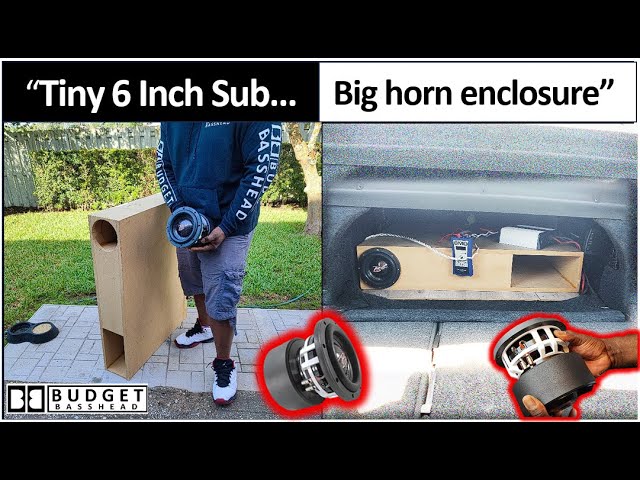
Choose strong, lightweight materials like plywood or MDF for the box. These materials hold the stereo securely and reduce sound distortion. The design should match the stereo’s size exactly. Measure the stereo carefully before building the box.
Consider adding a removable front panel. This makes it easy to access the stereo for adjustments or repairs. Use screws or magnets for easy removal. Think about space where you will place the enclosure. It should fit well in your home room.
Ventilation And Access
Car stereos need airflow to avoid overheating. Create ventilation holes or slots in the enclosure. Place them near the stereo’s cooling vents. This keeps air moving and stops heat buildup.
Make sure all controls and ports remain easy to reach. Leave enough space around buttons, knobs, and connectors. You want to use your stereo without taking it out of the box. Plan cable openings for power and speaker wires too.
Aesthetic Considerations
The enclosure should blend with your home decor. Paint or cover the box with fabric or vinyl for a stylish look. Choose colors that match your room’s theme.
Rounded edges and smooth finishes make the box look professional. Add small feet or pads underneath to protect furniture surfaces. A neat appearance makes your custom home stereo stand out.
Testing And Troubleshooting
Testing and troubleshooting are crucial when converting your car stereo into a home stereo. Even with careful installation, unexpected issues can arise that affect sound quality or device functionality. Taking time to check every detail ensures your setup performs well and lasts longer.
Initial Power-on Checks
Before you get excited about cranking up the volume, verify the power supply connections. Make sure the stereo receives the correct voltage—too high or too low can damage the unit.
Check if the stereo powers on and the display lights up. If nothing happens, double-check your wiring and fuses. Sometimes a loose ground wire or blown fuse is the silent culprit.
Listen for any unusual sounds during startup, like clicks or hums. These may indicate grounding issues or interference from other electronics in your home.
Common Issues And Fixes
- No Sound Output:Confirm speaker wires are connected correctly and speakers are functional. Try swapping speakers to isolate the problem.
- Static or Noise:Ground loop interference is common when using car stereos at home. Adding a ground loop isolator can eliminate this noise.
- Power Cycling or Shutdowns:Overheating or unstable power sources cause this. Ensure your power adapter matches the stereo’s specifications and has proper ventilation.
- Remote Control Not Working:Check the battery and ensure the remote sensor isn’t blocked by any objects.
Performance Adjustments
Once your stereo works, tweak the sound settings to fit your room. Car stereos often have presets for small, enclosed spaces. You might need to adjust bass, treble, and balance manually for the best home experience.
Try moving speakers around to find spots that deliver clear sound without echoes or dead zones. Small changes can significantly improve your listening enjoyment.
Have you noticed any distortion at higher volumes? Lower the gain or adjust the equalizer to reduce strain on your speakers and prevent damage.
Credit: www.diymobileaudio.com
Enhancing Your Setup
Enhancing your home stereo setup made from a car stereo opens new possibilities. Small upgrades improve comfort and sound quality significantly. Focus on ease of use, smart features, and better components for a richer experience.
Adding Remote Controls
Remote controls bring convenience to your setup. You can control volume, change tracks, and switch inputs without leaving your seat. Many car stereos support infrared or Bluetooth remotes. Choose a compatible remote or universal one. This simple addition makes using your stereo easier every day.
Integrating With Smart Home Systems
Smart home systems boost your stereo’s functionality. Connect your car stereo to voice assistants like Alexa or Google Home. Use smart plugs or adapters to power on/off remotely. Integration allows you to play music through voice commands. It turns your stereo into a part of your smart home network.
Upgrading Components
Better parts improve sound and durability. Swap factory speakers for home audio speakers with better range. Use a dedicated amplifier to enhance power and clarity. Upgrade wiring for stable connections and less noise. Each component upgrade makes your home stereo sound fuller and last longer.
Credit: www.santaclaritaautosound.com
Frequently Asked Questions
How Do I Power A Car Stereo At Home?
To power a car stereo at home, use a 12V DC power supply. Ensure it delivers adequate amperage, typically 10A or higher. Connect the power supply to the stereo’s power wires, matching positive and negative terminals carefully for safe operation.
Can I Connect Home Speakers To A Car Stereo?
Yes, you can connect home speakers to a car stereo. Use speakers with compatible impedance, usually 4 to 8 ohms. Avoid high-power home theater speakers to prevent damage. Proper wiring and adapters help ensure clear sound and system safety.
What Adapters Are Needed For Car Stereo Home Use?
You need a 12V DC power adapter and speaker wire connectors. An RCA to AUX adapter may be required for audio input. These adapters help convert power and audio signals for seamless integration in a home setup.
Is Sound Quality Good When Using Car Stereo At Home?
Sound quality can be good if you use quality speakers and proper wiring. Car stereos are designed for vehicle acoustics, so results may differ at home. Adjust equalizer settings to optimize audio for a home environment.
Conclusion
Transforming your car stereo into a home stereo is simple. Follow the steps, and enjoy quality sound at home. Gather the right tools and components. Connect everything securely. Test the setup for the best audio experience. This project is rewarding and practical.
You’ll enjoy music in a new way. Plus, it saves money on expensive home systems. Have fun experimenting with different sound settings. Your home becomes your personal concert hall. Share this journey with friends. They’ll be impressed by your DIY skills.
Enjoy the music and the compliments!