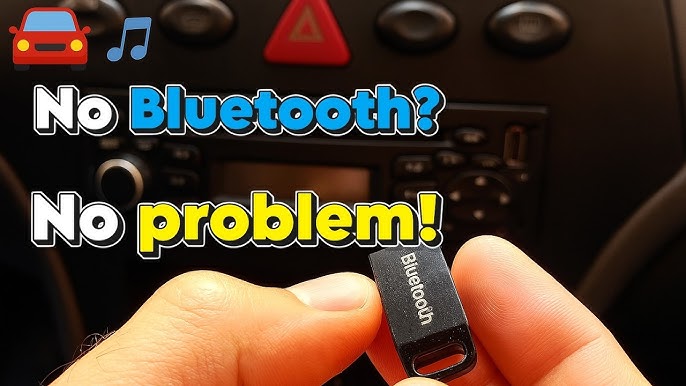
Want to enjoy your favorite songs while driving without relying on your phone or streaming apps? Putting music on a flash drive for your car stereo is a simple and effective way to do just that.
But if you’re unsure how to get started or worried about the technical steps, don’t worry. This guide will walk you through everything you need to know, so your road trips are filled with the perfect soundtrack. Ready to make your drives more enjoyable?
Let’s dive in!
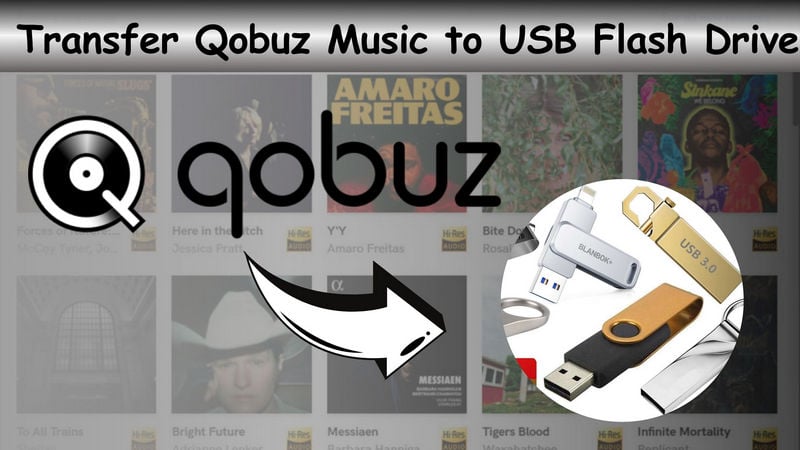
Credit: www.sidify.com
Prepare Your Music Files
Preparing your music files is a key part of putting music on a flash drive for your car stereo. Proper preparation makes sure your songs play smoothly. It also helps your car stereo find and read your music easily. Follow simple steps to get your files ready for a great listening experience.
Choose Compatible Formats
Car stereos support certain music file types. Use common formats to avoid playback issues. The most popular formats include:
- MP3
- WMA
- AAC
- WAV
MP3 is the safest choice. It works on almost all car stereos. Avoid rare or high-compression formats. Check your car stereo manual for supported file types. Converting your music files to the right format is easy with free software.
Organize Songs Into Folders
Organizing music files helps you find songs faster. Create folders by artist, album, or genre. This structure keeps your drive neat and easy to browse. For example:
- Rock
- Pop
- Jazz
Inside each folder, place related songs together. Avoid overcrowding one folder with too many files. Keep folder names simple and clear. This organization improves your car stereo’s ability to display song information correctly.

Credit: www.youtube.com
Format The Flash Drive
Formatting the flash drive is an essential step before adding music for your car stereo. It prepares the device to store files correctly and ensures compatibility with your car’s system. Without proper formatting, the stereo might not read the flash drive or play your music files.
Formatting deletes old data and sets up a file system your car supports. This step helps avoid playback errors and improves performance. Take time to format the drive properly to enjoy your music without interruptions.
Select The Right File System
Choosing the correct file system affects how your car stereo reads the flash drive. Most car stereos support FAT32 or exFAT. FAT32 works well for drives up to 32GB. exFAT handles larger drives and bigger files.
Check your car’s manual for the preferred file system. Formatting with the wrong system can cause the stereo to reject the drive. Use your computer’s format tool to select the right option.
Backup Existing Data
Formatting erases all files on the flash drive. Save any important files before starting. Copy your music, documents, or photos to another folder or device.
After backup, you can safely format the drive without losing anything. This step prevents accidental data loss and keeps your files safe.
Transfer Music To Flash Drive
Transferring music to a flash drive is simple and quick. This process helps you enjoy your favorite songs in your car without internet or CDs. Follow easy steps to copy your music files from the computer to the flash drive. Make sure your flash drive has enough space for your songs.
Copy Files From Computer
First, connect the flash drive to your computer using a USB port. Wait for the computer to recognize the device. Open the folder where your music files are saved. This could be in “Music,” “Downloads,” or another folder. Select the songs or folders you want to transfer. Check the file format is compatible with your car stereo, like MP3 or WAV.
Use Drag And Drop Or Copy-paste
Open the flash drive folder on your computer. You can use one of two easy ways to move your music:
- Drag and drop: Click the selected files and drag them to the flash drive folder.
- Copy and paste: Right-click the files, select “Copy,” then right-click inside the flash drive folder and choose “Paste.”
Wait for the transfer to finish. Safely eject the flash drive before removing it. Now your music is ready to play in your car stereo.
Safely Eject The Flash Drive
Safely ejecting the flash drive is essential after transferring music files. It protects your data from damage and keeps your device working well. Do not just pull out the flash drive immediately. Follow the right steps to avoid problems.
Avoid Data Corruption
Data corruption happens when you remove the flash drive while files are still transferring. This can cause music files to become unusable. Always use the “Safely Remove Hardware” option on your computer. This tells the system to finish all tasks before unplugging. Wait for the confirmation message that it is safe to remove the drive. This simple step prevents loss and keeps your music ready for your car stereo.
Check Transfer Completion
Before ejecting, check if all files have copied completely. Look at the transfer progress bar on your computer screen. It should reach 100% and stop moving. If you see any activity, wait until it ends. You can also open the flash drive folder to verify the music files are present. Ensuring transfer completion means your songs will play smoothly in your car stereo without errors.
Play Music In Your Car
Playing music in your car using a flash drive is simple and convenient. It lets you enjoy your favorite songs without needing a phone or internet connection. Most modern car stereos support USB flash drives for music playback. Just follow a few easy steps to get your music playing.
Insert Flash Drive Into Stereo
Find the USB port on your car stereo. It is usually on the dashboard or near the center console. Gently plug your flash drive into the port. The stereo should recognize the device quickly. Some models may show a message confirming the connection. Wait a few seconds for the system to read the files.
Navigate And Play Tracks
Use the stereo controls to browse your music files. You can search by artist, album, or song title. Many stereos let you scroll through folders on the flash drive. Press the play button to start your music. Adjust volume and skip tracks using the stereo buttons. Enjoy clear sound and a smooth listening experience.

Credit: www.amazon.ca
Troubleshoot Common Issues
Sometimes, putting music on a flash drive for your car stereo doesn’t go as smoothly as expected. You might face issues like your device not recognizing the flash drive, or the songs refusing to play properly. Understanding how to troubleshoot these common problems can save you time and frustration on the road.
Flash Drive Not Recognized
If your car stereo doesn’t detect your flash drive, start by checking the format of the drive. Most car systems prefer FAT32 or exFAT formats. If your flash drive is formatted as NTFS or another file system, the stereo might fail to read it.
Try plugging the flash drive into your computer and reformat it to FAT32. Remember to back up your files first, as formatting erases everything. Also, check if the USB port or the flash drive itself has dust or damage—sometimes a simple clean or using a different USB port solves the issue.
Unsupported File Formats
Have you ever inserted a flash drive only to find your car stereo can’t play the files? It’s often due to unsupported audio formats. Most car stereos play MP3, WMA, or AAC files but might reject formats like FLAC or OGG.
Convert your audio files to a compatible format using free tools like VLC Media Player or online converters. Double-check your car stereo’s manual to confirm which formats it supports. This small step can prevent a lot of playback headaches.
Audio Playback Problems
Sometimes your files are recognized, but the music skips, plays with no sound, or sounds distorted. This could be due to corrupted files or a faulty flash drive. Try playing the same files on your computer or phone to isolate the issue.
Another common cause is the bitrate or sample rate of the audio files. Car stereos may not handle very high-quality files well. Convert your tracks to a standard bitrate like 128 kbps or 192 kbps for smoother playback.
Have you ever noticed weird noises or silence during playback? Try formatting your flash drive and reloading the music to rule out data corruption. These simple fixes often get your tunes back on track quickly.
Frequently Asked Questions
How Do I Transfer Music Files To A Flash Drive?
To transfer music, connect the flash drive to your computer. Open your music folder, select songs, and copy them. Paste the files into the flash drive folder. Safely eject the drive after transferring to avoid data loss.
What Music File Formats Work In Car Stereos?
Most car stereos support MP3, WMA, and AAC formats. Check your car stereo manual for compatible file types. Using supported formats ensures smooth playback and avoids errors while playing music from the flash drive.
How Do I Organize Music For My Car Stereo?
Create folders by artist, album, or genre on your flash drive. This organization helps your car stereo easily read and navigate files. Label folders clearly for better music browsing during drives.
Can I Use A Flash Drive With Any Car Stereo?
Most modern car stereos support USB flash drives, but check your model’s manual. Some older stereos may not recognize certain drives. Using a compatible flash drive ensures proper music playback in your car.
Conclusion
Putting music on a flash drive is simple and fun. First, choose your favorite songs. Then, copy them onto the flash drive. Make sure the format is compatible with your car stereo. Plug the flash drive into your car’s USB port.
Enjoy your favorite tunes while driving. This method is easy for everyone. No special skills needed. Just follow the steps above. Now, your road trips can be more enjoyable. Music always adds joy. So, start organizing your playlist today. Happy driving with your favorite music!