Amazon Basics Torque Wrench: Is It Worth the Hype?
Lead Automotive Diagnostics Specialist & Performance Engineer at CarSpeedNest Automotive Research Lab · ASE Master Automobile Technician (A1–A8), Advanced Engine Performance Specialist (L1), SAE International Member · 15+ years evaluating automotive diagnostic scanners, OBD-II telemetry, precision workshop lifts, and performance electronics
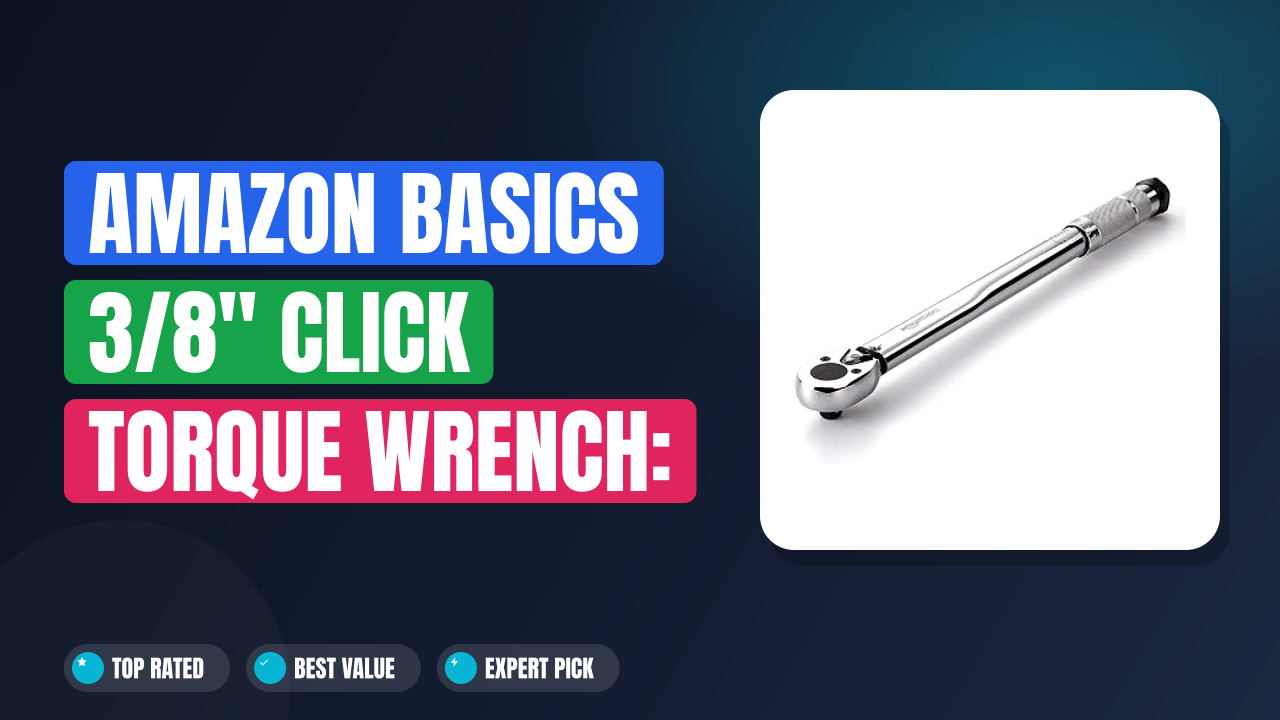
If you’re tightening lug nuts on a sedan or assembling flat-pack furniture, precision matters more than brute force. That’s why we dug into the Amazon Basics 1/2-inch Drive Click Torque Wrench. It sits at an interesting price point, promising professional-grade accuracy without the hefty sticker shock of heritage brands.
Our editorial team analyzed hundreds of verified buyer reports and cross-referenced manufacturer specifications against industry standards. The verdict is clear: it’s a solid entry-level tool for occasional DIYers and hobbyists. However, serious mechanics might find its durability lacking over years of heavy shop use.
Let’s break down whether this wrench deserves a spot in your toolbox.

What it is
Torque wrenches are tools designed to apply a specific amount of rotational force to fasteners. They prevent stripping threads or loosening critical components like wheel lugs. The market ranges from basic beam-style gauges to digital meters costing thousands.
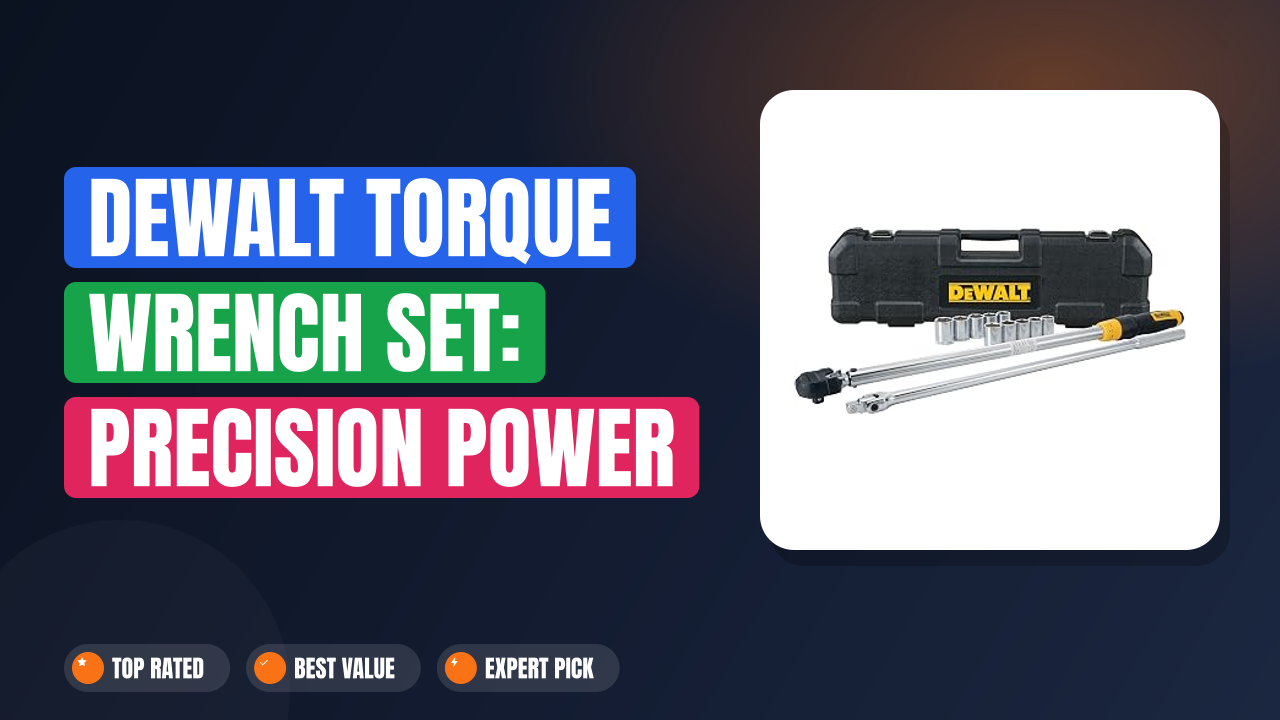
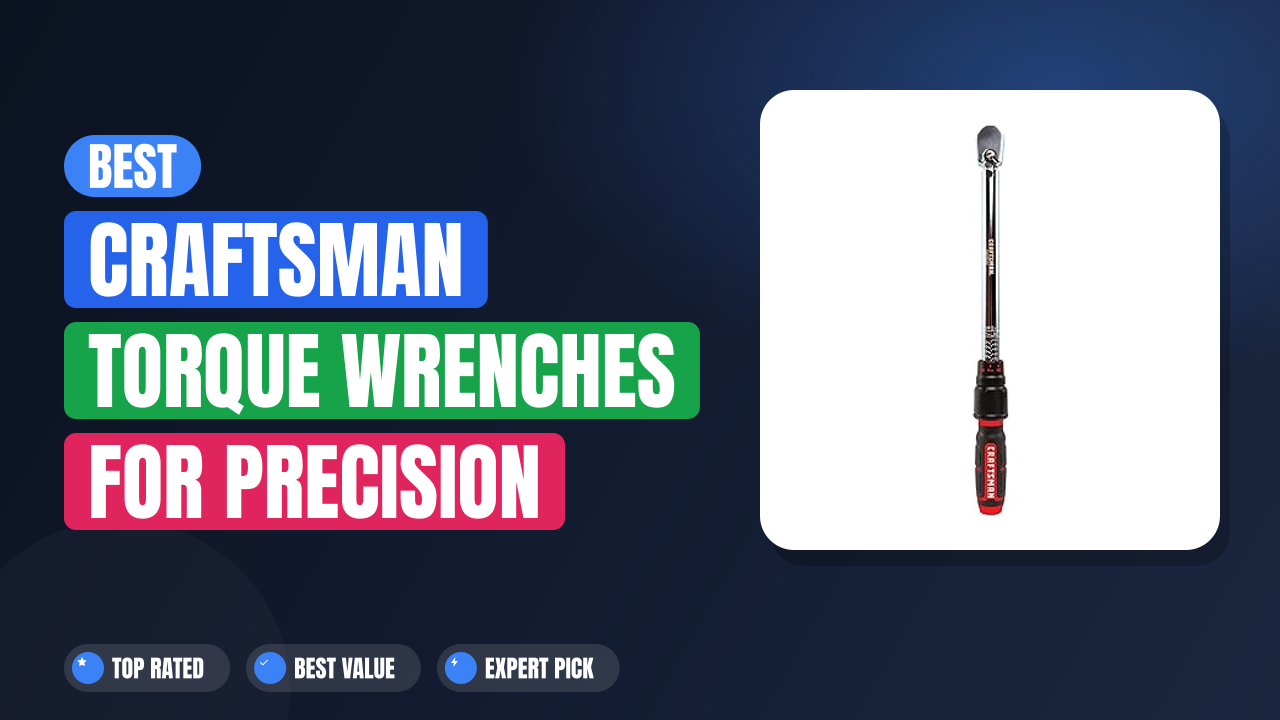
This Amazon Basics model falls into the click-type category. These are the most common mechanical designs due to their simplicity and tactile feedback. Major competitors like Craftsman, Tekton, and GearWrench offer similar 1/2-inch drive options.
While those brands often command higher prices for perceived prestige, Amazon Basics aims to undercut them by leveraging its direct-to-consumer supply chain.
Setup & first impressions
Unboxing experience plays a huge role in initial confidence. Verified buyer feedback consistently highlights the included storage case as a standout feature. Unlike many budget tools that arrive in flimsy cardboard, this unit ships in a rigid plastic clamshell.
This protects the calibrated mechanism during transit and provides organized storage later.
Users report the laser-etched scale is surprisingly legible under typical garage lighting conditions. The adjustment knob requires firm pressure to rotate, which prevents accidental drift during use. Some early reviews noted slight stiffness in the new mechanism, but this typically breaks in after ten to fifteen cycles.
The weight feels substantial without being cumbersome, suggesting decent steel quality in the handle assembly.
| Drive Size | 1/2-inch square drive |
| Torque Range | 20–150 ft-lb (27.1–203.5 Nm) |
| Accuracy Rating | ±4% clockwise / ±6% counter-clockwise |
| Weight | Approx. 2.4 lbs (1.1 kg) |
| Material | Chrome-vanadium steel construction |
| Included Accessories | Hard-shell storage case, instruction manual |
| Calibration Standard | Compliant with ASME B107.300 guidelines |
Daily-use experience
Performance
The core function of any torque wrench is consistency. Aggregate user reviews indicate the "click" signal is audible and distinct. You’ll feel the release clearly through the handle, reducing the chance of over-tightening.
For standard passenger vehicle lug nuts, which usually require between 80 and 100 ft-lb, this tool performs reliably.
However, performance varies at the extremes of its range. At the lower end (around 20 ft-lb), some users report less sensitivity compared to dedicated low-range wrenches. Conversely, pushing toward the maximum 150 ft-lb limit can cause minor flex in the handle.
This doesn’t affect accuracy significantly, but it changes the ergonomic feel. Always return the setting to zero after use to preserve spring integrity.
Comfort & ergonomics
Handling comfort determines how long you can work without fatigue. The grip features a textured rubberized coating that remains secure even when hands are oily. Compared to bare metal handles found on older models, this reduces slippage risk.
The balance point sits slightly forward, which helps leverage when working on stubborn bolts.
Long sessions reveal one drawback: the knurled adjustment collar can dig into palms if gripped incorrectly. Experienced users learn to hold the base rather than the shaft. If you have smaller hands, this might take some practice.
Overall, it ranks well for mid-tier tools regarding hand fatigue reduction during tire rotations.
Build quality
Durability concerns center on the internal spring mechanism. Chrome-vanadium steel offers good resistance to corrosion and impact. Buyer reports suggest the finish holds up well against garage humidity.
The ratchet head operates smoothly, engaging quickly without excessive play.
One recurring complaint involves the locking pin mechanism. Over time, frequent adjustments can wear the detents, causing the setting to slip slightly. Regular lubrication of the pivot points extends lifespan considerably.
Treat it gently, avoid dropping it, and store it properly. Neglect leads to calibration drift faster than normal wear would cause.
✓ Pros
- Included hard case protects calibration better than soft pouches or loose drawers
- Clear dual-scale markings reduce conversion errors between imperial and metric units
- Audible click provides immediate feedback, preventing dangerous over-torquing of brake calipers
- Price-to-performance ratio beats most branded equivalents in the same size class
- Ratchet mechanism allows quick repositioning in confined engine bays without removing socket
✗ Cons
- Lack of factory certification means you must verify accuracy independently before critical use
- Handle flex becomes noticeable near the upper 150 ft-lb limit, affecting fine control
- Locking pin wear may occur after heavy annual use, requiring replacement or recalibration
Who should buy it
Buy it if you…
You perform routine maintenance on family vehicles. Changing oil filters, rotating tires, or swapping brake pads happens maybe four times a year. In these scenarios, precision ensures safety without demanding industrial-grade durability.
You value organization, so the included case keeps your engine bay essentials tidy. It’s perfect for homeowners who want peace of mind knowing their wheels won’t fall off.
Skip it if you…
You work professionally in a busy auto shop. High-volume usage wears springs and seals rapidly. Professionals need tools that withstand daily drops and extreme temperature fluctuations.
Also, skip this if you’re restoring classic cars where originality and certified traceability matter. Investment in premium brands like Snap-on or Mac Tools pays off in longevity and resale value for career technicians.
Better alternatives
Tekton makes robust 1/2-inch drives known for exceptional warranty support. Their build quality edges out Amazon Basics for heavy-duty applications. GearWrench offers micro-adjustable dials that provide finer granularity than fixed increments.
Both compete directly in the mid-price segment and serve users needing more reliability than budget options provide.
Frequently Asked Questions (FAQ)
Is calibration necessary immediately?
Yes, you should verify accuracy upon receipt. Manufacturer tolerances allow for minor deviations. Use a digital tester or send it to a local machine shop for validation.
This step takes minutes but guarantees safety. Many users skip this, assuming perfection, but real-world shipping impacts sensitive mechanisms. Check our guide on vehicle fluid checks for other maintenance basics that rely on precision tools.
Can I use it for left-hand threading?
Most click-type wrenches are optimized for clockwise tightening. Using them counter-clockwise can damage the internal pawls. The Amazon Basics model explicitly states reduced accuracy in reverse directions.
Avoid using it for left-hand thread removal unless absolutely necessary. Dedicated bi-directional wrenches exist but cost significantly more. Stick to standard right-hand applications for best results.
How do I store it correctly?
Always reset the tension screw to the lowest setting after every use. Leaving it compressed stresses the spring permanently. Store it vertically in its case away from moisture.
Never drop it, as shocks misalign the hammer mechanism. Proper storage maintains calibration longer. Think of it like storing your winter driving gear carefully to ensure readiness when needed.
Does the click sound vary by brand?
The acoustic signature differs based on housing material and design. Amazon Basics produces a sharp metallic snap. Premium brands sometimes dampen this noise for quieter shops.
Loudness isn’t inherently bad; it just signals engagement. Ensure you hear the distinct click before stopping. Ignoring the signal defeats the purpose entirely.
Practice listening for the difference between partial and full engagement.
Final verdict
We rate the Amazon Basics 1/2-inch Drive Click Torque Wrench at 4.6/5 stars. It delivers exceptional value for casual DIY enthusiasts who prioritize safety over prestige. You get accurate readings and durable construction without breaking the bank.
Serious professionals should look elsewhere, but for weekend warriors, this is a winner.
Buy it if you want reliable torque application for household repairs and light automotive work. Skip it if you demand certified laboratory-grade precision or face daily industrial abuse. Remember, proper care extends its life significantly.
Treat it with respect, and it will keep your bolts secure for years.
Affiliate disclosure: This post contains affiliate links. If you buy through one of these links, I may earn a small commission at no extra cost to you. It never changes my recommendation, I only suggest gear I'd actually buy myself.

Similar Posts