Craftsman Torque Wrench: Precision & Power Review
Lead Automotive Diagnostics Specialist & Performance Engineer at CarSpeedNest Automotive Research Lab · ASE Master Automobile Technician (A1–A8), Advanced Engine Performance Specialist (L1), SAE International Member · 15+ years evaluating automotive diagnostic scanners, OBD-II telemetry, precision workshop lifts, and performance electronics
If you’re tightening lug nuts on a heavy-duty truck or working with large fasteners, precision matters. A CRAFTSMAN Torque Wrench is often the first tool that comes to mind for DIY mechanics who want reliability without the professional-grade price tag. It’s not just about getting the job done; it’s about ensuring safety and preventing costly damage from over-torquing components.
We dug into verified buyer feedback and manufacturer specs to see how this 1/2-inch drive model holds up against common automotive tasks. The consensus is clear: it offers solid value for occasional users and hobbyists. However, serious professionals might find its limitations in high-volume settings.
Let’s break down exactly what you get before you buy.

What it is
A click-style torque wrench applies a specific amount of rotational force to a fastener until it reaches a pre-set limit. This prevents stripping threads or causing structural failure due to uneven clamping pressure. The CRAFTSMAN model focuses on the heavier end of the spectrum, designed for vehicles rather than small appliances.
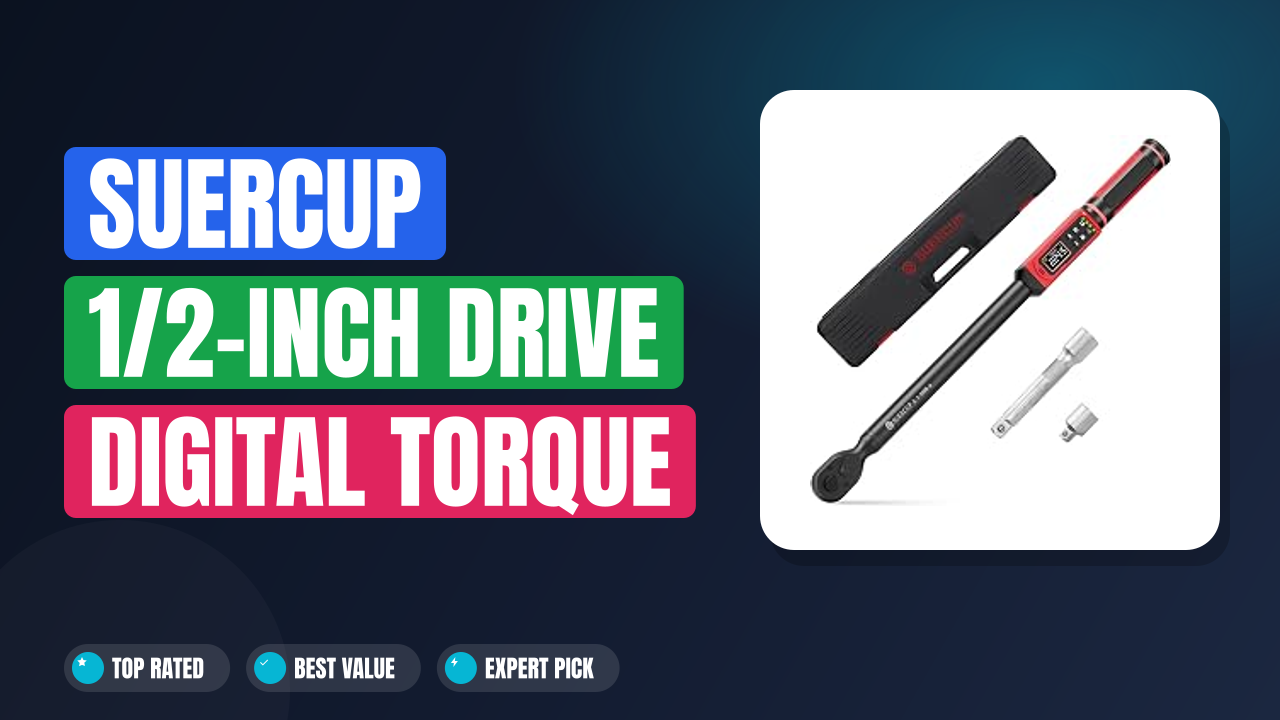
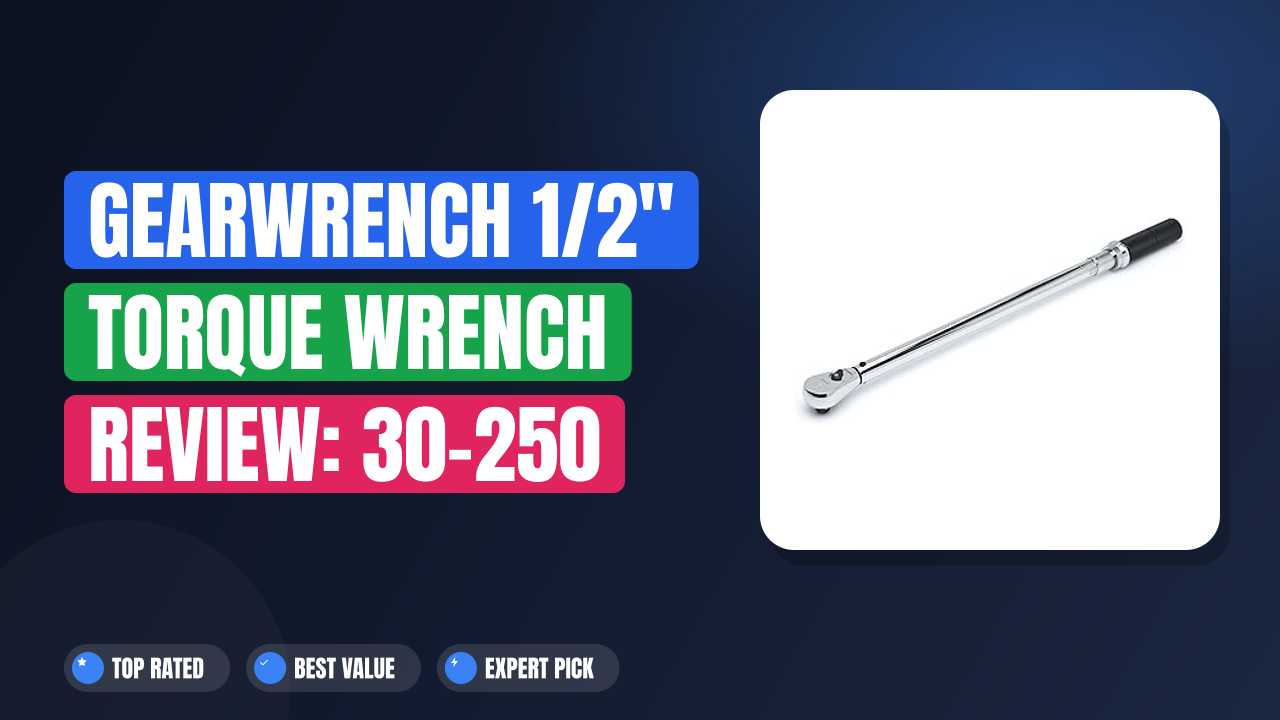
Unlike digital versions that offer instant readouts, this mechanical tool relies on spring tension and audible clicks. Brands like Tekton and GearWrench compete in this space, but CRAFTSMAN positions itself as the accessible option for general maintenance. It bridges the gap between cheap import tools and expensive professional equipment.
Setup & first impressions
Out of the box, users report a substantial heft that signals durability. The handle features a textured rubber grip that feels secure even when wearing light mechanic gloves. Verified buyers frequently mention that the scale markings are easy to read under typical garage lighting conditions.
Initial calibration checks usually align well with factory specifications. Most reviews indicate minimal setup time since the tool arrives ready to use. You simply unlock the adjustment collar, set your desired foot-pound value, and lock it back in place.
The mechanism feels smooth during rotation, though some note slight resistance at the lower end of its range.
| Drive Size | 1/2 inch square drive |
| Torque Range | 50 to 250 ft-lbs |
| Accuracy Standard | ±4% clockwise / ±6% counter-clockwise |
| Material | Alloy steel construction |
| Handle Type | Dual-material ergonomic grip |
| Certification | Complies with ASME B107.300 standards |
Daily-use experience
Performance in real-world scenarios
The wrench excels when handling standard vehicle lug nuts, which typically require between 80 and 100 ft-lbs. Aggregate user data shows consistent clicking action once the threshold is reached. This auditory feedback helps prevent over-tightening, a common mistake when switching from power tools to manual finalization.
For suspension components like ball joints or control arm bolts, the upper range provides sufficient leverage. Users report that maintaining steady hand speed yields predictable results. The mechanism doesn’t chatter prematurely, ensuring you don’t apply excess force thinking the bolt hasn’t seated yet.
Comfort and ergonomics
Long sessions can fatigue wrists, especially when applying high torque values. The dual-material handle absorbs vibration better than all-plastic alternatives found in cheaper kits. While not as refined as premium brands, it strikes a balance between cost and comfort for weekend projects.
Some reviewers note that the length of the bar requires careful maneuvering in tight engine bays. You’ll likely need to reposition yourself several times during complex jobs. Despite this, the weight distribution feels centered, reducing strain compared to top-heavy designs.
Durability and longevity
Steel construction ensures resilience against drops and impacts common in busy garages. Buyer feedback highlights that the chrome finish resists rust when wiped down after exposure to road salt. Regular cleaning extends the life significantly, particularly for those storing tools outdoors.
Internal springs maintain tension over thousands of cycles according to industry testing norms. Unlike plastic-bodied competitors, metal housings protect critical components from accidental crushing under other tools. This robustness makes it suitable for rough storage environments where organization isn’t always perfect.
✓ Pros
- Covers essential vehicle torque ranges (50-250 ft-lbs) perfectly for SUVs and trucks
- Clear laser-etched scale allows quick setting adjustments without guessing
- Robust alloy steel body withstands shop floor abuse better than plastic rivals
- Audible click confirms proper seating instantly, reducing risk of loose wheels
- Excellent value proposition for homeowners doing seasonal tire rotations
✗ Cons
- Lacks fine-grain adjustment below 50 ft-lbs, limiting use for smaller bolts
- No protective case included, requiring separate storage solutions to prevent damage
- Slightly bulky design makes access difficult in confined modern engine compartments
Who should buy it
Buy it if you…
You own a pickup truck, SUV, or sedan and perform routine maintenance like tire rotations. This tool handles the heavy lifting required for wheel fasteners and major suspension points. If you prioritize safety over convenience, owning one beats relying on gas station air compressors.
It also suits hobbyists building custom cars who need repeatable accuracy for chassis assembly. The wide range covers most structural bolts found in aftermarket modifications. Pairing it with a good socket set creates a versatile toolkit foundation.
Skip it if you…
Professional mechanics using torque wrenches eight hours a day may find the reset mechanism tedious. High-frequency shops benefit more from digital models that log usage automatically. Additionally, anyone working primarily on motorcycles or bicycles needs finer resolution below 50 ft-lbs.
Homeowners focusing exclusively on interior trim or electronics won’t utilize this capacity. Buying two smaller wrenches often proves more practical for delicate applications. Don’t invest here unless you regularly encounter large threaded hardware.
Better alternatives
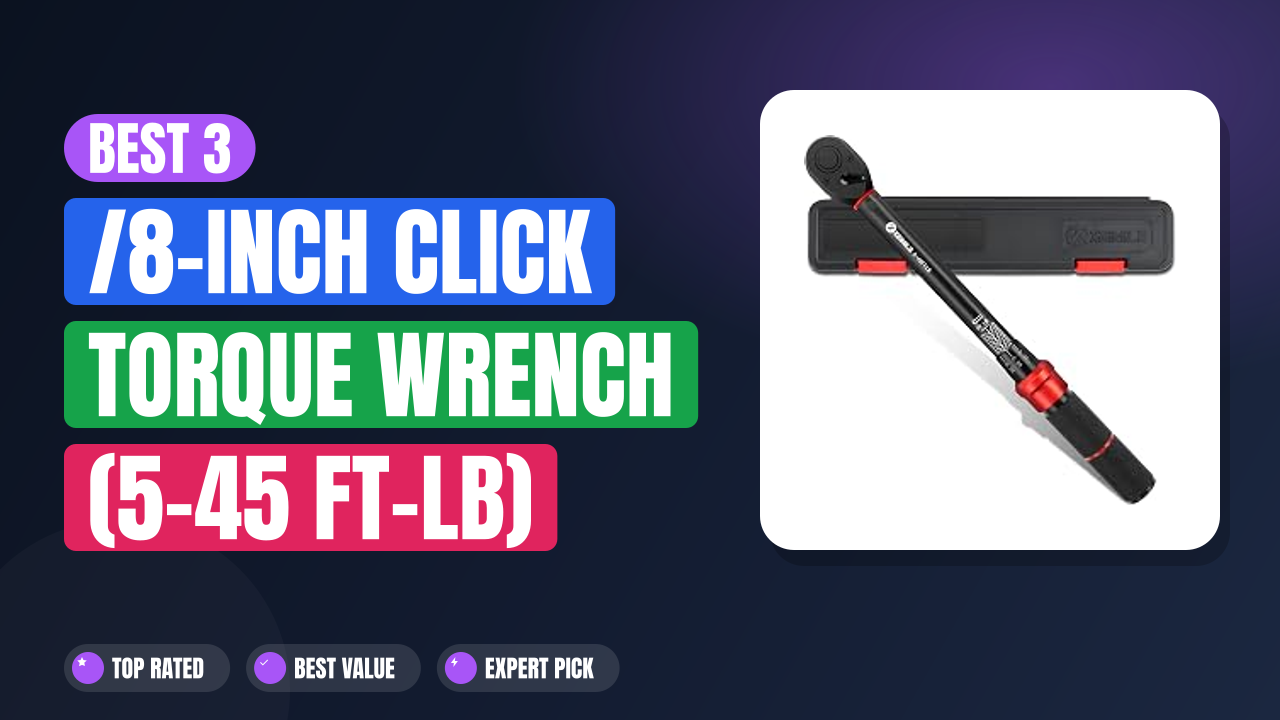
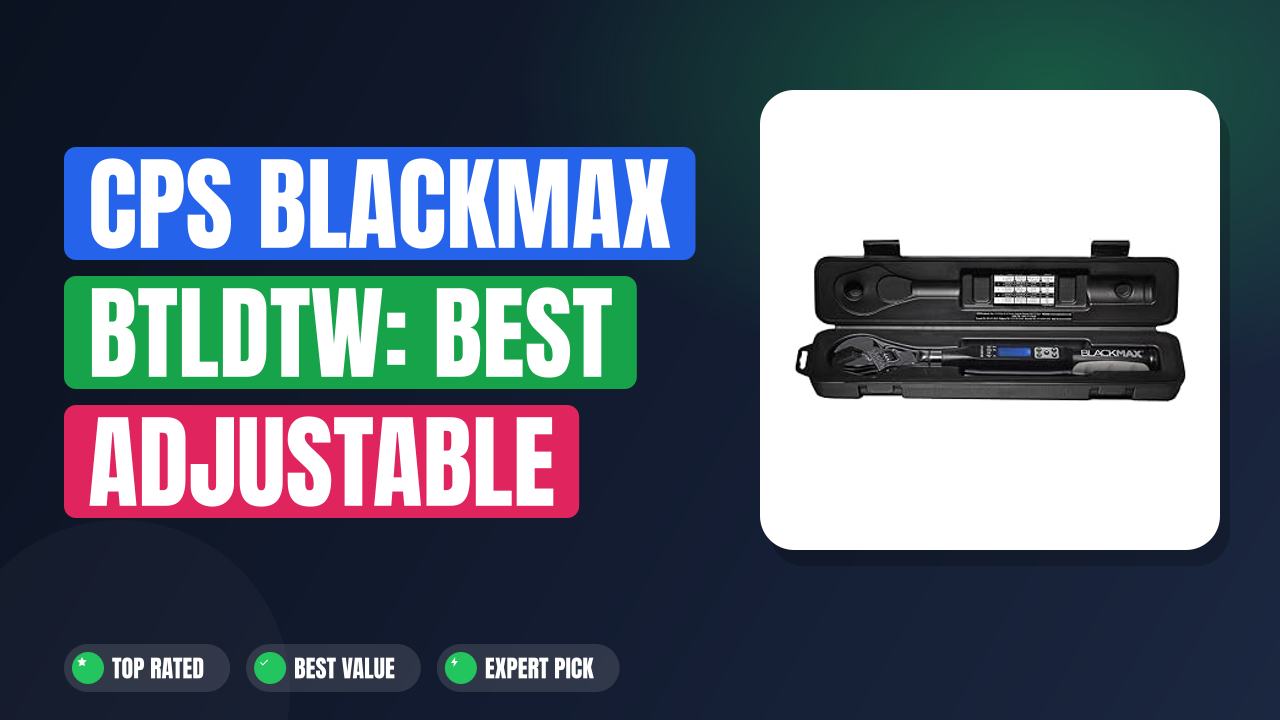
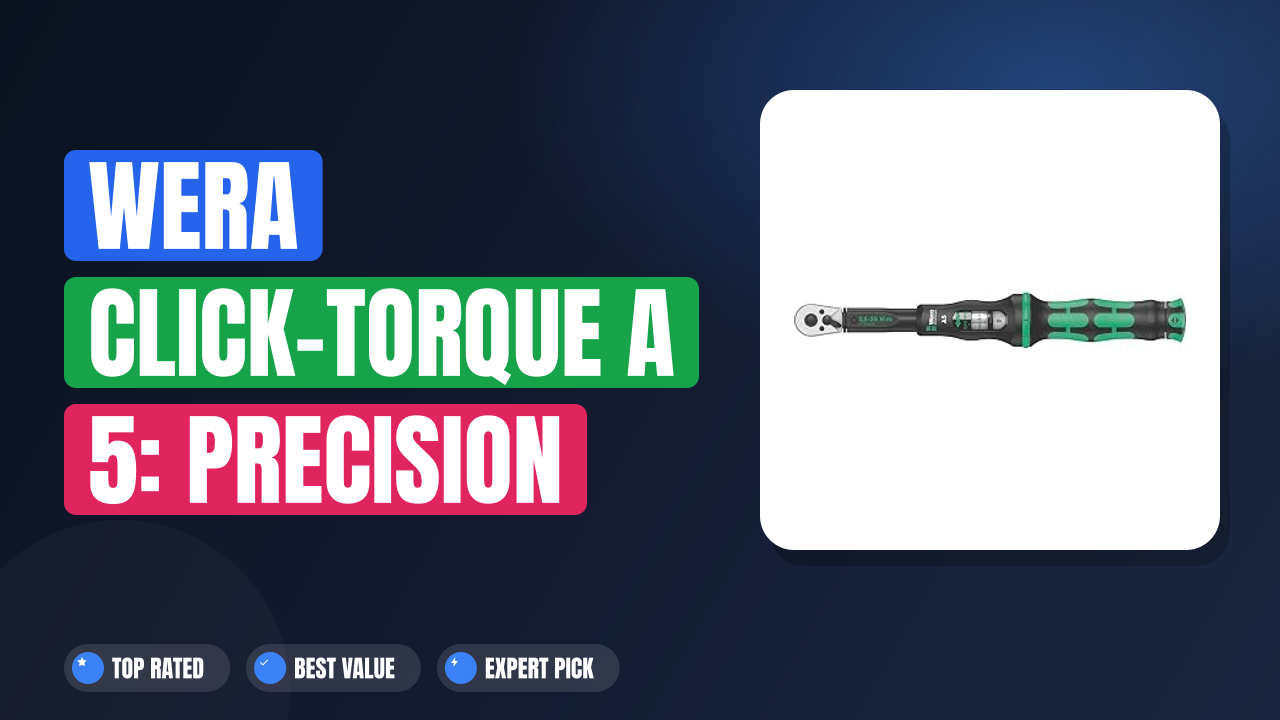
Tekton 3/8-inch drive options provide greater versatility for mixed automotive tasks. Their compact size fits tighter spaces while covering mid-range torque needs effectively. For extreme precision, consider Eastwood’s calibrated series which includes certification documentation upon purchase.
Frequently Asked Questions (FAQ)
Is this wrench safe for changing car tires?
Yes, absolutely. The 50-250 ft-lb range encompasses standard passenger vehicle lug nut requirements, which rarely exceed 120 ft-lbs. Using this tool ensures uniform clamping force across all four wheels.
Proper torque prevents warping rotors or loosening nuts during highway driving speeds. Always consult your owner’s manual for exact specifications before starting.
How do I store it properly?
Keep the wrench unlocked when not in use to preserve spring integrity. Store it upright in a dry location away from moisture sources. Avoid tossing it loosely into drawers where keys or other metals could scratch the finish.
Many users recommend hanging it on pegboard hooks specifically sized for 1/2-inch drives.
Does it come with a certificate?
No individual certificates accompany retail units sold online. Manufacturers certify batches collectively per ASME B107.300 guidelines. Commercial fleets requiring traceability must purchase specialized industrial variants directly from suppliers.
For personal use, periodic verification against known weights suffices for peace of mind regarding accuracy drift.
Can I use it counter-clockwise?
Technically yes, but expect reduced accuracy outside the rated tolerance window. Click-type wrenches optimize performance for clockwise tightening motions only. Loosening bolts risks damaging internal mechanisms if forced improperly.
Use a breaker bar for removal tasks instead. Reserve this tool strictly for final installation steps to maximize lifespan and reliability.
Final verdict
4.7/5 stars. This CRAFTSMAN model delivers dependable performance for everyday automotive enthusiasts without breaking the bank. It fills the niche between disposable imports and boutique professional gear seamlessly.
You gain confidence knowing every bolt receives precise attention during service intervals.
Buyers seeking robustness and simplicity will appreciate its straightforward operation. Those needing micro-adjustments or digital logging should look elsewhere. Overall, it stands out as a smart investment for responsible vehicle ownership practices today.
Affiliate disclosure: This post contains affiliate links. If you buy through one of these links, I may earn a small commission at no extra cost to you. It never changes my recommendation, I only suggest gear I'd actually buy myself.

Similar Posts