How Many Watts is My Factory Car Stereo: Unlock Your Audio Power
Have you ever wondered how many watts your factory car stereo actually has? Knowing this can make a big difference in how you enjoy your music on the road.
Whether you want louder sound, clearer bass, or are thinking about upgrading your system, understanding your stereo’s power is the first step. You’ll discover exactly what those watts mean and how to find out the real power behind your factory car stereo.
Keep reading—you’re about to unlock the secret to better sound every time you drive.
Credit: www.advancedcaraudiosolutions.com
Factory Car Stereo Power Basics
Understanding the power of your factory car stereo helps you know its sound capabilities. Power ratings tell how loud and clear the stereo can play music. Learning basic power terms makes it easier to compare factory stereos with aftermarket options. This knowledge guides you to choose the right upgrades or settings.
Watts And Audio Power
Watts measure the energy a stereo uses to produce sound. Higher watts mean the stereo can deliver louder and clearer audio. Factory stereos usually have lower watt ratings than custom systems. Knowing wattage helps you understand the volume and sound quality your stereo can provide.
Peak Vs Rms Power
Peak power shows the highest watt output the stereo can handle briefly. RMS power is the continuous power the stereo delivers safely over time. RMS is a more realistic number to consider for daily use. Factory stereos often list peak power, which can be misleading.
Why Power Ratings Matter
Power ratings affect how well your stereo performs in different environments. Low power may cause distortion at high volumes. High power ensures clear sound without damage. Knowing power ratings helps you avoid buying a stereo that is too weak or too strong for your car.
Identifying Your Stereo’s Wattage
Knowing the wattage of your factory car stereo helps you understand its power and sound potential. It also guides you when upgrading or adding new audio components. Let’s look at simple ways you can identify your stereo’s wattage without needing special tools or technical skills.
Checking The Owner’s Manual
Your car’s owner’s manual is often the easiest place to find stereo specifications. Look for sections labeled “Audio System” or “Stereo” where power output details are usually listed.
If you don’t have a physical copy, many manufacturers provide digital manuals online. Try searching “[Your Car Model] owner’s manual PDF” to locate it quickly.
Inspecting The Stereo Unit
Sometimes the stereo itself has a label or sticker on the back or inside the faceplate showing wattage information. Carefully remove the stereo if possible, or check any visible areas for markings like “Output: 20W x 4.”
Be cautious not to damage any parts while inspecting. If you spot numbers but aren’t sure what they mean, you can write them down and verify online or with a professional.
Using Online Resources
Websites and forums dedicated to car audio can be goldmines for stereo specifications. Enter your car’s make, model, and year to find community-shared details about factory stereo wattage.
Some sites even provide detailed breakdowns for popular car models. Asking questions in forums might also connect you with owners who have done similar research.
Common Wattage Ranges In Factory Stereos
Factory car stereos come with various wattage levels. These levels affect sound clarity and volume in your vehicle. Knowing common wattage ranges helps you understand your stereo’s power. It also guides you when upgrading or comparing systems.
Wattage in factory stereos usually measures the power output per channel. This power can range from low to high, depending on the car model and audio package. Below are typical wattage ranges found in factory stereos.
Entry-level Systems
Entry-level factory stereos often have lower wattage. They usually offer around 15 to 20 watts per channel. This power level suits basic listening needs. Sound quality is clear but not very loud. These systems are common in budget-friendly or older vehicles.
Mid-range Factory Stereos
Mid-range factory stereos provide better sound and more power. They often deliver between 25 and 50 watts per channel. This range improves volume and audio detail. Many popular cars come with mid-range systems. They balance cost and sound quality well.
Premium Factory Audio
Premium factory audio systems have the highest wattage. They can range from 50 to over 100 watts per channel. These systems offer richer, louder, and clearer sound. Luxury and high-end cars typically include premium audio. They may also feature extra speakers and advanced technology.
Factors Affecting Factory Stereo Power
Understanding the power output of your factory car stereo isn’t just about looking at numbers on a spec sheet. Several key factors influence how much wattage your system can actually deliver and how well it performs. These elements shape the sound quality and volume you experience every time you hit play in your car.
Speaker Quality And Efficiency
Your factory speakers play a major role in how power translates into sound. High-quality speakers with better materials and design can produce louder and clearer audio using less power. Efficiency, often measured in decibels (dB) per watt, tells you how well speakers convert power into sound.
For instance, a speaker rated at 90 dB efficiency will sound louder at the same wattage than one rated at 85 dB. If your factory speakers are lower quality or worn out, they may require more power to reach desired volume levels, yet still sound muddy or distorted. Have you ever cranked your stereo only to hear fuzz? That might be a sign your speakers aren’t keeping up with the amplifier’s power.
Amplifier Limitations
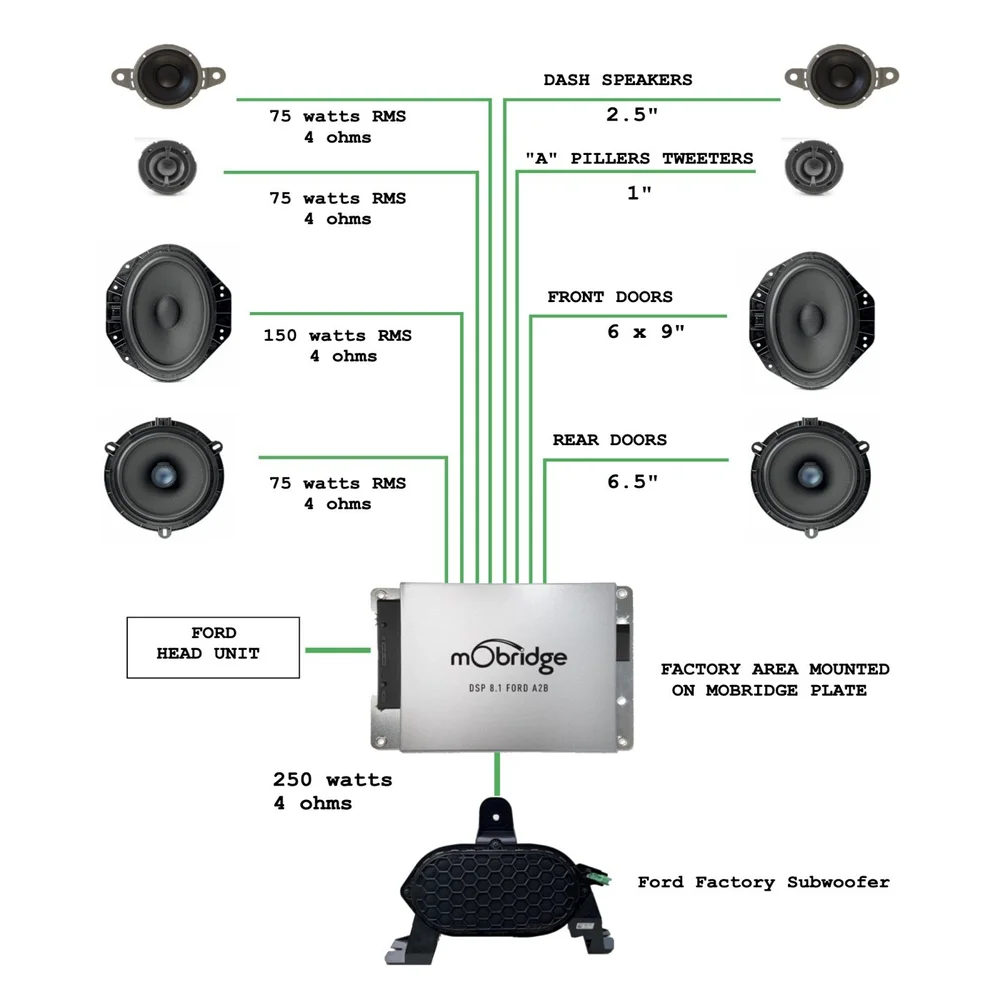
The built-in amplifier in your car stereo sets the upper limit for power output. Factory amps are usually designed to balance cost, size, and power, which means they often provide less wattage than aftermarket options. This limits how loud and dynamic your audio can get without distortion.
Many stock amplifiers run at a continuous power output of 15 to 50 watts RMS per channel, which sounds modest compared to aftermarket amps pushing hundreds of watts. When you push your system past the amp’s limit, it clips the signal, causing distortion and potential speaker damage. Knowing your amp’s capabilities helps you avoid this and make smarter upgrade choices.
Wiring And Installation
Even the best stereo components can underperform if the wiring and installation aren’t up to par. Factory wiring is often designed for cost efficiency and ease of assembly, which may include thinner gauge wires or longer cable runs. These factors increase resistance and reduce the power reaching your speakers.
Poor connections or corroded terminals can further sap power and degrade sound quality. Have you noticed a drop in volume or crackling sounds? Checking and upgrading your wiring can make a surprising difference. Simple improvements like thicker wires or cleaner connections ensure your stereo’s power flows smoothly and efficiently.
Boosting Your Factory Stereo Power
Boosting your factory stereo power can greatly improve your car’s sound quality. Factory systems often have limited wattage and basic speakers. Enhancing power lets you enjoy clearer, louder music without distortion.
Several simple upgrades can increase your stereo’s output. Focus on amplifiers, speakers, and wiring for the best results. Each part plays a key role in delivering stronger sound.
Adding External Amplifiers
External amplifiers provide more power than factory amps. They increase wattage to drive speakers harder and clearer. This upgrade reduces distortion at high volume levels.
Amplifiers come in various sizes and power outputs. Choose one that matches your speaker system’s needs. Installation may require professional help for the best setup.
Upgrading Speakers
Factory speakers often limit sound quality and power handling. Upgrading to aftermarket speakers can improve both. Look for speakers with higher watt ratings and better materials.
Better speakers handle more power and produce richer sound. Consider component speakers for clearer highs and deeper bass. Proper fit is important for easy installation.
Improving Wiring And Components
Wiring affects how efficiently power reaches your stereo system. Using thicker, high-quality wires reduces power loss. This upgrade helps your amplifier and speakers perform better.
Upgrading connectors and fuses also improves system reliability. Clean connections prevent signal loss and interference. Proper grounding minimizes unwanted noise in the audio.

Credit: www.reddit.com
Measuring Your Stereo’s Actual Output
Measuring your factory car stereo’s actual output is key to understanding its true power and performance. Factory ratings often don’t tell the whole story, so testing your system yourself reveals how loud and clear your music can get. Knowing the real wattage helps you decide if an upgrade is worth it or if your current setup meets your needs.
Using A Multimeter
A multimeter can measure the voltage output from your stereo’s speaker wires. You’ll need to set it to measure AC voltage while playing a test tone or music at a steady volume.
Here’s a simple process to follow:
- Disconnect the speaker wire from the speaker to avoid interference.
- Place the multimeter probes on the positive and negative wires.
- Read the voltage value and note it down.
Once you have the voltage, calculate the wattage using the formula: Watts = (Voltage²) / Speaker Impedance. Most factory speakers have an impedance of 4 ohms, but check your manual to be sure.
Employing Sound Level Meters
Sound level meters measure the loudness of your stereo in decibels (dB), which can indirectly indicate power output. You can use a handheld meter or a smartphone app designed for sound measurement.
To get accurate results, measure the dB level from a fixed distance inside your car, preferably with minimal background noise. Play a consistent test tone or your favorite song and note the highest readings.
Comparing these readings with known decibel outputs from similar wattage systems can give you a rough estimate of your stereo’s power. Have you ever noticed how much louder your music seems when you close the windows? That simple change affects sound pressure and can influence your readings.
Professional Audio Testing
If you want precise and reliable measurements, professional audio testing is the best option. Audio specialists use advanced equipment like oscilloscopes and spectrum analyzers to measure output wattage and sound quality.
They can also test under different conditions, such as various volume levels and frequencies, to give a full picture of your stereo’s performance. This service often includes recommendations tailored to your car and listening preferences.
While it may cost more, professional testing can save you money and frustration by guiding you to the right upgrades or adjustments. Have you considered what your stereo might be capable of with expert tuning?
Credit: www.bestcaraudio.com
Frequently Asked Questions
How Can I Find My Car Stereo Wattage?
To find your car stereo’s wattage, check the user manual or manufacturer’s website. Look for specifications under “audio” or “sound system. ” If unavailable, consult a professional or use a multimeter to measure the output. Knowing wattage helps in understanding your stereo’s power and performance.
What Affects Car Stereo Wattage?
Several factors affect car stereo wattage, including the head unit’s power, speaker efficiency, and system configuration. Aftermarket upgrades may increase wattage. Environmental factors like temperature and vehicle acoustics also impact performance. Ensuring optimal conditions and compatibility between components enhances audio experience.
Is Higher Wattage Better For Car Stereos?
Higher wattage often means louder and clearer sound, but it’s not always better. Balance wattage with speaker compatibility and quality. Excessive wattage can damage speakers if mismatched. Consider your listening preferences and vehicle acoustics to decide the right wattage. Quality components ensure superior sound.
Can I Upgrade My Factory Stereo Wattage?
Yes, you can upgrade your factory stereo’s wattage. Install a higher-wattage head unit or add an amplifier. Ensure compatibility with existing speakers to avoid damage. Consider professional installation to optimize performance. Upgrading enhances sound quality, offering a richer listening experience.
Conclusion
Knowing your factory car stereo’s wattage helps choose the right upgrades. It ensures better sound without damaging your system. Most factory stereos have lower wattage than aftermarket ones. This means you might want more power for louder, clearer music. Always check your stereo’s manual or labels for exact numbers.
A little knowledge can improve your listening experience. Keep it simple and enjoy your drives with better sound.