How to Convert Car Stereo to Home Use: Easy Step-by-Step Guide
Have you ever wondered if you could enjoy your car stereo’s powerful sound right in your home? Imagine turning your favorite car audio system into a unique home sound setup without spending a fortune.
You’re about to discover simple steps that make this possible, even if you’re not a tech expert. Keep reading, and you’ll learn how to bring that crisp, booming car sound into your living room, giving your music a fresh, exciting boost.
Ready to transform your audio experience? Let’s dive in!

Credit: www.amazon.com
Gather Required Tools
Before converting a car stereo for home use, gathering the right tools is crucial. These tools ensure a smooth process and help avoid damage to the stereo or your home setup. Preparation saves time and frustration.
Essential Tools And Materials
- Screwdrivers (Phillips and flat-head) for removing and securing screws
- Wire strippers to prepare cables for connections
- Multimeter to check voltage and continuity
- 12V DC power supply or adapter matching the stereo’s power requirements
- RCA cables or speaker wires for audio connections
- Electrical tape or heat shrink tubing for safe insulation
- Mounting brackets or a small enclosure to hold the stereo safely
- Optional: Soldering iron for secure wire joints
Safety Precautions
Always unplug the power supply before working on the stereo. Avoid short circuits by double-checking all connections.
Use insulated tools to reduce the risk of electric shock. Work in a dry, well-lit area to see clearly and stay safe.
Keep flammable materials away from soldering work. Handle wires carefully to prevent damage or injury.

Credit: www.amazon.com
Understand Car Stereo Basics
Understanding the basics of your car stereo is essential before converting it for home use. Car stereos are designed differently than typical home audio systems. Knowing how they work will save you time and prevent damage to your equipment.
Power Requirements
Car stereos run on 12V DC power from a vehicle’s battery. Your home, however, uses 120V or 230V AC power depending on your location.
You’ll need a power supply that converts your home’s AC power to the 12V DC required by the stereo. Not all power supplies are created equal—some provide cleaner power which means less noise in your audio.
Think about the stereo’s current draw too. Check the stereo’s manual or label to find the amperage it needs. Using a power supply that can deliver slightly more than this amps value ensures stable performance and protects the unit.
Audio Connections
Car stereos typically connect to speakers differently than home audio systems. They use speaker wires directly attached to the stereo’s output terminals.
You’ll want to identify the stereo’s speaker outputs and match them to your home speakers or an amplifier. If your speakers require different impedance or power levels, you might need an additional amplifier to avoid damage or poor sound quality.
Some car stereos also have RCA output jacks for connecting external amplifiers. These are handy if you want to hook up a high-quality amplifier for better sound in your home setup.
Prepare Power Supply
Preparing the power supply is a crucial step when converting your car stereo for home use. Car stereos run on 12V DC power, which differs from the standard AC power in your home. Ensuring a stable and safe power source will protect your stereo and enhance its performance.
Choosing A Suitable Adapter
You need a power adapter that converts your home’s 120V or 240V AC outlet to 12V DC. Look for an adapter that provides the correct voltage and enough current to run your stereo without overheating or shutting down.
Check the stereo’s manual or back panel to find its current requirements, usually listed in amps (A). It’s smart to choose an adapter with a slightly higher current rating than your stereo needs to avoid strain on the power supply.
For example, if your stereo requires 3 amps, a 4-5 amp adapter gives you a safety margin. Also, consider an adapter with built-in protection features like short circuit or overload protection for added safety.
Wiring The Power Source
Wiring the power source correctly is essential to prevent damage and ensure reliable operation. Use a power supply with a proper plug or cut the adapter’s wire to connect directly using insulated connectors.
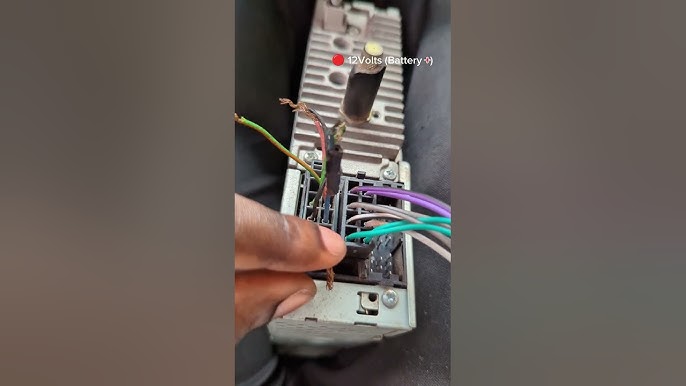
Connect the positive (+) wire from the adapter to the stereo’s red wire, and the negative (-) wire to the stereo’s black wire. Double-check the polarity before powering up; reversing it can damage your stereo instantly.
Secure all connections with electrical tape or heat shrink tubing to avoid shorts or loose contacts. Have you tested the voltage output with a multimeter? This quick step helps you confirm everything is wired correctly before plugging in your stereo.
Connect Audio Outputs
Connecting the audio outputs of your car stereo for home use is a crucial step to ensure you get clear and powerful sound. Understanding which wires to connect and how to handle them can save you a lot of frustration. Let’s break down how you can identify the right wires and choose between RCA or speaker wires for the best audio experience.
Identifying Audio Output Wires
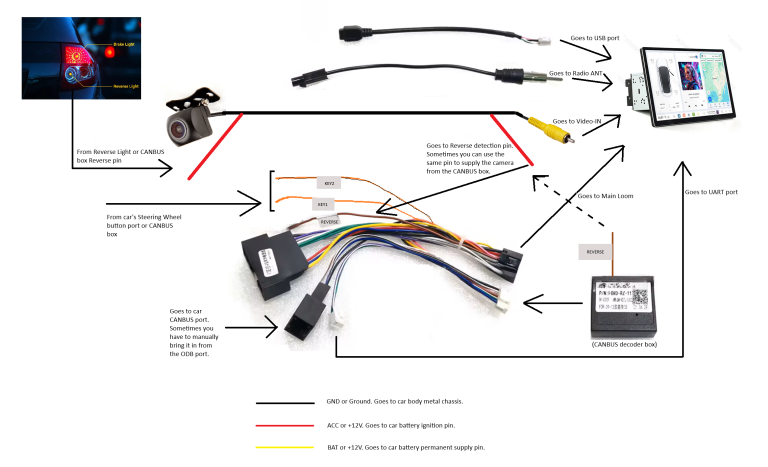
Start by checking the back of your car stereo for the audio output wires. Typically, these are color-coded to help you distinguish between left and right channels. Look for pairs of wires—usually, red and white or black—that indicate audio output.
Sometimes, car stereos have labeled connectors or a wiring diagram printed on the unit or in the manual. If you don’t have the manual, a quick online search with your stereo’s model number often provides a wiring guide. Have you ever tried guessing wires without a guide? It rarely ends well.
Make sure you separate the audio output wires from power or speaker wires to avoid damage. Use a multimeter if you want to be extra sure which wires carry the audio signals. This step prevents noise or shorts that can ruin your listening experience.
Using Rca Or Speaker Wires
Car stereos usually output sound through speaker wires, but home audio systems often use RCA connections. You can convert speaker wire outputs to RCA inputs with a simple adapter. This makes connecting to your home amplifier or speakers easier and safer.
If your stereo has RCA outputs, connect them directly to your home audio system’s RCA inputs. These connectors are usually color-coded—red for right channel and white for left channel. Using RCA cables keeps the signal stable and reduces interference.
For speaker wire outputs, match the positive and negative terminals carefully. Incorrect connections can cause poor sound quality or even damage the equipment. Have you noticed a hum or distortion after hooking up your stereo? That usually means the wiring isn’t quite right.
- Use RCA adapters if your home system only accepts RCA inputs
- Label wires to avoid confusion during setup
- Test connections with low volume before full use
Connecting audio outputs correctly makes a big difference in sound quality. Take your time to identify and connect wires properly. Your ears will thank you.
Set Up Grounding
Setting up proper grounding is essential when converting a car stereo for home use. Grounding ensures the system works safely and without noise. Without a good ground, you may experience humming sounds or even damage to your equipment.
Importance Of Proper Ground
A solid ground connection prevents electrical interference and noise. It protects the stereo from power surges and shorts. Proper grounding helps maintain clear sound quality. It also reduces the risk of electrical shock or damage. Grounding stabilizes the electrical current flow for steady performance.
Methods To Ground The Stereo
Choose a clean, unpainted metal surface near the stereo as a ground point. Use a short, thick wire to connect the stereo ground terminal to this surface. Secure the wire with a screw or bolt to ensure good contact.
- Attach the ground wire to a metal part of the home amplifier chassis.
- Use a grounding rod or metal water pipe if available for a stronger ground.
- Check connections for tightness and corrosion regularly.
Test the system after grounding to check for any hum or noise. Adjust the ground connection location if needed. Proper grounding improves sound clarity and protects your equipment for long-term use.
Test The System
Testing your converted car stereo system is crucial before full use. This step confirms that power and sound components work properly. It helps catch any wiring mistakes or hardware issues early. Testing also ensures a safe and enjoyable listening experience at home.
Power On Checks
Start by connecting the power supply carefully. Check all wires and connections again to avoid shorts. Turn on the stereo and look for any signs of power. The display should light up and buttons should respond. Listen for any unusual noises like buzzing or clicking. If the unit does not power on, double-check the fuse and voltage. Make sure the power source matches the stereo’s requirements.
Audio Quality Testing
Play a variety of audio tracks to test sound quality. Use different volumes to detect distortion or crackling sounds. Check that all speakers produce clear sound without delay. Adjust bass, treble, and balance controls to verify functionality. Notice any static or interference that might come from wiring. Test both radio and auxiliary inputs for consistent audio output. Proper audio quality confirms a successful conversion and setup.
Mount And Secure Stereo
Mounting and securing your car stereo for home use is a crucial step that affects both its functionality and safety. Without a stable setup, you risk damaging the stereo or creating an unstable environment that affects sound quality. Taking the time to choose the right spot and use effective mounting techniques ensures your stereo not only looks good but performs well too.
Choosing A Suitable Location
Think about where you want to place your stereo in your home. It should be a spot close to power outlets and speakers to avoid messy wires. Also, consider a location with good ventilation to prevent overheating during long listening sessions.
Have you checked if the surface is sturdy enough to hold the stereo? A solid shelf or table works best. Avoid placing it near sources of moisture or direct sunlight, as these can damage the stereo’s components over time.
Mounting Techniques
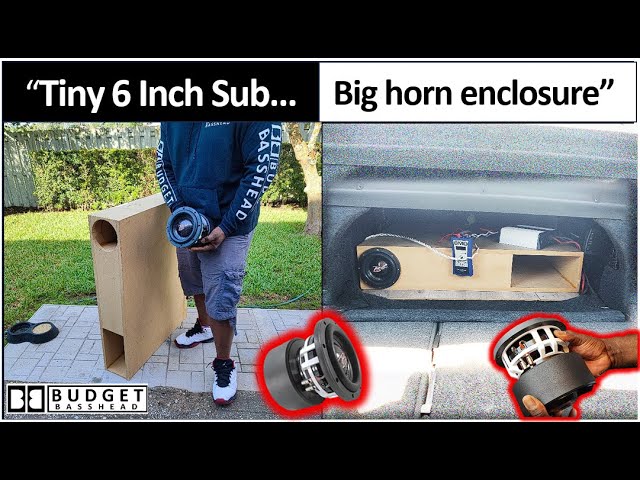
To secure your stereo, you can use mounting brackets or build a custom enclosure. Brackets are easy to install and keep the stereo firmly in place, reducing vibrations that affect sound quality.
If you want a cleaner look, try a small wooden box or frame that fits your stereo perfectly. Padding inside the box can protect the stereo from shocks. Remember to leave enough space for cables and ventilation.
- Use screws or bolts that match the stereo’s mounting holes for a tight fit.
- Check the stability by gently shaking the setup; it should not move or wobble.
- Secure loose cables with zip ties to prevent accidental tugs or trips.
What’s your priority—easy access or hidden wiring? Your mounting choice should reflect how often you plan to adjust settings or connect devices. Balancing convenience with security will make your home stereo setup both practical and enjoyable.
Credit: www.youtube.com
Frequently Asked Questions
How Do I Power A Car Stereo At Home?
To power a car stereo at home, use a 12V DC power supply with adequate amperage. Connect the positive and negative terminals carefully to avoid damage.
Can I Connect Car Speakers To A Home Stereo System?
Yes, car speakers can connect to a home stereo, but you may need an amplifier or adapter. Ensure impedance compatibility for optimal sound quality.
What Adapters Are Needed For Home Use Car Stereos?
You need a 12V power adapter and RCA cables for audio connections. Some setups may require a speaker wire adapter or Bluetooth receiver.
Is It Safe To Use A Car Stereo Indoors?
Yes, it is safe if you use a proper power supply and avoid electrical hazards. Ensure all wiring is insulated and connections are secure.
Conclusion
Converting a car stereo for home use is practical and fun. It saves money and gives old equipment new life. You just need some basic tools and patience. Follow the steps carefully for success. Check your connections for safety. Enjoy the enhanced sound in your home.
Share your experience with friends. Inspire others to try this simple project. Remember, DIY projects can be rewarding. They bring personal satisfaction and creativity. Happy listening and enjoy your new home stereo setup!