
How to Hook Up a Car Amplifier: Easy Steps for Perfect Sound
Are you ready to take your car audio to the next level? Hooking up a car amplifier can transform your sound system, giving you richer bass and clearer music.
But if you’re not sure where to start, it can feel confusing and overwhelming. Don’t worry—this guide will walk you through every step, making the process simple and doable. By the end, you’ll know exactly how to connect your amplifier safely and correctly, so you can enjoy powerful sound on every drive.
Keep reading, and get ready to boost your car’s audio like a pro!
Choosing The Right Amplifier
Choosing the right amplifier is crucial for getting the best sound quality from your car audio system. An amplifier that doesn’t match your speakers or power needs can lead to poor performance or even damage. Understanding how to pick the right one helps you avoid costly mistakes and ensures your music sounds clear and powerful.
Matching Amplifier To Speaker Power
Your amplifier’s power output should closely match your speaker’s power handling capacity. If the amplifier is too weak, your speakers won’t reach their full potential. On the other hand, an amplifier that’s too powerful can blow your speakers if you’re not careful.
Check the RMS (continuous power) ratings for both the amplifier and speakers. Aim to match these numbers as closely as possible. This balance helps your system stay safe and sound, literally.
Considering Amplifier Classes
Amplifiers come in different classes, each with its own pros and cons. Class A amps offer high sound quality but can get hot and use more power. Class D amps are more efficient and compact but might not have the same audio purity.
Think about what matters more to you: efficiency or pure sound quality. For most car audio setups, Class D amps strike a great balance, especially if space and power consumption are concerns.
Selecting The Correct Size
The physical size of the amplifier matters too. You need something that fits comfortably in your car without interfering with other components. Larger amps often mean more power, but they can be harder to install.
Measure your available space before buying. Remember, a well-sized amp is easier to wire and cool, which keeps your system reliable over time.
Credit: www.diymobileaudio.com
Gathering Necessary Tools And Materials
Before installing a car amplifier, gathering the right tools and materials is crucial. Having everything ready saves time and avoids frustration during the process. This step ensures a smooth and safe installation.
Essential Wiring Components
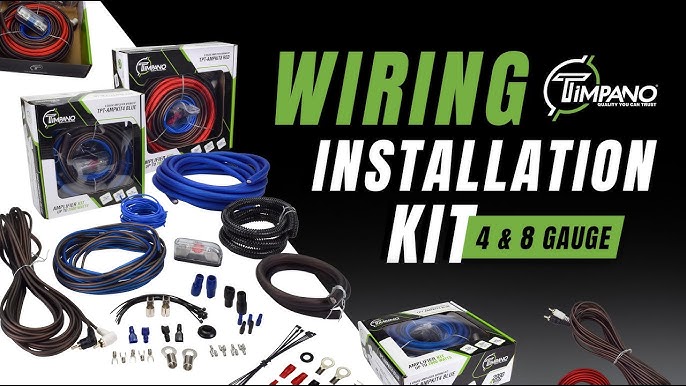
- Power wire with appropriate gauge
- Ground wire of matching thickness
- Remote turn-on wire
- RCA cables for audio signal
- Fuse holder and fuse
- Speaker wires
- Wire connectors and terminals
- Electrical tape and heat shrink tubing
Required Installation Tools
- Wire stripper and cutter
- Crimping tool
- Screwdrivers (flathead and Phillips)
- Socket wrench set
- Multimeter for testing
- Drill with bits (if mounting is needed)
- Panel removal tools
Safety Equipment
- Insulated gloves to prevent shocks
- Safety glasses to protect eyes
- Fire extinguisher nearby for emergencies
Preparing The Car Audio System
Preparing the car audio system is a crucial step before installing a car amplifier. This phase ensures safety and creates a solid foundation for a smooth installation. Taking time to prepare will save effort and prevent damage to your vehicle or audio components.
Proper preparation also helps in organizing wires and parts. It makes the final setup cleaner and more efficient. Follow these important tasks carefully for the best results.
Disconnecting The Battery
Start by disconnecting the car battery to prevent electrical shorts. Use a wrench to remove the negative terminal first. This step stops any current flow and protects both you and the car’s electronics. Never skip this safety measure.
Locating Installation Space
Find a suitable place for the amplifier inside your vehicle. Common spots include under seats or in the trunk. Check for enough room to fit the amplifier without blocking vents or controls. The location should allow easy access to wiring points.
Planning Wire Routes
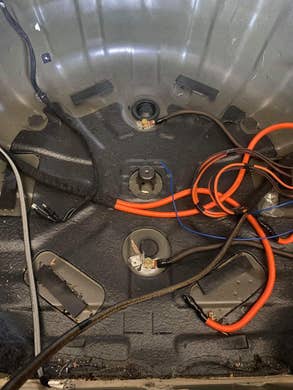
Plan the path for power, ground, and audio wires before starting. Avoid sharp edges and moving parts that can damage the cables. Keep wires away from heat sources and metal objects. Use clips or ties to secure wires neatly along the route.
Wiring The Amplifier
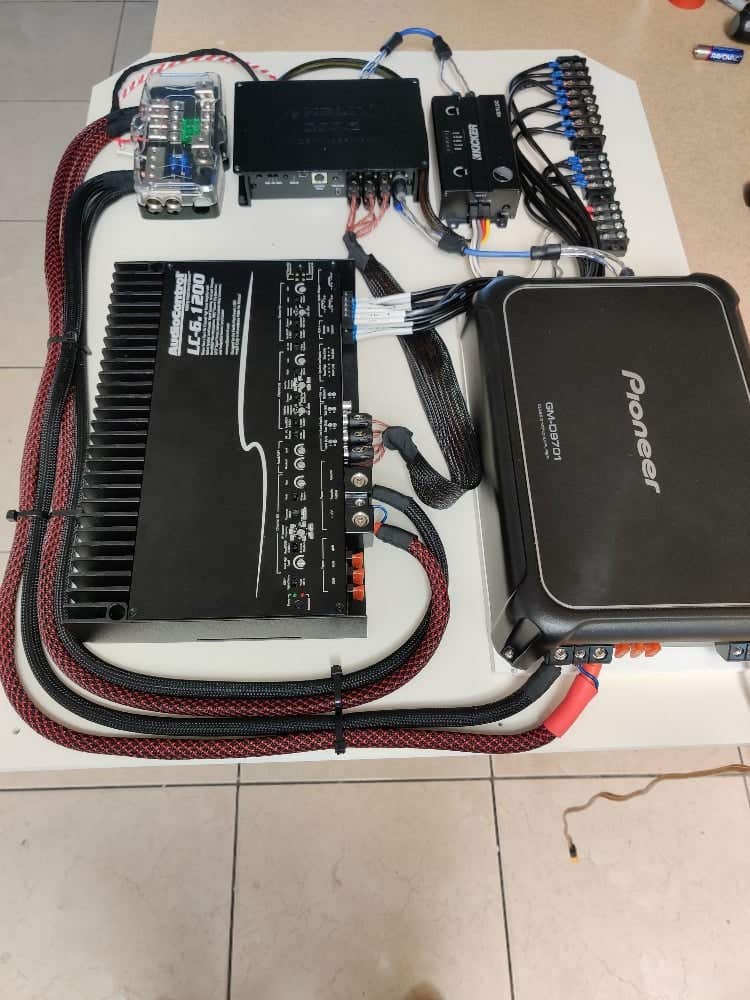
Wiring your car amplifier correctly is crucial for getting the best sound quality and protecting your equipment. Each wire plays a specific role, and proper connections ensure your system runs smoothly without shorts or power loss. Let’s break down the essential wiring tasks to get your amplifier up and running.
Connecting Power And Ground Wires
Your amplifier needs a solid power source and a reliable ground to function properly. Use a thick power wire (usually 8 or 4 gauge) connected directly to your car battery’s positive terminal. Make sure to add an inline fuse close to the battery to protect against electrical shorts.
For grounding, find a clean metal spot on your car’s chassis. Scrape away any paint or rust to ensure good contact. A poor ground can cause noise or even damage your amplifier, so take time to secure this connection firmly.
Hooking Up The Remote Turn-on Wire
The remote turn-on wire signals your amplifier to power on when your stereo is active. Connect this thin wire to the remote turn-on lead from your head unit or stereo system. It usually carries a 12V signal only when the stereo is on, helping prevent battery drain.
If your head unit lacks a remote turn-on output, you might tap into the ignition switch or use a relay. This step might seem small, but without it, your amp won’t know when to start, leaving you with silence when you want to listen.
Installing Rca Cables
RCA cables carry the audio signal from your stereo to the amplifier. Use high-quality shielded RCA cables to avoid interference and static noise. Connect them firmly from the head unit’s RCA output to the amplifier’s input jacks.
Keep RCA cables away from power wires to minimize noise. Running them on opposite sides of your vehicle or using cable ties to separate them can make a noticeable difference in sound clarity.
Connecting Speaker Wires
Speaker wires transfer the amplified audio signal from your amp to the speakers. Choose wires with the right gauge (usually 16 or 14 gauge) depending on the distance and speaker power. Connect positive and negative terminals carefully to avoid phase issues that affect sound quality.
Double-check your speaker wire connections before powering up. A loose or reversed wire can cause weak or distorted sound, making your setup frustrating instead of enjoyable.
Mounting The Amplifier
Mounting the amplifier correctly is essential for both performance and safety. A well-mounted amplifier stays stable during driving and avoids damage. The location and method of mounting affect how the amplifier works and how long it lasts.
Choosing A Secure Location
Select a spot that holds the amplifier firmly. Common places include under seats or in the trunk. Make sure the surface is flat and strong enough to support the amplifier’s weight. Avoid areas where the amplifier can move or shake during travel.
Avoiding Heat And Moisture
Keep the amplifier away from heat sources like the engine or exhaust. High temperatures can cause the amplifier to overheat and fail. Avoid damp or wet areas to prevent electrical shorts and corrosion. Ventilation is important; the amplifier needs air to stay cool.
Fixing The Amplifier In Place
Use screws or brackets to secure the amplifier. Check that the mounting hardware fits the amplifier’s holes. Tighten screws enough to hold the amplifier without cracking its case. Double-check the amplifier does not move or rattle after mounting.

Credit: www.youtube.com
Adjusting Amplifier Settings
Adjusting your car amplifier settings is crucial to getting the best sound quality from your audio system. It’s not just about turning knobs randomly but understanding what each control does and how it impacts your listening experience. Taking the time to fine-tune these settings can make a noticeable difference, whether you’re into deep bass or crystal-clear highs.
Setting Gain Levels
The gain control on your amplifier isn’t a volume knob—it adjusts the input sensitivity. Setting it too high can cause distortion, while too low might result in weak sound. Start by turning the gain down, play music at a moderate volume, and slowly increase it until the sound is clear without any clipping.
Think about the quality of your source unit. If it outputs a weak signal, you might need a higher gain setting. But if you’re using a high-quality head unit, keep the gain lower to avoid noise. Have you ever heard a harsh, distorted sound at high volumes? That’s usually a sign the gain is set too high.
Tuning Bass And Treble
Bass and treble adjustments let you shape the tone of your music. Boosting bass adds punch to drums and lows, while raising treble enhances vocals and cymbals. However, too much boost can muddy the sound or make it harsh, so adjust carefully.
Try small increments—add a little bass, then listen. Does it sound fuller or overwhelming? Then tweak the treble to balance. Your car’s acoustics affect these settings, so what sounds perfect in one vehicle may need changes in another.
Configuring Crossover Filters
Crossover filters decide which frequencies go to your speakers and subwoofers. A low-pass filter sends only bass frequencies to the subwoofer, while a high-pass filter blocks low frequencies from smaller speakers to protect them. Proper crossover settings prevent distortion and speaker damage.
Set the crossover points based on your speaker specs. For example, if your subwoofer handles up to 120Hz, set the low-pass filter there. This keeps the subwoofer focused on bass without muddling the mids. Have you checked your speaker manual for recommended crossover frequencies? It’s a simple step that can save your gear and improve sound clarity.
Testing The System
Testing your car amplifier system is the moment you see if all your hard work paid off. It’s where you make sure everything powers on correctly, sounds clear, and delivers the quality you want. Skipping this step can leave you with issues that are tricky to fix later.
Powering On And Initial Checks
Start by turning on your car’s ignition and then the amplifier. Watch for any warning lights or unusual noises.
Check all connections again—loose wires often cause power problems. Make sure the remote turn-on wire is connected; without it, your amp won’t switch on with the car.
If the amplifier doesn’t power up, double-check the fuse and the battery connection. It’s easy to overlook a blown fuse after installation.
Listening For Distortion
Play a familiar track at a moderate volume to test for distortion. Listen closely for any crackling, buzzing, or muffled sounds.
Distortion often points to wiring issues, incorrect gain settings, or speaker problems. Have you adjusted the gain too high? Lower it gradually until the sound clears up.
Try different music genres to spot distortion under various frequencies. This helps ensure your system handles all types of audio well.
Fine-tuning Sound Quality
Once the sound is clean, adjust the bass, treble, and balance to suit your taste. Small changes here can dramatically improve your listening experience.
Use your car’s acoustic environment to guide adjustments. Hard surfaces reflect sound differently than soft ones, so tune accordingly.
Don’t rush this step. Take your time and test your settings over several drives to find the perfect sound. What’s your favorite song to test car audio? Try it out and notice the difference.
Maintaining The Amplifier
Maintaining your car amplifier is essential to keep your sound system performing at its best. Neglecting upkeep can lead to poor audio quality, connection issues, or even permanent damage. Simple care routines can extend your amplifier’s life and ensure every drive sounds crisp and powerful.
Regular Cleaning Tips
Dust and dirt can easily accumulate on your amplifier, affecting its performance. Use a soft, dry cloth to wipe down the exterior regularly. Avoid spraying any liquids directly onto the amplifier to prevent moisture damage.
For stubborn dust inside vents or crevices, a can of compressed air works wonders. Blowing out dirt helps maintain proper airflow and cooling. Have you ever noticed your amplifier getting unusually warm? Cleaning the vents might be the simple fix.
Checking Connections
Loose or corroded connections cause signal loss and poor sound quality. Regularly inspect all wires and terminals to ensure they are tight and free of corrosion. If you spot any frayed wires, replace them immediately to avoid shorts or electrical hazards.
Try gently tugging on each connection; if it feels loose, tighten it carefully. Also, make sure connectors are clean and free from dirt buildup. Do you hear crackling or intermittent sound? Faulty connections could be the culprit.
Protecting Against Overheating
Amplifiers generate heat, especially during heavy use. To prevent overheating, ensure your amplifier is mounted in a well-ventilated area. Avoid stacking equipment tightly or placing the amplifier near heat sources.
Consider installing a cooling fan if you notice the amplifier frequently gets hot. Overheating can cause your amplifier to shut down or suffer internal damage. Have you checked the temperature of your amplifier after a long drive? Keeping it cool protects your investment.
Credit: www.diymobileaudio.com
Frequently Asked Questions
How Do I Connect A Car Amplifier To The Battery?
Connect the amplifier’s power wire directly to the positive battery terminal. Use a fuse within 18 inches for safety. Ground the amplifier to a clean metal surface in the car. This ensures stable power and prevents electrical issues.
What Wires Are Needed To Hook Up A Car Amplifier?
You need a power wire, ground wire, remote turn-on wire, and RCA cables. The power wire connects to the battery, ground wire to the chassis, remote wire to the head unit, and RCA cables carry audio signals.
Where Should I Ground My Car Amplifier?
Ground the amplifier to a bare metal spot close to the unit. Remove paint or rust to ensure a clean connection. A poor ground can cause noise and performance issues in your system.
Can I Hook Up A Car Amplifier Without Rca Cables?
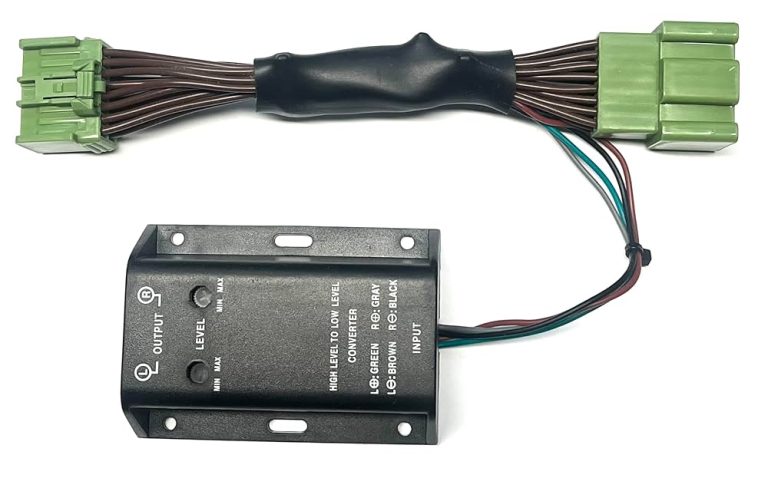
Yes, if your head unit has speaker-level outputs, use a line output converter. This converts speaker signals to RCA-level inputs. However, RCA cables provide better sound quality and less noise.
Conclusion
Connecting a car amplifier enhances your music experience. With these steps, it’s easy. Start by gathering all necessary tools and parts. Follow the wiring instructions closely to avoid errors. Secure connections ensure quality sound. Test the system thoroughly after installation.
Troubleshooting helps fix any issues quickly. Remember, patience and attention to detail matter. Enjoy your upgraded audio system with clear, powerful sound. It’s rewarding to hear the difference. Keep exploring and learning. Your car rides will never be the same.
Music will feel alive and exciting. Enjoy every beat and note. Safe travels with great tunes!