
How to Hook Up Car Speakers to Amp: Easy Steps for Perfect Sound
Are you ready to take your car’s sound system to the next level? Knowing how to hook up car speakers to an amp can transform your driving experience with richer, clearer music.
But if you’re not sure where to start, it can feel confusing and overwhelming. Don’t worry—you’re in the right place. This guide will walk you through the steps in a simple, straightforward way, so you can get powerful sound without the hassle.
Keep reading, and soon you’ll be enjoying your favorite tunes like never before.
Choosing The Right Amp And Speakers
Choosing the right amplifier and speakers is crucial to get the best sound quality from your car audio system. If these components don’t work well together, you might face distortion, poor volume, or even damage to your equipment. Understanding how to pair them correctly saves you money and delivers the sound experience you want.
Matching Power Ratings
Look at the power ratings on both the amp and the speakers. The amplifier’s RMS (continuous power output) should closely match the speaker’s RMS rating. If the amp is too weak, your sound will be distorted at high volumes.
On the other hand, an amplifier that is too powerful can damage your speakers if you push the volume too high. For example, if your speakers handle 50 watts RMS, choose an amp that delivers between 40 and 60 watts RMS per channel. This keeps your sound clear and safe.
Selecting Speaker Types
Decide whether you want coaxial or component speakers. Coaxial speakers are easier to install because they combine tweeters and woofers in one unit. Component speakers separate these parts, giving you better sound quality and control but requiring more setup effort.
Think about your music style and how much space you have in your car. Bass lovers might want subwoofers paired with an amp that can handle low frequencies well. Midrange or treble-focused listeners might prefer a system that emphasizes clarity and detail.
Considering Impedance Compatibility
Speakers and amps have impedance ratings measured in ohms. Your amp will perform best when its output impedance matches the speakers’ impedance. Mismatched impedance can cause overheating or poor sound quality.
Most car speakers are 4 ohms, and many amplifiers are designed to handle that load. Check your amp’s specifications to ensure it supports the speaker impedance you plan to use. If your amp can handle multiple impedance levels, use the one closest to your speakers’ rating for best results.
Gathering Required Tools And Materials
Gathering the right tools and materials is the first step to hook up car speakers to an amplifier. Having everything ready avoids delays and mistakes. It also makes the process smoother and faster. This section covers the essential wiring parts, safety gear, and extra accessories needed.
Essential Wiring Components
- Speaker wire: Connects speakers to the amplifier.
- Power wire: Supplies power from the battery to the amp.
- Ground wire: Connects the amp to the car’s chassis for safety.
- Fuse holder and fuse: Protect the system from electrical surges.
- RCA cables: Transfer audio signals from the head unit to the amp.
- Wire connectors and terminals: Secure wire connections.
Safety Equipment
- Gloves: Protect your hands from sharp edges and wires.
- Safety glasses: Shield your eyes from debris and sparks.
- Multimeter: Check electrical connections and voltages safely.
- Insulation tape: Prevent short circuits by covering exposed wires.
Additional Accessories
- Cable ties: Keep wires neat and organized.
- Wire stripper: Remove insulation cleanly for better connections.
- Screwdrivers: Tighten or loosen screws on terminals and mounts.
- Heat shrink tubing: Protect and insulate wire joints.
Preparing Your Car Audio System
Preparing your car audio system is essential before connecting speakers to an amplifier. This process ensures safety and prevents damage to your vehicle’s electrical components. Taking time to prepare helps achieve better sound quality and a smooth installation.
Start by creating a clean workspace inside your car. Gather tools like screwdrivers and wire cutters. Clear any clutter around the doors and panels where you will work.
Disconnecting The Battery
Disconnect the car battery to avoid electrical shocks or shorts. Locate the negative terminal and use a wrench to loosen the bolt. Remove the cable and secure it away from the battery. This step protects you and the car’s electronics during installation.
Removing Speaker Panels
Carefully remove the speaker panels to access the existing speakers and wiring. Use a panel removal tool or flat screwdriver to pry off the panels without damage. Keep all screws and clips safe for reassembly. This step exposes the area for connecting your new amplifier and speakers.
Inspecting Existing Wiring
Check the current wiring for any signs of wear or damage. Look for frayed wires, loose connections, or corrosion. Replace or repair any faulty wires to ensure a solid connection. Proper wiring prevents sound issues and electrical problems once the system is connected.
Wiring Speakers To The Amplifier
Wiring your car speakers to the amplifier is a key step for clear, powerful sound. Proper wiring ensures good signal flow and avoids distortion or damage. Careful handling of wires and connections helps maintain sound quality and safety.
Follow each step to connect your speakers correctly. Use the right wire gauge and secure all connections tightly. This keeps your audio system working smoothly.
Running Speaker Wires
Choose speaker wires that match your amplifier’s power output. Thicker wires carry more power and reduce signal loss. Run wires away from power cables to avoid interference.
Use the car’s existing wire channels or create your own path. Keep wires neat and avoid sharp bends. This prevents damage and keeps installation tidy.
Connecting Positive And Negative Terminals
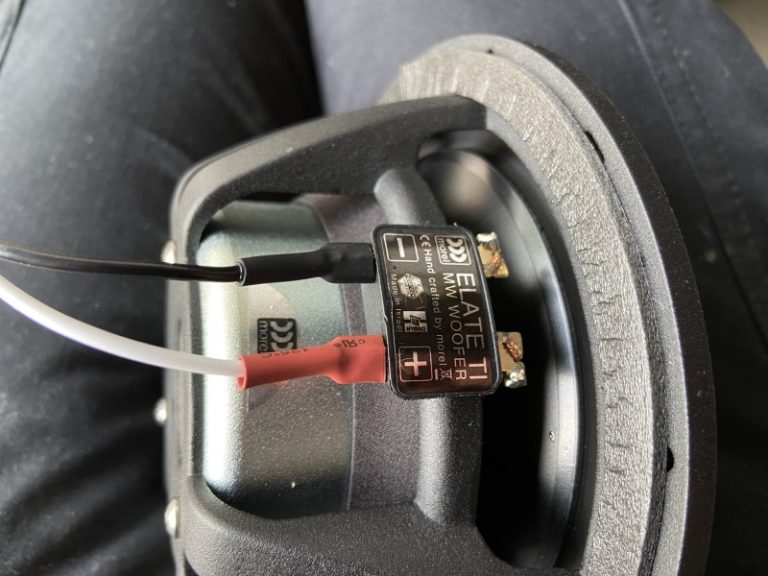
Identify the positive (+) and negative (–) terminals on both the amplifier and speakers. Match the positive wire to the positive terminal and negative wire to the negative terminal.
Incorrect connections can cause poor sound or speaker damage. Many wires have a stripe or color code for easy identification. Double-check connections before powering the system.
Securing Wire Connections
Use quality connectors, such as crimp terminals or solder joints, for strong connections. Avoid twisting wires together without proper connectors. Loose connections cause sound loss and electrical shorts.
Wrap connections with electrical tape or heat shrink tubing. This protects from moisture and prevents short circuits. Check all connections for tightness and stability before use.
Connecting The Amplifier To Power
Connecting the amplifier to power is a key part of setting up your car audio system. It ensures the amplifier gets enough electricity to boost your speakers’ sound. Proper power connection keeps your system safe and working well. Follow clear steps for a strong, reliable power link.
Routing Power Wire From Battery
Start by choosing a thick power wire. Use wire size based on your amplifier’s power needs. Run the wire from the positive battery terminal. Keep it away from sharp edges and moving parts. Use wire loom or conduit to protect it. Secure the wire along the car frame with zip ties. This avoids loose or dangling wires.
Installing Inline Fuse
Place an inline fuse holder close to the battery. The fuse protects your system from power surges. Choose a fuse rated for your amplifier’s maximum current. Cut the power wire and insert the fuse holder. Connect the fuse holder securely on both ends. Always check the fuse condition before powering up.
Grounding The Amplifier
Grounding stops electrical noise and ensures safety. Find a bare metal spot near the amplifier. Sand the spot to remove paint and rust. Use a short ground wire of the same gauge as power wire. Attach the ground wire tightly to the metal surface. A good ground connection helps your amplifier work better.

Credit: www.reddit.com
Setting Up Signal Connections
Setting up the signal connections between your car speakers and amplifier is a key step that determines sound quality and system performance. It’s not just about plugging cables in; it’s about ensuring clean, strong signals flow smoothly. A solid connection reduces noise, distortion, and helps your amp deliver the best power to your speakers.
Using Rca Cables
RCA cables carry the audio signal from your head unit to the amplifier. Choose good-quality, shielded RCA cables to minimize interference from your car’s electrical system.
Make sure the RCA cables match the input jacks on your amp—white or black for left channel, red for right channel. Avoid running these cables near power wires to prevent unwanted humming noises.
Think about the cable length too; longer cables can pick up more noise, so keep them as short as possible. I once experienced a buzzing sound simply because my RCA cables ran too close to the power cable, and moving them fixed it immediately.
Connecting Remote Turn-on Wire
The remote turn-on wire signals the amplifier to power on only when your head unit is active. This prevents your amp from draining the car battery when the audio system is off.
Locate the remote turn-on output from your head unit, usually a blue wire, and connect it to the amplifier’s remote input. Double-check the connection for a secure fit to avoid intermittent power issues.
Ever wondered why your amp stays on even after you turn off the car? It’s often a missed or faulty remote turn-on wire connection causing constant power draw. Fixing this saves battery life and ensures your system behaves properly.
Adjusting Input Sensitivity
Input sensitivity controls how much signal your amplifier needs to reach full power output. Setting it too high can cause distortion, while too low results in weak sound.
Start by turning the sensitivity knob to the lowest setting. Play music at a moderate volume, then slowly increase the input sensitivity until you hear clear sound without distortion.
Remember, your goal is to match the amp’s input to your head unit’s output voltage. If you’re unsure, check your amp’s manual for recommended settings or test different levels carefully to find the sweet spot.
Testing And Adjusting Sound Quality
Testing and adjusting the sound quality after hooking up your car speakers to an amp is crucial for getting the best audio experience. This step helps you catch any issues early and fine-tune settings to match your preferences. It might seem technical, but with a little patience, you’ll hear a big difference in your sound clarity and power.
Powering On The System
Before adjusting anything, turn on your car’s audio system and the amplifier. Make sure all connections are secure to avoid unexpected shutdowns or noise. Listen carefully for any unusual sounds like buzzing or crackling, which could indicate wiring problems or grounding issues.
Have you noticed a hiss or hum right after powering on? That’s a common sign that your ground wire might need checking. Fixing these early prevents damage and improves overall sound quality.
Tuning Gain And Crossover
Adjust the gain control on your amplifier to balance the output level. Start low and gradually increase it until the sound is clear without distortion. Setting the gain too high can damage your speakers, so proceed carefully.
Next, set the crossover frequencies to match your speakers. Tweeters need high-pass filters to block low frequencies, while subwoofers require low-pass filters to focus on bass. Proper crossover settings ensure each speaker handles the right frequencies, preventing muddiness in your sound.
Checking For Distortion
Play a variety of music tracks at different volumes to test for distortion. If the sound cracks or becomes harsh, lower the gain or adjust the crossover points. Distortion often means your amp is pushing the speakers beyond their limits.
Ask yourself: Does the music sound natural, or does it feel strained? Trust your ears—they’re the best tool for identifying distortion. Sometimes, small tweaks can dramatically improve your listening experience.

Credit: stingersolutions.com
Tips For Maintaining Optimal Performance
Maintaining the best sound quality from your car speakers and amplifier requires more than just a good initial setup. Paying attention to the ongoing care of your audio system keeps it performing at its peak. Here are some practical tips to help you protect your investment and enjoy clear, powerful sound for years.
Regular Inspection
Check your wiring and connections often to spot any loose or frayed cables. Loose connections can cause crackling sounds or intermittent audio, which might damage your amp or speakers over time.
Look for signs of wear like corrosion or dirt buildup on terminals. Cleaning these parts with a contact cleaner can improve signal flow and prevent unexpected failures.
Avoiding Overloading
Be mindful of your amplifier’s power limits. Pushing your amp beyond its rated capacity can cause distortion and heat buildup, which shortens its lifespan.
Adjust your volume and bass settings carefully to avoid clipping. If your sound starts to crackle or distort at high volumes, it’s a sign you need to lower the power or upgrade your system.
Upgrading Components
Consider swapping out stock speakers or cables with higher quality parts for better sound clarity and durability. Even upgrading to thicker gauge wiring can reduce power loss and improve performance.
Sometimes, a small upgrade like a capacitor or a better head unit can make a noticeable difference in sound quality and system stability. Have you thought about what component might be holding your setup back?
Credit: www.diymobileaudio.com
Frequently Asked Questions
How Do I Connect Car Speakers To An Amplifier?
To connect car speakers to an amp, first identify the speaker and amp terminals. Use quality speaker wire to connect positive to positive and negative to negative terminals. Ensure secure connections to avoid signal loss or damage.
What Type Of Wire Is Best For Car Speaker Connections?
Use high-quality, oxygen-free copper speaker wire for the best sound. A 16 or 18-gauge wire is ideal for most car audio setups, balancing durability and signal clarity.
Can I Hook Up Multiple Speakers To One Amplifier?
Yes, you can connect multiple speakers to one amplifier. Match the total speaker impedance to the amp’s rating to avoid overload. Use series or parallel wiring depending on your setup.
Do I Need A Crossover When Hooking Up Car Speakers?
A crossover is recommended to direct frequencies properly. It ensures tweeters and woofers receive the correct audio range, improving sound quality and protecting speakers from damage.
Conclusion
Connecting car speakers to an amp enhances your audio experience. It’s not complicated. Just follow the steps carefully. Ensure your equipment matches for the best results. Check connections regularly for safety. A well-connected system gives clear, powerful sound. Enjoy your music like never before.
It’s worth the effort. Happy listening!