

Do you love blasting your favorite tunes in the car but feel like your speakers just aren’t loud enough? You’re not alone.
Many people struggle with low volume even when they crank up the dial. The good news is, you can fix this and make your car speakers louder with an amplifier. Imagine feeling every beat and every note with crystal-clear sound that fills your entire car.
If you want to enjoy music the way it’s meant to be heard, keep reading. This guide will show you simple, effective steps to boost your car’s audio power and transform your driving experience.
Choosing The Right Amplifier
Choosing the right amplifier is crucial to making your car speakers louder without sacrificing sound quality. The amplifier acts as the power source that drives your speakers, so picking one that fits your setup can make a huge difference. Let’s break down what you need to consider to get the best match for your car audio system.
Types Of Car Amplifiers
There are mainly three types of car amplifiers you’ll encounter:
- Mono Amplifiers:Designed for subwoofers, they deliver high power to a single channel, perfect if you want booming bass.
- 2-Channel Amplifiers:These work well for powering two speakers or a pair of subwoofers. They offer a good balance of power and versatility.
- 4-Channel Amplifiers:Ideal for powering four speakers, like your front and rear door speakers, giving you more control over your sound system.
Think about your current speaker setup and whether you want to add a subwoofer or simply boost your existing speakers. This will guide you to the right amplifier type.
Matching Amplifier Power With Speakers
Matching your amplifier’s power output with your speakers’ power handling is key. Too little power means weak sound, but too much can damage your speakers.
Check the RMS (Root Mean Square) power rating on both your amplifier and speakers. Ideally, the amplifier’s RMS power per channel should be close to the speaker’s RMS rating.
If your speakers handle 50 watts RMS, look for an amplifier that provides around 50 watts RMS per channel at the speaker’s impedance. This balance keeps your sound clear and prevents damage.
Budget Considerations
Amplifiers come in a wide price range, so set a budget before you start shopping. Remember, a more expensive amp doesn’t always mean better sound for your specific setup.
Focus on amps that offer the right power for your speakers and have good user reviews for reliability. Sometimes, a mid-range amplifier can outperform a high-priced one if it fits your system better.
Also, factor in installation costs if you’re not doing it yourself. A well-installed amplifier can make a noticeable difference in sound quality and volume.

Credit: www.youtube.com
Preparing Your Car Audio System
Preparing your car audio system is essential before adding an amplifier to boost your speakers’ volume. It’s not just about hooking up new gear; it’s about making sure every component is ready to handle the extra power. Skipping this step can lead to poor sound quality or even damage to your system.
Inspecting Existing Speaker Setup
Start by checking the condition of your current speakers. Look for any visible damage like torn cones or loose mounts. Even if your speakers look fine, test them at different volume levels to notice any distortion or buzzing sounds.
Ask yourself: Are your speakers the right size and power rating for your car? Matching speakers to your amplifier’s output is critical. If your speakers can’t handle more power, louder sound will only cause distortion or damage.
Upgrading Speaker Wiring
Old or thin speaker wires can limit your amplifier’s performance. Check if the wiring gauge is thick enough to handle increased power—usually 16 gauge or thicker is better for high power setups.
Also, inspect the wire connections for corrosion or loose ends. Replacing worn wires with quality, thicker cables can improve signal flow and reduce power loss. Think about it like upgrading a narrow pipe to a wider one for better water flow.
Ensuring Proper Grounding
Proper grounding is often overlooked but crucial for a loud, clean sound. A poor ground connection can cause buzzing noises, interference, and unstable amplifier performance.
Check that the amplifier’s ground wire is connected to a clean, bare metal spot on your car’s chassis. Scrape off paint or rust to ensure a solid connection. Have you ever noticed a low hum from your speakers? Bad grounding might be why.
Installing The Amplifier
Installing the amplifier is a key step to making your car speakers louder and clearer. It’s not just about placing the device; how and where you install it affects performance and safety. Let’s walk through the important parts of getting your amp set up right.
Selecting The Installation Location
Choose a spot that keeps the amplifier cool and secure. Heat can reduce the amp’s efficiency and lifespan, so avoid areas near the engine or direct sunlight. Common places include under the seat, in the trunk, or behind a side panel.
Think about accessibility too. You want to reach the amp easily for adjustments or troubleshooting without dismantling too much of your car. Have you checked if your chosen spot has enough ventilation? A cramped, hot area can cause your amp to overheat.
Wiring The Amplifier Correctly
Proper wiring ensures your amp delivers strong, clean power to your speakers. Use a quality power cable that matches your amplifier’s requirements to avoid voltage drops. Don’t forget a fuse near the battery — it protects your system from electrical shorts.
Grounding is just as important. Connect the ground wire to a clean, bare metal surface close to the amp to prevent electrical noise and performance issues. Loose or corroded connections can cause buzzing sounds or cutouts, so double-check every wire.
Connecting To The Head Unit
The amp needs to receive the audio signal from your head unit to amplify it. Use RCA cables for the best sound quality; they carry low-level signals that help reduce noise. Make sure the cables are shielded and routed away from power wires to avoid interference.
If your head unit has a remote turn-on wire, connect it to the amp to ensure it powers on and off with your stereo. This simple step prevents battery drain and keeps your system synchronized. Have you thought about how your amp and head unit will communicate before starting the wiring?
Adjusting Amplifier Settings
Adjusting amplifier settings is key to making car speakers louder and clearer. Fine-tuning these controls helps balance power and sound quality. Small changes can make a big difference in volume and tone. Understanding each setting lets you customize your audio experience.
Setting Gain Levels
Gain controls the amplifier’s input signal strength. Set it too high, and the sound will distort. Set it too low, and the volume stays weak. Start with the gain low, then slowly increase it. Stop when the sound is loud but clear. Proper gain prevents damage to speakers and keeps audio clean.
Tuning Crossover Frequencies
The crossover directs sound to the right speaker parts. It splits low and high frequencies for better clarity. Adjust the crossover to match your speaker type. Use a low-pass filter for subwoofers to handle bass only. Use a high-pass filter for tweeters to manage treble. Correct crossover settings reduce muddiness and improve sound focus.
Balancing Bass And Treble
Bass and treble controls shape the tone of your music. Boost bass for deeper, punchier sound. Increase treble for sharper, clearer highs. Avoid over-boosting either, as it can cause distortion. Find a balance that suits your music style. Adjust these settings slowly and listen carefully for the best mix.
Additional Tips For Louder Sound
Boosting your car speaker volume with an amp is just the beginning. There are extra steps you can take to get even louder, clearer sound. These additional tips help maximize your audio system’s potential without pushing your gear to its limits.
Upgrading Speaker Components
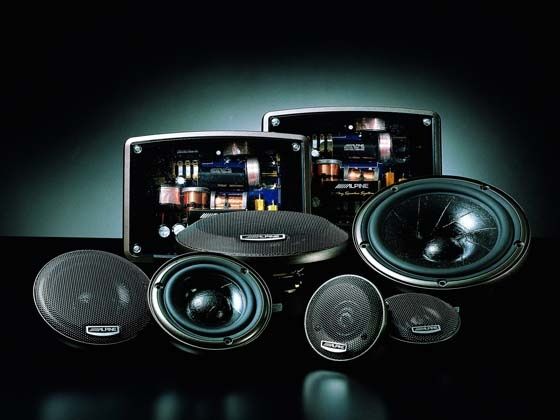
Better speakers can handle more power from your amp and produce louder sound without distortion. Consider swapping out factory speakers for higher-quality ones made with stronger materials. Components like tweeters and woofers designed for higher power ratings improve clarity at high volumes.
Think about getting speakers with a higher sensitivity rating. A speaker with 90 dB sensitivity will sound louder than one rated at 85 dB with the same power input. Have you checked if your current speakers match your amp’s output?
Adding Sound Deadening Materials
Sound deadening materials reduce vibration and outside noise, letting you enjoy louder music without crank-up volume. Adding mats or foam to doors, floors, and trunks can prevent sound waves from escaping or echoing inside your car.
Using these materials creates a tighter, more controlled sound environment. This means you’ll hear clearer bass and mids, even at high volumes. Have you noticed how quieter road noise improves your listening experience?
Optimizing Speaker Placement
Where you put your speakers affects how loud and clear they sound. Adjusting their angle and position can direct sound waves better into your cabin. Try moving door speakers slightly or tilting tweeters toward your ears for improved sound projection.
Experiment with different placements to find what works best for your car’s interior. Sometimes small changes make a big difference in volume and clarity. Have you tried repositioning your speakers to get that perfect sound stage?

Credit: www.youtube.com
Credit: www.exhibit.tech
Frequently Asked Questions
How Can I Make My Car Speakers Louder?
To make car speakers louder, consider using an amplifier. An amp boosts the audio signal, resulting in more powerful sound output. Ensure your speakers can handle the increased power to avoid damage. Properly tune the amp for optimal sound quality and volume.
Do I Need A Specific Amp For Louder Sound?
Yes, selecting the right amp is crucial for louder sound. Choose an amp compatible with your speakers’ power handling capacity. This ensures efficient performance and prevents potential damage. Look for an amp that matches your speakers’ impedance and power requirements for the best results.
Will An Amp Improve Sound Quality?
An amp can significantly enhance sound quality by providing cleaner, more dynamic audio. It reduces distortion at higher volumes, offering a clearer sound experience. Properly tuning the amp ensures balanced audio output, maximizing your listening pleasure without compromising on quality.
Is Installing An Amp Complicated?
Installing an amp can be straightforward with the right tools and instructions. Ensure you have a wiring kit and follow a detailed guide. If unsure, consider professional installation to avoid complications. Proper installation is key to achieving optimal performance and avoiding damage.
Conclusion
Adding an amplifier can boost your car speakers’ sound power. It helps your music play louder and clearer. Make sure to choose the right amp size for your speakers. Proper wiring and settings also improve the sound quality. Testing your system after installation ensures everything works well.
Enjoy louder music without distortion or damage. With these steps, your car audio will sound much better. Simple upgrades like this can make a big difference on the road.