
How to Wire a Aftermarket Car Stereo: Easy Step-by-Step Guide
Are you ready to upgrade your car’s sound system but worried about the wiring? You’re not alone.
Wiring an aftermarket car stereo might sound tricky, but with the right steps, you can do it yourself and save money. Imagine enjoying crystal-clear music on every drive without the hassle of a professional installation. This guide will walk you through the process, making it simple and stress-free.
Keep reading, and you’ll have your new stereo hooked up and sounding great in no time.
Tools And Materials Needed
Before wiring an aftermarket car stereo, gather the right tools and materials. This ensures a smooth installation and avoids damage to your car’s electrical system. Having everything ready saves time and makes the process less stressful.
Some tools help with connecting wires securely. Others help remove old parts safely. Materials include wires and connectors that fit your car stereo model. Use quality items to prevent future problems.
Essential Tools For Installation
- Wire strippers for removing insulation cleanly
- Crimping tool to secure wire connectors
- Screwdrivers (flathead and Phillips) for screws
- Electrical tape to cover exposed wires
- Multimeter to test voltage and connections
- Panel removal tool to avoid damaging car panels
Materials Required For Wiring
- Aftermarket stereo wiring harness specific to your car
- Wire connectors or butt connectors
- Electrical wires of appropriate gauge
- Fuse holder with the correct fuse rating
- Heat shrink tubing for wire protection
Safety Equipment
- Gloves to protect hands from sharp edges
- Safety glasses to shield eyes from debris
- Flashlight or headlamp for better visibility
Preparing Your Vehicle
Preparing your vehicle is the essential first step before installing an aftermarket car stereo. This phase ensures your safety and sets the stage for a smooth installation. Taking your time here can save you headaches later.
Disconnecting The Battery
Start by disconnecting your car’s battery to avoid any electrical shocks or short circuits. Use a wrench to loosen the negative terminal first, then remove it completely. This simple action protects both you and your vehicle’s sensitive electronics.
Have you ever skipped this step and ended up with a blown fuse or worse? Taking this precaution is a small effort that prevents costly mistakes.
Removing The Old Stereo
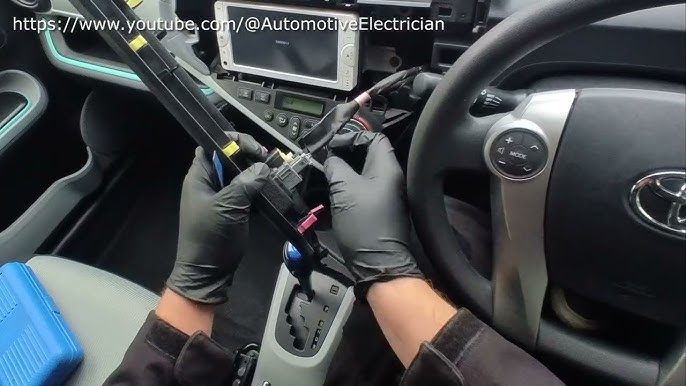
Next, remove the factory stereo carefully. Depending on your vehicle, you might need special tools like a panel remover or screwdrivers. Gently pry off the dash panels around the stereo to expose mounting screws.
Once the screws are out, pull the stereo forward and disconnect the wiring harness and antenna cable. Keep track of screws and parts; they’ll come in handy if you want to revert to the original setup.
Have you noticed how some stereos seem glued in place? Patience and the right tools make this step easier and prevent damage to your dashboard.
Identifying Wiring Harnesses
Identifying wiring harnesses is essential before installing an aftermarket car stereo. These harnesses connect the stereo to the car’s electrical system. Matching the right wires ensures proper function and prevents damage. Understanding the wiring colors and harness types helps simplify the process.
Car Wiring Colors
Car wiring colors follow a general pattern but can vary by manufacturer. Knowing common colors helps identify each wire’s purpose quickly.
- Red:Accessory power, turns on with ignition
- Yellow:Constant power, battery connection
- Black:Ground wire, connects to chassis
- Blue:Power antenna or amplifier turn-on
- White and White/Black:Front left speaker (+ and -)
- Gray and Gray/Black:Front right speaker (+ and -)
- Green and Green/Black:Rear left speaker (+ and -)
- Purple and Purple/Black:Rear right speaker (+ and -)
Always check the car’s manual for exact colors. Some cars may use different wiring standards.
Aftermarket Stereo Wiring
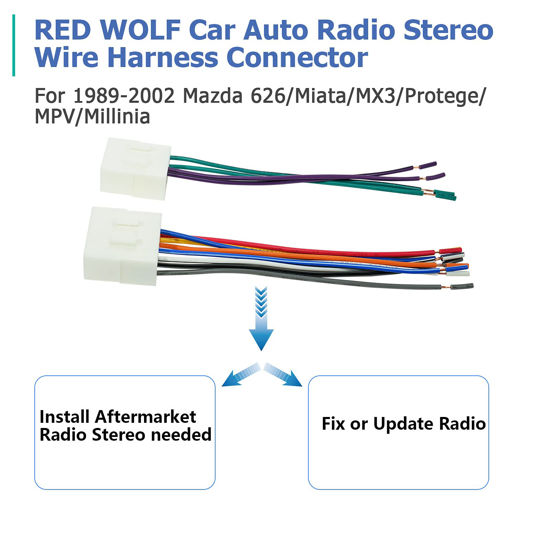
Aftermarket stereos come with a wiring harness that matches the car’s wiring. This harness simplifies connections and avoids cutting factory wires.
- Match each wire by color from the car to the stereo harness.
- Use crimp connectors or solder for secure connections.
- Test connections before finalizing the installation.
- Label wires to avoid confusion during installation.
Using the correct wiring harness saves time and reduces errors. It protects both the car’s electrical system and the new stereo.

Credit: www.reddit.com
Connecting The Wires
Connecting the wires is the heart of installing your aftermarket car stereo. This step demands attention to detail and a clear understanding of each wire’s role. A single wrong connection can lead to poor sound quality or even damage your vehicle’s electrical system.
Matching Wire Functions
Every wire in your new stereo has a specific job, such as power, ground, speakers, or antenna control. Matching these wires correctly is crucial to avoid shorts or malfunction.
Use the wiring diagram from your stereo’s manual and compare it with the car’s wiring harness. You’ll often see color codes like red for power, black for ground, and blue for antenna or amplifier turn-on. If colors don’t match exactly, rely on the function labels instead.
Ask yourself: Have I double-checked these wire roles before proceeding? Taking a moment here can save you from headaches later.
Using Wire Connectors
Wire connectors make joining wires safer and more reliable than twisting them together. You can choose from crimp connectors, butt connectors, or soldering for a strong bond.
- Crimp connectorsare quick and secure, ideal if you have a crimping tool.
- Butt connectorsjoin two wires end-to-end and protect against moisture.
- Soldering
Think about your comfort level and tools available. Would investing a bit more time in soldering improve your stereo’s longevity?
Securing Connections
Once wires are connected, preventing movement is key to avoid disconnections or shorts. Wrap connections with electrical tape or use heat shrink tubing for insulation.
Bundle the wires neatly using zip ties or wire loom to protect them from sharp edges and vibration. This organization not only looks professional but keeps your system trouble-free.
Have you considered how your wiring will hold up against daily driving bumps and weather changes? Secure connections lead to lasting performance.
Installing The New Stereo
Installing the new stereo is an exciting part of upgrading your car’s audio system. This step brings all your wiring efforts together. Proper installation ensures the stereo fits securely and works correctly. Taking care during this stage protects your investment and prevents future problems.
Mounting The Stereo
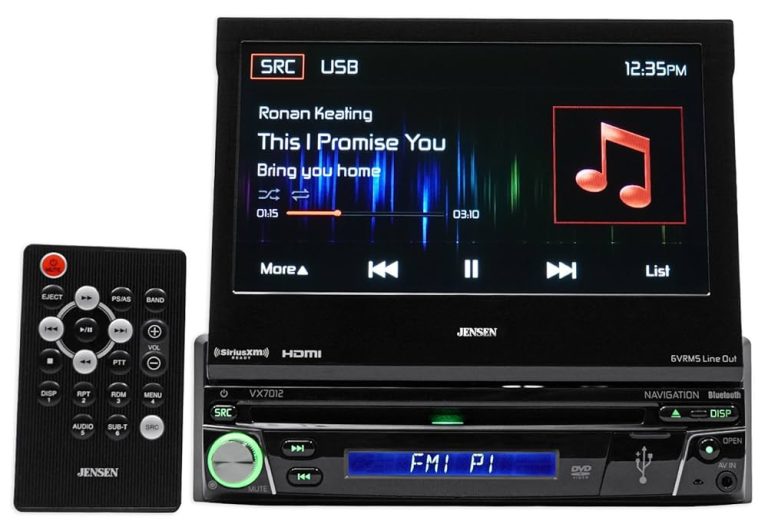
First, slide the stereo into the mounting bracket or dash kit. The stereo should fit snugly without forcing it. Use screws or clips to secure the stereo in place. Make sure it is level and aligned with the dashboard. Loose mounting can cause vibrations and damage the unit.
Check that no wires are pinched or bent during mounting. Keep the wiring neat to avoid shorts or disconnections. If your car has a factory mounting sleeve, use it to hold the stereo. Otherwise, install the dash kit provided with your stereo.
Reconnecting The Battery
After mounting, reconnect the car battery’s negative terminal. This restores power to the vehicle and the stereo. Turn on the ignition and test the stereo functions. Check sound output, radio tuning, and any touchscreen features.
Ensure all buttons and controls work smoothly. If the stereo does not power on, double-check the wiring connections. Reconnect the battery only after confirming the installation is complete and secure. This step prevents electrical shorts and sparks.

Credit: www.reddit.com
Testing The System
Testing the system is a crucial step after wiring an aftermarket car stereo. It confirms the connections are correct and the stereo works as expected. This step helps catch any wiring errors or issues early. Careful testing prevents damage and ensures a quality listening experience.
Power And Sound Check
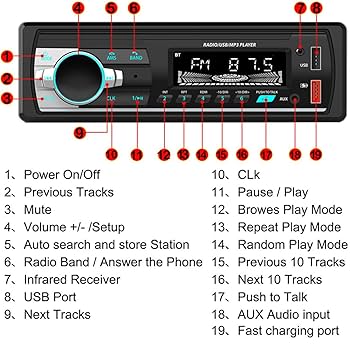
First, turn on the car’s ignition to power the stereo. Check if the display lights up and buttons respond. Listen for sound through each speaker. Adjust the volume and balance to test all channels. Make sure the stereo reads CDs, USBs, or other media correctly. Verify the antenna connection for clear radio reception. Confirm the stereo retains settings after turning off the car.
Troubleshooting Common Issues
No power? Check the fuse and wiring connections. Loose ground wires cause static or no sound. Swap speaker wires if sound is weak or missing. Distorted sound might mean a bad ground or blown speakers. No radio signal? Recheck the antenna cable and connection. Stereo resets often? Verify constant and switched power wires. Use a multimeter to test voltage if unsure. Fixing these common problems saves time and protects your stereo.
Final Adjustments
Final adjustments are crucial to ensure your aftermarket car stereo not only works well but stays safe and looks tidy. Skipping these last steps can cause issues later, such as loose connections or rattling noises. Paying attention now saves you time and frustration down the road.
Securing Loose Wires
Loose wires can cause static, shorts, or even damage to your stereo system. Use zip ties or electrical tape to bundle wires neatly. Keep wires away from sharp edges or moving parts to avoid wear and tear.
Check each connection by gently tugging to confirm it’s firm. If you hear any loose clicking or see exposed copper, fix it immediately. Have you ever had a stereo cut out because a wire wasn’t properly secured? Avoid that problem by taking this simple step.
Reassembling The Dash
Putting the dash back together requires patience and care. Start by aligning the stereo and any removed panels before snapping or screwing them back in place. Don’t rush; forcing parts can break clips or scratch surfaces.
Double-check that all screws are tight and panels sit flush with the dash. Test your stereo again before fully securing everything to make sure all functions work correctly. What’s your strategy for keeping track of screws and small parts during reassembly?
Credit: www.styletextile.com
Frequently Asked Questions
How Do I Connect Wires For An Aftermarket Car Stereo?
Match each wire color from the stereo to the car’s wiring harness. Use a wiring diagram for accuracy. Secure connections with crimp connectors or solder for safety and reliability.
What Tools Do I Need To Wire A Car Stereo?
You need wire strippers, crimp connectors, a multimeter, electrical tape, and screwdrivers. These tools help ensure safe and precise wiring installation.
Can I Wire A Stereo Without A Wiring Harness Adapter?
Wiring without an adapter is possible but not recommended. It increases risk of errors and damage. Using an adapter simplifies installation and maintains vehicle integrity.
How Do I Identify Power And Ground Wires In A Car?
Use a multimeter to test wires for 12V power and ground. Power wires usually have constant or switched 12V, while ground wires connect to the chassis.
Conclusion
Wiring an aftermarket car stereo can seem challenging at first. But with patience and basic tools, it’s manageable. Follow the steps carefully. Always double-check connections for safety. Use the right tools to avoid damage. Consult your car’s manual for specifics.
Test the stereo before final installation. Enjoy the improved sound quality in your car. A little effort brings great listening pleasure. Remember to keep all wires secure. Happy driving with your new stereo system!