
Do you want your car’s sound system to hit harder and feel richer? Imagine turning every drive into a concert-like experience, where every beat and lyric comes alive.
Amplifying your car speakers can make that happen, giving you clearer, louder, and more powerful sound without breaking the bank. You’ll discover simple, effective ways to boost your car audio, so you can enjoy music the way it was meant to be heard.
Ready to transform your ride’s sound? Let’s dive in.
Credit: www.crutchfield.ca
Choosing The Right Amplifier
Choosing the right amplifier is a key step to getting the best sound from your car speakers. The amplifier powers your speakers, making music clearer and louder without distortion. Picking the wrong one can lead to poor sound quality or even damage your equipment.
Types Of Car Amplifiers
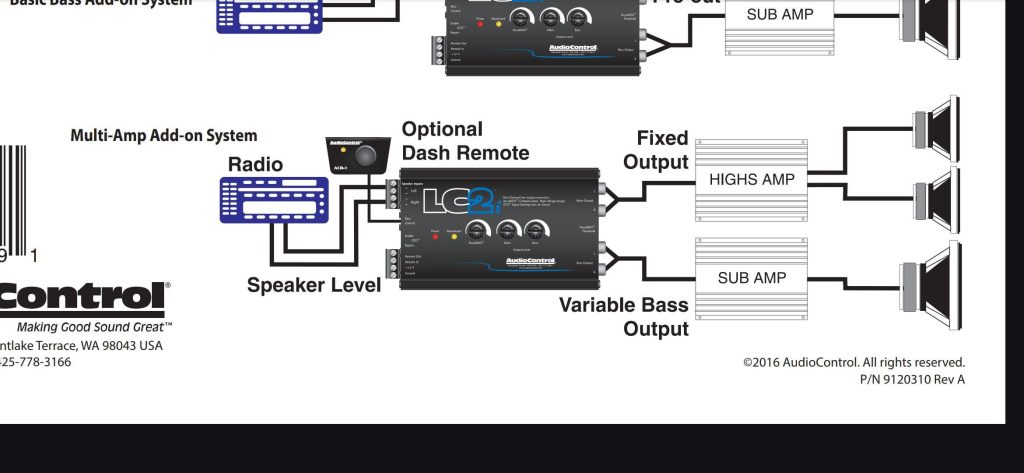
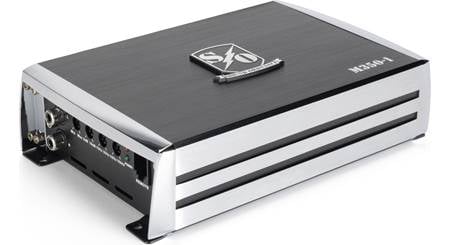
There are several types of amplifiers to consider, each designed for different needs. A mono amplifierpowers a single subwoofer, delivering deep bass. A 2-channel amplifiercan drive two speakers or one subwoofer, offering versatility. Meanwhile, 4-channel amplifiersare great for powering multiple speakers and creating a balanced sound system.
Think about your setup: Are you focusing on bass or overall sound? This will guide your choice and prevent overspending on features you don’t need.
Matching Amplifier Power To Speakers
Power matching is critical. An amplifier with too little power will cause distortion when you increase the volume. Too much power, however, can blow your speakers.
Check your speaker’s RMS (continuous power) rating and find an amplifier that can provide about 75% to 100% of that power. For example, if your speakers are rated for 50 watts RMS, aim for an amplifier delivering between 37 and 50 watts per channel. This keeps sound clean and your gear safe.
Class A/b Vs Class D Amplifiers
Class A/B amplifiers are known for high-quality sound and smooth output. They are slightly larger and consume more power but offer excellent audio fidelity. This makes them ideal if you prioritize sound clarity over size.
Class D amplifiers, on the other hand, are compact and energy efficient. They provide powerful output without heating up much, making them perfect for tight spaces or long drives. However, some audiophiles feel they sacrifice a bit of sound quality.
Which matters more to you—size and efficiency or sound purity? Your answer will help you pick the right class for your car audio system.
Upgrading Speaker Components
Upgrading your car speaker components can dramatically improve sound quality and overall listening experience. Instead of just turning up the volume, better components help you hear details you never noticed before. It’s about making your music clearer, richer, and more powerful without distortion or fuzz.
Selecting Quality Speaker Materials
The material of your speakers directly affects sound clarity and durability. Look for components with cones made from materials like polypropylene, Kevlar, or mica. These materials balance stiffness and lightness, allowing your speakers to move accurately and produce crisp sound.
Don’t overlook the surround—the flexible ring around the cone. Rubber surrounds last longer and resist heat better than foam, which can deteriorate quickly in a hot car environment. Choosing quality materials means your upgrade lasts and sounds great over time.
Tweeters, Midrange, And Subwoofers
Each speaker type handles different sound frequencies. Tweeters produce high frequencies—think cymbals or the high notes in vocals. Midrange speakers cover sounds like guitars and voices, while subwoofers handle deep bass.
Upgrading just one component can leave gaps in sound quality. Have you ever felt your music lacks depth or sharpness? Adding or upgrading all three ensures balanced sound. Imagine your car stereo as a team—each player has a role, and replacing only one leaves the team incomplete.
Importance Of Speaker Sensitivity
Speaker sensitivity measures how efficiently a speaker converts power into sound. Higher sensitivity means louder sound at lower power. This is crucial if you don’t have a powerful amplifier or want to avoid draining your car’s battery.
Choosing speakers with sensitivity ratings above 90 dB helps your system perform better without extra power. Have you checked your current speakers’ sensitivity? Upgrading to more sensitive speakers can make your music sound fuller and louder without extra strain on your system.
Wiring And Installation Tips
Wiring and installation play a big role in improving car speaker sound. Good wiring ensures clear sound and avoids damage to your system. Careful installation helps the speakers work at their best and lasts longer.
Using Proper Gauge Wiring
Choose wire thickness based on the power your amplifier needs. Thicker wires carry more power without losing signal. Thin wires cause sound loss and can overheat. Use wiring charts to pick the right gauge for your setup. Keep wire runs as short as possible to reduce power loss.
Secure And Clean Connections
Make sure all wire connections are tight and clean. Loose or dirty connections cause crackling and sound dropouts. Strip wires carefully without damaging strands. Use connectors or solder joints for strong bonds. Wrap connections with electrical tape or heat shrink tubing to protect them.
Avoiding Interference And Noise
Keep audio wires away from power cables to reduce noise. Use shielded cables to block interference from other electronics. Ground your amplifier properly to avoid humming sounds. Twist speaker wires together to minimize electromagnetic interference. Test the system for noise before finalizing installation.

Credit: stingersolutions.com
Tuning Amplifier Settings
Tuning your amplifier settings is key to getting the best sound from your car speakers. Small adjustments can make a big difference in audio quality. Understanding how to fine-tune gain, crossover, bass boost, and equalization helps you create a sound profile that suits your taste and your car’s acoustics.
Adjusting Gain And Crossover
Gain controls the amplifier’s output level. Set it too high, and you risk distortion; too low, and your sound might be weak. Start by turning the gain down, then gradually increase it until the sound is loud but clear without any crackling.
The crossover setting decides which frequencies your speakers handle. Use a high-pass filter for tweeters to block low frequencies that can damage them. For subwoofers, set a low-pass filter to focus on bass sounds. Adjusting the crossover correctly balances the workload between speakers, improving clarity and protecting your gear.
Setting Bass Boost And Equalization
Bass boost can add punch to your music but too much can muddy the sound. Increase it in small steps and listen carefully. If the bass overwhelms other frequencies, dial it back to avoid distortion.
Equalization (EQ) allows you to fine-tune individual frequency bands. If vocals sound dull, try boosting midrange frequencies slightly. If the treble feels harsh, reduce the highs. Use EQ to shape your sound, but avoid extreme changes that can create unnatural audio.
Balancing Loudness And Clarity
Are you aiming for loud sound or clear sound? Sometimes pushing volume to the max sacrifices clarity. Find a balance where the music is exciting but every instrument and lyric remains distinct.
Listen to different genres and adjust settings accordingly. Rock might need more bass and midrange, while classical benefits from a smoother, balanced profile. Your ears are the best guide—trust what sounds right to you.
Soundproofing Your Car
Soundproofing your car is key to improving your audio experience. It cuts outside noise, letting your speakers shine. A quieter cabin means clearer sound and better bass. Simple changes can make a big difference in sound quality and enjoyment.
Reducing Road Noise
Road noise comes from tires, wind, and engine sounds. Blocking this noise helps your music stand out. Use weatherstripping on doors and windows to seal gaps. Thick floor mats and carpets absorb vibrations. Close all windows while driving for less noise inside.
Using Sound Deadening Materials
Sound deadening materials stop vibrations and echo inside the car. Popular options include foam, mats, and sprays. Apply them to doors, floors, and the roof. These materials add weight, which reduces unwanted noise. Make sure to cover large flat surfaces for best results.
Benefits For Speaker Performance
Soundproofing improves speaker clarity and bass response. Less noise means you hear more details in music. It also prevents sound from leaking outside the car. This creates a richer, more immersive audio experience. Your car becomes a better place to enjoy music fully.
Credit: www.diymobileaudio.com
Maintaining Your Audio System
Keeping your car’s audio system in top shape is key to enjoying crisp, powerful sound every time you hit the road. Neglecting maintenance can lead to distorted sound, equipment damage, or even a complete system failure. Regular care not only extends the life of your speakers but also ensures that your investment delivers the best audio experience possible.
Regular Speaker Checks
Check your speakers for any visible damage or wear, such as tears in the cones or loose connections. Listening closely for crackles, buzzes, or changes in sound quality can also reveal problems early.
Try gently pressing the speaker grille; if you hear unusual rattling, it might mean the speaker is loose or damaged. Catching these issues early saves you from costly repairs later.
Preventing Overheating
Speakers and amplifiers generate heat, especially during long or loud sessions. Overheating can reduce performance and damage components permanently.
Ensure your amplifier has enough ventilation by avoiding enclosed spaces or stacking items on top of it. Using cooling fans or heat sinks can help manage temperature effectively.
Upgrading Firmware And Software
Many modern audio systems come with firmware that controls performance and features. Keeping this firmware updated can fix bugs, improve compatibility, and add new functions.
Check your manufacturer’s website regularly for updates and follow their instructions carefully. A quick update might significantly improve your system’s sound quality and reliability.
Frequently Asked Questions
How Can I Boost Car Speaker Volume Effectively?
To boost car speaker volume, upgrade your amplifier and use quality wiring. Properly tune the equalizer settings for clarity. Adding a subwoofer can also enhance bass and overall sound output.
What Are The Best Amps For Car Speaker Amplification?
Class D amplifiers are popular for car speakers due to efficiency and power. Look for brands like JL Audio, Rockford Fosgate, and Alpine. Choose an amp matching your speaker’s power rating for optimal performance.
How Does Speaker Placement Affect Sound Amplification?
Proper speaker placement ensures balanced sound and reduces distortion. Position speakers at ear level and avoid obstructions. Tweeters should face the listener for clearer highs, improving overall audio quality.
Can Upgrading Car Speakers Improve Amplification Quality?
Yes, upgrading to high-quality speakers improves sound clarity and volume. Look for speakers with higher sensitivity and power handling. Better speakers respond well to amplification, resulting in richer audio experience.
Conclusion
Enhancing car speakers can truly transform your driving experience. Start by assessing your current setup. Upgrade your speakers if needed. Consider adding an amplifier for clearer sound. Check your wiring to ensure optimal performance. Proper installation is crucial, so follow instructions carefully.
Experiment with settings for the best audio quality. Keep your budget in mind while making upgrades. Enjoy every drive with improved sound clarity. Remember, a little effort leads to big audio improvements. Safe travels and happy listening!