How to Connect Speakers to Amplifier in Car: Easy Step-by-Step Guide
Are you ready to boost your car’s sound system but unsure how to connect your speakers to the amplifier? Getting this right can transform your driving experience with clear, powerful audio.
But if you’re feeling overwhelmed by wires and technical terms, don’t worry—you’re not alone. In this guide, you’ll find simple, step-by-step instructions that make the process easy to follow. By the end, you’ll know exactly how to connect your speakers to your car’s amplifier like a pro.
Keep reading, and get ready to enjoy your favorite music like never before.
Choosing The Right Speakers And Amplifier
Choosing the right speakers and amplifier is crucial for getting the best sound quality in your car. It’s not just about picking the most expensive gear; compatibility and specs matter a lot. Understanding the types of speakers and amplifier details will help you make smarter choices and avoid common pitfalls.
Speaker Types For Cars
Car speakers come in several types, each designed for specific sound needs. Coaxial speakersare popular because they combine tweeters and woofers in one unit, making installation simple and sound balanced.
Component speakersseparate these parts for better sound quality and control but require more setup. If you want deep bass, consider subwoofers, which focus solely on low frequencies.
Think about your listening preferences: Do you want clear vocals, booming bass, or a mix? That choice guides which speaker type fits your car and your music style.
Amplifier Specifications To Consider
Amplifiers boost your speaker’s sound, so knowing their specs is important. Pay attention to the power output(measured in watts), which should match your speakers to avoid damage or distortion.
Look at the impedance rating(ohms) of both your amp and speakers. A mismatch can reduce performance or cause overheating. Also, check if the amp supports mono, stereo, or multi-channelsetups based on your system needs.
Don’t overlook the amplifier’s signal-to-noise ratio—a higher ratio means cleaner sound with less background noise.
Matching Speakers With Amplifier Power
Matching your speakers with the right amplifier power is key to a balanced, distortion-free sound. If the amplifier’s power is too low, your speakers may sound weak or distorted at higher volumes.
Conversely, an amplifier that’s too powerful can damage your speakers. Check the RMS power ratingon both the amplifier and speakers. Your amp’s RMS should be close to or slightly above your speaker’s RMS rating for safe and optimal performance.
Have you ever cranked up the volume only to hear crackling or distortion? That’s a clear sign your amp and speakers aren’t matched properly. Getting this right will save you money and protect your gear.

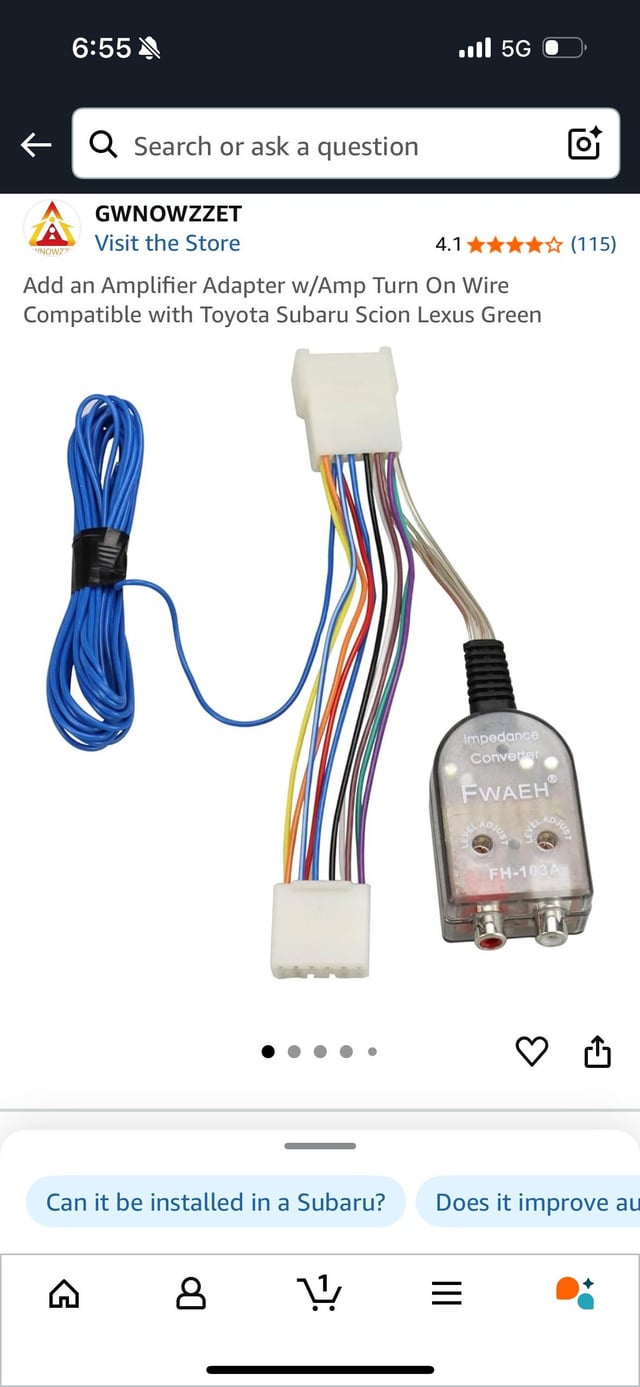
Credit: www.reddit.com
Gathering Necessary Tools And Materials
Before you start connecting your car’s speakers to the amplifier, gathering the right tools and materials is crucial. Having everything on hand saves you from frustrating pauses and ensures a smooth, safe installation. Let’s break down what you’ll need to get the job done efficiently.
Essential Wiring Components
Wiring is the backbone of your speaker connection. You’ll need quality speaker wire, typically 16 or 14 gauge, depending on the distance from the amplifier to the speakers. Don’t forget the power cable—usually 8 gauge—to provide enough current without voltage drop.
Other important items include:
- Fuse holder and fuse (matched to your amplifier’s power rating)
- Ground wire (same gauge as power cable for proper grounding)
- RCA cables for signal transmission between the head unit and amplifier
- Wire connectors and terminals to ensure secure, corrosion-free connections
Have you checked if your speaker wire is rated for automotive use? This prevents heat damage and electrical shorts.
Tools For Installation
The right tools make installation faster and less stressful. A wire stripper and crimper are must-haves for cutting and securing wires neatly. You’ll also want a multimeter to check continuity and voltage—this helps you avoid wiring mistakes.
Additional handy tools include:
- Screwdrivers (flathead and Phillips) for removing panels and mounting hardware
- Electrical tape and heat shrink tubing for insulating connections
- Drill or hole saw if you need to create mounting points
- Panel removal tools to avoid damaging your car’s interior trim
Have you ever tried installing without a multimeter? It’s easy to miss a bad connection that way.
Safety Equipment
Safety isn’t optional when working with your car’s electrical system. Gloves protect your hands from sharp edges and electrical shock. Safety glasses shield your eyes from debris when drilling or stripping wires.
Also, disconnect the car battery before starting any work to prevent short circuits or accidental shocks. A fire extinguisher nearby is a smart precaution in case of electrical faults.
Do you have these safety basics ready? Taking a moment here can save you big headaches later.
Preparing Your Car For Installation
Preparing your car for speaker and amplifier installation is a crucial step that sets the foundation for a smooth and safe upgrade. Taking the time to properly prepare ensures that you avoid damage to your vehicle’s electrical system and interior components. Let’s break down the essential tasks you need to handle before you start connecting your new audio equipment.
Disconnecting The Battery
Safety comes first. Always disconnect your car’s battery before working with any electrical components. This prevents accidental shorts and protects you from potential shocks.
Locate the negative terminal on your battery and use a wrench to loosen the clamp. Remove the cable and secure it away from the terminal to avoid accidental contact. This simple step can save you from costly repairs and keeps your installation safe.
Removing Door Panels And Speaker Covers
Accessing your car’s speakers often requires removing door panels and speaker covers carefully. Use a flat tool or panel remover to gently pry off the covers without breaking clips or scratching surfaces.
Keep track of screws and fasteners by placing them in a small container so nothing gets lost. You’ll want the panels intact for reassembly, so patience and a gentle touch go a long way here.
Locating The Amplifier Placement
Choosing the right spot for your amplifier affects sound quality and ease of installation. Common locations include under seats, in the trunk, or behind panels inside the cabin.
Look for a dry, ventilated area with enough space for wiring and cooling. Have you checked whether your chosen spot allows easy access to power and ground connections? Planning this ahead helps avoid frustrating rewiring later.
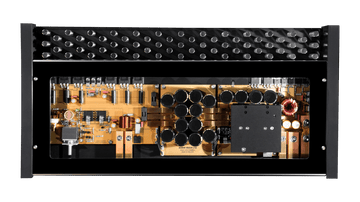
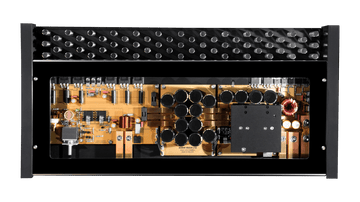
Credit: www.diymobileaudio.com
Wiring The Amplifier To The Car Battery
Wiring the amplifier to the car battery is a crucial step in your car audio setup. It supplies the power needed for the amplifier to boost your sound system. Proper wiring ensures stable performance and prevents electrical issues. Safety must be a priority to avoid damage or hazards.
Running The Power Cable
Choose a thick power cable suitable for your amplifier’s power needs. The cable should run from the car battery to the amplifier. Avoid sharp edges and moving parts along the cable path. Use cable ties to keep the wire secure and neat. Leave some slack near the amplifier for easy connection.
Installing The Fuse Holder
Place a fuse holder on the power cable near the battery terminal. This protects your system from short circuits and power surges. Use a fuse rated for your amplifier’s maximum current draw. Secure the fuse holder in a dry, accessible spot. Check the fuse regularly to ensure it works well.
Grounding The Amplifier
Connect the amplifier’s ground wire to a clean, bare metal surface on the car chassis. Remove any paint or rust to ensure a solid connection. The ground wire should be as short as possible for best performance. A good ground prevents noise and electrical interference. Tighten the ground connection firmly to avoid loosening.
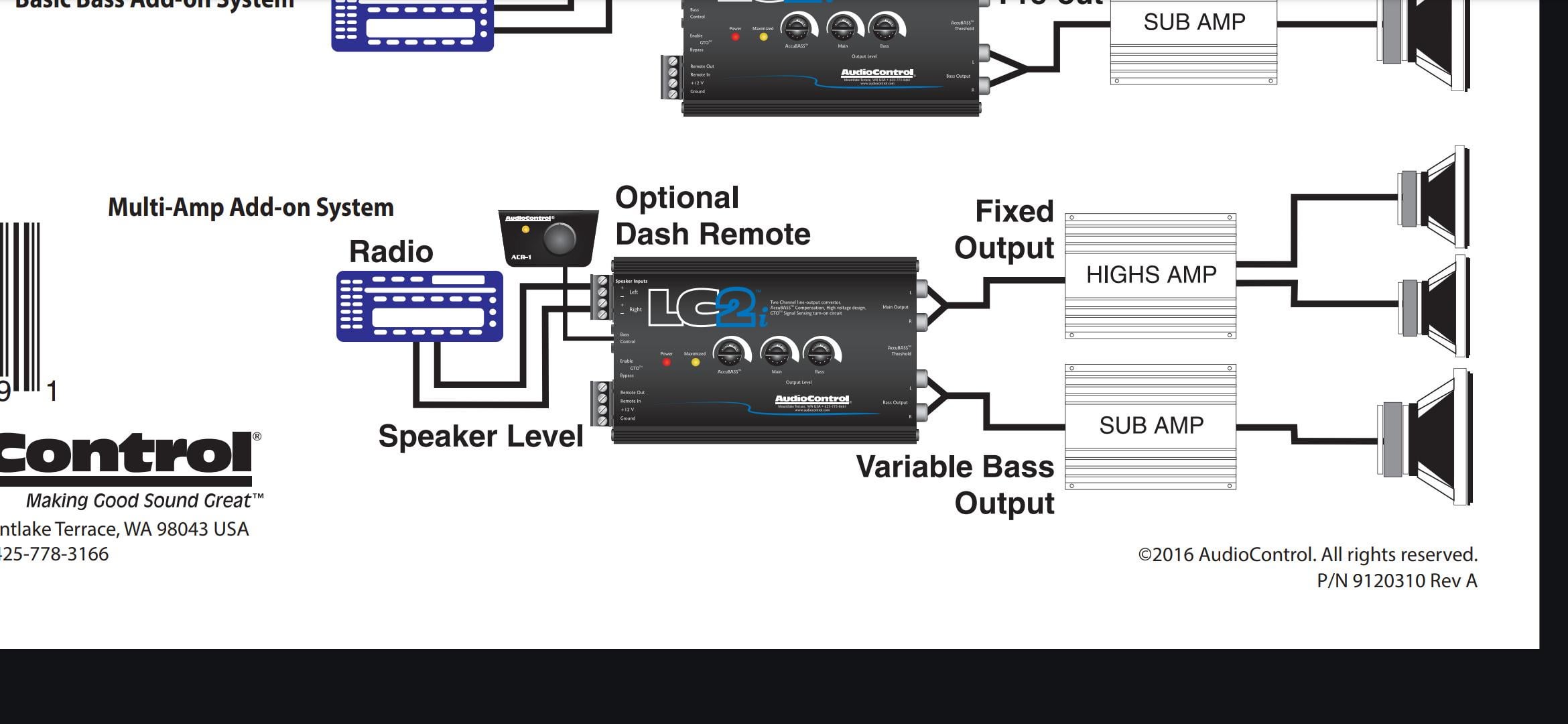
Connecting The Amplifier To The Head Unit
Connecting the amplifier to the head unit is a key step in setting up your car audio system. This connection allows the amplifier to receive the audio signal from the head unit and boost it for the speakers. Proper wiring ensures clear sound and prevents damage to your equipment.
Using Rca Cables
RCA cables carry the audio signal from the head unit to the amplifier. Look for the RCA output jacks on the back of the head unit. These are usually color-coded red and white for right and left audio channels.
Plug the RCA cables firmly into these jacks. Then, connect the other ends to the amplifier’s RCA input ports. Keep the cables away from power wires to avoid interference. Use quality RCA cables for better sound clarity.
Wiring Remote Turn-on Lead
The remote turn-on lead tells the amplifier to power on with the head unit. Find the remote turn-on wire on the head unit harness, often blue or blue with a white stripe.
Connect this wire to the amplifier’s remote turn-on terminal. This connection ensures the amplifier switches on only when the head unit is active. Secure the wires to avoid loose connections.
Testing Signal Connection
After connecting, test the signal to check everything works. Turn on the car and the head unit. Listen for clear sound from the speakers without distortion or noise.
If sound is weak or missing, check the RCA cables and remote wire. Tighten all connections and ensure cables are not damaged. Testing helps catch issues early and ensures a smooth audio experience.

Credit: www.youtube.com
Hooking Up The Speakers To The Amplifier
Hooking up your car speakers to the amplifier is a key step for great sound. It involves careful handling of wires and connections. Doing this right ensures clear audio and prevents damage to your equipment.
Identifying Speaker Wire Polarity
Speaker wire polarity means matching positive and negative terminals. Wires usually have markings to help. One wire might have a stripe or a different color.
Positive wires connect to the amplifier’s positive terminals. Negative wires go to the negative terminals. Keeping polarity correct avoids sound issues like distortion or weak bass.
Connecting Speaker Wires
Strip about half an inch of insulation from each wire end. Twist the strands tightly to avoid fraying. Insert wires firmly into amplifier speaker terminals.
Some amplifiers have screw terminals; loosen screws, insert wires, then tighten. Others use push terminals where you press a tab to insert wires. Ensure wires do not touch each other.
Securing Connections
Loose connections cause sound drop or electrical shorts. Use electrical tape or wire connectors to keep wires secure. Check for any exposed wire that might touch metal parts.
Test the connection by gently tugging the wires. If any wire moves, secure it again. Proper securing guarantees stable sound during driving.
Testing And Adjusting The System
Testing and adjusting your car’s speaker and amplifier system is essential to get the best sound quality. It’s not just about connecting wires; fine-tuning ensures you hear every beat clearly without distortion. Taking time to test and tweak helps you avoid costly mistakes and enjoy your music the way it was meant to be heard.
Powering Up The Setup
Before turning on your system, double-check all connections for tightness and correct polarity. Powering up for the first time? Use a low volume to avoid any sudden loud noises that could damage your speakers. Listen carefully for any unusual sounds like buzzing or crackling, which could indicate wiring issues or grounding problems.
Have you ever rushed this step and heard a pop or hiss? Taking it slow now can save you headaches later.
Adjusting Amplifier Settings
Your amplifier usually has controls for gain, bass boost, and crossover frequencies. Start by setting the gain to a low level, then gradually increase it until the volume matches your head unit without distortion. Adjust the crossover to send the right frequencies to your speakers—higher for tweeters, lower for subwoofers.
Try playing different types of music to spot any imbalance. Do vocals sound clear? Are the bass notes punchy but not overwhelming? Tweak settings until everything feels balanced.
Troubleshooting Common Issues
If you notice distortion, first lower the gain on your amplifier. Check speaker wiring for loose connections or damaged cables. A persistent hum or noise often points to a grounding issue—try moving the ground wire to a different spot on the car’s chassis.
- Speakers not producing sound? Confirm the amplifier is powered and the remote turn-on wire is connected.
- Uneven volume between speakers? Inspect speaker polarity to ensure all positive and negative terminals match.
- Overheating amplifier? Make sure it has proper ventilation and isn’t overloaded.
What’s your biggest challenge in tuning your car audio? Sometimes, the smallest fix makes the biggest difference.
Finalizing Installation
Finalizing the installation of your car speakers and amplifier is the moment you ensure everything works seamlessly and looks tidy. This phase is crucial because a clean setup not only improves sound quality but also prevents future issues like wire damage or loose connections. Paying attention to the small details here will save you time and frustration later.
Reassembling Car Panels
Carefully put back the car panels you removed during installation. Take your time to align clips and screws properly to avoid breaking any parts. If a panel feels stuck, don’t force it—check for hidden screws or connectors you might have missed.
Remember, panels that don’t sit flush can rattle and distract from your audio experience. I once rushed this part and ended up with annoying vibrations every time I hit the bass.
Organizing And Securing Wires
Keep your wires neat by bundling them together with zip ties or Velcro straps. Avoid letting wires dangle where they might get pinched or caught when you close doors or move seats.
Labeling wires can also help if you need to troubleshoot later. Think about how much easier it was when I marked mine—it saved me from pulling apart the whole setup to find one loose connection.
Safety Checks
Before powering up your system, double-check all connections for tightness and correct polarity. Make sure no wires are exposed or touching metal parts that could cause shorts.
Test your amplifier and speakers at low volume first to catch any issues early. Have you ever heard a sudden pop or hiss after installation? That usually signals a wiring problem you want to fix now rather than later.
Frequently Asked Questions
How Do I Connect Car Speakers To An Amplifier?
First, disconnect the car battery. Connect speaker wires from the amplifier’s output to the speakers. Match positive to positive and negative to negative terminals carefully.
What Tools Are Needed To Connect Speakers To Amplifier?
You need speaker wires, wire strippers, a screwdriver, crimp connectors, and electrical tape. These tools ensure secure and safe connections.
Can I Use Any Speaker Wire For Car Amplifiers?
Use quality speaker wire with the right gauge. Thicker wires (16-12 gauge) carry power efficiently and reduce signal loss in car audio systems.
How To Avoid Noise When Connecting Speakers To Amplifier?
Ensure all connections are tight and insulated. Keep speaker wires away from power cables to prevent interference and static noise.
Conclusion
Connecting speakers to your car amplifier is simple. Follow the steps outlined. Ensure all wires are secure and connections tight. Double-check speaker polarity for optimal sound. Test the system before finalizing. Listen for clear, balanced audio. If issues arise, revisit each step.
Proper setup enhances your car’s audio experience. Enjoy music like never before. Remember, patience and precision matter. With practice, it gets easier. Your car’s sound system deserves quality installation. Happy driving with your new audio setup!