
Is an Amplifier Necessary for Car Audio: Boost Sound Quality Now
Are you wondering if an amplifier is really necessary for your car audio system? You might think your factory stereo is enough, but there’s more to great sound than just speakers.
Adding an amplifier can change the way your music feels inside your car—making it clearer, louder, and richer. But is it worth the extra cost and effort? Keep reading to discover how an amplifier can transform your driving experience and whether it’s the right choice for your setup.
Your perfect sound system might be just one decision away.
Role Of An Amplifier In Car Audio
The amplifier plays a crucial role in your car audio system by boosting the audio signal to drive your speakers effectively. Without an amplifier, your sound system might lack the power needed for clear, crisp, and loud music. Understanding how an amplifier works and how it differs from your head unit’s power can help you decide if you truly need one.
How Amplifiers Work
An amplifier takes the low-level audio signal from your head unit and increases its strength. This stronger signal then powers your speakers, allowing them to produce louder and clearer sound. Think of it as a middleman that makes sure your music has enough energy to fill your car with rich sound.
Amplifiers also help reduce distortion when you crank up the volume. Without enough power, speakers can sound muffled or fuzzy. By providing the right amount of power, amplifiers keep your music sounding sharp and detailed even at higher volumes.
Difference Between Head Unit And Amplifier Power
| Feature | Head Unit Power | Amplifier Power |
|---|---|---|
| Power Output | Typically low, enough for small built-in speakers | High, designed to drive larger, high-performance speakers |
| Sound Quality | Limited by built-in amplifier | Improves clarity and reduces distortion |
| Volume Capability | Suitable for casual listening | Supports loud, dynamic sound without strain |
Your head unit’s built-in amplifier is convenient but often not powerful enough for a high-quality audio experience. If you want to enjoy booming bass or crisp highs without distortion, adding a dedicated amplifier is the way to go. Have you noticed your music sounding flat or weak at higher volumes? That’s usually where an amplifier makes the biggest difference.
Signs You Need An Amplifier
Recognizing the need for a car audio amplifier can transform your listening experience. Certain signs show your current system might lack enough power. Understanding these signs helps decide if adding an amplifier is right for your setup.
Weak Or Distorted Sound
Sounds that feel flat or tinny often mean your system lacks power. Distortion at higher volumes is a clear sign. This happens because the head unit cannot drive the speakers properly. An amplifier can deliver cleaner sound and reduce distortion.
Low Volume Limits
When your car stereo cannot get loud enough, it limits your enjoyment. Pushing the volume control higher leads to poor sound quality. This shows the built-in amplifier is struggling to power the speakers. Adding a dedicated amplifier boosts volume without losing clarity.
Upgrading Speakers
New, high-quality speakers often need more power than stock units. Factory systems may not supply enough wattage for upgraded speakers. Without an amplifier, these speakers cannot perform at their best. Installing an amplifier ensures the speakers receive the right power to shine.
Types Of Car Amplifiers
Understanding the types of car amplifiers can help you decide if adding one to your audio system is worth it. Each amplifier type has its strengths and fits different audio needs. Let’s break down the most common kinds to see which suits your setup best.
Class A/b Amplifiers
Class A/B amplifiers combine two amplifier classes to balance sound quality and efficiency. They deliver warm, rich audio that many enthusiasts prefer for music playback. However, they tend to generate more heat and use more power compared to other types.
If you value sound clarity and don’t mind a bit of extra power consumption, a Class A/B amp might be ideal. They often work great for driving mid-range speakers and tweeters with clean, distortion-free output.
Class D Amplifiers
Class D amplifiers are known for their high efficiency and compact size. They use digital switching technology to minimize power loss, which means less heat and longer battery life in your car. This makes them perfect for powering subwoofers or running multiple speakers without draining your battery fast.
Have you noticed how some amps barely get warm even during long drives? That’s likely a Class D at work. They can deliver powerful bass and loud sound without overheating, which is a big plus if you want a robust system without bulk.
Mono Vs Multi-channel Amplifiers
Mono amplifiers have a single channel and are typically used to power subwoofers, focusing all their power on deep, punchy bass. Multi-channel amplifiers, on the other hand, have multiple channels that can run several speakers at once.
Choosing between them depends on your system’s layout. If you want to boost your bass, a mono amp is usually the best choice. But if you want to upgrade your entire speaker setup—front and rear—a multi-channel amp offers more flexibility and space-saving convenience.
Credit: audiointensity.com
Benefits Of Adding An Amplifier
Adding an amplifier to your car audio system can significantly enhance your listening experience. It’s not just about louder sound—it’s about clearer, richer audio that makes every drive more enjoyable. Let’s look at the key benefits that come with installing an amplifier in your car.
Improved Sound Clarity
An amplifier provides your speakers with the right amount of power, preventing them from straining. This means you get cleaner sound, with less fuzz and distortion. If you’ve ever noticed your music sounding muddy or unclear at higher volumes, an amplifier can fix that.
Think about those moments when your favorite song comes on and you want to hear every detail. With an amplifier, the highs, mids, and lows become more distinct. You’ll catch nuances in vocals and instruments that were lost before.
Higher Volume Without Distortion
Without an amplifier, pushing your car speakers to play loudly often results in distortion. The sound becomes harsh and unpleasant. An amplifier boosts the signal smoothly, allowing you to enjoy louder music without that annoying crackle.
Have you ever cranked up the volume only to regret it moments later because the music sounded off? Adding an amplifier lets you avoid this problem and listen at higher volumes comfortably. It’s perfect for those who love to feel the energy of their music.
Better Speaker Performance
Speakers perform best when powered correctly. An amplifier ensures they receive consistent power, which improves their overall performance and longevity. This means your investment in quality speakers pays off.
When I upgraded my system with an amplifier, I noticed my speakers sounded fuller and more dynamic. The bass was tighter, and the mids and highs were clearer. Have you considered how much better your existing speakers could sound with the right power?
Choosing The Right Amplifier
Choosing the right amplifier is key to getting the best sound from your car audio system. The right amp boosts your speakers’ performance and ensures clear, powerful sound. Several factors affect the choice, including power, speaker compatibility, budget, and installation needs. Understanding these helps you pick an amp that fits your setup perfectly.
Matching Power Ratings
Power ratings show how much power an amplifier delivers. Match the amp’s power output to your speakers’ power handling. Too little power can cause distortion. Too much power can damage speakers. Look for an amplifier with power ratings close to your speaker’s RMS rating. This balance ensures clean sound and protects your equipment.
Considering Speaker Compatibility
Speakers vary in impedance, usually measured in ohms. Amplifiers must support your speakers’ impedance to work well. Check if the amp can handle the speaker’s ohm load, such as 2, 4, or 8 ohms. Some amps perform better with certain speaker types like subwoofers or component speakers. Match the amp to your speaker type for better sound quality.
Budget And Installation
Amplifiers come in many price ranges. Set a budget before shopping. Higher-priced amps often offer better features and sound quality. But budget-friendly amps can also deliver good performance. Installation costs matter too. Some amps need professional installation, which adds to the total cost. Choose an amp that fits your budget and installation skills.

Credit: www.reddit.com
Alternatives To Amplifiers
Amplifiers are common for better car audio, but not the only choice. Some alternatives can improve sound without extra power. These options can fit simpler budgets and setups.
Upgrading Head Units
Modern head units offer stronger built-in amplifiers. They deliver clearer sound than older models. Many have built-in equalizers and sound settings. This helps improve audio quality without extra devices. Choose a head unit with higher power output for better sound.
Using High-sensitivity Speakers
High-sensitivity speakers need less power to produce loud sound. They work well with factory or low-power systems. These speakers improve volume and clarity naturally. Installing them can give you better sound without an amplifier.
Sound Deadening Materials
Sound deadening reduces road noise inside the car. It creates a quieter cabin for better audio experience. Materials like foam or mats block vibrations and noise. This lets you hear music clearly at lower volumes. Installing sound deadening is a cost-effective way to improve sound.
Installation Tips And Best Practices
Installing a car amplifier needs care and attention to detail. Following the right tips and best practices ensures a clean setup and better sound quality. Proper installation avoids damage and electrical problems. It also helps the amplifier work efficiently with your car audio system.
Wiring And Placement
Use good quality wires for power, ground, and signal connections. Keep power cables separate from signal wires to reduce noise. Secure wires with clamps or zip ties to prevent movement. Place the amplifier in a dry, cool spot with good ventilation. Avoid areas near heat sources or where it may get wet. Position the amplifier where it won’t be damaged by passengers or cargo.
Avoiding Electrical Issues
Disconnect the car battery before starting any wiring work. Use a fuse or circuit breaker close to the battery on the power wire. Check all connections are tight and free of corrosion. Ground the amplifier to a solid metal point on the car chassis. Ensure the ground wire is short and thick. Test the system for any noises or interference before finalizing installation.
Professional Vs Diy Installation
Professional installation offers experience and tools for a clean job. It reduces risks of mistakes that can damage equipment or car wiring. DIY installation can save money but needs patience and care. Follow instructions and use online guides to learn the correct steps. Consider your skill level and available tools before deciding. A good installation improves sound and protects your investment.
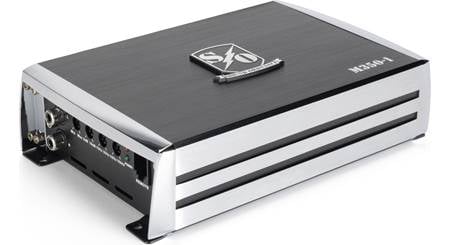
Credit: www.crutchfield.ca
Frequently Asked Questions
What Does A Car Audio Amplifier Do?
A car audio amplifier boosts audio signals for louder, clearer sound. It powers speakers beyond the stereo’s capacity, improving sound quality and volume.
Can I Use Car Audio Without An Amplifier?
Yes, you can use car audio without an amplifier. However, sound quality and volume may be limited compared to systems with amplifiers.
When Is An Amplifier Necessary In A Car Audio System?
An amplifier is necessary for high-power speakers or subwoofers. It ensures better sound clarity, volume, and overall audio performance in your car.
How Does An Amplifier Improve Car Audio Quality?
An amplifier provides clean power to speakers, reducing distortion. It enhances bass, treble, and overall sound richness for a better listening experience.
Conclusion
Deciding on an amplifier for car audio depends on personal needs. A good amplifier boosts sound quality, making music clearer. It can enhance the experience for music lovers. But not everyone needs one. If factory sound satisfies you, an amplifier may not be necessary.
Consider your budget and audio goals. Check if your car’s system supports it. For those seeking better sound, investing in an amplifier can be worthwhile. Always weigh the pros and cons. Make the choice that suits your audio preferences and vehicle setup.