Do Car Amplifiers Make a Difference? Boost Your Sound Now!
Have you ever wondered if adding a car amplifier really changes your music experience? You might think your car stereo sounds fine, but what if it could sound so much better?
An amplifier can boost your sound quality, making your favorite songs clearer, richer, and more powerful. If you love music and want to enjoy every beat while driving, understanding how a car amplifier works can make a big difference. Keep reading to find out if investing in one is worth it for your ride.
How Car Amplifiers Work
Understanding how car amplifiers work can change the way you experience music in your vehicle. These devices boost the audio signal, making your speakers perform better. Knowing their function helps you decide if adding one will truly enhance your sound system.
Role In Sound Systems
Car amplifiers take the weak audio signal from your car’s head unit and increase its power. This stronger signal pushes your speakers harder, producing clearer and louder sound. Without an amplifier, speakers can sound dull or distorted when volume is high.
Think about a time when your music felt flat or lacked depth. An amplifier can fix that by delivering more power and control to each speaker. It also helps reduce strain on your car’s audio components, extending their life.
Types Of Amplifiers
There are several types of car amplifiers, each designed for specific needs. Here are the most common ones:
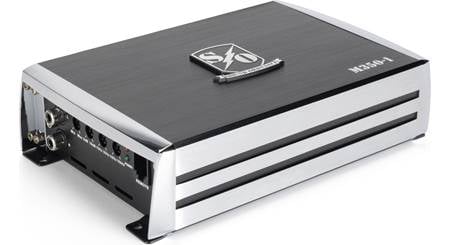
- Mono Amplifiers:These are single-channel amps mainly used for powering subwoofers. They provide deep bass with high power output.
- Two-Channel Amplifiers:Ideal for driving two speakers or a subwoofer and a speaker. They offer flexibility for small to medium setups.
- Four-Channel Amplifiers:Perfect for powering four speakers, usually the front and rear pairs. This type gives balanced sound throughout your car.
Choosing the right amplifier depends on your speaker setup and the kind of sound quality you want. What’s your current sound setup missing? Identifying that can guide you to the amplifier type that fits your needs.

Credit: www.reddit.com
Benefits Of Using An Amplifier
Using a car amplifier brings many benefits to your audio system. It helps improve the overall sound quality and makes your music more enjoyable. Amplifiers provide extra power to your speakers, allowing them to perform better. This means clearer music, louder volume, and stronger bass. Let’s explore these benefits in detail.
Improved Sound Clarity
An amplifier delivers clean power to your speakers. This reduces distortion and background noise. Songs sound sharper and more detailed. You can hear every instrument and vocal clearly. Music feels more natural and less flat. The sound quality improves across all music types.
Increased Volume And Power
Car amplifiers boost the power output to your speakers. This lets you play music louder without distortion. You get a richer, fuller sound at higher volumes. Amplifiers help your system reach its true potential. Your car audio sounds stronger and more dynamic.
Enhanced Bass Response
Amplifiers provide extra energy to bass speakers and subwoofers. This creates deeper and tighter bass sounds. Low notes become more powerful and punchy. The bass hits with more impact without muddiness. It adds excitement and depth to your music experience.
Signs You Need An Amplifier
Knowing when your car audio system needs an amplifier can save you from frustration and disappointing sound quality. There are clear signs that indicate your current setup isn’t delivering the power or clarity you want. Watching out for these warning signals will help you decide if adding an amplifier is the right move for your car’s sound system.
Distorted Sound At High Volume
Have you ever cranked up your music only to hear crackling or muffled noise? Distortion at higher volumes often means your stereo’s built-in amplifier can’t handle the power demand. This leads to a poor listening experience and can even damage your speakers over time.
If you find yourself constantly turning down the volume to avoid distortion, it’s a strong hint that an external amplifier could provide cleaner, more powerful sound without strain.
Weak Bass Performance
Does your bass feel flat or lacking punch? Weak bass is a common issue when your car stereo doesn’t supply enough power to the subwoofers. Even the best subwoofers can sound lifeless without the right amplification driving them.
Adding an amplifier can boost the low-end frequencies and bring that deep, rich bass back to your music. Think about how much more immersive your favorite tracks would be with a solid bass foundation.
Low Speaker Output
If your speakers sound quiet and lifeless, no matter how high you turn up the volume, you might be dealing with low speaker output. This often happens when the head unit’s internal amplifier is too weak to push sound effectively through all your speakers.
Imagine your music filling the entire car with vibrant sound instead of struggling to be heard. An amplifier can provide the extra power necessary to get your speakers performing at their best.

Credit: mytvs.com
Choosing The Right Amplifier
Choosing the right car amplifier can transform your listening experience, but it requires more than just picking the most powerful option. The key is understanding how the amplifier matches your speakers and fits your car’s setup. Let’s break down what you should consider to get the best sound without wasting money or space.
Matching Wattage To Speakers
Think about your speakers’ power handling before buying an amplifier. If the amp’s wattage is too low, your speakers won’t reach their full potential, leaving you with weak sound. Too high, and you risk damaging the speakers with overpowering signals.
Look for an amplifier that delivers a clean, stable wattage close to your speakers’ RMS rating. This balance protects your gear and boosts sound clarity. Have you checked your speaker specs recently? Matching them properly can save you headaches later.
Class Types And Efficiency
Car amplifiers come in different classes, mainly Class A, B, AB, and D. Each class affects sound quality and power efficiency.
- Class Aamps offer excellent sound but waste a lot of power and generate heat.
- Class ABstrikes a good balance between quality and efficiency, making it popular among car audio lovers.
- Class Damps are very efficient and compact but might not suit audiophiles seeking the purest sound.
Think about what matters most to you: raw sound quality or power efficiency. Your choice here impacts not just sound but also battery life and installation ease.
Size And Installation Considerations
Space in your car is limited, so amplifier size matters. A large amplifier might offer more power but could be difficult to fit and cool properly.
Check your vehicle’s available space before ordering. Also, consider how much wiring and mounting work you’re willing to do. Sometimes, a slightly smaller amp that’s easier to install gives better overall results.
Have you measured your trunk or under-seat area? Planning installation early avoids surprises and keeps your system neat and safe.
Installation Tips For Best Performance
Installing a car amplifier correctly makes a big difference in sound quality. Proper setup ensures clear audio and prevents damage to your car’s electrical system. Follow these tips to get the best performance from your amplifier.
Proper Wiring And Connections
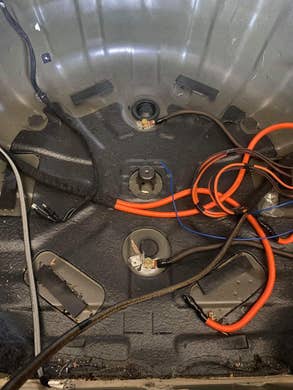
Use high-quality wires designed for car audio systems. Secure all connections tightly to avoid loose contacts. Keep power wires and signal cables separate to reduce noise. Always connect the amplifier ground wire to a clean, metal part of the car chassis. Check all fuses to protect your system from power surges.
Avoiding Electrical Interference
Keep amplifier wires away from the engine and other electrical devices. Shielded cables can reduce unwanted noise and buzzing. Use noise filters if you hear static or interference. Turn off other electronics in your car while testing the amplifier sound. This helps identify and fix any interference issues quickly.
Positioning For Optimal Sound
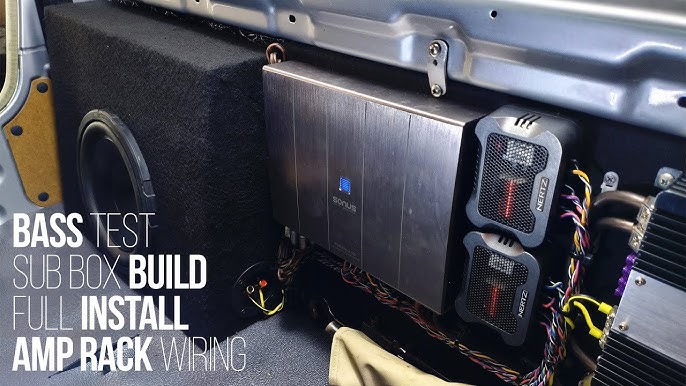
Place the amplifier where it has good ventilation to avoid overheating. Avoid tight spaces that trap heat around the unit. Position speakers and amplifier to balance sound across the car cabin. Keep the amplifier close to the battery to reduce power loss. Proper placement ensures crisp, clear sound with powerful bass.
Credit: www.crutchfield.ca
Common Myths About Car Amplifiers
Car amplifiers often come with many myths. These myths cause confusion about their real value. Understanding common misconceptions helps you make smarter choices for your car audio system. Let’s clear up some popular myths about car amplifiers.
Amplifiers Damage Speakers
Many people think amplifiers can harm speakers. The truth is, damage happens only if the amplifier is too powerful for the speakers. Proper matching of amplifier power and speaker capacity keeps your system safe. An amplifier that fits well improves sound without causing harm.
More Power Always Means Better Sound
More power does not always mean better sound quality. Too much power can lead to distortion and speaker damage. Good sound depends on balance between power, speaker quality, and audio source. A well-tuned system sounds better than just a powerful one.
Amplifiers Are Only For Bass
Amplifiers do more than boost bass. They improve overall sound clarity and volume. Amplifiers help every speaker, from tweeters to woofers, perform better. They make music sound richer and more detailed, not just louder in bass.
Frequently Asked Questions
Do Car Amplifiers Improve Sound Quality?
Yes, car amplifiers can significantly enhance sound quality. They provide clearer sound by boosting audio signals. This results in less distortion and more powerful bass. An amplifier ensures that your speakers receive the correct power for optimal performance.
Are Car Amplifiers Worth The Investment?
Absolutely, car amplifiers are worth the investment. They enhance audio output and provide a richer sound experience. By supplying adequate power, they ensure your speakers perform at their best. Investing in a quality amplifier can transform your in-car audio experience.
Can Car Amplifiers Increase Volume Levels?
Yes, car amplifiers can increase volume levels. They amplify audio signals, allowing speakers to produce louder sounds. This ensures that even at high volumes, the sound remains clear and free from distortion. Amplifiers are essential for those who enjoy loud, high-quality music.
Do All Cars Need Amplifiers?
Not all cars need amplifiers, but many benefit from them. If you desire better sound quality, an amplifier is beneficial. Factory-installed systems often lack power, leading to poor sound. An amplifier provides the necessary boost for a superior audio experience.
Conclusion
Car amplifiers can really improve your sound quality. They boost power and make music clearer and louder. This helps you enjoy your favorite songs better. Not every car needs an amplifier, but many find it worth trying. Think about your music style and car setup first.
A good amp matches your speakers well. It brings out details you might miss otherwise. Sound feels fuller and more exciting with an amp. So, adding one can make a noticeable difference on the road.