What is Amplifier in Car: Boost Your Sound System Power
Have you ever wondered why some car audio systems sound so powerful and clear, while others feel flat and weak? The secret often lies in a small but mighty device called an amplifier.
If you want to boost your car’s sound quality and enjoy your favorite music like never before, understanding what an amplifier is and how it works is the first step. Keep reading to discover how this simple component can transform your driving experience and make every song come alive in your car.

Credit: www.youtube.com
Car Amplifier Basics
A car amplifier is a key part of a vehicle’s audio system. It boosts the sound signal to drive the speakers. Without an amplifier, the sound might be weak or unclear. Understanding the basics helps improve your car audio experience.
Role In Sound System
The amplifier increases audio signal strength. It sends more power to the speakers. This power helps produce louder and clearer sound. It also improves bass and overall sound quality. Amplifiers support multiple speakers and subwoofers in the car. They balance sound levels to avoid distortion. Simply put, an amplifier makes music sound better and fuller inside the car.
How It Works
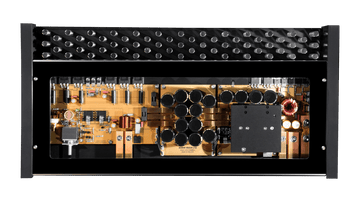
The amplifier takes a small audio signal from the head unit. It then uses electrical power from the car battery. This power boosts the signal to a higher voltage. The amplified signal goes to the speakers. The speakers convert this signal into sound waves. Different classes of amplifiers control power and efficiency. Most car amplifiers use Class A, B, AB, or D technology. Each class affects sound quality and battery use differently.
Credit: www.crutchfield.ca
Types Of Car Amplifiers
Car amplifiers come in different types, each designed for specific sound needs. Choosing the right amplifier enhances your car audio experience. Understanding these types helps you pick the best fit for your setup.
Class A, B, And Ab
Class A amplifiers deliver clean, high-quality sound but use more power. They stay on all the time, which heats up the system. Class B amplifiers save energy by only working half the time but may add some sound distortion. Class AB amplifiers mix both designs. They offer good sound quality with better power efficiency.
Class D Amplifiers
Class D amplifiers use digital technology to boost sound. They are smaller and lighter than other types. These amps run cooler and use less power. Class D is popular for bass-heavy music and long drives. They give loud, clear sound without draining your car battery.
Mono Vs Multi-channel
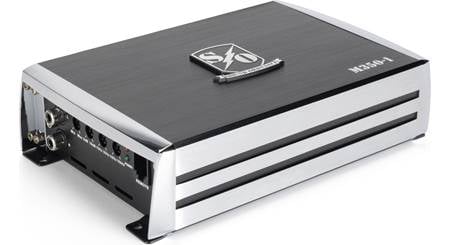
Mono amplifiers have one channel. They power a single speaker or subwoofer. Mono amps are great for deep bass. Multi-channel amplifiers have two or more channels. They can power multiple speakers at once. This setup is perfect for full car audio systems. Multi-channel amps balance sound across all speakers smoothly.
Choosing The Right Amplifier
Choosing the right amplifier for your car sound system affects audio quality and system performance. An amplifier boosts audio signals, making sound louder and clearer. Picking an amplifier that fits your needs ensures better sound and avoids equipment damage.
Power Ratings Explained
Power ratings show how much energy an amplifier can deliver to speakers. Look for RMS power, which means continuous power output. Peak power ratings show short bursts but are less important. Choose an amplifier with power close to your speaker’s RMS rating. Too little power causes weak sound. Too much power can damage speakers.
Matching With Speakers
Speakers and amplifiers must work well together. Check the speaker’s impedance, usually 2, 4, or 8 ohms. Match it with the amplifier’s supported impedance. This keeps the system stable and sound clear. Consider the number of speakers and their total power needs. Choose an amplifier that can handle the load without distortion.
Size And Installation
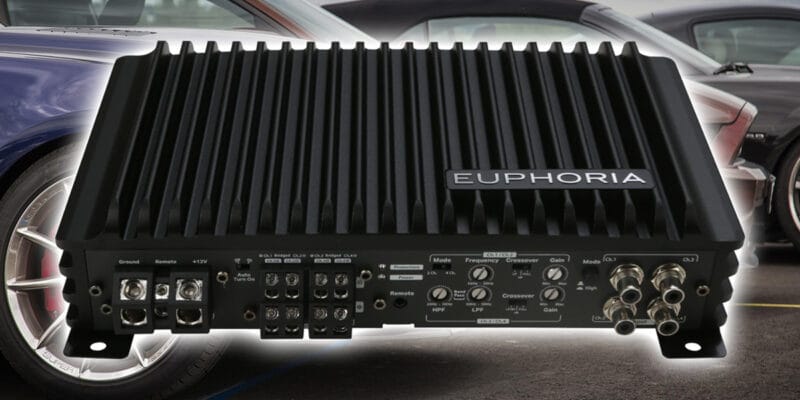
Amplifiers come in different sizes and shapes. Smaller amps fit easily in tight spaces but may have lower power. Larger amps offer more power but need more room. Measure the available space in your car before buying. Also, think about ventilation. Amplifiers produce heat and need airflow to avoid overheating.
Installation Tips
Installing an amplifier in your car can dramatically improve your sound experience, but it requires careful attention to detail. Getting the setup right ensures not only better audio quality but also the safety of your vehicle’s electrical system. Let’s dive into some practical tips that will help you install your amplifier smoothly and effectively.
Wiring Essentials
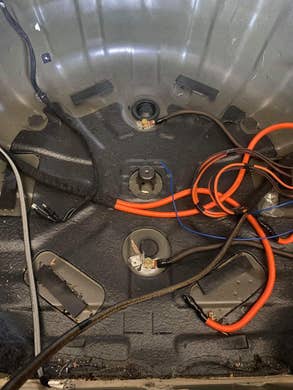
Proper wiring is the backbone of a successful amplifier installation. Use high-quality cables with the correct gauge to handle your amplifier’s power needs. Undersized wires can cause voltage drops or even damage the system.
Always connect the power wire directly to the battery using an inline fuse close to the battery terminal. This fuse protects your car from electrical shorts and fires. Ground your amplifier to a clean, bare metal spot on the car’s chassis to ensure a solid connection.
Have you checked your wiring twice before powering up? A small mistake here can lead to blown fuses or worse, damage to the amplifier.
Placement Strategies
Choosing the right spot for your amplifier affects both performance and durability. Avoid placing it near heat sources like the engine or exhaust components, as excessive heat can shorten the amplifier’s lifespan.
Consider locations with good airflow, such as under a seat or in the trunk with ventilation. This helps keep the amplifier cool during long drives. Also, keep the amplifier away from sensitive electronics to prevent interference and noise in your audio system.
Ask yourself where you can balance accessibility for adjustments with protection from physical damage. Sometimes a hidden spot isn’t always the best choice if it complicates wiring or cooling.
Avoiding Common Mistakes
Many installers overlook simple errors that cause headaches later. One common mistake is skipping the fuse on the power wire, which puts your vehicle at risk during electrical faults.
Another error is mixing up speaker wire connections—reversing polarity can make your speakers sound weak or distorted. Label your wires clearly during installation to avoid confusion.
Have you ever rushed through installation only to find a hum or static in your sound later? Taking time to secure all connections tightly and checking for ground loops can save you from these annoying issues.
Benefits Of A Car Amplifier
Adding a car amplifier brings more than just louder music to your drive. It transforms your entire listening experience by improving sound clarity, boosting volume without distortion, and giving your bass that powerful punch you’ve been missing. If you’ve ever felt your car’s audio system lacked energy or clarity, an amplifier might be the missing piece.
Improved Sound Quality
Car amplifiers provide cleaner power to your speakers, reducing distortion and background noise. You’ll notice your music sounds clearer and more detailed, whether it’s the delicate strings of a guitar or the subtle vocals in a podcast. This clarity lets you catch nuances that standard car stereos often miss.
Increased Volume
Want to fill your car with sound without the crackle and fuzz? An amplifier can deliver higher volume levels while keeping the audio crisp. This means you can enjoy your favorite tunes even during noisy city traffic or on long road trips without sacrificing sound quality.
Enhanced Bass Performance
Many stock car speakers struggle to produce deep, rich bass tones. An amplifier powers subwoofers effectively, giving your bass more depth and punch. If you love feeling the beat in your chest, an amp makes that possible without overpowering other sounds.
Credit: www.bestcaraudio.com
Common Issues And Fixes
Car amplifiers boost audio signals for better sound quality. They can face common problems that affect performance. Recognizing these issues helps keep your system running smoothly. Simple fixes often restore clear sound and reliable function.
Distortion Causes
Distortion happens when the sound output is unclear or fuzzy. It can come from poor wiring or a weak signal. Overloading the amplifier by raising the volume too high also causes distortion. Faulty speakers or bad connections may affect sound quality. Checking these parts often solves the problem quickly.
Overheating Problems
Amplifiers generate heat during use. Overheating occurs if the unit lacks proper ventilation. Dust blocking vents or placing the amplifier in tight spaces increases heat. Running the amplifier at high power for long periods can cause it to overheat. This may lead to automatic shutdown or damage.
Troubleshooting Steps
- Check all wiring and speaker connections for tightness.
- Lower the volume to reduce strain on the amplifier.
- Clean air vents and remove dust buildup regularly.
- Place the amplifier where air can flow freely around it.
- Test with different speakers to rule out speaker faults.
- Inspect the amplifier fuse and replace if blown.
- Reset the amplifier by turning it off and on again.
Following these steps often restores clear sound and prevents damage. Regular care extends the life of your car amplifier and improves audio quality.
Frequently Asked Questions
What Does A Car Amplifier Do?
A car amplifier boosts audio signals to power speakers. It enhances sound clarity, volume, and bass quality in your car’s audio system.
Why Is An Amplifier Important In Car Audio?
Amplifiers improve sound quality by providing more power. They reduce distortion and allow speakers to perform at their best.
How To Choose The Right Car Amplifier?
Consider your speaker type, power needs, and space. Match amplifier power output with speaker RMS for optimal performance.
Can I Install A Car Amplifier Myself?
Yes, but it requires basic electrical skills and tools. Follow instructions carefully to avoid damage or poor sound quality.
Conclusion
Amplifiers make car audio systems sound richer and clearer. They boost sound quality, providing a better music experience. Without an amplifier, speakers might not perform their best. Installing an amplifier can transform your car’s audio. It’s a valuable addition for music lovers.
Enjoy crisper highs and deeper bass. Amplifiers handle power efficiently, reducing distortion. Choose the right amplifier for your car’s needs. Remember, a good amplifier enhances your driving pleasure. Explore your options and select wisely. A small investment for a big audio upgrade.
Experience the difference today. Your favorite tunes deserve the best sound.