What Color Wires Go Together in a Car Stereo: Ultimate Wiring Guide
Wiring your car stereo can feel like a confusing puzzle. You see a tangle of different colored wires and wonder, “Which ones go together?”
Getting this right is key to making sure your sound system works perfectly without any issues. You’ll discover exactly what color wires connect and why. By the end, you’ll have the confidence to wire your car stereo like a pro.
Keep reading to unlock the simple color code that makes installation easy and stress-free.
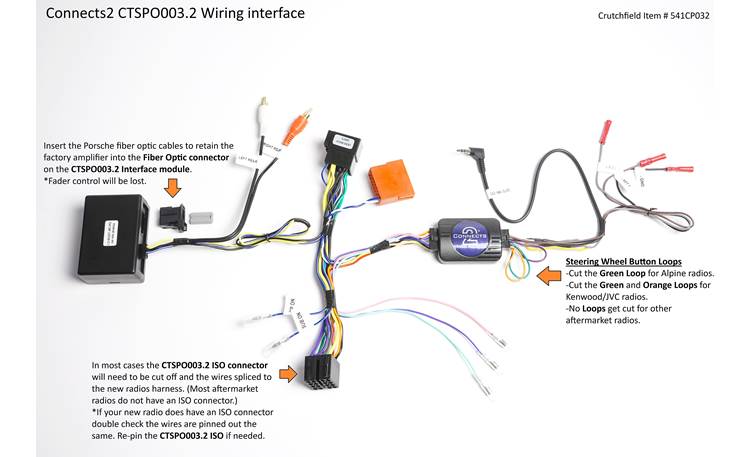
Credit: forum.ih8mud.com
Car Stereo Wiring Basics
Understanding the basics of car stereo wiring is essential before starting any audio installation. Each wire color in a car stereo has a specific role. Matching the correct wires ensures the system works properly and prevents damage. Knowing these basics helps to connect the stereo safely and effectively.
Common Wire Colors
- Red:Power wire, usually connected to the ignition switch
- Yellow:Constant 12V power, keeps memory settings
- Black:Ground wire, connects to the car’s chassis
- Blue:Power antenna or amplifier turn-on wire
- White and White with Black Stripe:Front left speaker positive and negative
- Gray and Gray with Black Stripe:Front right speaker positive and negative
- Green and Green with Black Stripe:Rear left speaker positive and negative
- Purple and Purple with Black Stripe:Rear right speaker positive and negative
Wire Functionality
Each wire color serves a clear function in the car stereo system. The red and yellow wires supply power but in different ways. The red wire powers the stereo only when the car is on. The yellow wire keeps the stereo memory active even when the car is off.
The black wire is crucial for grounding. It helps complete the electrical circuit and prevents shorts. Speaker wires come in pairs, one positive and one negative. These pairs carry audio signals to the speakers, allowing sound to play correctly.
The blue wire activates external devices like antennas or amplifiers. Proper connection of these wires ensures the stereo works smoothly without electrical issues.
Power Wires
Power wires are the lifeline of your car stereo system. They supply the necessary electricity to keep your device running smoothly and safely. Understanding which power wires connect and their colors can save you from costly mistakes and frustrating troubleshooting.
Constant Power Wire
The constant power wire is usually colored yellow. It provides a steady 12-volt supply directly from the car battery, even when the ignition is off.
This wire keeps your stereo’s memory alive, preserving settings like radio presets and clock time. If you disconnect or mix this wire up, your stereo might lose all saved data every time you turn off the car.
Switched Power Wire
The switched power wire is typically red. It only supplies power when the ignition is turned on, activating the stereo during driving.
This wire controls when your stereo powers up, preventing battery drain when the car is off. Have you ever left your stereo on and found a dead battery? That’s often because the switched wire wasn’t connected properly.
Ground Wire
The ground wire is almost always black. It completes the electrical circuit by connecting the stereo to the car’s chassis or a grounding point.
Without a solid ground, your stereo can experience static, poor sound quality, or might not turn on at all. Ensuring a clean, secure ground connection is just as important as the power wires themselves.
Speaker Wires
Speaker wires play a crucial role in delivering sound from your car stereo to the speakers. Understanding which wires connect to which speakers can save you time and frustration. If you’ve ever faced uneven sound or no sound at all, incorrect wiring might be the culprit.
Front Speaker Wiring
The front speakers typically have their own set of wires that connect directly to the stereo unit. These wires are usually color-coded to help you identify the right connections quickly. The positive and negative wires for the front left and right speakers must be matched correctly to avoid sound issues.
For example, the front left speaker usually uses a white wire for positive and white with a black stripe for negative. The front right speaker often uses gray for positive and gray with a black stripe for negative. Keeping these pairs intact ensures your sound stays balanced and clear.
Rear Speaker Wiring
Rear speaker wiring follows a similar pattern but uses different color codes to prevent confusion. These wires run from the stereo to the back of your vehicle, powering the rear left and right speakers.
Typically, the rear left speaker wires are green for positive and green with a black stripe for negative. The rear right speaker wires usually come in purple for positive and purple with a black stripe for negative. Mixing these up can cause one side to be louder or completely silent, so double-check before you connect.
Color Coding For Speakers
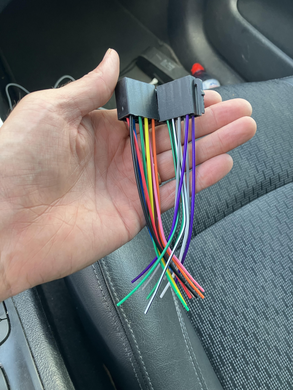
Color coding is your best friend when wiring car speakers. It allows you to quickly identify and match wires without guesswork. Most car stereo manufacturers follow this color scheme:
| Speaker | Positive Wire | Negative Wire |
|---|---|---|
| Front Left | White | White with Black Stripe |
| Front Right | Gray | Gray with Black Stripe |
| Rear Left | Green | Green with Black Stripe |
| Rear Right | Purple | Purple with Black Stripe |
Have you ever wondered why one speaker sounds different from the others? Checking the wire colors could reveal a simple fix. Matching positive to positive and negative to negative keeps your audio crisp and prevents damage to your system.
Credit: www.myjeepcompass.com
Antenna And Remote Wires
The antenna and remote wires play crucial roles in your car stereo setup. Connecting them correctly ensures clear radio reception and proper power control for your amplifier or other accessories. Understanding their wire colors helps you avoid confusion and potential damage during installation.
Antenna Wire Color
The antenna wire is usually blue or blue with a white stripe. This wire connects to your car’s power antenna or antenna booster. Without this connection, your radio might not pick up signals clearly, especially in areas with weak reception.
Sometimes, the antenna wire can be part of a larger harness with other blue wires. To be sure, check your car’s manual or the stereo’s wiring guide. Have you ever struggled with static or poor radio reception? This wire is often the culprit.
Remote Turn-on Wire
The remote turn-on wire is typically blue with a white stripe. It signals your amplifier or powered subwoofer to turn on when the stereo powers up. If you skip this wire, your amp won’t power on, and you’ll miss out on sound quality improvements.
Connecting the remote turn-on wire correctly saves battery life by powering accessories only when the stereo is active. If you’re adding an aftermarket amp, this wire becomes your best friend. Ever wondered why your amp stays on and drains your battery? It might be because this wire wasn’t hooked up right.
Connecting Wires Safely
Connecting wires safely is the foundation of a reliable car stereo installation. It ensures your system works well without causing shorts or electrical problems. Paying attention to how you join wires can save you time and frustration down the road.
Using Connectors
Connectors keep wires secure and prevent loose connections that could disrupt your audio. Crimp connectors, butt connectors, and quick-disconnect terminals are popular choices for car stereo wiring. They provide a stable, insulated join that resists vibration and moisture.
When I first installed a car stereo, I tried twisting wires together and taping them. The sound cut out every time I hit a bump. Switching to proper connectors fixed the issue immediately. Don’t skip this step—your stereo deserves a solid connection.
- Strip wire ends neatly without damaging the copper strands.
- Insert wires fully into the connector before crimping.
- Use a crimping tool, not pliers, for a tight and lasting grip.
- Cover exposed connectors with heat shrink tubing or electrical tape.
Avoiding Wiring Mistakes
Mismatched wires can cause your stereo to malfunction or even blow fuses. Always match colors carefully: red usually means power, black is ground, and blue often connects to antenna or amplifier turn-on leads. Double-check your car’s wiring diagram before making any connections.
Have you ever connected wires only to realize the stereo doesn’t turn on? That’s often because the ignition wire wasn’t connected properly or ground wires weren’t secure. Simple mistakes like these are easy to avoid with patience and attention to detail.
- Label wires if you’re disconnecting the factory harness.
- Test each wire with a multimeter to confirm voltage and continuity.
- Keep power and speaker wires separate to reduce interference.
- Secure wires away from sharp edges and moving parts.

Credit: www.youtube.com
Troubleshooting Wiring Issues
Troubleshooting wiring issues in a car stereo can be tricky. Wires often look similar, making it easy to connect the wrong ones. Problems like no sound, static, or power failure usually trace back to wiring mistakes. Careful checking of wire colors and connections helps find and fix these problems quickly.
Common Problems
- No power to the stereo unit
- Speakers produce no sound or weak sound
- Static noise or crackling from speakers
- Fuse blowing repeatedly
- Wires overheating or melting
- Speakers only work on one side
These issues often come from wrong wire matching or loose connections. Mixing up power and speaker wires is a frequent error. Also, poor grounding or damaged wires cause interruptions.
Testing Wire Connections
Start by turning off the car’s power. Use a multimeter or test light to check wires. Measure voltage on power wires to confirm power supply. Test speaker wires for continuity to ensure no breaks.
Check wire colors carefully:
| Wire Color | Function |
|---|---|
| Red | Switched power (ignition) |
| Yellow | Constant power (battery) |
| Black | Ground |
| White / Gray / Green / Purple | Speaker wires |
Ensure wires match their proper function. Tighten all connections and check for corrosion. Replace damaged wires and avoid splicing too many wires together.
Tips For Custom Wiring
Custom wiring in a car stereo can be tricky. Proper organization helps avoid confusion and mistakes. Following simple tips makes the process smooth and safe. Clear steps improve your wiring skills and protect your car’s electrical system.
Labeling Wires
Label every wire before starting the installation. Use small tags or masking tape with clear writing. Mark each wire with its function, like power, ground, or speaker. This step saves time and prevents errors during connection. It also helps if you need to fix or upgrade later.
Using Wiring Diagrams
Always use a wiring diagram for your car model and stereo. Diagrams show wire colors and their connections. They guide you on which wires to connect together. Keep the diagram nearby while working for easy reference. This reduces guesswork and ensures correct wiring.
Frequently Asked Questions
What Color Wires Connect Power In A Car Stereo?
The red wire usually connects to the car’s 12V ignition power. The yellow wire connects to a constant 12V battery source. These wires provide power for the stereo to turn on and retain settings.
Which Wires Handle Speaker Connections In Car Stereos?
Speaker wires often come in pairs with a solid color and a stripe. For example, white and white/black are front left speakers. Gray and gray/black are front right speakers.
How Do Ground Wires Work In Car Stereo Wiring?
The black wire is typically the ground wire. It connects the stereo to the vehicle’s chassis to complete the electrical circuit and prevent noise.
Can Wire Colors Vary Between Car Stereo Brands?
Yes, wire colors may slightly vary by manufacturer. Always refer to the stereo’s wiring diagram before connecting wires to avoid damage.
Conclusion
Understanding car stereo wire colors can simplify your installation process. Matching wires correctly ensures optimal sound and device performance. Always double-check the wiring diagram for your specific car model. This prevents potential mistakes. A clear understanding of wire functions helps avoid confusion.
Secure connections guarantee lasting results. Enjoy quality sound with peace of mind. Safety first, so keep tools handy and proceed carefully. Now, you’re ready to connect your car stereo confidently. Happy listening!