How to Check If Car Stereo Works: Quick & Easy Testing Tips
Have you ever turned on your car stereo, only to wonder if it’s really working right? Maybe the sound feels off, or nothing plays at all.
Knowing how to quickly check if your car stereo works can save you time, money, and frustration. In this guide, you’ll discover simple steps that anyone can follow to test your stereo’s performance. By the end, you’ll feel confident about your car’s audio system and know exactly what to do if something isn’t right.
Let’s get started and make sure your favorite tunes never miss a beat.
Credit: jerry.ai
Prepare Your Car Stereohttps://www.crutchfield.ca/learn/tips-for-car-stereo-diy-like-a-pro.html
Getting your car stereo ready before testing it saves you time and frustration. Preparation helps you spot any missing parts or issues early. It also ensures you can safely and accurately check if the stereo works as it should.
Gather Necessary Tools
Start by collecting all the tools you will need. This usually includes a screwdriver set, wire strippers, a multimeter, and electrical tape. Having these tools at hand makes the process smoother and faster.
Don’t forget to have your car stereo manual nearby. It contains specific details that can guide you through connections and troubleshooting. Missing this can make simple tasks confusing and slow you down.
Ensure Power Supply
Make sure your car’s battery is charged or your car is running. The stereo needs a stable power source to turn on and function properly. Without power, you can’t test anything, and you might think the stereo is broken when it’s not.
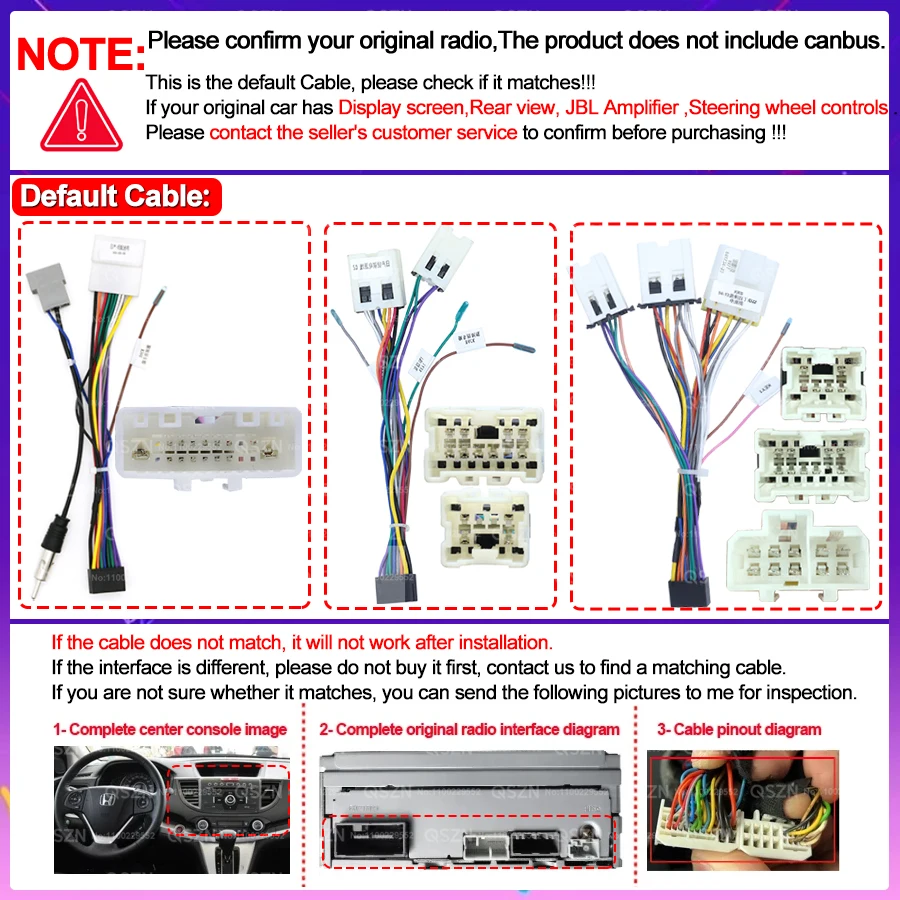
Check the wiring harness and fuse related to the stereo. A blown fuse or loose wire can prevent power from reaching the unit. Have you ever tried to fix something only to find the power was the real issue? Double-checking this saves a lot of guesswork.
Credit: www.aliexpress.com
Initial Power Check
Checking if your car stereo powers on properly is the first and simplest step to confirm it’s working. Without power, there’s no way to test sound or other functions. This initial power check saves time and helps you spot basic issues like blown fuses or loose wiring before diving deeper.
Turn On The Stereo
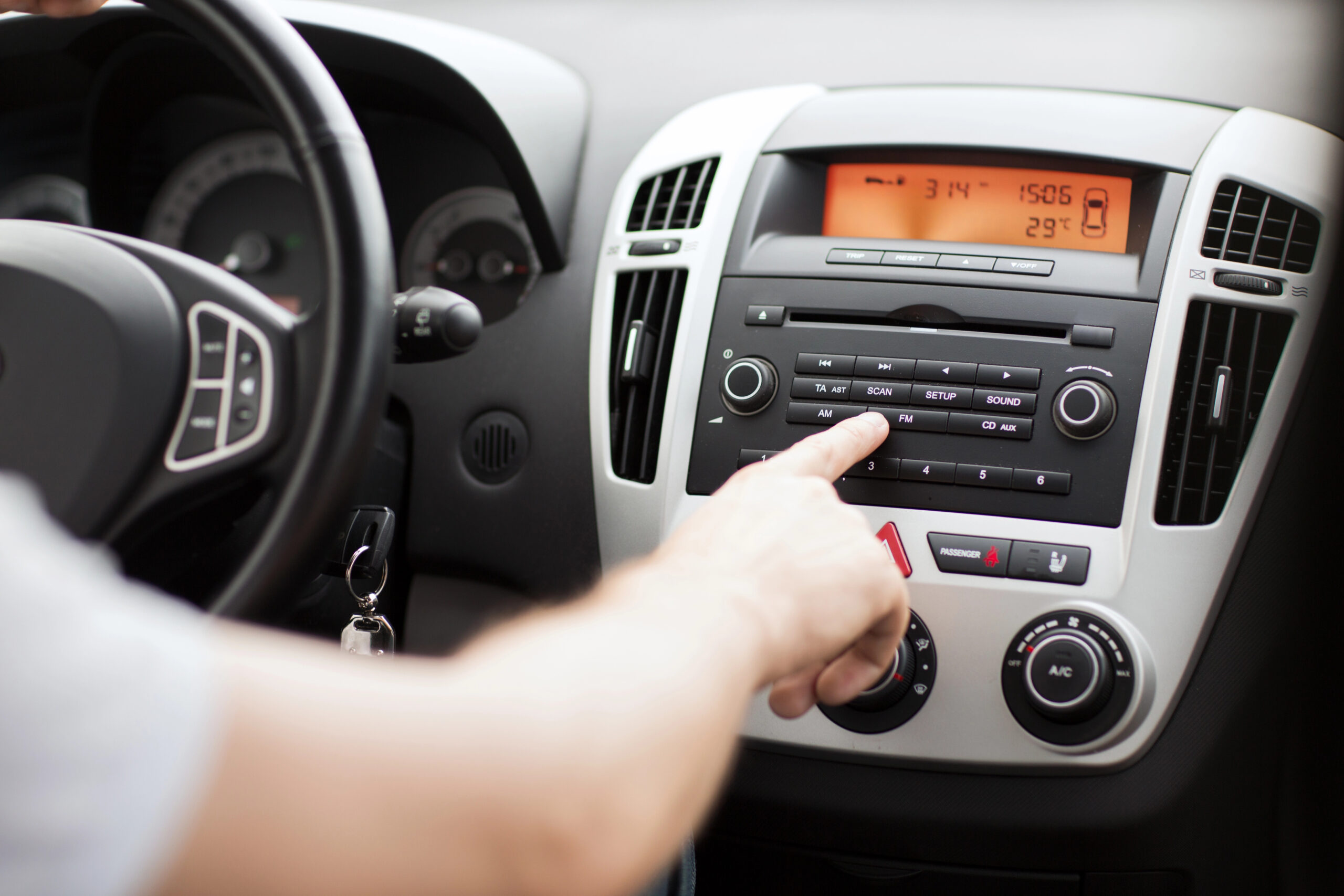
Start by turning the key in the ignition to the accessory position or fully on if your vehicle requires it. Then, press the power button on the stereo unit. If nothing happens, double-check the car battery and fuse related to the stereo system.
Sometimes the stereo won’t power up because the ignition isn’t in the right position or the parking brake isn’t engaged—especially in newer models. Have you noticed your stereo staying off even with the car running? This small detail can be the culprit.
Look For Display And Lights
Once you press the power button, check if the display lights up or any indicator lights come on. A working screen or LED lights usually mean the stereo is receiving power correctly. If the display is blank or flickering, it might signal a loose connection or internal fault.
Some stereos show a welcome message or the current radio station when powered on. If you see nothing at all, try adjusting the brightness or contrast settings, as these can sometimes make the display appear off even when it’s on. Have you ever assumed a stereo was dead just because the screen was too dim?
Sound Output Test
Testing the sound output of your car stereo is key to know if it works well. This test shows if the speakers and connections deliver clear, strong sound. It also helps find issues like low volume or distortion. Follow simple steps to check the sound quality accurately.
Play A Test Track
Choose a song or audio file with clear vocals and instruments. Use a familiar track to notice any changes in sound. Play it through the car stereo system. Listen carefully for clarity, bass, and treble balance. Make sure sound comes from all speakers, not just one side. This helps identify if any speaker is broken or disconnected.
Adjust Volume And Balance
Start with a low volume and slowly increase it. Check if the sound stays clear and does not distort. Next, adjust the balance settings to shift sound from left to right speakers. Then, change the fader to test front and rear speakers. Proper balance and fader settings confirm all speakers work equally. Uneven sound may mean wiring or speaker problems.

Credit: mobileaudioconcepts.com.au
Check Connections
Checking connections is a key step to know if your car stereo works. Loose or broken wires cause common audio problems. A quick check can save time and money before deeper troubleshooting. Focus on speaker wires and antenna connections. These parts affect sound quality and radio signals.
Inspect Speaker Wires
Look at the speaker wires behind the stereo or inside the doors. Make sure wires are secure and not cut or frayed. Loose wires can cause no sound or low volume. Use your fingers to gently pull each wire to confirm tightness. Clean any dirt or corrosion on wire ends. Replace damaged wires to restore sound.
Verify Antenna Connection
The antenna helps your stereo receive radio signals clearly. Check the antenna cable at the back of the stereo. Ensure it is fully plugged in and not bent. A loose antenna causes weak or no radio reception. Inspect the antenna mast outside the car for damage. Fix or replace the antenna if needed for better signal.
Test Different Audio Sources
Testing different audio sources helps you confirm whether your car stereo is working properly across all its functions. It’s important because a stereo might play one source perfectly but struggle with others. Checking multiple inputs gives a clearer picture of its overall performance.
Try Radio Function
Start by tuning into the radio. Pick a station with a strong signal to avoid static interference. Listen carefully for clear sound without distortion or crackling noises.
Adjust the volume and change stations to see if the stereo responds smoothly. Does the reception cut out when you move the antenna? That could signal an antenna issue rather than a stereo problem.
Have you noticed your favorite station sounds different in your car compared to your home radio? This quick test helps you figure out if the stereo or the radio signal is causing the difference.
Use Usb Or Aux Input
Next, plug in your phone or a USB drive loaded with music using the USB or Aux input. This lets you check if the stereo can read external devices properly. Make sure the connection is secure and the device is compatible with the stereo.
Play various songs and listen for consistent audio quality. Are all tracks playing without skipping or sudden volume changes? This can point to issues with the input ports or the stereo’s ability to decode files.
If you experience problems, try another cable or device to rule out external factors. Have you ever dismissed your stereo as faulty, only to find a faulty cable was the real culprit? Testing different cables can save you unnecessary repairs.
Troubleshoot Common Issues
Troubleshooting common car stereo issues helps save time and money. Many problems are simple and fixable without expert tools. This guide covers typical problems and easy solutions.
No Power Problems
Check the car battery connection first. Loose or corroded cables stop power flow.
- Inspect the stereo fuse in the fuse box. Replace blown fuses with the same rating.
- Ensure the ignition is turned on. Some stereos only power on with the key in the accessory position.
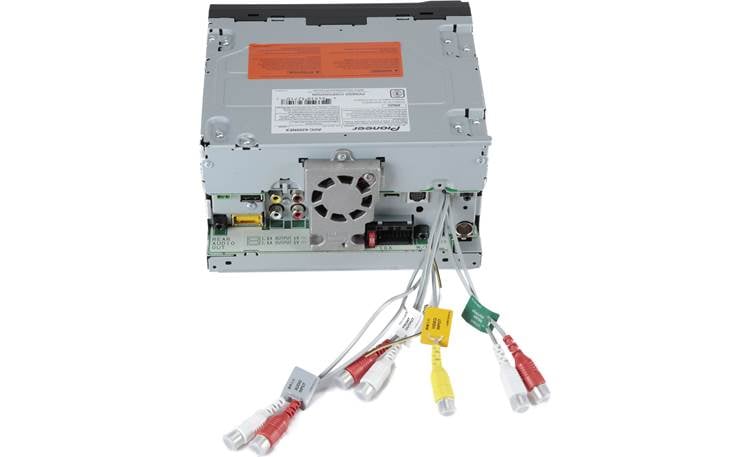
- Look for a loose or disconnected wiring harness behind the stereo unit.
- Test the stereo’s power wires with a multimeter. No voltage means a wiring issue.
- Reset the stereo by disconnecting the car battery for a few minutes.
No Sound Solutions
Sound issues often come from simple causes. Start by checking the volume and mute settings.
- Verify speaker wires are connected and not damaged.
- Test the balance and fade controls. Make sure sound is not directed away from speakers.
- Try playing different audio sources to rule out file or device problems.
- Inspect the amplifier, if the stereo uses one. Check power and connections.
- Swap speakers temporarily to identify if a speaker is faulty.
Use Diagnostic Tools
Using diagnostic tools can save you time and frustration when checking if your car stereo works properly. These tools help you identify electrical problems and hidden issues that aren’t obvious through simple observation. Have you ever wondered why your stereo turns on but no sound comes out? Diagnostic tools can give you clear answers.
Multimeter Testing
A multimeter is a handy device for testing the electrical flow to your car stereo. It measures voltage, current, and resistance, helping you spot wiring problems or blown fuses quickly.
To use a multimeter, first set it to measure voltage. Then, connect the probes to the stereo’s power wires. If the reading matches your car battery voltage (usually around 12 volts), your stereo is getting power. If it’s lower or zero, there’s likely a wiring or fuse issue.
Testing the speaker wires with a multimeter can also reveal if your speakers are connected properly or if there’s a break in the wiring. This simple check can prevent you from buying unnecessary replacements.
Obd-ii Scanner For Advanced Checks
An OBD-II scanner is typically used for engine diagnostics, but some advanced models can detect issues related to your car’s audio system. It connects to your vehicle’s onboard computer and can reveal error codes linked to the stereo or related electrical components.
Plug the scanner into your car’s OBD-II port, usually found under the dashboard. The scanner will display any fault codes that might affect your stereo’s performance. This insight can help you decide if the problem is software-related or requires a deeper electrical fix.
Using an OBD-II scanner might sound complicated, but many affordable models come with user-friendly apps for your smartphone. This means you don’t need to be a mechanic to interpret the results. Have you tried scanning your car’s system yet to uncover hidden stereo problems?
Final Tips For Reliable Testing
Testing your car stereo thoroughly ensures it works well every time you drive. Reliable checks prevent surprises during trips. Follow these final tips to keep your testing accurate and simple. Consistent care and knowing when to ask for help make a big difference.
Perform Regular Maintenance
Clean the stereo and its connections often. Dust and dirt can block signals. Check speaker wires for loose ends or damage. Replace batteries in remote controls regularly. Update software if your stereo supports it. Small tasks keep sound quality clear and consistent.
Seek Professional Help If Needed
Some problems need expert tools and knowledge. Complex wiring or internal faults require a technician. Avoid forcing parts or guessing repairs. Professionals save time and prevent extra damage. Trust trained hands to fix tricky stereo issues safely.
Frequently Asked Questions
How Can I Test My Car Stereo’s Power?
To test your car stereo’s power, start by turning on the ignition. Check if the stereo display lights up. If not, inspect the fuses and connections. Ensure all wiring is secure and connected properly. If power issues persist, consider consulting a professional technician for further diagnosis.
Why Is My Car Stereo Not Producing Sound?
If your car stereo isn’t producing sound, first check the volume settings. Ensure the speakers are connected properly. Inspect the balance and fade settings to confirm they are centered. If the issue continues, it might be a wiring problem or speaker issue.
Consult a professional for accurate troubleshooting.
What Tools Do I Need To Check My Car Stereo?
To check your car stereo, you need basic tools like a multimeter, screwdriver, and wire stripper. These tools help inspect connections and test voltages. Having a user manual for your stereo is also beneficial. It provides specific guidance for your stereo model, ensuring effective troubleshooting and maintenance.
How Do I Identify Stereo Wiring Issues?
Identify stereo wiring issues by visually inspecting all connections for damage or disconnection. Use a multimeter to test for continuity and correct voltage. Ensure wires are securely connected to the stereo and speakers. If problems persist, seek professional help to avoid damaging the stereo or vehicle wiring.
Conclusion
Checking your car stereo is simple and saves you time. Follow the steps carefully to hear clear sound. Make sure all connections are tight and power is on. Test different functions like radio, CD, or Bluetooth. Fix small problems early to avoid bigger issues later.
A working stereo makes driving more fun and safe. Keep your car stereo in good shape for best results. Easy checks help you enjoy music on every trip. Stay confident with your sound system on the road.