How to Connect a Car Amp to a Home Stereo: Easy Step-by-Step Guide
Master Automotive Systems Engineer & Performance Vehicle Specialist at CarSpeedNest Automotive Testing Lab · ASE Certified Master Technician, Mobile Electronics Certified Professional (MECP Master), Certified Dyno Diagnostic Specialist · 14+ years in dyno testing, electronic sensor calibration, automotive wiring harnesses, and precision drivetrain maintenance
Have you ever wondered how to get that powerful car amp sound booming through your home stereo? If you want to boost your music experience without buying new gear, connecting a car amplifier to your home stereo might be the perfect solution.
It’s simpler than you think, and once set up, your favorite songs will come alive with richer, clearer sound. Keep reading, and you’ll discover step-by-step how to make this connection work smoothly—giving your home audio a serious upgrade.
Credit: www.diymobileaudio.com
Gather Required Tools
Before you start connecting your car amplifier to a home stereo, gathering the right tools is crucial. Having everything ready saves time and prevents frustration. It also ensures the setup goes smoothly and safely.
Essential Equipment
To connect a car amp to your home stereo, you’ll need a few specific items. Begin with quality RCA cables, as they carry the audio signals effectively. You’ll also need speaker wires to link the amp to your speakers.
Don’t forget a power supply that matches your car amp’s voltage requirements. Most car amps run on 12 volts, so a reliable 12V DC power source is essential. Additionally, a grounding wire will help prevent unwanted noise and interference.
Some handy tools include wire strippers, electrical tape, and a multimeter for checking connections. These small tools make your job easier and help you avoid mistakes.
Safety Precautions
Working with electrical equipment always involves some risk. Before you start, disconnect any power source to avoid electric shock or damage to your gear. Double-check that your power supply matches the amp’s specifications.
Make sure you work in a dry, well-lit area. Avoid placing wires near sharp edges or hot components to prevent damage. Also, test your connections with a multimeter before powering everything up to catch any shorts or wrong wiring.
Have you ever experienced a blown fuse because of a simple wiring error? Taking these safety steps seriously can save your equipment and your peace of mind. Safety isn’t just about protecting gear; it’s about protecting you.
Prepare The Car Amp
Preparing your car amplifier before connecting it to a home stereo is essential for a smooth and safe setup. This step helps avoid damage to your equipment and ensures the best sound quality. Taking the time to understand your amp’s specifications and connections will save you frustration later on.
Check Power Ratings
Start by checking the power ratings on your car amp. Look for the RMS (root mean square) wattage, which tells you the continuous power the amp can handle. Compare this with your home stereo system’s output to make sure they match well.
Pay attention to the voltage requirements too. Car amps typically run on 12V DC, while home systems use 120V or 220V AC. This means you will need a suitable power supply or adapter to safely power the amp at home.
Have you considered what happens if the power ratings don’t align? Using an amp with too high or too low power can lead to poor sound or even damage. Always prioritize compatibility for best results.
Inspect Input And Output Ports
Next, examine the input and output ports on the car amplifier. Car amps usually have RCA inputs designed for low-level signals, which is similar to many home audio devices.
Check if your home stereo outputs use RCA or speaker wire connections. You might need adapters or special cables to connect these properly. For example, if your stereo only has speaker wire outputs, you’ll need a line output converter to feed the amp’s RCA inputs.
On the output side, identify the speaker terminals and their impedance ratings. Make sure your home speakers or subwoofers match these ratings to avoid overloading the amp. This step ensures your setup runs efficiently and safely.
Set Up Power Supply
Setting up the power supply is a crucial step when connecting a car amp to your home stereo. Without the right power setup, your amp won’t perform well, and you risk damaging your equipment. Getting this part right ensures clear sound and safe operation.
Choose Suitable Power Source
Your car amp needs a stable power source, but home electrical systems differ from car batteries. You can’t just plug the amp into a regular outlet without adjustment. Look for a power source that can deliver a steady DC voltage close to what your amp requires—usually around 12 volts.
Many people use a dedicated power supply designed for car audio amps or a deep cycle battery. A power supply with at least 20 amps of current capacity often works well for most car amps. Make sure the power source you pick is reliable and has proper safety features to avoid voltage spikes.
Use Proper Voltage Converter
Home power outlets supply AC voltage, but car amps need DC voltage. This means you must convert the 120V or 230V AC power from your wall into a safe, stable 12V DC. Using the right voltage converter or power supply unit is key to prevent damage and ensure consistent performance.
Look for a converter that can handle the amp’s maximum current draw. If your amp can pull 15 amps at 12 volts, your power supply should support at least that much. Don’t assume a lower-rated power supply will work; it could overheat or shut down unexpectedly.
Have you checked if your converter includes built-in protections like short circuit or overcurrent safeguards? These features protect both your amp and your home setup. If you want to experiment with your car amp at home, investing in a quality voltage converter will save you headaches and improve your sound experience.
Connect Audio Input
Connecting the audio input is a crucial step when linking a car amplifier to your home stereo. It ensures the signal travels cleanly from your stereo to the amp, delivering the best sound quality. Understanding how to identify the right output on your stereo and choosing the correct cable type makes this process straightforward.
Identify Stereo Output
Start by examining the back of your home stereo. Look for output ports labeled as “Line Out,” “Pre Out,”or simply “Audio Out.”These outputs send audio signals to external devices like your car amp.
If your stereo has multiple output options, pick the one that matches your amp’s input. Some stereos use RCA jacks, while others may have speaker wire terminals. Knowing the exact output type helps avoid compatibility issues.
Use Rca Or Speaker Wire
Most car amplifiers accept RCA inputs, so using RCA cables is the simplest and cleanest way to connect. RCA cables carry the audio signal with minimal interference and are easy to plug in.
If your home stereo doesn’t have RCA outputs but only speaker wire terminals, you can still connect by using a speaker wire to RCA adapter. This lets you send the audio signal from the stereo’s speaker output to the amp’s RCA input without hassle.
Make sure to connect the cables properly: red to red(right channel) and white or black to white(left channel). Incorrect connections can lead to poor sound or no sound at all.
Wire The Speakers
Wiring the speakers correctly is crucial when connecting a car amp to your home stereo. It ensures the best sound quality and protects your equipment from damage. You need to pay attention to how the speakers are connected and make sure everything matches up properly.
Match Impedance Levels
Impedance is the resistance your speakers provide to the amplifier’s signal. If the impedance doesn’t match what your amp supports, you risk overheating or damaging the amp. Check the specs on both your car amp and home speakers to find compatible impedance values.
Most car amps are designed for 2 to 4 ohms, while home speakers often have 8 ohms. If your amp can’t handle 8 ohms, consider wiring multiple speakers in parallel or series to adjust the overall impedance. This might sound complicated, but a simple wiring diagram can clear things up.
Secure Speaker Connections
Loose connections can cause sound dropouts or even short circuits. Make sure your speaker wires are stripped properly and twisted tightly before attaching them to the amp terminals. Use quality connectors or solder the wires if possible.
Don’t forget to double-check polarity—positive to positive and negative to negative. Reversing these can cause phase issues that mess with your soundstage. Once everything is connected, gently tug on the wires to confirm they’re secure and won’t come loose over time.
Test The System
Testing the system is the crucial step after connecting a car amp to your home stereo. This process confirms that all connections work well. It also helps catch any issues before regular use. Testing ensures the best sound performance and protects your equipment from damage.
Check For Sound Quality
Start by playing a familiar song with clear vocals and instruments. Listen closely for any distortion or crackling sounds. The bass should be deep and clean, without overwhelming other frequencies. Make sure the sound is balanced across all speakers. If you hear any odd noises, recheck your wiring and connections.
Adjust Volume And Settings
Begin with the volume low to avoid sudden loud sounds. Gradually increase volume to a comfortable level. Use the amp’s bass, treble, and gain controls to fine-tune the sound. Adjust settings until the audio feels clear and rich. Avoid pushing the amp to its maximum to prevent distortion and damage.
Troubleshoot Common Issues
Troubleshooting common issues when connecting a car amp to a home stereo can save you a lot of time and frustration. Problems like no sound or distorted audio often stem from simple mistakes or overlooked details. Identifying the cause quickly helps you get back to enjoying your music without delay.
No Sound Problems
If you’re not hearing any sound, start by checking your connections. Loose or incorrect wiring is usually the culprit. Double-check that the amplifier’s input cables are securely connected to the home stereo’s output.
Another thing to verify is the power supply. Car amps require a stable 12V power source. Using an adapter that doesn’t supply enough current can result in no sound. Have you tested the power adapter with a multimeter to ensure it’s outputting the right voltage?
Also, inspect the ground wire. A poor ground connection can prevent the amp from turning on properly. Try grounding the amp to a different metal surface to see if that fixes the issue.
Distortion And Interference
Distorted sound or interference often points to grounding problems or cable quality. Poor grounding can introduce a buzzing noise, ruining your listening experience. Make sure the ground wire is short, thick, and connected to a clean metal surface.
Cable quality matters more than many expect. Cheap or damaged RCA cables can pick up interference from nearby electronics. Have you tried swapping your cables with higher-quality, shielded ones to reduce noise?
Another common cause of distortion is running the amplifier beyond its power limits. If your amp or speakers are pushed too hard, the sound will clip and distort. Adjust your volume levels and check the gain settings on the amp to avoid this.

Credit: www.reddit.com
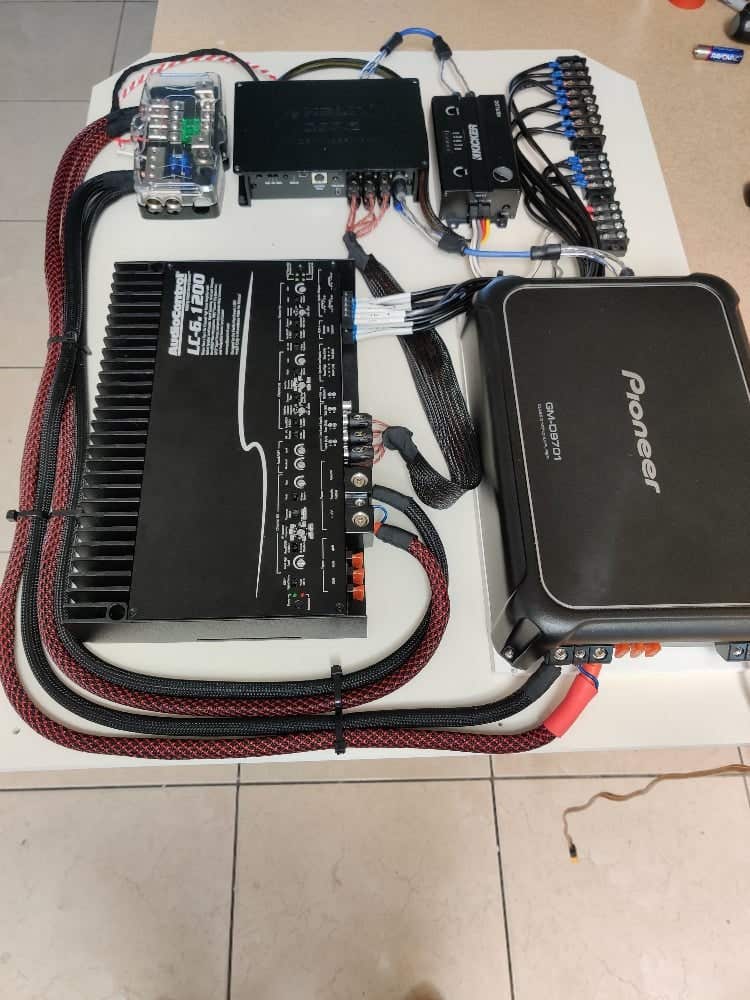
Credit: www.diymobileaudio.com
Frequently Asked Questions
Can I Use A Car Amp With Home Stereo?
Yes, you can use a car amp with a home stereo. You’ll need a power inverter to convert household AC power to 12V DC. Ensure compatibility with your stereo’s output. Proper wiring is essential for safety and optimal sound quality.
Always follow manufacturer guidelines for best results.
What Power Supply Is Needed For A Car Amp?
A car amp requires a 12V DC power supply. To use it at home, you’ll need a power inverter. The inverter should match the amp’s power requirements. An incorrect power supply can damage the amp or reduce performance. Ensure the power supply provides sufficient current for optimal operation.
How To Connect Car Amp To Home Stereo?
To connect, use RCA cables from the stereo to the amp. Ensure the stereo output matches the amp input. Connect the amp to speakers using speaker wires. Use a power inverter for the amp. Secure all connections to prevent sound distortion and ensure safety.
Is It Safe To Use A Car Amp At Home?
Using a car amp at home is safe with proper setup. Ensure connections are secure and use a compatible power inverter. Overloading the amp or using mismatched components can be hazardous. Follow manufacturer guidelines to avoid electrical risks and maintain sound quality.
Conclusion
Connecting a car amp to a home stereo can boost your sound experience. Use the right cables and tools for a safe setup. Double-check all connections before turning on the system. Keep volume levels low at first to avoid damage.
Enjoy clearer, stronger sound from your home stereo now. Simple steps lead to great audio results at home. Experiment with settings to find your perfect sound. Your music deserves the best sound quality possible.

Similar Posts