
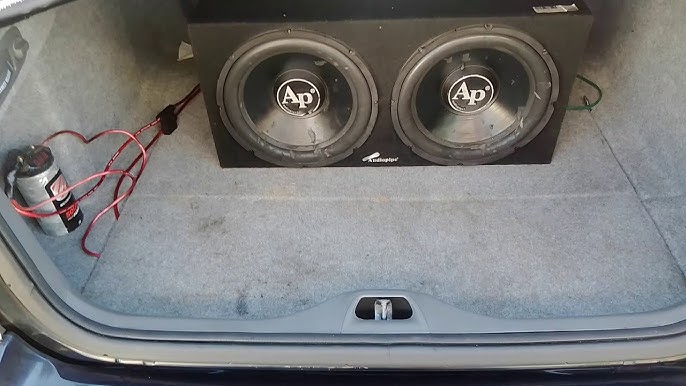
How to Set Up Car Speakers: Easy Steps for Perfect Sound
Are you ready to boost your car’s sound system and enjoy crystal-clear music on every drive? Setting up car speakers might seem tricky, but it’s easier than you think.
Whether you want booming bass or crisp highs, the right setup can transform your ride. In this guide, you’ll discover simple steps to install your speakers like a pro. Keep reading—your perfect sound experience is just a few easy moves away.
Credit: www.diymobileaudio.com
Choosing The Right Speakers
Choosing the right speakers for your car can make all the difference in your audio experience. It’s not just about picking the loudest or the most expensive option. You need to consider how well the speakers match your car’s setup and your listening preferences.
Types Of Car Speakers
There are mainly three types of car speakers: coaxial, component, and subwoofers.
- Coaxial speakersare all-in-one units that combine a woofer and tweeter. They are easy to install and great for general use.
- Component speakersseparate the woofer and tweeter, offering better sound quality and customization. You can place tweeters and woofers in different spots for clearer sound.
- Subwoofershandle low-frequency sounds, adding depth and bass to your music. They are crucial if you enjoy bass-heavy genres.
Think about the kind of music you listen to. Do you want clear vocals or booming bass? That choice should guide which type you pick.
Speaker Size And Compatibility
Speakers come in various sizes, typically ranging from 3.5 inches to 6×9 inches. Your car’s door or dashboard will have specific mounting locations and size limits.
Check your vehicle’s manual or measure the existing speaker openings before buying. Installing a speaker that’s too big or small can cause poor sound or fitting problems.
Also, consider the depth of the speaker. Some cars don’t have much space behind the mounting area, which limits your options.
Power Handling And Sensitivity
Power handling tells you how much power (in watts) a speaker can handle without damage. Sensitivity measures how loud the speaker will be with a given amount of power, usually rated in decibels (dB).
| Specification | What It Means | Why It Matters |
|---|---|---|
| Power Handling (RMS) | Continuous power a speaker can handle | Match it with your amplifier to avoid damage |
| Peak Power | Maximum power a speaker can handle briefly | Shows speaker durability for short bursts |
| Sensitivity (dB) | Speaker loudness at 1 watt/1 meter | Higher sensitivity means louder sound with less power |
Imagine pairing a speaker with low sensitivity to a weak amplifier. You’ll need to crank the volume, risking distortion. Always balance power and sensitivity for the best sound quality and speaker longevity.

Credit: audiointensity.com
Gathering Necessary Tools
Setting up car speakers needs the right tools. Having these tools ready makes the job faster and safer. It helps avoid mistakes and damage to your car or speakers.
Gathering the necessary tools is the first step before starting the installation. This section covers the basic tools and safety gear you need.
Basic Tools Needed
- Screwdrivers – both flathead and Phillips for different screws
- Wire strippers to remove insulation from speaker wires
- Crimping tool for secure wire connections
- Electrical tape for insulating exposed wires
- Panel removal tool to safely detach car panels
- Multimeter to check electrical connections and voltage
- Drill with bits for mounting speakers if needed
Safety Equipment
- Safety gloves to protect your hands from sharp edges
- Safety glasses to shield eyes from dust and debris
- Work light or flashlight to see clearly inside the car
- Mask to avoid inhaling dust or insulation particles
Preparing Your Car
Preparing your car is the first key step to a smooth speaker installation. This stage ensures safety and a clean base for new speakers. A proper setup helps avoid damage and guarantees better sound quality.
Disconnecting The Battery
Always disconnect the car battery before starting. This prevents electrical shorts and protects your car’s electronics. Use a wrench to loosen the negative terminal. Remove the cable and keep it away from the battery. This simple action keeps you safe while working on the speakers.
Removing Old Speakers
Locate the screws or clips holding the old speakers in place. Use a screwdriver or panel tool to remove them carefully. Gently pull the speakers out, avoiding damage to wires. Disconnect the wiring harness by pressing the release tab. Save the screws—they might be useful for new speakers.
Cleaning Speaker Mounts
Check the speaker mounts for dust, dirt, or rust. Use a clean cloth or brush to remove debris. If rust is present, apply a rust remover or sand it lightly. Clean mounts ensure a strong hold for the new speakers. This step improves sound quality by reducing vibrations.

Credit: www.youtube.com
Wiring The Speakers
Wiring the speakers is a crucial part of setting up your car audio system. It ensures that sound signals travel properly from your amplifier or head unit to the speakers, delivering clear and balanced audio. If wiring isn’t done correctly, you might face issues like distorted sound, no sound, or even damage to your equipment.
Identifying Speaker Wires
Before connecting anything, you need to identify which wires belong to your speakers. Usually, speaker wires come in pairs, with one wire marked to indicate polarity—often a stripe, rib, or color difference.
Positive and negative wires are important because reversing them can cause speakers to be out of phase, leading to poor sound quality. Check your car’s wiring diagram or the speaker manual to confirm the wire colors.
Connecting Wires Correctly
Once you know which wire is positive and which is negative, connect them accordingly to your speaker terminals. The positive wire goes to the speaker’s positive terminal, and the negative wire goes to the negative terminal.
If you mix these up, your speakers might sound hollow or weak. Take your time to match the wires carefully; this simple step makes a huge difference in sound performance.
Using Connectors And Insulation
Proper connectors and insulation protect your wiring and ensure a stable connection. Use crimp connectors, solder, or quick-disconnect terminals to join wires securely.
After connecting, cover exposed wires with electrical tape or heat shrink tubing. This prevents shorts and keeps moisture out, which could otherwise cause corrosion or failure.
Have you ever experienced static or cutting out in your car audio? Often, poor insulation or loose connections are the culprits. Paying attention here saves you a lot of frustration later.
Installing New Speakers
Installing new car speakers can greatly improve your audio experience. Proper installation ensures clear sound and long-lasting performance. Take time to prepare your tools and workspace before starting. Follow the steps carefully for the best results.
Mounting The Speakers Securely
Secure mounting prevents vibrations and sound distortion. Use the screws and brackets provided with the speakers. Align the speaker holes with the mounting points in the car door or panel. Tighten screws evenly to avoid warping the speaker frame. Avoid overtightening to protect the speaker and mounting surface.
Sealing And Vibration Control
Seal gaps around the speaker to improve sound quality. Use foam gaskets or weather stripping to block air leaks. Add sound-deadening material around the speaker area to reduce vibrations. This material helps stop unwanted noise and rattling. Proper sealing and damping create clearer and richer sound.
Testing Speaker Placement
Test the speaker before final assembly. Play different types of music at moderate volume levels. Listen for clear, balanced sound without buzzing or distortion. Adjust the speaker angle or position if needed. Testing ensures the best audio experience inside your car.
Tuning For Best Sound
Tuning your car speakers is essential to get the most out of your sound system. It’s not just about turning the volume up; it’s about shaping the sound to fit your car’s unique space and your personal taste. Proper tuning can transform a simple drive into an immersive audio experience.
Adjusting Amplifier Settings
The amplifier controls the power sent to your speakers, so its settings greatly affect sound quality. Start by setting the gain to match your head unit’s output voltage. This prevents distortion and protects your speakers from damage.
Don’t forget to check the crossover settings. Use a high-pass filter for tweeters and a low-pass filter for subwoofers to avoid overlapping frequencies that cause muddiness. Adjusting these filters sharpens the clarity of each speaker’s output.
Balancing Bass And Treble
Too much bass can overpower your music, while excessive treble can make it harsh. Listen to a variety of tracks and adjust the equalizer to find a balance that feels natural and enjoyable. Small tweaks can make a big difference.
Consider the acoustics of your car’s interior. Hard surfaces reflect sound differently than soft materials, which affects how bass and treble are perceived. Experiment with settings while seated in the driver’s seat to get an accurate sense of the sound.
Fine-tuning Speaker Levels
Adjusting speaker levels helps create a balanced soundstage, where each speaker’s volume complements the others. Use a test tone or a calibration app to set levels so no speaker overwhelms the rest.
Walk around your car and listen carefully. Does the sound feel centered when you’re driving? If not, tweak the fader and balance controls until the music feels perfectly placed. Your ears are the best judge.
Troubleshooting Common Issues
Troubleshooting common issues helps keep your car speakers working well. Problems can stop sound or cause noises. Fixing these issues improves your music experience.
No Sound Or Distortion
No sound can happen due to loose wires. Check all speaker connections carefully. Ensure the speaker wires are tight and not broken.
Distortion might come from too high volume. Lower the volume and test again. Also, check if the speaker cone is damaged.
Test the audio source and head unit. Sometimes, the problem is not the speakers but the player.
Rattling And Vibrations
Rattling sounds often come from loose mounting screws. Tighten all screws holding the speakers in place.
Vibrations can occur if speakers are not sealed well. Use foam or rubber gaskets to reduce gaps.
Check door panels or speaker covers. They can cause unwanted noise if not secured properly.
Electrical Interference
Electrical noise creates buzzing or humming sounds. This comes from nearby power cables or devices.
Keep speaker wires away from the car’s power lines. Use shielded cables for better protection.
Ground the audio system correctly to reduce interference. A bad ground causes many noise problems.
Frequently Asked Questions
How Do I Choose The Right Car Speakers?
Choosing the right car speakers involves considering your car’s size, the speaker’s power handling, and sensitivity. Also, consider your music preferences and budget. It’s crucial to match your car’s audio system’s impedance with the speaker’s impedance for optimal performance.
What Tools Do I Need For Speaker Installation?
For car speaker installation, you’ll need a screwdriver, wire cutters, electrical tape, and a multimeter. These tools help in safely removing old speakers, connecting new ones, and ensuring proper electrical connections. Always ensure you have the right-sized tools to avoid damaging the speaker or car interior.
Can I Install Car Speakers Myself?
Yes, you can install car speakers yourself with the right tools and instructions. Start by removing the old speakers and carefully connecting the new ones. It’s important to follow the car’s specific instructions for installation. Ensure all connections are secure to prevent sound issues.
What Are Common Mistakes During Speaker Installation?
Common mistakes include incorrect wiring, using the wrong tools, and not securing speakers properly. These errors can lead to poor sound quality and speaker damage. Always double-check connections, follow instructions carefully, and ensure the speakers are tightly mounted for the best results.
Conclusion
Setting up car speakers can improve your driving experience a lot. Follow the steps carefully for the best sound quality. Take your time and check connections twice. Use the right tools to avoid damage. Enjoy clear music and better sound on every ride.
Remember, simple steps lead to great results. Your car deserves good audio. Start your setup today and hear the difference!