
How to Connect Car Speakers to Tv: Easy Step-by-Step Guide
Have you ever wished your TV sound was louder and clearer? Using car speakers with your TV can give you that powerful, rich audio experience without breaking the bank.
But how do you connect car speakers to your TV? It might seem tricky at first, but with the right steps, you can make it happen easily. In this guide, you’ll discover simple ways to boost your TV sound using car speakers.
Keep reading, and you’ll soon enjoy your favorite shows and movies like never before.
Check Speaker Compatibility
Checking speaker compatibility is a key step before connecting car speakers to a TV. Not all car speakers work well with TV audio systems. Understanding compatibility helps avoid sound issues and potential damage.
Car speakers usually have different power and impedance ratings than home audio speakers. TVs have specific output limits that must match the speakers’ input range. Ensuring these match is crucial for good sound quality.
Consider the connection types too. Car speakers often use different connectors than TVs. Knowing if adapters or converters are needed saves time and effort during setup.
Speaker Impedance And Tv Output
Speaker impedance is measured in ohms. Most car speakers have 4 ohms impedance. Many TVs support 8 ohms or higher. Connecting a low impedance speaker to a TV can cause distortion or damage.
Check your TV’s audio output specs. Match the speaker impedance to avoid problems.
Power Handling Capacity
Car speakers are designed for higher power from car amplifiers. TVs usually provide lower power output. Using speakers with a very high power rating might result in low volume or weak sound.
Choose speakers with power ratings close to your TV’s output power.
Connector Types And Adaptability
Car speakers often use bare wire or special plugs. TVs typically have RCA or headphone jacks. You may need adapters or speaker wire connectors.
- Identify your TV’s audio output ports.
- Check your speaker wire ends.
- Use proper adapters to connect them safely.
Speaker Size And Placement
Car speakers vary in size and shape. Some may not fit well near the TV setup. Consider speaker placement for optimal sound and space.
Compact speakers often work better for TV setups.

Credit: getcartablet.com
Gather Required Tools
Before you start connecting your car speakers to your TV, it’s important to gather all the necessary tools. Having everything ready will save you time and reduce frustration during the process. Missing just one tool can cause delays or even damage your equipment.
Think about the last time you began a project without proper preparation. Did it go smoothly, or did you keep stopping to find the right tool? Preparing ahead makes the entire experience more enjoyable and efficient.
Speaker Wire
Speaker wire is essential for connecting your car speakers to the TV. Make sure to get the right gauge; usually, 16-gauge wire works well for most setups. If your speakers are far from the TV, consider thicker wire to prevent sound loss.
Wire Stripper And Cutter
You’ll need a wire stripper to remove the insulation from the speaker wire ends without damaging the metal inside. A wire cutter will help you trim the wire to the perfect length. These tools are inexpensive but crucial for clean and safe connections.
Amplifier Or Receiver
Car speakers typically need more power than a TV can provide directly. An amplifier or receiver boosts the audio signal to a level that drives the speakers effectively. Choose one compatible with both your speakers and TV outputs.
Audio Cables And Adapters
Connecting your TV’s audio output to the amplifier often requires specific cables or adapters. Common ones include RCA cables, 3.5mm to RCA adapters, or optical audio cables depending on your TV’s output options. Double-check your TV’s ports to buy the right connectors.
Screwdriver And Mounting Hardware
When securing the speakers or amplifier, a screwdriver will come in handy. Also, gather any screws, brackets, or mounts you might need. Proper installation prevents accidental drops and improves sound quality by reducing vibrations.
Multimeter (optional But Helpful)
A multimeter can help you verify connections and check for continuity in your wiring. It’s especially useful if you want to troubleshoot any issues during setup. Consider borrowing one if you don’t own it, as it can save you a lot of guesswork.
Identify Tv Audio Output
Identifying your TV’s audio output is the first step in connecting car speakers. Each TV model offers different audio output options. Knowing which one your TV has helps pick the right connection method and equipment.
Most modern TVs include multiple audio output ports. These ports let you send sound signals to external speakers. The type of output affects sound quality and connection ease.
Check The Back Or Side Of Your Tv
Look for audio ports on the back or sides of your TV. Common places include near HDMI and USB ports. Ports are often labeled with text or symbols.
- Red and white RCA jacks
- 3.5mm headphone jack
- Optical (Toslink) output
- HDMI ARC port
Review Tv Settings Menu
Open your TV’s audio or sound settings menu. Some TVs show which audio outputs are active. You can also switch audio output modes here. This helps confirm available options.
Consult The Tv Manual Or Model Specifications
Check your TV’s user manual for audio output details. Manuals list all ports and connection types. If you don’t have a manual, search online using your TV model number.
Understand Digital Vs Analog Audio Outputs
Analog outputs send continuous electrical signals. These include RCA and 3.5mm jacks. Digital outputs send audio as data signals. Examples are optical and HDMI ARC.
Car speakers usually require analog signals. You may need a converter for digital outputs.

Credit: www.youtube.com
Prepare Car Speakers
Preparing car speakers for connection to a TV is crucial for clear sound output. It involves safely removing the speakers and checking their wiring. Proper preparation ensures the speakers work well with your TV setup.
Remove From Car
Start by turning off your car and disconnecting the battery. Remove door panels or speaker covers carefully. Use the right tools like screwdrivers or panel removers. Gently pull out the speakers without damaging wires or connectors. Keep screws and parts organized for reassembly.
Inspect Wiring
Check speaker wires for cuts, frays, or corrosion. Look at the connectors for dirt or rust. Clean connectors with a soft cloth if needed. Test wires with a multimeter to ensure they carry current. Replace damaged wires or connectors to avoid sound problems.
Choose Connection Method
Choosing the right connection method to link your car speakers to your TV can make a huge difference in sound quality and ease of setup. Each method has its own pros and cons depending on your equipment, space, and how you want to use your speakers. Understanding these options helps you avoid frustration and ensures your audio experience matches your expectations.
Using Amplifier
Connecting your car speakers through an amplifier is a great way to boost sound quality. Car speakers typically need more power than a TV can provide directly. An amplifier acts as a middleman, providing the necessary power while maintaining clear audio signals.
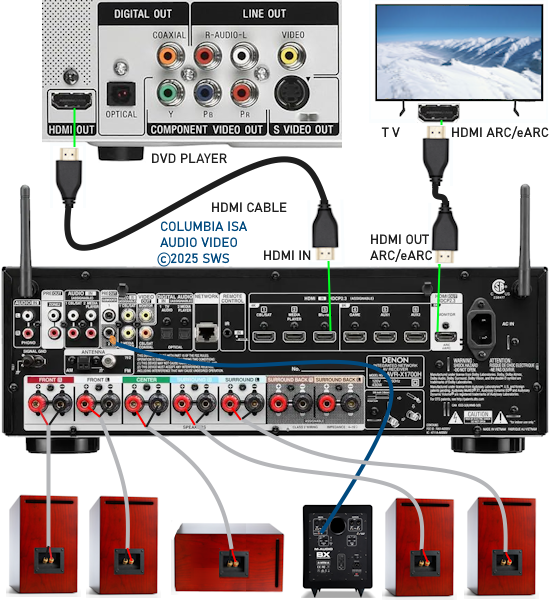
You’ll need to connect the TV’s audio output to the amplifier input, then hook up the amplifier to your car speakers. This setup can handle multiple speakers easily and lets you control volume and sound settings better. If you want richer sound and are okay with a bit of wiring, this is a solid choice.
Direct Connection
Directly connecting car speakers to a TV is the simplest method but also the most limited. TVs usually have low-power audio outputs, so your car speakers might sound weak or distorted. This method works best if your speakers have built-in amplifiers or if you’re only using them temporarily.
To try this, use speaker wire adapters and connect the TV’s headphone or audio-out jack straight to your speakers. Keep in mind, the sound might not be as loud or clear as you expect. Ask yourself if convenience outweighs sound quality in your setup.
Using Bluetooth Adapter
Adding a Bluetooth adapter lets you wirelessly connect your car speakers to your TV. This method reduces cable clutter and gives you more flexibility in speaker placement. Some Bluetooth adapters come with their own amplifiers, which helps improve sound quality.
Pair the adapter with your TV’s Bluetooth or use an audio output to transmitter connection. This is a great option if you want to keep your setup clean and easily move speakers around. However, be aware of potential audio lag, especially if you watch fast-paced content.
Connect Speakers To Tv
Connecting your car speakers to a TV can greatly enhance your audio experience. It allows you to enjoy clearer and louder sound while watching your favorite shows or movies. The process is straightforward, requiring some basic tools and careful attention to wiring. Proper connections ensure the best sound quality and prevent damage to your devices.
Wiring Steps
First, identify the audio output ports on your TV. Most TVs have RCA or headphone jack outputs. Use appropriate cables to connect these outputs to your car speakers.
- Locate the TV’s audio output ports (RCA or 3.5mm jack).
- Get matching cables: RCA to RCA, or 3.5mm to RCA adapter if needed.
- Connect the TV output cables to the input wires of your car speakers.
- Ensure you match the positive and negative terminals correctly.
- Use an amplifier if your car speakers need more power from the TV.
Car speakers usually require an amplifier because TVs do not supply enough power. Connect the TV audio output to the amplifier input, then connect the amplifier to the car speakers.
Securing Connections
Secure connections prevent sound issues and possible damage. Loose wires can cause static or no sound.
- Strip the wire ends to expose clean copper for better contact.
- Twist wires tightly before connecting to terminals or connectors.
- Use electrical tape or heat shrink tubing to cover exposed wires.
- Double-check that positive and negative wires are not crossed.
- Test the setup before finalizing to ensure clear sound output.
Properly secured wires keep the setup safe and working well for a long time.
Test Audio Output
Testing the audio output after connecting car speakers to your TV ensures everything works correctly. It helps find any issues early and improves sound quality. Clear, balanced sound makes watching TV more enjoyable.
Check the speaker connections first. Loose wires can cause no sound or poor quality. Confirm the TV audio settings match the output device. Adjust volume levels for the best experience.
Play Different Audio Sources
Try various sounds like music, movies, and TV shows. This variety reveals if the speakers handle all audio types well. Listen for clarity, bass, and any distortion.
Adjust Tv Sound Settings
Open your TV’s audio menu. Select the correct output for external speakers. Change settings like bass, treble, or balance to improve sound quality.
Check Speaker Placement
Position the car speakers properly. Avoid walls or corners that cause echo or muffled sound. Aim for a balanced audio spread in the room.
Use Volume Controls Carefully
Start with low volume. Increase gradually to avoid damage or distortion. Balance TV volume with speaker power limits for clear sound.
Listen For Interference Or Noise
Quiet background noise is normal. Loud buzzing or crackling means a connection problem. Check cables and connectors to fix these issues quickly.
Troubleshoot Common Issues
Troubleshooting common issues helps keep your car speakers and TV working well together. Some problems may block sound or reduce quality. Knowing simple fixes saves time and frustration.
No Sound
Check if the speakers are powered on. Verify all cables connect firmly. Confirm the TV audio output matches the speaker input type. Test the TV volume and mute settings. Try different input sources on the TV to isolate the issue.
Distorted Audio
Distortion often results from loose connections or wrong cables. Use high-quality cables for better sound. Lower the volume on the TV and speakers to avoid clipping. Check if the speakers handle the TV’s audio output power. Adjust equalizer settings to reduce distortion.
Connection Problems
Identify the connection type: wired or wireless. For wired, inspect cables for damage or wear. Replace faulty cables immediately. Wireless setups need stable Wi-Fi or Bluetooth signals. Keep devices close to avoid signal dropouts. Restart both TV and speakers to refresh connections.
Credit: columbiaisa.50webs.com
Frequently Asked Questions
How Do I Connect Car Speakers To My Tv?
To connect car speakers to your TV, use a stereo receiver or amplifier. Connect the TV’s audio output to the receiver’s input. Then, link the receiver to the car speakers. Ensure all devices are compatible and use quality cables for optimal sound.
Can I Use A Bluetooth Adapter For Connection?
Yes, you can use a Bluetooth adapter to connect car speakers to your TV wirelessly. Pair the adapter with your TV and speakers. Ensure the adapter supports both devices. This method offers a wireless solution, reducing cable clutter and enhancing convenience.
What Cables Are Needed For This Setup?
For this setup, you typically need RCA cables or auxiliary cables. These connect the TV’s audio output to the stereo receiver or amplifier. Ensure you have the correct cable type for both your TV and audio equipment. Quality cables enhance sound transmission and reduce interference.
Is A Receiver Necessary For Connection?
A receiver is usually necessary for connecting car speakers to a TV. It acts as an intermediary, managing audio signals. The receiver amplifies and optimizes the sound output. Without it, the TV may not produce sufficient power for car speakers.
Conclusion
Connecting car speakers to your TV can improve your sound experience. It needs simple tools like wires and adapters. Make sure to check speaker and TV compatibility first. Take your time to connect everything carefully and safely. Test the sound after setup to ensure it works well.
Enjoy clearer, louder audio while watching your favorite shows. This setup saves money and uses old speakers again. Small effort, big sound change. Try it today and hear the difference.