How to Get More Bass Out of Car Speakers: Ultimate Boost Tips
Do you ever feel like your car’s music is missing that deep, powerful bass that makes every song come alive? You’re not alone.
Many people struggle to get that rich, booming sound from their car speakers. But here’s the good news: with a few simple tips and tricks, you can unlock the full bass potential of your car audio system. Imagine driving with music that hits harder, sounds fuller, and turns every ride into an exciting experience.
Keep reading, and you’ll discover easy ways to boost your bass and transform your car’s sound like never before.

Credit: audiointensity.com
Speaker Placement Tips
Getting more bass from your car speakers isn’t just about upgrading equipment—it’s also about where and how you place your speakers. Proper placement can dramatically enhance the depth and punch of your bass, making your music come alive. Let’s dive into some practical tips that can help you optimize speaker placement for better bass performance.
Ideal Speaker Positions
Speaker placement is crucial for producing clear and powerful bass. Placing speakers too close to the floor or in corners often boosts bass because walls and surfaces reflect sound waves, but this can sometimes muddy the sound.
Try positioning your speakers at ear level when seated. This helps you hear bass with clarity, not just volume. If your car has door-mounted speakers, angle them slightly toward you to improve sound focus.
Think about the distance between speakers too. Placing them evenly spaced and symmetrically creates a balanced bass response. Have you experimented with moving your speakers just a few inches forward or backward? Small adjustments can make a noticeable difference.
Avoiding Sound Obstructions
Objects between your speakers and your ears can block or absorb bass frequencies. Avoid placing speakers behind seats, bags, or other items that can interrupt the sound path.
Window tint films or thick upholstery might also affect bass quality by absorbing sound waves. If you notice your bass sounds weak or hollow, check for anything in the way and clear the line of sight between speakers and listeners.
Sometimes, simply removing floor mats or clutter near the speakers can improve bass response. Have you checked your car for hidden obstructions that might be dampening your bass?
Using Speaker Enclosures
Speaker enclosures play a big role in enhancing bass output. A well-designed enclosure controls the movement of the speaker cone and prevents sound waves from canceling each other out.
Sealed enclosures provide tight, accurate bass, while ported enclosures offer louder, booming bass. Choose the right type depending on the sound you want.
If your car speakers don’t have enclosures, adding custom boxes can significantly improve their bass performance. Even simple DIY enclosures using wood or plastic can make a difference. Have you tried adding or upgrading enclosures to boost your bass?

Credit: www.youtube.com
Upgrading Your Equipment
Upgrading your car audio equipment is one of the most effective ways to get more bass out of your speakers. Basic factory setups often limit your sound potential, but swapping in better components can make a noticeable difference. You don’t need to be an expert to pick gear that fits your needs and budget.
Choosing The Right Subwoofer
Your subwoofer controls how deep and powerful your bass sounds. Look for subs that match your car’s size and your listening style. A 10-inch subwoofer usually balances space and sound well, but if you crave heavier bass, a 12-inch model might suit you better.
Consider the subwoofer’s power rating (RMS) to ensure it can handle the amplifier without distortion. Sealed enclosures give tighter bass, while ported ones deliver louder, booming lows. What kind of bass experience do you want—tight punch or deep rumble?
Amplifier Benefits
An amplifier feeds your speakers the power they need to perform at their best. Without enough power, even the best subwoofer can sound weak or distorted. Adding a dedicated amplifier boosts the clarity and strength of your bass.
Choose an amplifier that matches your subwoofer’s power and impedance ratings. A mismatch here can cause damage or poor performance. Also, quality amplifiers often include features like bass boost or adjustable crossover points, helping you fine-tune your sound.
High-quality Speaker Materials
The materials used in your speakers affect how accurately they reproduce bass frequencies. Look for subwoofers with cones made from durable materials like polypropylene or treated paper, as they resist distortion and wear over time.
Surround materials matter too—rubber surrounds provide better durability and flexibility, which improves bass response. Investing in speakers built with quality materials means your system will deliver consistent, clear bass for years.
Tuning And Settings
Tuning and settings play a key role in getting deeper bass from car speakers. Proper adjustments can make a huge difference in sound quality. Small changes help your system deliver richer, fuller bass tones without distortion.
Focus on your equalizer, crossover frequencies, and bass boost features. Each setting controls a part of your audio experience. Fine-tuning these controls lets you customize the bass to match your taste and car acoustics.
Adjusting Equalizer Settings
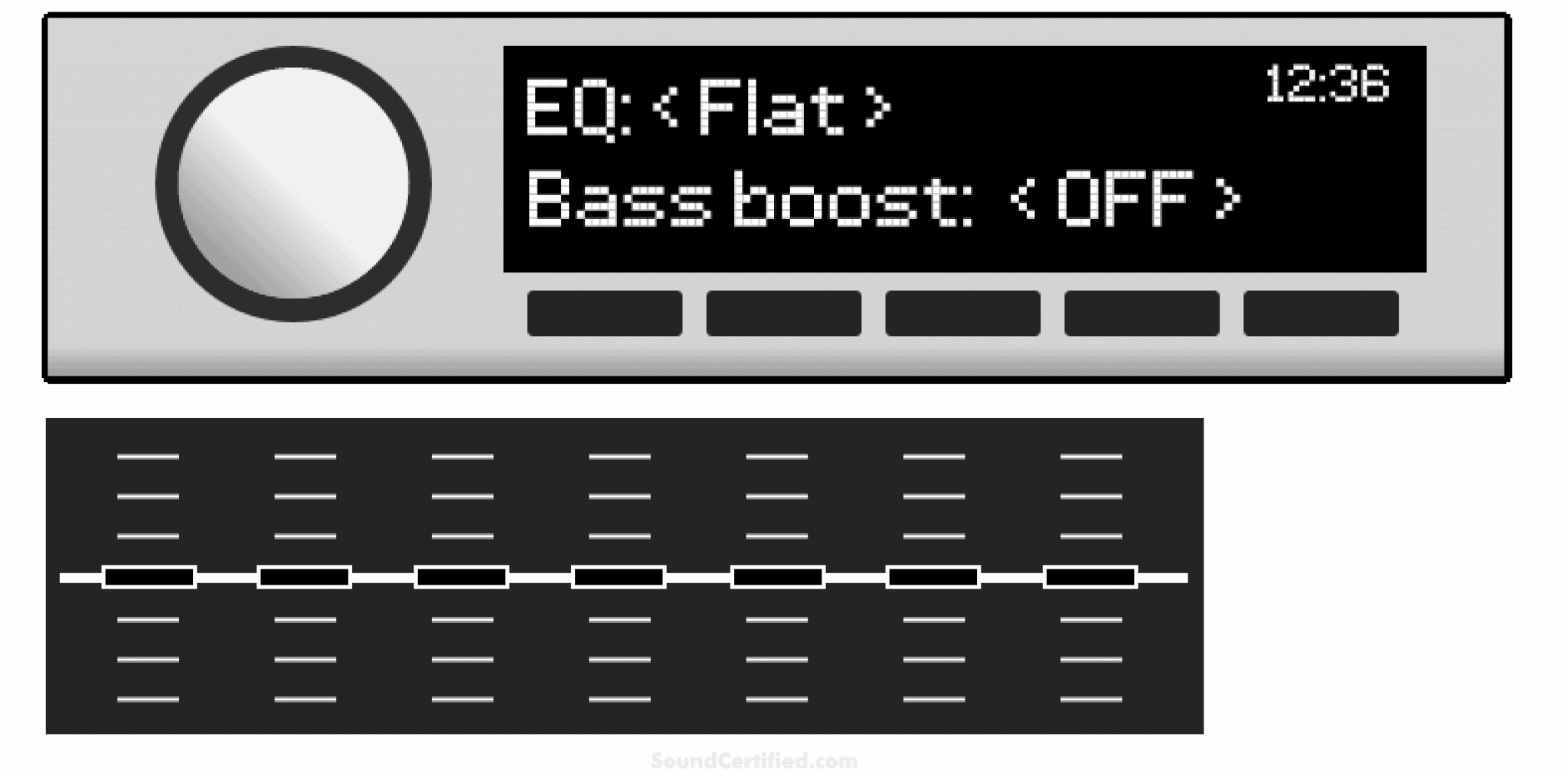
The equalizer controls the balance of different sound frequencies. To boost bass, increase the lower frequencies around 60-120 Hz. Avoid pushing these levels too high to prevent sound distortion.
Use these tips:
- Start with a flat equalizer setting.
- Slowly raise the bass frequency sliders.
- Listen carefully for any distortion.
- Lower mid-range frequencies slightly if bass overpowers other sounds.
Setting Crossover Frequencies
The crossover splits sound between speakers and subwoofers. Setting it correctly sends the right frequencies to your subwoofer for better bass.
Try these steps:
- Set the crossover around 80-100 Hz for most systems.
- Adjust higher if your subwoofer is small or less powerful.
- Lower the crossover if your subwoofer handles deep bass well.
- Test and listen to find the best balance for your setup.
Using Bass Boost Features
Bass boost adds extra power to low frequencies. Use it carefully to enhance bass without distortion or speaker damage.
- Turn on bass boost in small increments.
- Check sound quality at each level.
- Avoid maximum boost to protect your speakers.
- Combine bass boost with equalizer and crossover tuning for best results.
Soundproofing Your Car
Soundproofing your car is a game-changer when it comes to boosting the bass from your speakers. By reducing unwanted noise, you allow the deep tones to come through clearer and more powerful. This isn’t just about louder sound; it’s about cleaner, richer bass that makes your music feel alive.
Reducing Road Noise
Road noise can drown out the bass frequencies, making your music sound flat. You might notice how the hum of tires or wind interferes with your listening experience during a drive. Cutting down on these distractions helps your subwoofer deliver punchier bass without needing to crank up the volume.
Try using thicker tires or maintaining proper tire pressure to reduce road noise. Also, closing windows fully and keeping your car’s weather stripping in good shape can make a big difference. Have you ever been on a quiet road and suddenly noticed how much better your bass sounds? That’s the effect you want inside your car all the time.
Installing Sound Deadening Materials
Adding sound deadening materials to your car’s doors, floor, and trunk can drastically improve bass response. These materials absorb vibrations and prevent sound waves from escaping or mixing with outside noise. You don’t need a professional for this; many kits are user-friendly and come with clear instructions.
- Butyl rubber sheets are popular for their effectiveness and ease of use.
- Mass-loaded vinyl adds weight to panels, cutting down on resonance.
- Foam mats work well in tight spaces to absorb mid and high frequencies.
When I installed sound deadening in my car, the difference was immediate—the bass felt tighter and more controlled. It’s a simple upgrade that lets you enjoy every beat without distortion.
Sealing Doors And Panels
Even small gaps around doors and panels can leak sound, reducing bass quality. Sealing these gaps stops air and sound from escaping, which means your bass stays strong inside the cabin. Check rubber seals around doors and windows for cracks or wear and replace them if needed.
Adding foam tape or weather stripping to panel edges helps too. This step is often overlooked but can have a huge impact on sound quality. Have you checked your door seals lately? Tightening them up could be the key to feeling every bass note as it should be felt.
Power Supply And Wiring
Power supply and wiring play a crucial role in getting more bass from car speakers. Poor wiring or weak power supply limits speaker performance. Strong wiring and proper power delivery ensure speakers receive enough energy. This results in clearer, deeper bass and less distortion.
Upgrading wiring and connectors improves current flow. Proper grounding prevents electrical noise and interference. Capacitors help stabilize voltage and prevent drops during heavy bass hits. These steps work together to boost your car audio system’s bass response.
Upgrading Wiring And Connectors
Use thicker gauge wires for power and ground connections. Thicker wires reduce resistance and allow more power to reach speakers. Replace old or corroded connectors with high-quality ones. Secure connections ensure stable power delivery and less signal loss.
- Choose wires rated for your amplifier’s current needs.
- Use oxygen-free copper wires for better conductivity.
- Crimp or solder connectors tightly to avoid loose contacts.
Ensuring Proper Grounding
Grounding is key to clean, strong bass. Connect the ground wire to a solid metal part of the car’s chassis. Avoid painted or rusty surfaces that block grounding. A good ground reduces electrical noise and prevents hum or rattles.
- Use a short, thick ground wire for best results.
- Sand the contact area to bare metal before connecting.
- Check ground connections regularly for corrosion or looseness.
Using Capacitors For Stability
Capacitors store and release electrical energy quickly. They smooth voltage spikes during heavy bass notes. This prevents dimming headlights and keeps amplifier power steady. Capacitors reduce strain on the car’s battery and alternator.
- Choose a capacitor with enough farads for your system size.
- Install it close to the amplifier for effective performance.
- Check capacitor voltage rating matches your car’s electrical system.

Credit: audiointensity.com
Testing And Fine-tuning
Testing and fine-tuning your car speakers is where you turn theory into real, booming bass you can feel. It’s not enough to just install a subwoofer and hope for the best—you need to actively listen, measure, and adjust. This process helps you discover the sweet spot for your specific car’s acoustics and your personal taste.
Using Test Tracks
Choose test tracks with deep, consistent bass lines. Songs like “Billie Jean” by Michael Jackson or “Boom Boom Pow” by The Black Eyed Peas offer clear bass patterns that reveal how well your system handles low frequencies.
Play these tracks at various volume levels. This helps you identify distortion or muddiness in the bass. Don’t just rely on music you like—using dedicated bass test tones or frequency sweeps can pinpoint weaknesses in your setup.
Measuring Sound Levels
Use a decibel meter app on your phone or a dedicated SPL (Sound Pressure Level) meter. Measure bass levels at your usual listening position to get objective feedback beyond what your ears tell you.
Check for uneven bass distribution inside the car. Does the bass sound stronger on one side? Measuring helps you decide if speaker placement or equalizer adjustments are needed. You want a balanced bass that fills the cabin without overpowering other frequencies.
Adjusting Based On Feedback
After listening and measuring, tweak your settings accordingly. Adjust the subwoofer gain, crossover frequency, and bass boost carefully—not all at once. Small changes can have a big impact.
Ask yourself: Is the bass punchy or boomy? Does it drown out vocals or instruments? Use your measurements and your ears together to find the right balance. Remember, the goal is powerful bass that enhances your music, not overwhelms it.
Frequently Asked Questions
How Can I Increase Bass In My Car Speakers?
To increase bass, adjust the equalizer settings on your car stereo. Boost the lower frequencies while ensuring the overall sound remains balanced. Additionally, consider installing a subwoofer or upgrading your car speakers for deeper bass response. Proper installation and soundproofing can also enhance bass output significantly.
What Is The Best Way To Improve Bass Quality?
Improving bass quality involves upgrading your speakers and installing an amplifier. These components work together to produce richer and deeper bass. Additionally, ensure your car’s interior is soundproofed to reduce vibrations and rattling. This creates a more immersive listening experience.
Do Car Subwoofers Enhance Bass?
Yes, car subwoofers significantly enhance bass by providing low-frequency sound reproduction. They handle the bass frequencies that standard speakers often can’t produce effectively. Installing a subwoofer allows for a fuller and more dynamic audio experience, highlighting bass details in your music.
Are Aftermarket Speakers Better For Bass?
Aftermarket speakers typically offer better bass performance compared to factory-installed ones. They are designed with higher quality materials and advanced technology. This results in improved sound clarity and deeper bass. Upgrading to aftermarket speakers can transform your car’s audio system.
Conclusion
Getting deeper bass from car speakers can greatly improve your music experience. Adjust speaker placement and add sound dampening materials. Consider upgrading your speakers or adding a subwoofer for richer low tones. Keep your car’s audio system clean and well-maintained.
Small changes can make a big difference in sound quality. Enjoy your favorite songs with stronger, clearer bass every time you drive. Experiment and find what works best for your setup. Sound that moves you.