Have you ever wished your car stereo had a USB port? Imagine easily plugging in your phone or a flash drive to play your favorite music without fumbling with adapters or Bluetooth connections.
Adding a USB port to your car stereo can make your drives more enjoyable and convenient. But is it really possible? And how hard is it to do? You’ll discover exactly how to add a USB port to your car stereo, what tools you need, and whether it’s something you can tackle yourself.
Keep reading—you’re closer to upgrading your car’s audio experience than you think.
Benefits Of Adding A Usb Port
Adding a USB port to a car stereo brings several useful benefits. It improves how you connect your devices and keeps them powered. It also offers better ways to enjoy your music. These advantages make driving more convenient and enjoyable.
Improved Connectivity
A USB port allows easy connection of smartphones, tablets, and USB drives. It provides a stable link for playing music or accessing apps. You can control your device directly from the car stereo. This makes managing your media simple and safe while driving.
Charging On The Go
With a USB port, charging your devices is quick and easy. You no longer need separate chargers or power banks. Your phone or tablet stays powered during long trips. This helps you stay connected and ready without worrying about battery life.
Enhanced Audio Options
A USB port supports high-quality audio playback from various sources. You can play music files without losing sound quality. It also allows access to playlists and podcasts stored on your device. This expands your entertainment choices beyond radio and CDs.
Credit: theraleighbeergarden.com
Types Of Usb Ports For Car Stereos
Adding a USB port to your car stereo can change how you enjoy music and charge devices while driving. USB ports come in different types, each with its own set of features and compatibility. Understanding these types helps you pick the best option for your car’s audio system and your daily needs.
Built-in Usb Inputs
Many modern car stereos come with built-in USB ports. These ports allow you to plug in a flash drive or smartphone directly, enabling easy playback of your favorite music files. They often support fast charging, so your devices stay powered up during long drives.
One thing to check is whether the built-in USB supports your device’s file formats and charging standards. Not all USB ports handle every audio format, which can limit your listening options. Have you ever plugged in your device only to find it won’t play your playlist? That’s why compatibility matters.
Usb Adapters And Converters
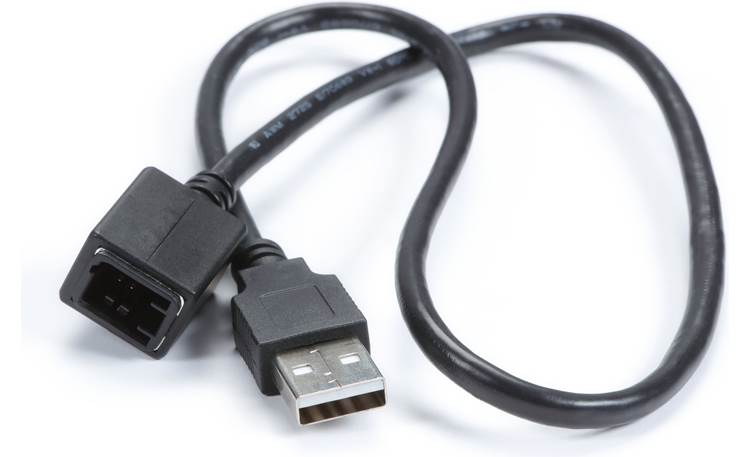
If your car stereo lacks a USB port, USB adapters offer a practical workaround. These devices plug into existing auxiliary inputs or cigarette lighter sockets and provide USB connectivity. They’re affordable and easy to install, making them ideal for older car models.
Adapters vary in quality and functionality; some only handle charging, while others support audio playback and data transfer. Before buying, ask yourself if you want just to charge your phone or also play music directly through the stereo. This choice affects which adapter suits you best.
Bluetooth With Usb Support
Some car stereos combine Bluetooth connectivity with USB ports to give you flexible options. You can wirelessly stream music through Bluetooth or connect a device via USB for charging and playback. This dual approach lets you switch between convenience and quality sound easily.
Think about how often you use Bluetooth versus wired connections. If you prefer hands-free calls and wireless music, this setup fits well. On the other hand, wired USB connections often provide better sound quality and faster charging, which could be important for your routine.
Tools And Materials Needed
Adding a USB port to your car stereo is a practical upgrade that lets you play music directly from your devices. Before you start, gathering the right tools and materials is essential to make the installation smooth and safe. Knowing what you need can save time and help avoid frustrating trips to the hardware store.
Basic Tools
You’ll need some basic hand tools that most people already have at home. A set of screwdrivers, both Phillips and flathead, will help you remove panels and screws without damage. Wire strippers are crucial to prepare your cables for connections.
Additionally, a multimeter comes in handy to test voltage and ensure correct wiring. Don’t forget electrical tape or heat shrink tubing to insulate your connections properly. These tools keep your work safe and reliable.
Wiring Accessories
Good wiring accessories are key for a clean and secure installation. You’ll want quality electrical wire, preferably 16 or 18 gauge, which is thick enough for power and data signals. Connectors like crimp terminals, butt connectors, or soldering supplies are necessary to join wires firmly.
Zip ties help organize wires and keep them away from moving parts. Also, consider a fuse holder with an appropriate fuse to protect your car’s electrical system from short circuits. Have you checked if your car stereo wiring harness supports adding extra connections?
Compatible Usb Modules
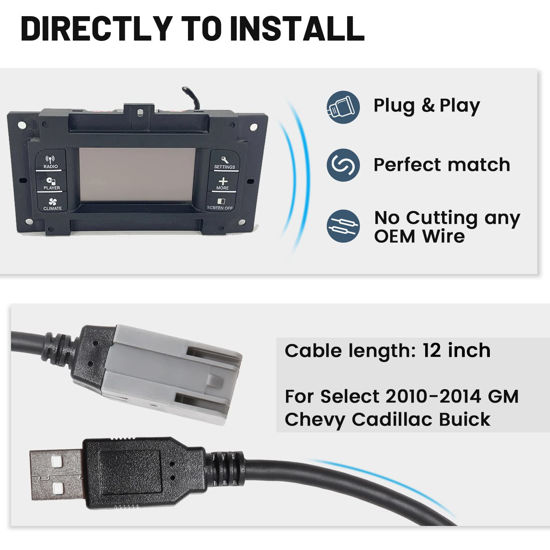
Picking the right USB module can make or break your upgrade project. Look for modules designed to fit your car stereo’s make and model for easy integration. Some modules come with a plug-and-play harness, reducing installation complexity.
Modules with built-in DACs (digital-to-analog converters) provide better audio quality, which is worth considering if you care about sound. Are you aiming for just USB charging or full audio playback? This decision affects the type of module you need.
Credit: www.rav4world.com
Step-by-step Installation Guide
Adding a USB port to your car stereo can bring new life to your music experience. It lets you play music directly from your phone or USB drive without hassle. Here’s a straightforward guide to help you install it yourself without needing to be a tech expert.
Locating The Stereo Wiring
First, you need to find the wiring harness behind your car stereo. This is usually accessed by gently removing the stereo unit from the dashboard. Be sure to disconnect the car battery before you start to avoid any electrical shorts.
Look for the power, ground, and accessory wires. These wires are your main connection points for the USB port. If your car manual is available, use it to identify the exact wiring colors and functions.
Connecting The Usb Port
Once you have identified the correct wires, it’s time to connect the USB port. You’ll typically find USB port kits with wiring instructions included. Use wire strippers to expose a small section of each wire and connect the USB cable wires accordingly.
Secure the connections with electrical tape or wire connectors to prevent them from coming loose. If the USB port has a separate power input, make sure to connect it to a switched 12V source so it turns on with the ignition.
Testing The Setup
Before putting everything back, test the USB port to confirm it works properly. Turn on your car and plug a USB device into the port. Check if the stereo recognizes the device and plays audio correctly.
If the stereo doesn’t detect the USB, double-check your connections and wiring. Sometimes a loose wire or incorrect connection can cause issues. Once confirmed working, carefully reinstall the stereo and enjoy your new setup.
Common Challenges And Solutions
Adding a USB port to a car stereo can improve your audio experience. Common challenges arise during installation. Understanding these issues helps find quick fixes. This section covers typical problems and their solutions.
Power Supply Issues
USB ports need stable power to function well. Car electrical systems can cause voltage drops or spikes. These fluctuations might damage devices or cause malfunctions.
Use a voltage regulator to ensure constant power. Connect the USB port to a fuse box with proper rating. Avoid overloading the circuit to prevent electrical problems.
Compatibility Problems
Not all car stereos support USB ports directly. Some older models lack the right interface or firmware. This limits the stereo’s ability to read USB devices.
Check your stereo’s manual for supported formats. Use an adapter designed for your specific stereo model. Updating the stereo’s firmware can also improve compatibility.
Signal Interference
USB ports can face interference from other electronic devices in the car. This interference causes audio glitches or connection drops.
Use shielded cables to reduce signal noise. Keep the USB port away from the car’s antenna or ignition wires. Proper grounding of the stereo system minimizes interference risks.
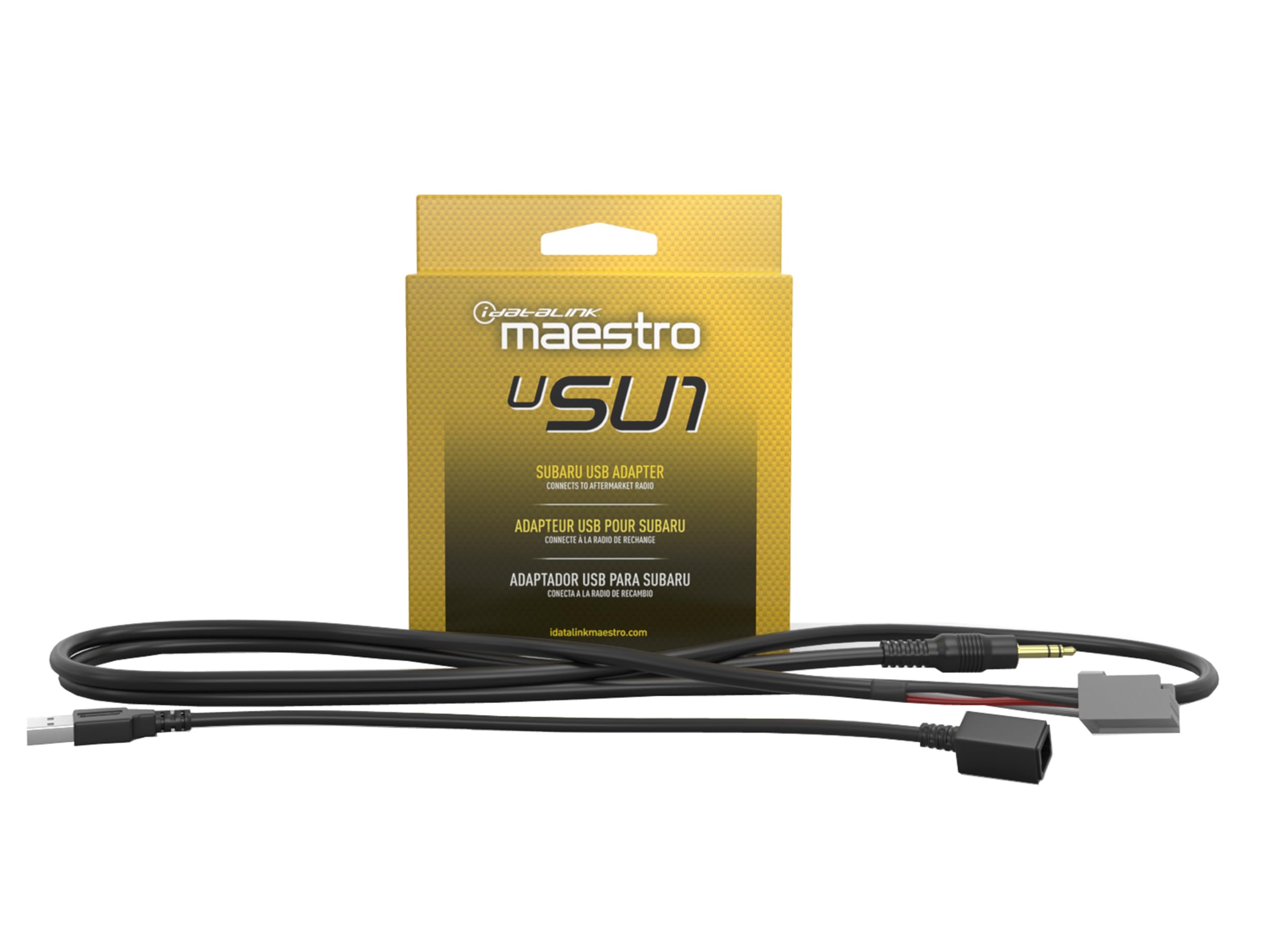
Credit: www.amazon.com
Alternative Usb Integration Methods
If your car stereo lacks a USB port, there are still practical ways to connect your devices and enjoy your favorite tunes. Alternative USB integration methods can bring modern functionality without a full system overhaul. These options vary in cost, installation ease, and sound quality, so choosing the right one depends on your needs and budget.
Using Usb Fm Transmitters
A USB FM transmitter plugs into your device and broadcasts the audio over a short FM frequency. Your car stereo tunes into that frequency, letting you listen through your existing speakers. This method requires no wiring or stereo modifications, making it an easy, portable solution.
However, sound quality can be affected by interference from other radio signals. If you often drive in areas with crowded FM bands, this might not be the best choice. Have you noticed static or dropouts when using radio stations? That’s a common issue with FM transmitters.
Auxiliary Input With Usb Adapters
Many older stereos have an auxiliary (AUX) input. You can connect a USB adapter that converts USB audio output into a 3.5mm jack. This lets you play music from a USB drive or charge your device while using the AUX input for audio.
This setup offers better sound quality than FM transmitters because it uses a wired connection. Installation is usually straightforward—just plug the adapter into your AUX port and USB device. Do you have an AUX port handy? This could be a simple fix to add USB functionality.
Upgrading To A Modern Head Unit
Replacing your car stereo with a modern head unit is a more permanent but highly effective solution. New head units come with built-in USB ports, Bluetooth, and sometimes touchscreen controls. This upgrade can enhance your entire driving experience with improved sound and connectivity.
Though it involves a higher upfront cost and some installation effort, it’s worth it if you want seamless USB integration. Plus, many units support charging and playing music directly from your phone or USB drives. Would you prefer investing in a complete upgrade rather than temporary fixes?
Maintenance And Safety Tips
Adding a USB port to your car stereo can enhance your driving experience, but it also requires careful maintenance and attention to safety. Neglecting these aspects might lead to electrical issues or damage to your audio system. To keep your setup working smoothly and safely, focus on managing cables, protecting against electrical damage, and regularly checking the USB port’s functionality.
Proper Cable Management
Messy cables can cause frustration and even damage the USB port or your stereo. Use cable ties or clips to keep wires neat and away from moving parts like pedals or the steering column. Avoid stretching or bending cables sharply, as this can lead to broken wires inside the insulation.
Have you noticed how easy it is for tangled cables to disrupt your setup? Keeping them organized not only looks better but also prevents accidental disconnections while driving.
Avoiding Electrical Damage
Protect your stereo system by using USB ports and cables that match your car’s electrical specifications. Overloading the port with incompatible devices or cheap cables can cause short circuits or damage the stereo’s internal components. Consider adding a fuse or surge protector to the USB port circuit for extra safety.
Think about how a small electrical fault could end up costing you a costly repair. Taking simple precautions can save you from unexpected headaches on the road.
Regular Function Checks
Make it a habit to test the USB port regularly. Plug in different devices to ensure the connection remains strong and the stereo reads them properly. Check for any signs of wear, such as loose ports or flickering connections, which could signal upcoming problems.
How often do you check your car’s accessories? A quick monthly check can catch issues early before they become serious, keeping your music flowing without interruption.
Frequently Asked Questions
Can You Retrofit A Usb Port To Any Car Stereo?
Yes, you can retrofit a USB port to most car stereos. It typically involves using a USB adapter or a new stereo head unit. Ensure compatibility with your car’s system before proceeding. Professional installation is recommended for optimal performance and safety.
What Tools Are Needed For Usb Installation?
You’ll need basic tools like screwdrivers, pliers, and a wire stripper. A USB adapter kit is essential. If replacing the stereo, you’ll also need a compatible head unit. Always refer to the installation manual for specific tool requirements.
Is A Professional Installation Necessary For Usb Ports?
Professional installation is not always necessary but is recommended. It ensures correct installation and safety. DIY installation is possible if you’re comfortable with electronics and car components. Incorrect installation can lead to electrical issues.
Can Adding A Usb Port Affect Car Warranty?
Adding a USB port can affect your car’s warranty if not done correctly. Always consult your car’s warranty terms. Professional installation is advised to prevent warranty voidance. Consider contacting your car manufacturer for guidance.
Conclusion
Adding a USB port to a car stereo is possible and useful. It lets you charge devices and play music easily. You can choose simple adapters or upgrade your stereo system. Installation varies by car and stereo type. Always check compatibility before buying parts.
A USB port brings modern convenience to older systems. Enjoy better sound and device connection on the road. Small changes can make a big difference in your drive. Consider your needs and skills before starting the project.