Choosing the right wattage for your car stereo can make all the difference in how your music sounds on the road. You want powerful, clear audio without distortion or damage to your speakers.
But how do you know what wattage is good for your setup? Getting this right means you’ll enjoy every beat and lyric, whether you’re on a short drive or a long trip. Keep reading, and you’ll discover exactly what wattage suits your car stereo best—and why it matters more than you might think.

Credit: www.reddit.com
Car Stereo Power Basics
Understanding car stereo power is key for better sound. Power affects volume, clarity, and overall performance. Knowing basic terms helps choose the right system. Let’s explore the essentials of car stereo wattage.
Wattage And Sound Quality
Wattage shows how much power a stereo can use. Higher watts often mean louder sound. But loudness is not the only factor. Good sound also needs clear, balanced audio. Too much wattage can cause distortion. The goal is clean, strong sound without noise.
Peak Vs Rms Power
Peak power is the highest wattage a stereo can handle briefly. RMS power is the continuous power it can deliver safely. RMS is more important for real listening. It shows what the stereo can do without damage. Choose a stereo with good RMS ratings for steady sound.
Importance Of Matching Components
Matching the stereo with speakers is vital. Speakers have their own power limits. If watts are too high, speakers can break. If watts are too low, sound is weak and unclear. Balance power between stereo and speakers for best results. This helps avoid damage and improves sound quality.
Determining Your Wattage Needs
Determining the right wattage for a car stereo is key to enjoying clear and powerful sound. Several factors shape your wattage needs. These include how you like to listen, the size of your car, and the types of speakers you have. Understanding these points helps pick a system that fits your style and space.
Listening Preferences
Your listening style affects the wattage you need. If you like music loud and clear, higher wattage works best. For softer background music, lower wattage is enough. Different music genres also need different power levels. Bass-heavy music demands more power for deep sounds. Mellow tunes require less power for good clarity.
Car Size And Acoustics
Smaller cars need less power because sound reflects easily inside. Larger vehicles need more wattage to fill the space. The shape and materials inside your car change sound quality. Hard surfaces make sound bounce more. Soft materials absorb sound, requiring more power for clear audio. Consider your car’s interior when choosing wattage.
Speaker Types And Power Handling
Speakers have limits on how much power they can handle safely. Check the speaker’s RMS (continuous power) rating. Match your amplifier wattage close to this rating for best results. Too little power causes weak sound. Too much power risks damage. Different speakers need different wattages based on size and build.
Choosing The Right Amplifier
Choosing the right amplifier is key for a good car stereo experience. The amplifier controls power delivery to your speakers. It affects sound clarity, volume, and overall performance. Picking the correct amp wattage helps avoid distortion and protects your equipment.
Consider the amplifier type, power output, and efficiency. These factors ensure balanced sound and reliable operation. Understanding these will help you match the amp to your stereo system needs.
Class A, B, Ab, And D Amps
Amplifiers come in different classes: A, B, AB, and D. Each type works differently and suits various uses.
- Class A:Offers the best sound quality with low distortion. It uses more power and generates heat.
- Class B:More efficient than Class A but can cause distortion at certain points.
- Class AB:A mix of Class A and B. Balances sound quality and efficiency well.
- Class D:Highly efficient and compact. Ideal for powerful systems with less heat production.
Power Output Ratings
Power output shows how much energy the amplifier can deliver. It is measured in watts RMS (Root Mean Square).
RMS is the real power output the amp can provide continuously. Peak power numbers are often higher but less important.
Match the amplifier’s RMS rating to your speaker’s power handling. This avoids damage and ensures clean sound.
Efficiency And Heat Management
Efficiency indicates how well an amplifier converts power into sound. Higher efficiency means less wasted energy.
Class D amps have the best efficiency, often above 80%. Class A amps have low efficiency, around 20-30%.
Amplifiers produce heat during operation. Good heat management prevents overheating and keeps performance steady.
Look for amps with cooling features like fans or heat sinks to improve durability.

Credit: www.reddit.com
Avoiding Common Power Mistakes
Choosing the right wattage for your car stereo isn’t just about getting loud sound. It’s about matching power to your speakers carefully to avoid common mistakes that can cost you money and sound quality. Understanding these power pitfalls helps you protect your gear and enjoy crisp, clear audio every time you drive.
Overpowering Speakers
Giving your speakers more wattage than they can handle might seem like a good idea to boost volume, but it can quickly backfire. Too much power can cause the speaker cones to move beyond their limits, leading to permanent damage. Have you ever heard a sudden crack or buzz at high volumes? That’s often a sign your speakers are being overpowered.
To avoid this, always check the RMS (continuous power handling) rating of your speakers before selecting an amplifier. Matching or slightly exceeding the RMS wattage ensures your speakers get enough power without risking harm.
Underpowering Issues
On the flip side, underpowering your speakers is a mistake that many overlook. If your amp delivers too little power, you might think your sound is just quiet, but the real problem is distortion. When an amp struggles to provide enough power, it clips the signal, creating harsh, unpleasant sounds.
Have you noticed your music sounding fuzzy or harsh at higher volumes? That’s often clipping caused by underpowering. Choosing an amplifier that meets your speaker’s power needs helps maintain clean and clear sound, even at higher volumes.
Distortion And Damage Risks
Distortion isn’t just an annoyance; it can be a warning sign that your equipment is at risk. Both overpowering and underpowering can introduce distortion, but the damage comes from how your speakers and amplifier handle these stresses.
- Overpowering distortioncan physically tear speaker components.
- Underpowering distortioncauses overheating in the amplifier.
Ask yourself: Are you pushing your system to its limits without knowing the safe wattage range? Staying within recommended wattage limits protects your investment and keeps your sound quality consistent over time.
Upgrading Your Car Stereo System
Upgrading your car stereo system can greatly improve your driving experience. Better sound quality and louder music make every trip more enjoyable. Choosing the right wattage for your stereo is key to getting clear and powerful sound. A higher wattage means more power, but it must match your speakers and other components.
Adding Subwoofers
Subwoofers add deep bass that regular speakers cannot produce. They require more power, so consider a higher wattage amplifier. The subwoofer size and enclosure also affect power needs. Proper wiring and placement help maximize bass performance.
Multiple Amplifier Setups
Using multiple amplifiers lets you power different speaker groups separately. One amp can drive the subwoofer while another powers the door speakers. This setup improves sound clarity and control. Make sure amplifiers have matching wattage ratings to avoid distortion.
Power Supply Considerations
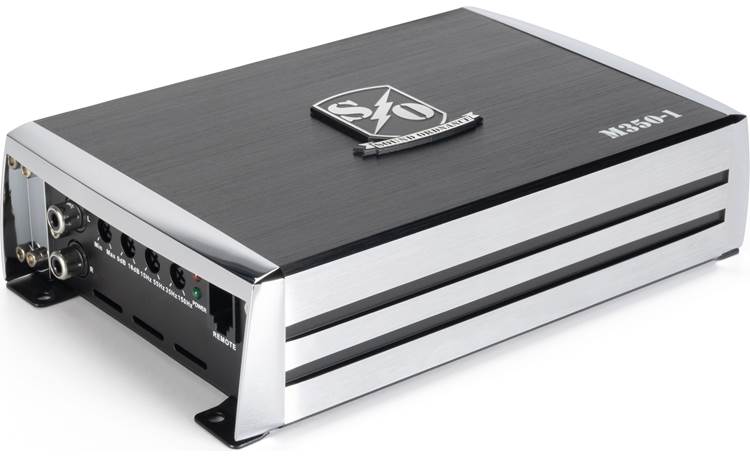
Your car’s battery and alternator must support the stereo’s power needs. High wattage systems draw more current, which can strain your electrical system. Upgrading the battery or alternator may be necessary. Use quality wiring and fuses to protect your equipment.
Credit: www.crutchfield.ca
Measuring And Testing Wattage
Measuring and testing the wattage of your car stereo is essential to understand how much power it actually delivers. This can help you match your speakers properly and avoid damage while ensuring you get the sound quality you want. Let’s break down practical ways to test wattage and what details to look out for.
Using Multimeters And Meters
A multimeter is a handy tool to measure electrical values like voltage and current, which are key to calculating wattage. You can connect it to your car stereo’s output terminals to read the voltage and current simultaneously.
Once you have those readings, use the formula Power (Watts) = Voltage (Volts) × Current (Amps). This gives you the real-time power output. Just remember, peak wattage and RMS wattage are different—RMS is the continuous power your stereo can handle without distortion.
Using a wattmeter designed for audio systems can give you more accurate results, especially when dealing with fluctuating signals. Have you ever tried measuring your stereo’s output at different volume levels? It’s fascinating to see how the wattage changes.
Signal To Noise Ratio
Signal to Noise Ratio (SNR) is a key factor that tells you how clean your audio signal is compared to background noise. A higher SNR means less noise and clearer sound, even if the wattage is lower. This can be more important than just raw power.
When testing your stereo, look for an SNR of 80 dB or higher. If the noise level is too high, cranking up the volume might only amplify unwanted hiss or static, making your listening experience worse. Have you noticed static or buzzing at high volumes? That’s a sign your SNR might be low.
Listening Tests
Sometimes, the best test isn’t technical—it’s what you hear. Play different music genres and pay attention to clarity, bass response, and distortion at various volume levels. Your ears can often detect issues a meter might miss.
Try listening in different parts of your car, too. Does the sound feel balanced front to back? Are the highs and lows clear? These personal tests help you decide if your wattage is adequate or if you need an upgrade.
Have you ever adjusted your stereo settings after a listening test and noticed a big difference? That hands-on approach often leads to the best sound quality.
Frequently Asked Questions
What Wattage Suits A Standard Car Stereo System?
A good wattage for a standard car stereo is 50 watts RMS per channel. It ensures clear sound and avoids distortion at high volumes.
How Does Wattage Affect Car Stereo Sound Quality?
Higher wattage allows louder and clearer sound without distortion. Low wattage may cause weak audio and poor bass response.
Is 100 Watts Rms Enough For Car Speakers?
Yes, 100 watts RMS provides ample power for most car speakers. It balances loudness and sound clarity effectively.
Can Too Much Wattage Damage Car Speakers?
Yes, excessive wattage can overheat and damage speakers. Always match amplifier power with speaker wattage ratings.
Conclusion
Finding the right wattage for your car stereo is crucial. It ensures better sound quality and listening experience. Start by considering your car’s size and speaker needs. Higher wattage can mean louder sound, but not always better. Balance is key.
Don’t forget your budget and power source. Research different options and read reviews. Make sure your choice matches your style and music preferences. A well-chosen wattage can transform your daily drives. Enjoy your music with clarity and precision. Happy listening!