
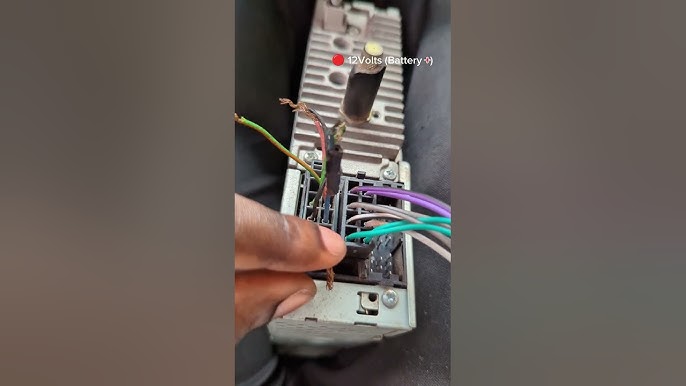
Are you ready to bring your car stereo to life but unsure how to connect it directly to your battery? Hooking up a car stereo to a battery might seem tricky, but with the right steps, you can power your sound system quickly and safely.
Whether you want louder music on the go or a reliable power source for your stereo, this guide will walk you through everything you need to know. Keep reading, and you’ll be playing your favorite tunes in no time!
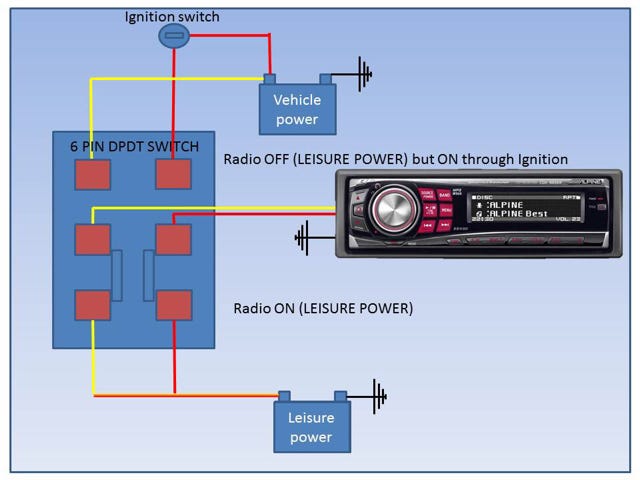
Credit: www.vwt4forum.co.uk
Gather Necessary Tools
Before you start hooking up your car stereo to the battery, gathering the right tools is crucial. Having everything ready saves you time and prevents frustration during the installation. Plus, using the correct tools ensures your work is safe and effective.
Tools And Materials Checklist
Here’s a list of essential tools and materials you’ll need to get the job done smoothly:
- Wire strippers:To remove insulation from wires cleanly without damaging the metal inside.
- Crimp connectors or soldering kit:For secure and reliable wire connections.
- Electrical tape or heat shrink tubing:To insulate and protect your connections from short circuits.
- Multimeter:To check voltage and continuity, helping you avoid wiring mistakes.
- Fuse holder and appropriate fuse:To protect the stereo and wiring from electrical overload.
- Screwdrivers and pliers:For loosening and tightening screws and manipulating wires.
- Battery terminal connectors:If you need to attach wires directly to the battery terminals.
Missing even one of these can stall your progress or create safety risks. Have you ever started a project only to realize you’re lacking a key tool halfway through? Avoid that headache by double-checking your supplies now.
Safety Precautions
Working with your car’s battery requires caution. Batteries hold a lot of power and can cause serious injury or damage if mishandled.
Always disconnect the negative terminal of your car battery first to prevent accidental short circuits. Wear protective gloves and eye protection to guard against sparks or acid exposure.
Keep metal tools away from the battery terminals to avoid accidental shorts. Think about the last time you were cautious with electrical work—did it make the process smoother and safer? Applying the same mindset here will save you trouble.
Credit: www.diymobileaudio.com
Locate The Car Battery
Locating the car battery is the first key step before you can hook up a car stereo. Without finding the battery, you won’t have a reliable power source to connect your stereo system. It might be easier than you think, but some cars hide the battery in unusual spots.
Common Battery Locations
Most car batteries sit under the hood, near the front of the engine compartment. Look for a rectangular box with two thick cables attached.
In some vehicles, especially newer models or hybrids, the battery might be tucked away in the trunk or under a seat. It’s worth checking your car manual if you don’t see it right away under the hood.
- Under the hood, near the radiator or firewall
- Inside the trunk, usually on one side
- Under the rear seat, often in a covered compartment
Have you ever opened the hood and felt confused about what you’re looking at? Knowing these common locations helps you avoid wasting time and getting frustrated.
Identifying Terminals
Once you find the battery, the next step is spotting the terminals. These are the metal posts where you’ll connect your stereo wires.
The positive terminal is usually marked with a plus sign (+) and often has a red cover or cable. The negative terminal has a minus sign (-) and is typically black or bare metal.
| Terminal | Sign | Color | Connection Tip |
|---|---|---|---|
| Positive | + | Red | Connect stereo’s red (power) wire here |
| Negative | – | Black or bare | Connect stereo’s black (ground) wire here |
Misidentifying terminals can damage your stereo or car electronics. Take a moment to double-check the signs and colors before making any connections.
Prepare The Stereo Wiring
Preparing the stereo wiring is a crucial step before connecting your car stereo to the battery. Proper wiring ensures the stereo works safely and efficiently. This part involves checking the wiring harness and making clean connections. Careful preparation reduces the risk of shorts or damage. Follow these simple steps to get your wiring ready.
Inspect Wiring Harness
Start by examining the wiring harness for any damage. Look for cuts, frays, or exposed wires. Make sure all connectors are present and fit snugly. Identify the color-coded wires for power, ground, speakers, and accessories. Confirm the harness matches your stereo model. Replace any worn or broken parts before moving on.
Strip And Connect Wires
Use a wire stripper to remove about half an inch of insulation from each wire end. Be gentle to avoid cutting the wire strands. Twist the exposed strands to keep them neat. Connect matching wires by twisting them together or using crimp connectors. Secure connections with electrical tape or heat shrink tubing. Double-check all connections are firm and correctly matched.
Connect Power Wire To Battery
Connecting the power wire directly to the car battery is essential for supplying consistent power to your car stereo. This connection must be secure and safe to protect your stereo and vehicle from electrical damage. Proper wiring ensures good sound quality and prevents power interruptions.
Using A Fuse Holder
A fuse holder protects your stereo from electrical surges and shorts. Place the fuse holder on the positive power wire close to the battery terminal. This setup stops excessive current from reaching the stereo if a fault occurs.
- Choose a fuse with the correct amperage for your stereo.
- Cut the power wire and insert the fuse holder between the battery and stereo.
- Secure the fuse holder firmly to avoid loose connections.
Securing The Connection
Ensure all connections are tight and free of corrosion. Use ring terminals to attach the wire to the battery terminal. Tighten the terminal bolt to hold the wire firmly in place.
- Wrap connections with electrical tape or heat shrink tubing.
- Keep wires away from moving parts and heat sources.
- Double-check the connection to avoid power loss or shorts.
Ground The Stereo Properly
Grounding your car stereo properly is crucial for its performance and safety. Without a solid ground connection, you might face issues like static noise, poor sound quality, or even damage to your stereo system. Taking the time to ground your stereo correctly ensures a clean electrical path and reliable operation.
Choosing A Ground Point
Look for a bare metal spot on your car’s chassis to connect the ground wire. Avoid painted or rusty areas because paint and corrosion act as insulators, preventing a good connection.
Check near the stereo mounting area or the car’s firewall. These spots usually provide accessible and sturdy grounding points.
Ask yourself: Is this spot easy to reach and secure? If it’s awkward or loose, the connection might fail over time.
Ensuring A Solid Ground
Before attaching the ground wire, clean the metal surface thoroughly. Use sandpaper or a wire brush to remove any paint, rust, or dirt.
Use a ring terminal on the ground wire and fasten it tightly with a bolt or screw. Loose connections can cause buzzing sounds or intermittent power loss.
Double-check the connection by gently tugging the wire. If it moves, tighten it further or find a better spot.
Credit: www.diymobileaudio.com
Connect Remote Turn-on Wire
Connecting the remote turn-on wire is a crucial step when hooking up a car stereo to a battery. This wire acts as a signal that tells your stereo to power on or off with the ignition, preventing battery drain when the car is off. Understanding how to properly connect this wire can save you from electrical issues and ensure your stereo works smoothly every time you start your vehicle.
Purpose Of Remote Wire
The remote turn-on wire sends a low-voltage signal from the ignition or head unit to the amplifier or stereo system. This signal triggers the stereo to turn on only when your car is running, helping to protect your battery from unnecessary drain.
Without this wire connected, your stereo might stay on even after you turn off the car, which can quickly drain your battery. Have you ever wondered why your car battery dies after leaving the stereo on? The remote wire connection is often the missing piece in that puzzle.
Proper Connection Techniques
Start by locating the remote turn-on wire, usually a thin blue wire in your stereo wiring harness. Use a wire stripper to remove a small section of insulation without cutting the wire completely.
Securely connect this wire to the remote turn-on lead from your amplifier or the stereo’s remote input. You can use crimp connectors or solder the wires together for a solid connection. Always insulate the connection with electrical tape or heat shrink tubing to avoid shorts.
- Double-check the connection with a multimeter to ensure continuity.
- Keep wires away from sharp edges or heat sources to avoid damage.
- Use zip ties to keep wiring neat and prevent accidental pulling.
Have you tested your remote wire connection by turning the ignition off and on? That quick check can confirm if you did the job right before finalizing the installation.
Test The Stereo System
After connecting your car stereo to the battery, it’s crucial to test the stereo system to ensure everything works perfectly. This step helps you catch wiring mistakes or component failures early. Testing also lets you experience the sound quality firsthand before finalizing the installation.
Powering On
Start by turning on your car stereo. If it powers up without any issues, you know the battery connection is solid. Watch for the display lighting up and listen for any startup sounds.
Adjust the volume carefully to avoid sudden loud noises that could damage your speakers. Try switching through different audio sources like radio, Bluetooth, or AUX to verify each input functions correctly.
Did you notice any flickering lights or unexpected shutdowns? These signs might indicate power supply problems. Taking time here saves frustration later on the road.
Troubleshooting Common Issues
If your stereo doesn’t turn on or behaves oddly, check the wiring first. Loose or reversed connections between the battery and stereo are common mistakes. Use a multimeter to confirm voltage levels at the stereo terminals.
Another issue could be a blown fuse. Locate the fuse box, identify the fuse linked to your stereo, and inspect it for damage. Replacing a faulty fuse often restores power instantly.
Have you tested the ground connection? A poor ground can cause static noise or intermittent power loss. Ensure the ground wire is firmly attached to a clean, unpainted metal surface on your vehicle.
Finally, verify that the stereo’s internal settings aren’t causing problems—like a muted volume or disabled speaker output. Sometimes the fix is as simple as adjusting settings directly on the stereo panel.
Secure And Organize Wires
Securing and organizing wires is a key step when hooking up a car stereo to a battery. Neat wiring helps prevent shorts and keeps the setup safe. Proper wire management also makes future maintenance easier and faster.
Loose or tangled wires can cause electrical problems or even damage your stereo system. Taking time to arrange and secure each wire protects your investment and ensures reliable performance.
Using Cable Ties
Cable ties keep wires bundled and tidy. Group wires going to the same place together. Wrap a cable tie around the bundle and pull tight.
Trim off excess tie length to avoid sharp edges. Space ties evenly along the wires to hold them firmly. Use reusable ties for easier adjustments.
Keep wires away from moving parts or heat sources. Cable ties help maintain a clean path for wires inside the vehicle. This prevents snagging and wear over time.
Avoiding Wire Damage
Protect wires from cuts and abrasion. Avoid sharp bends or pinching under panels. Use wire loom or split tubing for extra protection.
Check connections for tightness to prevent loose contacts. Do not stretch wires too tight; leave some slack to allow movement. Secure wires away from hot engine parts or areas prone to moisture.
Inspect wires regularly for signs of wear or damage. Replace any frayed or cracked wiring to maintain safety and function.
Frequently Asked Questions
How Do I Connect A Car Stereo To A Battery Safely?
To connect a car stereo safely, use a fuse between the battery and stereo. Connect the positive wire to the battery’s positive terminal and the negative wire to the chassis ground. Always ensure connections are secure to prevent shorts or damage.
What Tools Are Needed To Hook Up A Car Stereo?
You’ll need a wire stripper, crimping tool, electrical tape, a fuse holder, and appropriate wiring connectors. These tools help ensure clean and secure connections between the stereo and battery for reliable power delivery.
Can I Connect A Car Stereo Directly To The Battery?
Yes, but always use a fuse to protect the stereo from power surges. Direct connection without a fuse can cause electrical damage or fire hazards. Proper grounding is also essential for safety and optimal performance.
What Type Of Wire Is Best For Car Stereo Battery Connection?
Use automotive-grade, insulated copper wire rated for 12 volts. The wire gauge should match your stereo’s power requirements, usually 16- or 18-gauge. This ensures efficient power flow and minimizes voltage drop.
Conclusion
Connecting a car stereo to a battery is straightforward. Follow the steps carefully. Start by ensuring all necessary tools are at hand. Properly connect the wires. Secure the connections to avoid short circuits. Test the stereo to ensure it works well.
Double-check connections if issues arise. Enjoy your favorite tunes on the road. Remember to prioritize safety during installation. A well-connected stereo enhances your driving experience. With patience, anyone can install it successfully. Happy listening and safe travels!