
How to Choose a Good Car Amplifier: Ultimate Buyer’s Guide 2025
Are you ready to take your car’s sound system to the next level? Choosing the right car amplifier can make all the difference in how your music feels and sounds.
But with so many options out there, how do you pick the one that suits your needs and budget? This guide will help you understand exactly what to look for, so you can boost your audio experience without any guesswork.
Keep reading, and you’ll soon know how to find a car amplifier that makes every drive sound amazing.
Credit: www.iwantek.com
Types Of Car Amplifiers
Choosing the right car amplifier means knowing the types available. Each type works differently and suits different needs. Understanding these types helps you pick one that fits your sound system perfectly.
Class A, B, And Ab Amplifiers
Class A amplifiers provide very clear sound. They run hot and use more power. Class B amplifiers use less power but can create some distortion. Class AB amplifiers combine Class A and B features. They offer good sound quality and better power efficiency.
Class D Amplifiers
Class D amplifiers are small and very efficient. They produce less heat and save battery power. These amps are great for bass and powerful sound. They can be more affordable and fit well in tight spaces.
Mono Vs Multi-channel Amplifiers
Mono amplifiers have one channel. They focus on powering subwoofers for deep bass. Multi-channel amplifiers have two or more channels. They can power speakers and subwoofers at the same time. This makes multi-channel amps flexible for different setups.
Power And Wattage
Power and wattage are crucial factors when selecting a car amplifier because they directly impact the sound quality and performance of your audio system. Understanding how much power your amplifier can deliver, and how that power interacts with your speakers, will help you avoid common issues like distortion or damage. Let’s break down these concepts to help you make a more informed choice.
Rms Vs Peak Power
RMS (Root Mean Square) power represents the continuous power an amplifier can provide safely without distortion. Peak power, on the other hand, is the maximum power output during short bursts. You want to focus on RMS because it reflects the amplifier’s real-world performance, not just its ability to hit high volume spikes.
Choosing an amplifier with a high peak power but low RMS rating might sound tempting, but this can lead to inconsistent sound and potential damage to your speakers. Think of RMS as the steady heartbeat of your audio system, while peak power is just the occasional shout.
Matching Amplifier Power To Speakers
Matching your amplifier’s power output to your speakers’ power handling is key to getting clean, loud sound. Look at the RMS rating of both your amplifier and speakers and aim to pair them closely.
- If your amplifier delivers less power than the speaker’s RMS rating, your sound may be weak or distorted at higher volumes.
- If it’s too powerful, you risk blowing your speakers by pushing them beyond their limits.
Imagine trying to fill a large bucket with a tiny hose, or using a fire hose on a small cup — neither works well. Choose an amplifier that matches your speakers’ capacity to keep your sound balanced and safe.
Avoiding Distortion
Distortion occurs when your amplifier or speakers are pushed beyond their power limits. This can make your music sound harsh, unclear, and unpleasant.
To avoid this, don’t just crank up the volume and expect the amplifier to handle it. Instead, pick an amplifier with enough RMS power to drive your speakers cleanly at the volume levels you want.
Also, pay attention to the impedance rating (measured in ohms). Mismatched impedance can cause the amplifier to overheat or underperform, leading to distortion. Have you ever noticed your music suddenly sounding scratchy or harsh? That’s often a sign of distortion due to poor power matching.
Sound Quality Factors
Sound quality is the heart of a great car amplifier. It shapes how music feels inside your vehicle. Good sound quality means clear, powerful, and natural audio. Several key factors affect this quality. Understanding them helps choose an amplifier that suits your needs.
Signal-to-noise Ratio
The signal-to-noise ratio (SNR) measures how clear the sound is. It compares the level of the audio signal to background noise. A higher SNR means less noise and cleaner sound. Look for an amplifier with an SNR above 90 dB for better clarity. This keeps your music free from unwanted hiss or static.
Total Harmonic Distortion
Total Harmonic Distortion (THD) shows how much the sound changes from the original. Lower THD means the amplifier adds less noise or distortion. Choose an amplifier with THD under 1% for crisp, accurate sound. This ensures your music sounds true to the artist’s intent.
Frequency Response
Frequency response defines the range of sounds the amplifier can produce. A wider range covers deep bass to high treble tones. Check for an amplifier that supports 20 Hz to 20 kHz. This range matches what human ears can hear and delivers full, rich sound. Consistent output across frequencies keeps music balanced and natural.
Installation Considerations
Choosing the right car amplifier isn’t just about power and sound quality. Installation plays a huge role in how well your system performs and lasts. Before buying, think through where and how you’ll install it to avoid costly mistakes and frustrating setups.
Space And Size Constraints
Your car’s interior space limits the amplifier size you can use. Measure the available spots carefully—trunk, under seats, or behind panels. Remember, a bigger amp might mean better sound, but if it doesn’t fit, it’s useless.
Think about how easy it will be to access the amp for adjustments or maintenance. Tight spaces can make wiring tricky and increase the chance of damage.
Wiring And Connectivity
Good wiring is the backbone of a clean installation. Check if your amplifier supports the wiring gauge you plan to use. Using wires that are too thin can cause voltage drops and reduce performance.
Also, look at the input and output options. Do you need RCA inputs, speaker-level inputs, or remote turn-on wires? Ensuring compatibility saves you from extra adapters or rewiring later.
Ask yourself: Can you easily route the cables without stretching or crossing over other electrical systems? Organized wiring reduces interference and keeps your setup safe.
Heat Dissipation
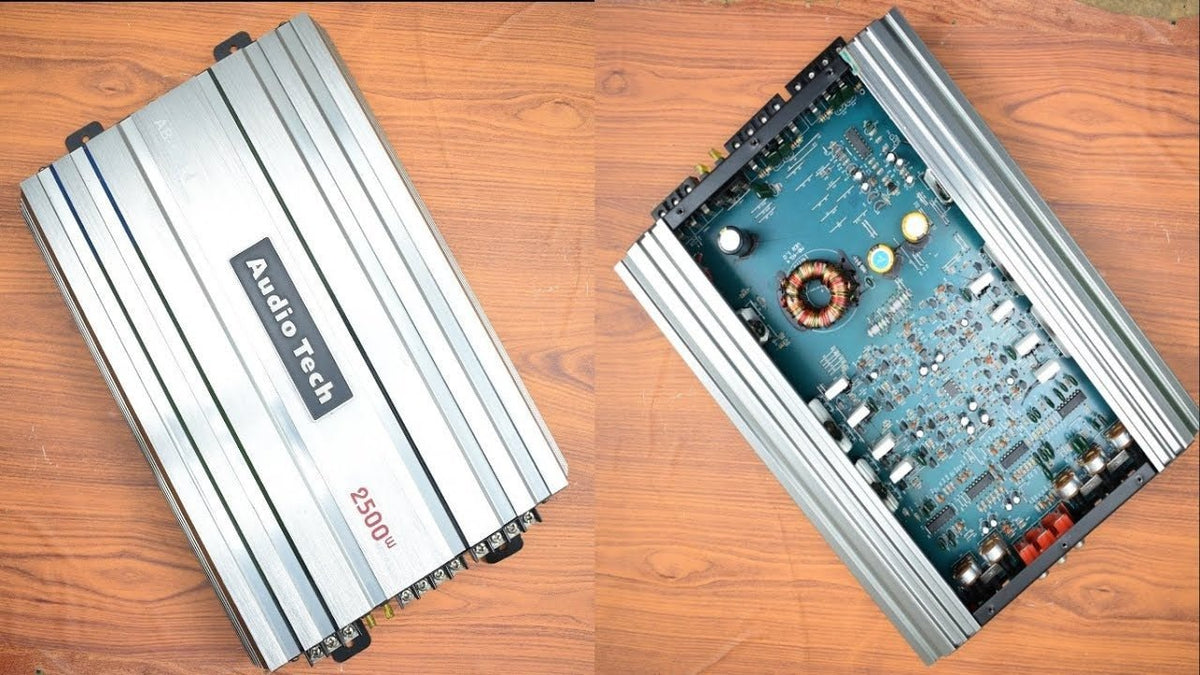
Amplifiers generate heat, and poor ventilation can cause them to overheat and shut down. Check if your chosen amp has built-in cooling features like fans or heat sinks.
Make sure you install it in a spot with good airflow, avoiding enclosed or carpeted areas that trap heat. Have you noticed your amp getting unusually warm during long drives? That’s a sign to improve ventilation.
Keeping your amplifier cool not only improves performance but extends its lifespan. Don’t overlook this often-missed detail during installation.
Additional Features To Look For
Choosing a car amplifier involves more than just power output and size. Additional features can improve sound quality and user experience. These features help customize audio settings and offer better control over your music.
Built-in Crossovers
Built-in crossovers split audio signals into different frequency ranges. This lets speakers handle only sounds they are designed for. The result is clearer and more balanced sound. High-pass filters protect smaller speakers from low bass. Low-pass filters send deep bass to subwoofers. Some amplifiers allow adjustable crossover points for precise tuning.
Bass Boost And Equalizers
Bass boost enhances low frequencies to make bass sound stronger. It adds depth without needing a bigger subwoofer. Equalizers adjust various frequency bands for a balanced sound. Graphic equalizers offer preset or manual adjustments. Parametric equalizers provide more control over frequency, bandwidth, and gain. These features help tailor sound to your car’s acoustics.
Remote Controls And Apps
Remote controls allow easy volume and setting changes without reaching the amplifier. Some amplifiers come with wireless remotes for convenience. Smartphone apps offer advanced control and customization. Apps connect via Bluetooth or Wi-Fi. They provide real-time adjustments and preset saving. This makes it easier to fine-tune audio while driving.
Credit: www.mytvs.com
Budget And Brand Choices
Choosing a car amplifier means balancing what you want with what you can spend. Your budget sets the boundaries, but the brand you pick can make a big difference in sound quality and durability. Knowing where to invest and where to save helps you get the best amplifier for your money.
Price Ranges
Car amplifiers come in various price brackets, usually ranging from budget models under $100 to high-end options costing several hundred dollars. Cheaper amplifiers might be fine if you want basic sound boosts without extra features. But if you crave powerful bass or cleaner sound, spending a bit more often pays off.
Ask yourself: Are you upgrading for casual listening, or do you want a system that competes with professional setups? Your answer will guide how much you should spend.
Reputable Brands
Brands with a solid reputation often deliver better performance and reliability. Companies like JL Audio, Rockford Fosgate, and Alpine have built trust by consistently offering quality products. Choosing a well-known brand reduces the risk of buying a faulty or low-quality amplifier.
Think about how often you use your car audio system and where you drive. A trusted brand ensures your amplifier can handle different conditions without failing.
Warranty And Support
Never underestimate the value of a good warranty. A longer warranty period shows that the manufacturer stands behind their product’s quality. It also protects your investment if something goes wrong.
Check if the brand offers easy-to-access customer support. Quick help can save you a lot of frustration if you face installation issues or technical glitches.
What’s your plan if the amplifier stops working after a few months? Knowing your warranty options gives peace of mind and saves unexpected costs.
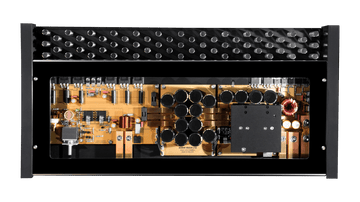
Credit: audiointensity.com
Frequently Asked Questions
What Should I Consider When Choosing A Car Amplifier?
When choosing a car amplifier, consider power output, compatibility with your car’s audio system, and budget. Look for an amplifier that matches the impedance and power handling of your speakers. Ensure it fits in your car’s available space. Research brands and read reviews for reliability and performance.
How Many Channels Do I Need In An Amplifier?
The number of channels needed depends on your speaker setup. A 2-channel amplifier is ideal for a pair of speakers. For a full-range system with four speakers and a subwoofer, consider a 5-channel amplifier. More channels offer flexibility but ensure it matches your system’s requirements.
Is A High Wattage Important For Car Amplifiers?
High wattage is important for louder sound and better performance. However, it’s crucial to match the amplifier’s wattage to your speakers’ power handling. Too much wattage can damage speakers, while too little won’t drive them effectively. Choose an amplifier with appropriate wattage for optimal sound quality.
Do I Need A Separate Subwoofer Amplifier?
A separate subwoofer amplifier is beneficial for powerful bass output. It provides dedicated power to the subwoofer, enhancing bass performance. If your main amplifier doesn’t support subwoofers adequately, a separate amplifier is recommended. Ensure it matches your subwoofer’s power and impedance for the best results.
Conclusion
Choosing a good car amplifier takes some thought and care. Focus on your car’s power needs and sound preferences. Check the amplifier’s size to fit your space. Think about the number of speakers you want to connect. Quality and price should balance well for your budget.
Simple features often work best for easy use. Good sound makes every drive more enjoyable. Take your time to pick the right one. A smart choice leads to better music and fun.