How to Connect Car Stereo Speaker Wires: Easy Step-by-Step Guide
Are you ready to upgrade your car’s sound system but not sure how to connect your stereo speaker wires? You’re in the right place.
Connecting speaker wires might seem tricky at first, but with the right steps, you can do it yourself quickly and safely. Imagine enjoying your favorite music with crystal-clear sound, all because you took control and made the connection right. Keep reading, and by the end of this guide, you’ll have the confidence to handle your car stereo wiring like a pro.
Tools And Materials Needed
Before you start connecting your car stereo speaker wires, gathering the right tools and materials can save you a lot of time and frustration. Having everything at hand makes the process smoother and helps you avoid common mistakes that can damage your equipment.
Think about the last time you tackled a wiring project without the proper tools. Did you find yourself improvising with whatever was nearby? That often leads to weak connections or even electrical shorts. Let’s make sure you’re fully prepared.
Essential Tools For Connecting Speaker Wires
- Wire Strippers:These are crucial for removing the insulation without damaging the wires inside. Avoid using knives or scissors as they can cut the wire strands.
- Crimping Tool:If you plan to use crimp connectors, this tool ensures a secure and stable connection.
- Multimeter:Handy for testing wire continuity and confirming correct connections before powering up your system.
- Screwdriver Set:Different stereos and speaker terminals may require various screwdriver types and sizes.
- Electrical Tape or Heat Shrink Tubing:These help insulate and protect your wire connections from shorts and wear.
Materials You’ll Need
- Speaker Wire:Choose the right gauge wire for your speakers to ensure optimal sound quality and safety.
- Wire Connectors:Options include butt connectors, quick splice connectors, or solder and heat shrink for permanent joints.
- Zip Ties or Cable Clips:These help you organize and secure the wires, preventing rattles and accidental disconnections.
Why Quality Matters
Using cheap or inappropriate materials can lead to poor sound quality and even damage your stereo system. Have you ever noticed crackling sounds or intermittent audio? That’s often caused by loose or corroded connections.
Investing in quality wires and connectors might cost a bit more upfront but will save you headaches in the long run. Plus, properly insulated connections reduce the risk of electrical shorts, keeping your car safe.
Credit: www.diymobileaudio.com
Identify Speaker Wire Types
Identifying the types of speaker wires in your car stereo setup is crucial before making any connections. Knowing the right wire ensures clear sound and prevents damage to your system. Let’s break down the essentials you need to recognize your speaker wires effectively.
Color Coding Basics
Car speaker wires often come color-coded to help you match the positive and negative terminals. The most common colors include:
- Solid colors:Typically, one wire will be a solid color like red or white, indicating the positive (+) connection.
- Striped wires:The companion wire often has a stripe of the same color on a white or black background, marking the negative (-) side.
Have you noticed how some cars might use different standards? That’s why checking your car’s manual or existing wires is a smart move before cutting or splicing.
Wire Gauge Importance
The thickness of your speaker wire, called the gauge, affects sound quality and power delivery. Lower gauge numbers mean thicker wires, which carry more power and reduce signal loss.
For typical car stereo speakers, wire gauges between 16 and 18 are ideal. Going thinner than 18 gauge can cause weak sound, especially if the wire runs are long.
Think about your last upgrade—did you check the wire thickness? Choosing the right gauge can make a noticeable difference in volume and clarity.
Prepare The Speaker Wires
Preparing the speaker wires is a key step before connecting your car stereo. Proper preparation ensures a clear sound and a safe connection. It also prevents shorts and signal loss. Take time to get the wires ready for a smooth installation process.
Strip Wire Insulation
Remove about half an inch of the plastic coating from the wire ends. Use a wire stripper tool for clean removal. Avoid cutting the wire strands inside. Expose the metal wire enough to make a solid connection. Twisting the wire strands after stripping helps keep them together.
Check Wire Lengths
Make sure the speaker wires are long enough to reach the stereo and speakers comfortably. Leave some extra length for adjustments. Avoid pulling wires tight to prevent damage. Trim any excessively long wires to keep the setup neat. Proper length helps maintain good sound quality and reliability.

Credit: www.reddit.com
Locate Car Stereo Wiring Harness
Locating the car stereo wiring harness is a crucial first step when connecting speaker wires. This harness is the bundle of wires that connects your car’s stereo to the speakers and power source. Finding it correctly saves you from guesswork and potential damage to your system.
Accessing The Stereo
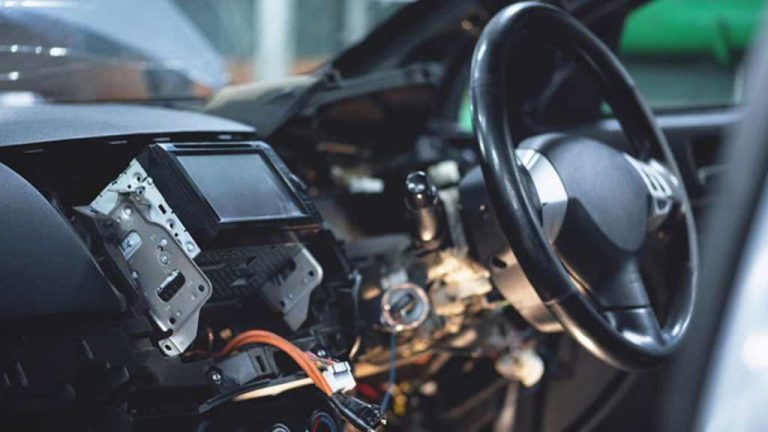
Start by removing the trim or dashboard panel around your stereo. You might need a screwdriver or specialized removal tools depending on your car model. Take your time and be gentle to avoid breaking clips or scratching surfaces.
Once the stereo is loose, carefully pull it out to reveal the back where the wiring harness is plugged in. You’ll often find a plastic connector holding multiple wires together. This connector is your wiring harness.
Identifying Wire Terminals
Look closely at the wiring harness and identify each wire by its color and label if available. Speaker wires usually come in pairs—one solid color and one with a stripe. For example, the front left speaker wires might be white and white with a black stripe.
You can use a wiring diagram specific to your car model to match the wires correctly. If you don’t have one, many online forums and manuals provide accurate color codes. Confirming each wire’s purpose prevents mistakes and ensures your speakers work as expected.
Match Speaker Wires To Stereo Terminals
Matching speaker wires to stereo terminals ensures clear sound and prevents damage. Each wire has a specific role, so connecting them properly is key. Identifying the positive and negative wires helps keep the sound balanced. Also, knowing which wires go to the front and rear speakers avoids confusion.
Positive And Negative Connections
Speaker wires usually come in pairs: one positive, one negative. The positive wire often has a stripe or a different color. The negative wire is plain or a solid color. Connect the positive wire to the stereo’s positive terminal. Do the same for the negative wire. Mixing these can cause poor sound or phase problems.
Front And Rear Speakers
Car stereos have separate terminals for front and rear speakers. Front speaker wires usually connect to the front terminals. Rear speaker wires connect to the rear terminals. Make sure to match each wire to the right terminal. This setup keeps the sound stage correct. It also prevents speaker damage and ensures clear audio.
Connect And Secure Speaker Wires
Connecting and securing speaker wires correctly is key to getting the best sound from your car stereo. Loose or poor connections can cause static, distortion, or even damage your equipment. Taking the time to properly join the wires ensures a clean, reliable signal and a long-lasting setup.
Twisting And Crimping Wires
Start by stripping about half an inch of insulation from the ends of each speaker wire. Twist the exposed strands tightly together to form a neat bundle. This keeps the wires from fraying and makes the connection stronger.
Next, use a crimping tool to attach a crimp connector or butt splice over the twisted wires. Crimping applies pressure that secures the wires inside the connector without the need for solder. This method is quick and effective, especially if you want a solid mechanical connection without extra equipment.
Have you noticed how loose wire ends can cause your speakers to cut in and out? Twisting and crimping helps avoid that frustrating issue by creating a firm link.
Using Connectors Or Soldering
Connectors like quick-disconnect terminals or wire nuts provide a simple way to join wires without permanent bonds. They allow you to easily disconnect the wires if needed. Just make sure the connector fits snugly and holds the wires firmly.
Soldering is a more permanent option. It melts a small amount of solder onto the twisted wire joint, forming a solid metal bond. This method offers excellent conductivity and durability but requires a soldering iron and some practice.
If you’ve ever experienced crackling sounds, poor solder joints might be the culprit. Soldering ensures a clean, stable connection that stands up to vibrations in your car. Remember to cover the soldered joint with heat shrink tubing or electrical tape to prevent shorts.
Test The Speaker Connections
Testing the speaker connections ensures your car stereo delivers clear sound. This step checks if wires are properly connected and the system works well. It helps avoid damage and improves listening experience.
Power On And Volume Check
Turn on your car stereo. Set the volume to a low level to avoid sudden loud sounds. Play a song or radio station.
Listen carefully to each speaker. Sound should come from all speakers without distortion. Check for balanced sound on left and right sides.
Adjust volume slowly and note any crackling or cutting out. These signs show connection problems or wire damage.
Troubleshooting Common Issues
If sound is missing or unclear, check these points:
- Confirm wires match positive and negative terminals.
- Look for loose or disconnected wires.
- Inspect wires for cuts or damage.
- Test speakers with another audio source if possible.
- Reset the stereo system if sound still fails.
Fix any loose connections and try again. Properly connected wires give clear, strong sound from all speakers.
Final Steps And Safety Tips
After carefully connecting your car stereo speaker wires, the final steps focus on securing those connections and safely putting everything back together. These actions ensure your system works flawlessly and prevents any electrical issues that might arise from loose or exposed wires. Paying attention to these details can save you from future headaches and protect your vehicle’s electronics.
Insulate Connections
Insulating your speaker wire connections is crucial to avoid shorts or electrical shocks. Use electrical tape or heat shrink tubing to cover every exposed wire and connection point thoroughly. If you have multiple wires bundled together, make sure none of them touch each other once insulated.
Have you ever experienced your stereo cutting out unexpectedly? Often, this happens because of a poor connection that wasn’t insulated properly. Taking a few extra minutes to insulate can make your system more reliable and safer.
Reassemble The Stereo Panel
Once your wires are insulated and secure, carefully place the stereo back into its housing. Don’t rush this part; ensure no wires get pinched or caught behind the panel. Double-check that every clip and screw goes back in place firmly, so the panel sits flush and stable.
Think about how you’ll feel if the panel rattles or comes loose while driving. Proper reassembly prevents that annoying noise and potential damage. Keep your tools handy and work methodically to restore your car stereo to its original condition.

Credit: www.reddit.com
Frequently Asked Questions
How Do I Identify Car Stereo Speaker Wires?
To identify car stereo speaker wires, use a multimeter to check for continuity. Typically, speaker wires are color-coded, with the positive wire being a solid color and the negative wire having a stripe. Consulting your car’s manual or a wiring diagram can also help identify the correct wires.
What Tools Are Needed To Connect Speaker Wires?
To connect speaker wires, you’ll need a wire stripper, crimping tool, and electrical tape. A multimeter is helpful for testing connections. Ensure you have wire connectors or soldering equipment for a secure connection. Always ensure the car battery is disconnected before working on the stereo system.
Can I Connect Speaker Wires Without A Multimeter?
Yes, you can connect speaker wires without a multimeter. Use a battery test to identify speaker wires. Touching the wires briefly to a 9V battery will produce a popping sound in the speaker, helping you identify the correct wires. Ensure you connect positive to positive and negative to negative.
What Happens If Speaker Wires Are Connected Wrong?
Connecting speaker wires incorrectly can cause phase issues, resulting in poor sound quality. The speakers may sound weak or distorted. This happens because the speakers are out of phase, which cancels out some sound frequencies. Always ensure correct polarity for optimal sound performance.
Conclusion
Connecting car stereo speaker wires is easier than it seems. Follow the steps carefully and take your time. Double-check each connection before powering on the system. Good connections mean better sound and fewer problems. Use the right tools to avoid damage or loose wires.
Safety matters—disconnect the car battery first. Enjoy clear music and a better driving experience. Practice makes perfect; don’t rush the process. Your car stereo will thank you for the effort. Simple steps lead to great sound every time.