
Are you planning to upgrade your car stereo but unsure about the right size? Measuring your car stereo correctly is the first step to getting the perfect fit.
If you get this wrong, your new stereo might not fit, or you could end up with wasted money and frustration. But don’t worry—this guide will make measuring your car stereo simple and stress-free. By the end, you’ll know exactly how to find the right size for your car, saving you time and hassle.
Keep reading to make your next car stereo upgrade smooth and easy!

Credit: www.carparts.com
Car Stereo Sizes
Understanding car stereo sizes is key before upgrading your vehicle’s audio system. The size determines compatibility with your car’s dashboard and influences the features your stereo can offer. Knowing the difference between sizes helps you avoid costly mistakes and ensures a perfect fit.
Single Din Vs Double Din
Car stereos mainly come in two standard sizes: Single DIN and Double DIN. A Single DIN stereo measures about 2 inches in height and 7 inches in width. It’s compact and fits most older or basic car models.
Double DIN stereos are twice as tall, roughly 4 inches high, keeping the same width as Single DIN. This extra space allows for larger touchscreens, navigation systems, and more controls. If you want modern features like Bluetooth, a large display, or integration with your smartphone, Double DIN is often the better choice.
Have you checked your car’s dashboard opening size before shopping? This simple step saves you from buying a stereo that won’t fit.
Other Stereo Sizes
Besides Single and Double DIN, some vehicles, especially older or specialty models, might use non-standard stereo sizes. These can vary widely and might require custom installation kits or adapters.
- Mini DIN: Smaller than Single DIN, often found in compact cars or motorcycles.
- Proprietary Sizes: Some manufacturers use unique dimensions, which means replacements must match exactly or need modifications.
Before purchasing, measure your current stereo or the opening in your dashboard. Use a tape measure to note the height, width, and depth. This helps you identify if you need a standard or custom stereo size.
Have you ever tried to install a stereo that just wouldn’t fit? Sharing your experience can help others avoid similar issues.
Tools Needed For Measurement
Measuring the size of a car stereo requires the right tools. Using proper tools ensures accurate measurements. This helps find a stereo that fits perfectly in your car’s dashboard. The tools are simple and easy to use.
Measuring Tape
A measuring tape is the most common tool for measuring car stereos. It is flexible and easy to handle. Use it to measure the width, height, and depth of the stereo space. A tape with clear markings makes reading measurements simple. Always measure twice to avoid errors.
Calipers
Calipers offer precise measurements for small parts of the car stereo. They measure inside and outside dimensions accurately. Digital calipers show exact numbers on a screen. This tool is useful for detailed measurements, such as mounting holes or edges.
Other Useful Tools
- Ruler:Good for quick, straight measurements if a tape is not available.
- Depth Gauge:Helps measure how deep the stereo space is.
- Notebook and Pen:Record all measurements carefully for reference.
Measuring The Stereo Opening
Measuring the stereo opening is the first step to find the right car stereo size. This space is where your new stereo will fit. Accurate measurements help avoid buying a stereo that is too big or too small. Use a tape measure or ruler to get precise numbers. Take note of the width, height, and depth of the opening. Each dimension matters for a perfect fit.
Width Measurement
Measure the width from one side of the opening to the other. Check both the top and bottom width. Sometimes, the opening may be slightly wider or narrower in different spots. Use the smallest width measurement for safety. Write down the width in inches or centimeters.
Height Measurement
Measure the height from the top edge to the bottom edge of the opening. Like width, measure the height at both sides. The smallest height is important to avoid fitting problems. Note this height clearly. This ensures the stereo will fit without gaps or pressure.
Depth Measurement
Depth is the space from the front of the stereo opening to the back. Use a ruler or tape measure to check this space carefully. This measurement ensures the stereo unit fits inside without hitting wires or parts. Write down the depth in inches or centimeters for accuracy.
Checking Vehicle Compatibility
Checking vehicle compatibility is crucial before measuring your car stereo size. Not every stereo fits every car, and a mismatch can lead to installation headaches or poor audio performance. Knowing your vehicle’s specifications saves time, money, and frustration.
Consulting Vehicle Manual
Your vehicle manual is a treasure trove of information about stereo dimensions and installation requirements. It usually lists the size of the factory stereo and any special mounting instructions. If you still have your manual, take a moment to check the section on audio or dashboard components.
Sometimes, the manual highlights unique features like double-DIN or single-DIN stereo slots. This helps you narrow down your options quickly. If you don’t have the manual, try searching online for a PDF version by entering your car’s make, model, and year.
Online Compatibility Tools
Many websites offer tools where you enter your car’s details to find compatible stereo sizes. These tools are handy because they combine manufacturer data and user feedback. They often provide exact dimensions, mounting kits needed, and even wiring harness recommendations.
Have you tried any of these tools before? They simplify the process and reduce guesswork. Look for trusted sites that update their databases regularly to ensure accuracy.
Selecting The Right Stereo Size
Choosing the right stereo size is crucial for a smooth installation and optimal sound quality in your car. Picking a size that fits perfectly prevents damage and ensures your system looks clean and professional. Let’s take a closer look at how to find that perfect fit for your ride.
Matching Measurements To Standards
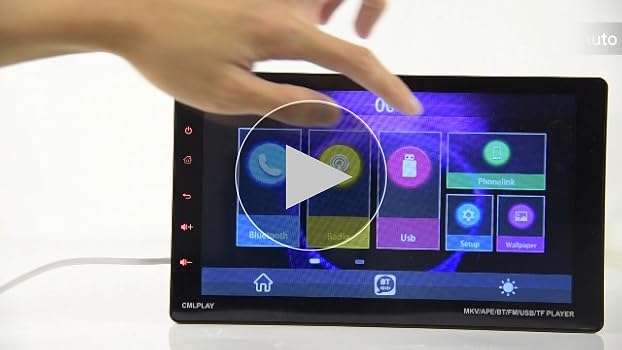
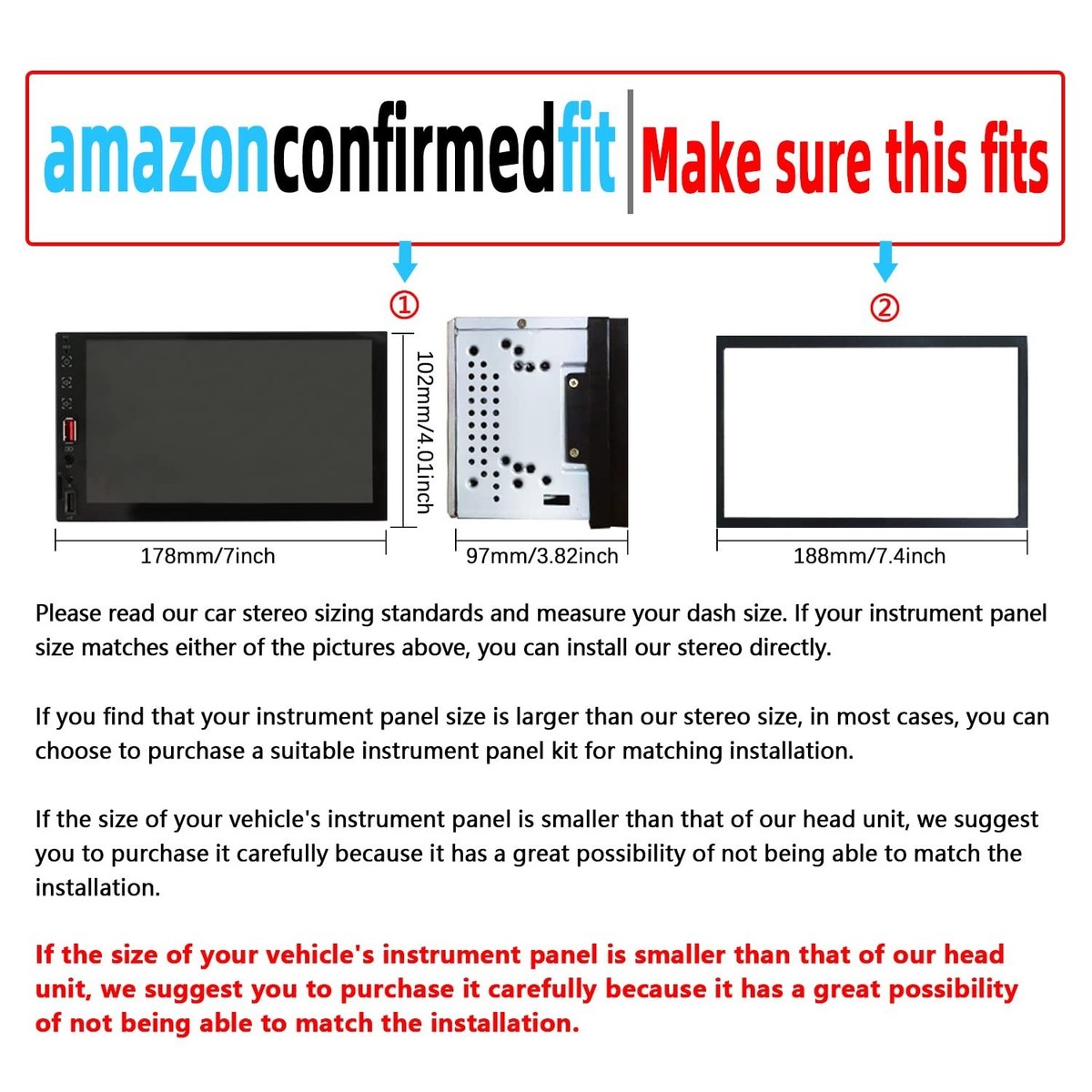
Car stereos typically come in two standard sizes: single DIN and double DIN. Single DIN units are about 7 inches wide and 2 inches tall, while double DIN units measure roughly 7 inches wide by 4 inches tall. Knowing these standards helps you narrow down your options quickly.
Measure the height and width of your current stereo or the slot in your dashboard using a tape measure. Compare these numbers against the DIN sizes to see which category your car falls into. Have you checked if your car supports upgrading from single to double DIN? It might open up more features for you.
Considering Installation Space
Beyond the faceplate, you need to think about the depth of the stereo and the space behind your dashboard. Some models require extra clearance for wiring and connectors. If your car has limited space, selecting a stereo that’s too deep can cause installation headaches or even damage.
Look inside the dashboard cavity carefully, and if possible, remove the existing unit to measure depth. Don’t forget to account for extra space if you plan to add accessories like amplifiers or Bluetooth modules. What’s the best way to ensure your new stereo won’t get stuck halfway? Taking detailed measurements before buying saves time and money.
Credit: www.amazon.ca
Tips For A Perfect Fit
Getting the right size for your car stereo is more than just measuring the space. It’s about making sure everything fits snugly and functions well. A perfect fit prevents rattling, keeps your dashboard looking neat, and ensures your stereo stays secure even on bumpy roads. Here are some practical tips to help you achieve that flawless installation.
Using Mounting Kits
Mounting kits are your best friends when it comes to fitting a new stereo. These kits come with brackets, screws, and trim panels designed to match specific car models and stereo sizes.
They help fill any gaps between your stereo and the dashboard, giving a clean, factory-installed look. Without a mounting kit, you might end up with loose edges or a stereo that shifts while driving.
When choosing a mounting kit, make sure it is compatible with your car’s make and model. Check online reviews or ask for recommendations to avoid buying a kit that doesn’t fit well.
Professional Installation Advice
Sometimes, the best way to ensure a perfect fit is to call in an expert. Professionals have the experience and tools to handle tricky installations and avoid common mistakes.
They can also spot potential issues, like wiring conflicts or dashboard modifications, before they become a problem. Don’t hesitate to ask your installer about the best stereo size for your vehicle if you feel unsure.
Think about the value of your time and peace of mind. Wouldn’t it be worth a small investment to avoid headaches and guarantee your stereo fits perfectly?
Credit: www.ebay.com
Frequently Asked Questions
What Tools Do I Need To Measure Car Stereo Size?
You need a tape measure or ruler for accurate measurements. A digital caliper helps measure depth precisely. These tools ensure you get exact dimensions for your car stereo.
How To Measure Car Stereo Width And Height?
Measure the stereo’s faceplate width and height using a tape measure. Take measurements from edge to edge for accuracy. This helps find the correct stereo size for your dashboard.
Why Is Measuring Car Stereo Depth Important?
Depth measurement ensures the stereo fits inside the dashboard cavity. Use a ruler or caliper to measure from front to back. Proper depth prevents installation issues and secures the stereo firmly.
What Are Standard Car Stereo Sizes?
Single DIN measures about 7 inches wide and 2 inches tall. Double DIN is roughly 7 inches wide and 4 inches tall. Knowing these sizes helps you choose compatible car stereo units.
Conclusion
Understanding car stereo sizes simplifies your next upgrade. Accurate measurements ensure a smooth fit. Measure width, height, and depth carefully. Use a tape measure for precision. Check your car’s manual for specific details. Knowing your stereo’s size prevents installation issues.
It saves time and money. You can choose the right stereo confidently. Enjoy better sound in your car. Make informed choices with these simple steps. Your music experience will improve greatly. Happy listening and safe driving!