How to Know What Stereo Fits Your Car: Ultimate Buying Guide
Master Automotive Systems Engineer & Performance Vehicle Specialist at CarSpeedNest Automotive Testing Lab · ASE Certified Master Technician, Mobile Electronics Certified Professional (MECP Master), Certified Dyno Diagnostic Specialist · 14+ years in dyno testing, electronic sensor calibration, automotive wiring harnesses, and precision drivetrain maintenance
Choosing the right stereo for your car can feel confusing. You want great sound, but you also need a system that fits perfectly.
If you pick the wrong size or type, installation becomes a hassle—and your music won’t sound its best. What if you could avoid all that trouble? You’ll discover simple steps to find the perfect stereo for your car. By the end, you’ll know exactly what to look for, making your upgrade smooth and enjoyable.
Keep reading—you’re closer than you think to transforming your driving experience with the ideal sound system.
Car Stereo Basics
Choosing the right car stereo starts with understanding the basics. Knowing the types of stereos and key features helps you make a smart choice. Car stereos vary in style, size, and functionality. Learning about these details ensures your new stereo fits perfectly and meets your needs.
Stereo Types
Car stereos come in several types. Each offers different benefits and fits different cars. The most common types include:
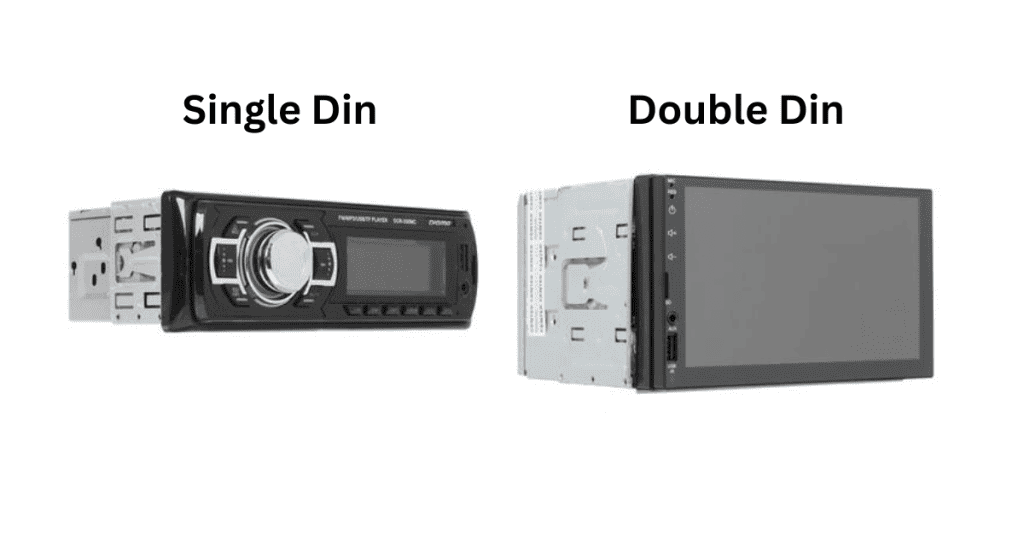
- Single DIN:A standard size, easy to install in most cars.
- Double DIN:Twice the height of single DIN, often with touchscreens.
- Head Units:Basic stereos with radio and CD players.
- Multimedia Receivers:Support video, Bluetooth, and apps.
Check your car’s dashboard space to know which size fits best.
Key Features To Consider
Focus on features that improve your listening and driving experience. Important features include:
- Bluetooth Connectivity:For hands-free calls and music streaming.
- USB Ports:Connect phones or flash drives easily.
- Touchscreen Display:Simplifies control and navigation.
- Audio Quality:Look for good equalizers and sound settings.
- Compatibility:Works well with your car and devices.
Choose features that match your lifestyle and music habits.
Credit: www.carparts.com
Measuring Your Car Space
Measuring your car space is essential before buying a stereo. Every car dashboard has unique dimensions. Knowing the exact size helps avoid buying a stereo that won’t fit. Use a tape measure to get precise width, height, and depth of the stereo slot.
Start by removing the old stereo or checking the dashboard opening. Measure the width from left to right and the height from top to bottom. Don’t forget to measure the depth inside the dashboard cavity. These numbers determine what size stereo fits your car.
Single Din Vs Double Din
Car stereos come in two main sizes: single din and double din. Single din units are smaller, usually about 7 inches wide and 2 inches tall. Double din units are twice as tall, around 7 inches by 4 inches. Knowing your car’s stereo slot size helps choose between these two.
Single din stereos fit smaller spaces and often have simpler controls. Double din stereos offer larger screens and more features. Check your dashboard opening to see which size fits comfortably.
Dashboard Compatibility
Not all dashboards fit standard stereo sizes easily. Some cars have irregular shapes or extra panels. These can affect stereo installation. Look for mounting brackets or trim kits designed for your car model. They help secure the stereo properly.
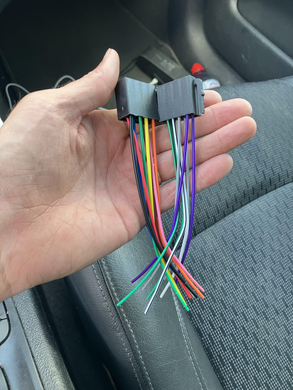
Also, note the wiring connectors in your car. Different cars use different plugs for power and speakers. Ensuring compatibility avoids installation problems. Take clear photos of your dashboard and wiring before buying a stereo. This helps confirm the fit and connection type.
Audio Quality Factors
Choosing the right stereo for your car isn’t just about picking a flashy model with the latest features. The true test lies in the audio quality it delivers. Understanding the key factors that influence sound clarity and richness will help you make a smarter choice that matches your listening preferences.
Speaker Matching
Your stereo system’s performance depends heavily on how well it pairs with your car’s speakers. Using mismatched components can lead to distorted sound or weak bass.
Consider the speaker’s power handling capacity and impedance. If your stereo outputs more power than your speakers can handle, you risk damaging them. On the other hand, a stereo with too little power might produce thin, lifeless audio.
Think about the type of music you enjoy. Are you into heavy bass or crisp vocals? Matching your stereo’s output to the speaker’s frequency range ensures you get the best experience. Have you ever noticed how a good match makes every note feel alive?
Amplifier Options
An amplifier boosts your stereo’s signal and plays a crucial role in sound quality. Some stereos come with built-in amplifiers, while others require an external one.
Built-in amplifiers are convenient for casual listeners, but external amplifiers generally provide cleaner, more powerful sound. If you want to feel the punch of a rock song or the depth of a symphony, investing in a quality external amp can make a big difference.
Pay attention to the amplifier’s power rating and compatibility with your speakers. A good amp won’t just make your music louder; it will improve clarity and reduce distortion. What kind of sound signature do you want to create in your car?
Connectivity Options
Choosing the right stereo for your car means understanding the connectivity options it offers. These options determine how easily you can link your devices and enjoy your favorite music or podcasts on the go. With technology evolving fast, knowing what fits your lifestyle and tech preferences is essential.
Bluetooth And Usb
Bluetooth has become almost a must-have feature in car stereos. It lets you connect your phone wirelessly, so you can stream music or take calls without any cables getting in the way.
Think about how often you’ve struggled with tangled cords or limited movement because of a wired connection. Bluetooth frees you from that hassle and keeps your car interior neat.
USB ports are equally important. They allow you to plug in your devices directly, offering a more stable connection for charging or playing music from a flash drive. Plus, USB often provides better sound quality than Bluetooth.
Ask yourself: do you prefer the convenience of wireless, or do you want the reliability and quality of a wired connection? Your choice will narrow down the stereo models that suit you best.
Smartphone Integration
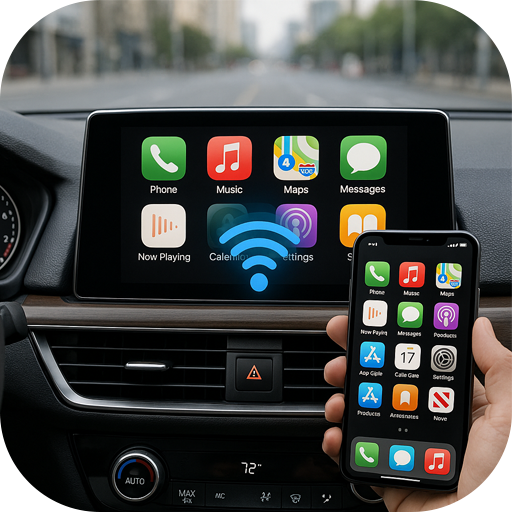
Many modern car stereos support smartphone integration platforms like Apple CarPlay and Android Auto. These systems mirror your phone’s interface on the stereo screen, making it easier to use apps, navigation, and voice commands safely while driving.
Imagine being able to send a message or get directions just by talking to your stereo. That’s the level of convenience smartphone integration offers.
Check if the stereo you’re eyeing supports the integration that matches your phone. It’s frustrating to buy a stereo only to find out it doesn’t work well with your device.
Consider the apps you use most during drives—music streaming, maps, or audiobooks—and verify how well they run on the stereo’s platform. This practical step can make a big difference in daily use.
Power And Installation
Choosing the right stereo for your car isn’t just about sound quality. Power and installation play a huge role in ensuring your new system works perfectly. Understanding these factors helps you avoid compatibility issues and ensures you get the most out of your audio setup.
Wiring Basics
Wiring is the backbone of your car stereo installation. Knowing which wires connect to power, ground, speakers, and antenna is essential. Most car stereos use standardized color codes, but double-checking your vehicle’s manual can save you from costly mistakes.
Consider the power wire—it usually connects directly to the battery or fuse box. This wire needs a proper fuse to protect your system from electrical surges. Grounding is equally important; a poor ground connection can cause static or complete audio failure.
Speaker wires carry the audio signal to your car’s speakers. Mixing up these wires can result in distorted sound or no sound at all. You might want to label each wire during removal to keep track easily.
Professional Vs Diy Installation
Are you confident working with car electronics? Installing a stereo yourself can save money but comes with risks. A professional installer has the tools and experience to handle complex wiring and custom fittings.
DIY installation gives you control and satisfaction. However, improper installation could lead to electrical problems or damage to your vehicle’s interior. I once tried installing a stereo myself and ended up with a blown fuse that took hours to locate.
Hiring a professional might cost more upfront but can prevent headaches. They can also integrate your stereo with existing car systems like steering wheel controls or backup cameras. Think about your comfort level and the stereo’s complexity before deciding.
Credit: www.santaclaritaautosound.com
Budget And Brand Choices
Choosing the right stereo for your car starts with understanding your budget and the brands that fit within it. Your budget sets the limits on features and quality, while the brand often influences reliability and user experience. Balancing these two factors helps ensure you get the best stereo without overspending or sacrificing performance.
Affordable Models
Affordable car stereos have come a long way. You can now find models under $100 that offer Bluetooth, USB ports, and even smartphone integration. These options are perfect if you want basic functionality without extra bells and whistles.
Brands like Pioneer and Kenwood offer entry-level models that don’t cut corners on sound quality. You might miss out on advanced features like touchscreen displays or built-in navigation, but the core audio experience remains solid. Have you considered what features you truly need versus what would be nice to have?
Top Brands Comparison
| Brand | Price Range | Key Features | Best For |
|---|---|---|---|
| Pioneer | $80 – $500 | Bluetooth, Apple CarPlay, Android Auto, Touchscreen | All-round users seeking quality and features |
| Kenwood | $90 – $600 | High-resolution audio, Bluetooth, Wireless Mirroring | Audio enthusiasts who want clarity and connectivity |
| JVC | $70 – $400 | USB, Bluetooth, Easy-to-use interface | Budget-conscious buyers needing reliable basics |
| Alpine | $150 – $700 | Superior sound tuning, Touchscreen, Smartphone apps | Users prioritizing sound customization and premium design |
Looking at this comparison, which brand aligns best with your priorities? Sometimes spending a bit more upfront on a trusted brand saves you headaches later on.
Additional Features
Choosing a stereo that fits your car isn’t just about size and compatibility; the additional features can greatly enhance your driving experience. These extras can make your time on the road more convenient, safe, and enjoyable. Think about what features you really want and how often you’ll use them before making your choice.
Navigation Systems
Having a built-in navigation system can save you from the hassle of using your phone or a separate GPS device. Some stereos come with real-time traffic updates and voice-guided directions, which means you can keep your eyes on the road. If you often find yourself driving in unfamiliar areas, this feature can be a game changer.
Consider whether the system supports offline maps or requires a constant internet connection. A stereo with navigation that updates automatically will keep your routes accurate without you lifting a finger. Ask yourself: do you want a simple map display, or features like lane guidance and points of interest?
Touchscreen Controls
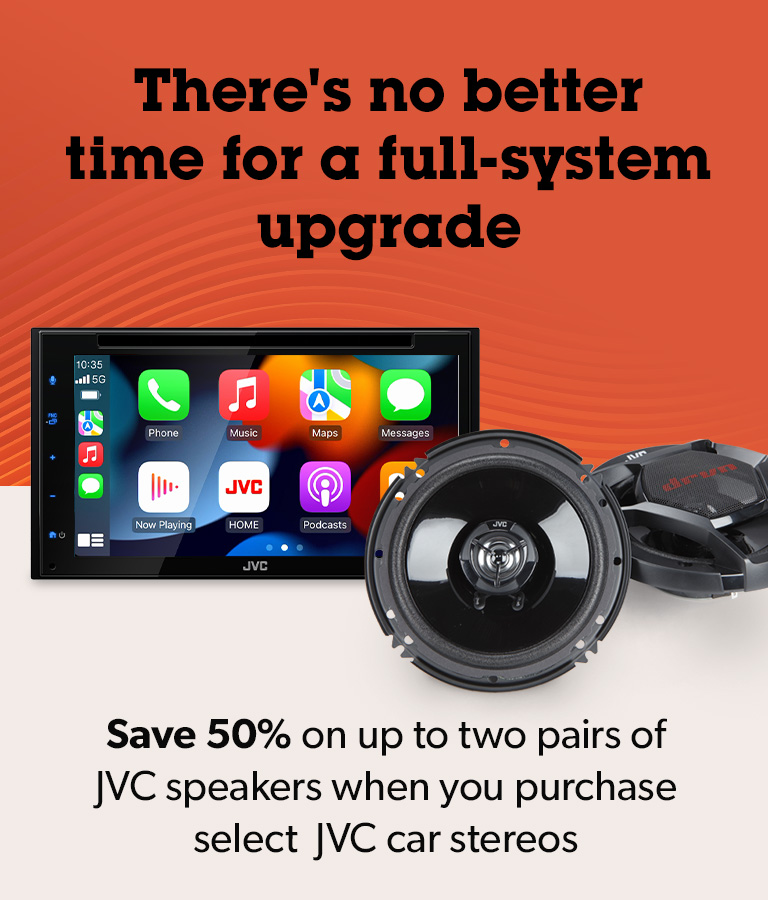
Touchscreen controls make it easy to manage music, calls, and apps without fumbling with buttons. They offer a modern, sleek interface that many drivers find intuitive and user-friendly. But remember, bigger screens don’t always mean better usability—size should fit your dashboard and your comfort level.
Look for features like customizable home screens and responsive touch to avoid frustration while driving. Voice command integration with touchscreens can also enhance safety by reducing distractions. Would you prefer physical buttons alongside the touchscreen for quick access to essential functions?
Credit: www.crutchfield.com
Frequently Asked Questions
How Do I Measure My Car Stereo Space?
Use a ruler or tape to measure your stereo slot’s width, height, and depth. Compare these dimensions with stereo sizes to ensure a proper fit.
What Stereo Size Fits Most Cars?
Single-DIN and double-DIN are standard sizes. Single-DIN is smaller, about 2×7 inches, while double-DIN is roughly 4×7 inches, fitting most vehicles.
Can I Install A Universal Stereo In Any Car?
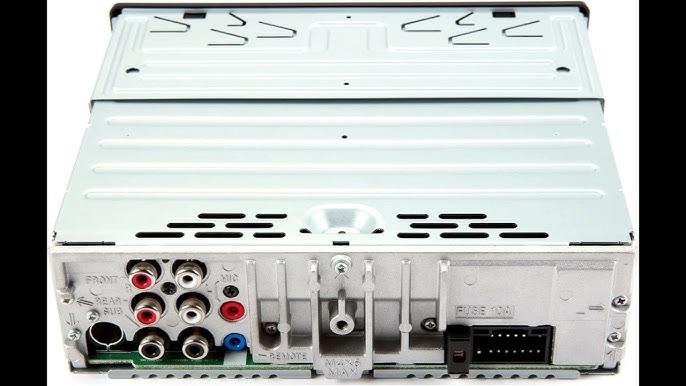
Yes, but you may need additional adapters or wiring harnesses. These help connect the stereo to your car’s electrical system properly.
How To Check Stereo Compatibility With Car Model?
Search your car’s make and model online or consult your owner’s manual for compatible stereo sizes and features before purchasing.
Conclusion
Finding the right stereo is simpler than it seems. Start by knowing your car’s make and model. Check your car’s manual for stereo specifications. Online resources can guide you on compatibility. Visit car audio stores for expert advice. Consider your budget and audio preferences.
Choose a stereo with features you need. Ensure it fits your car’s dash. A good fit enhances your driving experience. Enjoy your music on the go. Happy driving!

Similar Posts