How to Run Car Amplifier at Home: Easy DIY Power Setup Guide
Are you ready to boost your music experience without leaving your home? Running a car amplifier at home might sound tricky, but it’s easier than you think.
Imagine filling your room with powerful sound, just like in your car, using gear you already have. In this guide, you’ll discover simple steps to set up your car amplifier safely and effectively. Keep reading, and you’ll soon enjoy rich, clear sound that transforms your space.
Let’s get started!
Choosing the right power supply is crucial when running a car amplifier at home. Without proper power, your amplifier won’t perform well and could even get damaged. Understanding the options and requirements helps you pick a power source that matches your amp’s needs and ensures smooth, safe operation.
Types Of Power Supplies For Car Amps
You have several options for powering your car amplifier at home. Common choices include:
- Car Battery– Using a standard 12V car battery is simple and effective for short sessions. It provides the right voltage but may require a charger to keep it running longer.
- DC Power Supply– These plug into your wall and convert AC to the DC voltage your amp needs. They come in adjustable models so you can match the exact voltage.
- Computer Power Supply (ATX PSU)– Some hobbyists repurpose PC power supplies as a cost-effective option, especially for lower-power amps.
Which one fits your setup depends on how long you plan to use the amp and your budget.
Voltage And Current Requirements
Car amplifiers typically require 12 volts DC, but you must check your amp’s specific rating. Supplying less voltage means the amp won’t work properly, and too much can fry it.
Current (measured in amps) is just as important. Your power supply must provide enough current to meet the amplifier’s peak demands. If it can’t, the sound will distort or the power supply will shut down.
Look for a power supply that offers a bit more current than your amp’s maximum rating. For example, if your amp needs 20 amps, a 25-30 amp supply will ensure stable performance without overloading.
Safety Features To Look For
Safety shouldn’t be an afterthought. A good power supply includes protections like:
- Overcurrent Protection:Prevents the supply from delivering too much current, which can damage your amp or wiring.
- Short Circuit Protection:Cuts power if a wiring fault causes a short, avoiding fire hazards.
- Overvoltage Protection:Stops voltage spikes that can ruin your amplifier.
- Thermal Shutdown:Turns off the supply if it overheats during extended use.
These features give you peace of mind and protect your investment in your amplifier and home setup.
Credit: www.diymobileaudio.com
Choosing The Right Power Supply
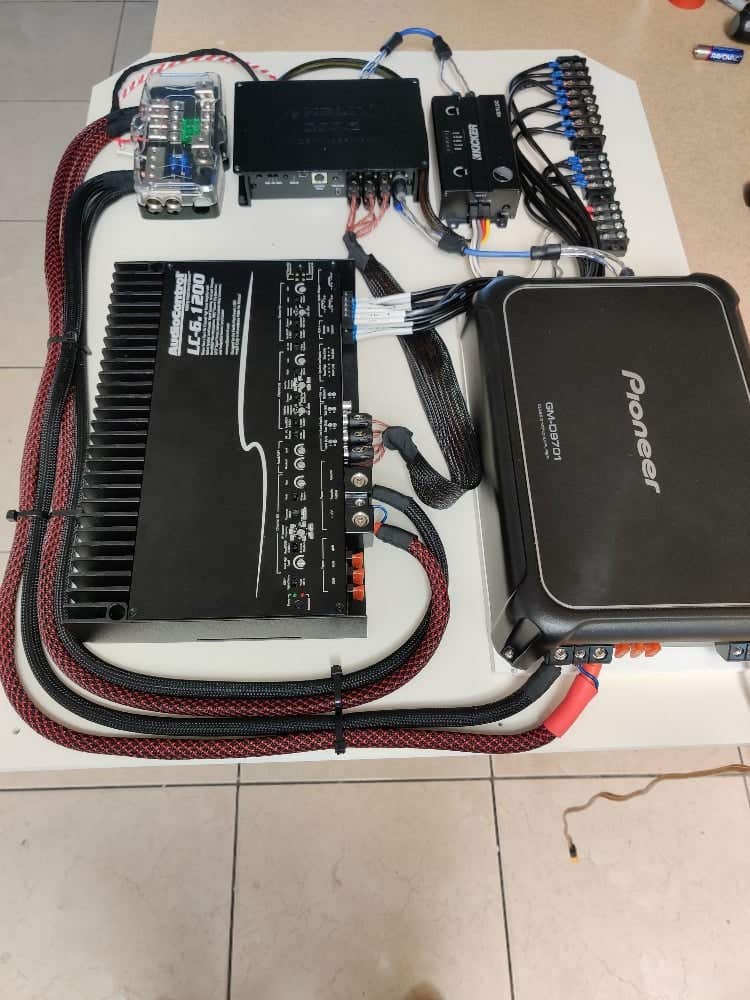
Credit: www.diymobileaudio.com
Gathering Essential Tools And Materials
Setting up a car amplifier at home requires careful preparation. Gathering the right tools and materials helps ensure a smooth and safe process. Having everything ready avoids delays and mistakes during installation.
This section covers the essential tools and components needed. Understanding each item’s role improves your confidence and results.
List Of Required Tools
- Screwdrivers (flathead and Phillips)
- Wire strippers and cutters
- Multimeter for voltage testing
- Crimping tool for connectors
- Electric drill with bits
- Heat gun or lighter for heat shrink tubing
- Socket wrench set
- Electrical tape
Wiring And Connectors
- Power wire (usually 8 or 4 gauge)
- Ground wire of the same gauge as power wire
- Remote turn-on wire
- Speaker wires (14 or 16 gauge)
- Fuse holder with fuse (appropriate amperage)
- Ring terminals and spade connectors
- Butt connectors for secure wire joins
Additional Components For Stability
- Distribution blocks for power management
- Capacitors to stabilize voltage supply
- Velcro straps or cable ties for neat wiring
- Rubber grommets to protect wires from sharp edges
- Mounting brackets or screws for amplifier
- Sound dampening materials to reduce vibrations
Setting Up The Power Source
Setting up the power source is essential to run a car amplifier at home. Car amplifiers need a stable 12V power supply to work correctly. This section explains how to provide the right power safely and efficiently. Choosing the right power source protects your amplifier and ensures good sound quality.
Using A Dc Power Supply
A DC power supply gives a steady 12V output, perfect for car amplifiers. It is a reliable and safe option for home use. Look for a power supply that can deliver enough current, usually 20 to 30 amps, depending on your amplifier’s needs.
Check the voltage and current ratings before buying. A power supply with adjustable voltage helps match the amplifier’s requirements exactly. Using a power supply with built-in safety features prevents damage from short circuits or overloading.
Battery Options For Home Use
Batteries offer a portable power source for car amplifiers. A 12V lead-acid or deep cycle battery can provide enough power. These batteries are easy to find and affordable. They also allow you to use the amplifier without being near an outlet.
Keep the battery fully charged to avoid power drops. Using a battery charger designed for lead-acid batteries helps maintain battery life. Always store batteries in a cool, dry place for safety and efficiency.
Connecting The Power Supply Safely
Safety is key when connecting power to your car amplifier. Use thick, high-quality wires to handle the current without overheating. Secure all connections tightly to avoid loose contacts.
Install a fuse close to the power source. The fuse protects the amplifier and wiring from damage during power surges. Always connect the ground wire properly to reduce electrical noise and prevent shocks.
- Use insulated tools to avoid short circuits.
- Keep wires away from sharp edges and heat.
- Double-check polarity before powering the amplifier.
Credit: audiointensity.com
Wiring The Amplifier
Wiring your car amplifier at home requires careful attention to detail to ensure safety and optimal performance. Getting the connections right can make a huge difference in sound quality and the longevity of your equipment. Let’s focus on the key wiring elements you need to master before powering up your amplifier.
Positive And Negative Connections
Start by identifying the positive (+) and negative (–) terminals on both your amplifier and power source. The positive wire usually connects to the battery or power supply, while the negative wire connects to the amplifier’s ground or chassis.
Use cables with appropriate thickness to handle the current without overheating. For example, a 4-gauge wire is common for most home amplifier setups.
Double-check the polarity before finalizing connections—reversing these can damage your amplifier instantly. Have you ever accidentally swapped wires and wondered why nothing worked? This is often the culprit.
Grounding Techniques
A solid ground connection is essential to prevent noise and ensure stable amplifier operation. Connect the ground wire to a clean, unpainted metal surface close to the amplifier.
If you’re wiring inside your home, find a reliable grounding point such as a grounded metal pipe or a grounding rod. Avoid using rusty or painted surfaces as they reduce conductivity.
Test the ground connection with a multimeter to ensure low resistance. A poor ground can cause buzzing sounds and performance issues that are frustrating to troubleshoot later.
Fusing For Protection
Installing a fuse on the positive wire near the power source protects your amplifier and home wiring from short circuits and overloads. Choose a fuse rated slightly higher than your amplifier’s maximum current draw.
For example, if your amplifier draws 30 amps, use a 35-amp fuse for safe operation. Place the fuse within 18 inches of the battery or power supply to catch any issues before they cause damage.
Never skip this step—fuses act like a safety net that can save your equipment and even prevent fires. Have you checked if your setup includes proper fusing? It’s a small detail with huge consequences.
Testing The Amplifier Setup
Testing the amplifier setup ensures your car amplifier works well at home. It helps find any wiring or sound issues early. Careful testing protects the amplifier and speakers from damage. Follow simple checks to start safely, then adjust settings for the best sound. Troubleshooting fixes common problems fast. This process makes sure your amplifier delivers clear and strong audio.
Initial Power-on Checks
Connect the amplifier to a proper power source. Use a 12V DC power supply with enough current rating. Double-check all wiring connections for security and correct polarity. Turn on the amplifier without input signal first. Listen for any unusual noises or buzzing sounds. Watch for warning lights or overheating. If everything looks normal, power off before moving on.
Adjusting Gain And Settings
Start with the gain control set low. Play music through the amplifier using a test tone or audio track. Slowly increase the gain until sound is clear without distortion. Adjust bass and treble controls to your preference. Balance the volume to avoid clipping or harsh sounds. Fine-tune the crossover settings if available, matching speaker types. Keep settings moderate to protect your speakers.
Troubleshooting Common Issues
- No sound: Check power connections and input cables.
- Distorted sound: Lower gain or check speaker impedance.
- Amplifier shuts off: Confirm power supply current is sufficient.
- Buzzing noise: Inspect ground connections and cable routing.
- Overheating: Ensure proper ventilation and reduce volume.
Test each fix one at a time to find the problem source. Patience and careful checks improve the setup and sound quality.
Optimizing Performance And Safety
Optimizing the performance and safety of a car amplifier used at home is essential. Proper care ensures clear sound and prevents damage to your equipment. Focus on controlling heat, stabilizing power, and preserving your amplifier’s lifespan.
Preventing Overheating
Heat can damage your amplifier quickly. Place the amplifier in a well-ventilated area. Avoid stacking other devices on top. Use cooling fans or heat sinks to lower temperature. Check the temperature regularly during use. Turn off the amplifier if it feels too hot.
Ensuring Stable Voltage Supply
A steady power supply keeps your amplifier running smoothly. Use a reliable power source with the correct voltage rating. Avoid power surges by using surge protectors. Check all wiring connections to prevent voltage drops. Consider using a voltage regulator for consistent power delivery.
Maintaining Equipment Longevity
Regular maintenance extends your amplifier’s life. Clean dust and debris from vents and controls. Inspect cables and connectors for wear or damage. Store the amplifier in a dry place when not in use. Use the amplifier within its recommended limits to avoid strain.
Frequently Asked Questions
How Do I Power A Car Amplifier At Home?
You can power a car amplifier at home using a 12V DC power supply. Ensure it matches the amplifier’s voltage and current requirements. Connect the power supply’s positive and negative terminals to the amplifier’s power input. Use proper wiring and safety precautions to avoid damage or injury.
Can I Use A Car Battery To Run An Amplifier Indoors?
Yes, you can use a fully charged 12V car battery to run an amplifier indoors. Connect the amplifier’s power input to the battery terminals carefully. Make sure to use appropriate cables and fuse protection to prevent short circuits and overheating.
What Is The Ideal Power Supply For Home Amplifier Use?
The ideal power supply for running a car amplifier at home is a regulated 12V DC supply with sufficient current capacity. It should provide clean, stable power to avoid noise or distortion. Choose one rated for at least the amplifier’s maximum current draw.
How To Connect Speakers With A Car Amplifier At Home?
To connect speakers, match the speaker impedance with the amplifier’s output rating. Use quality speaker wires and connect positive and negative terminals correctly. Ensure the amplifier is off during connection to prevent damage and secure all connections tightly.
Conclusion
Running a car amplifier at home is simple with proper guidance. Start by ensuring your power source matches the amplifier’s needs. Use the right cables for a safe connection. Set up your speakers carefully for best sound quality. Always prioritize safety to avoid damage or accidents.
These steps make it easy to enjoy powerful sound at home. Experiment and adjust settings to find your perfect audio experience. Keep learning and practicing. Soon, you’ll have a great setup to enjoy your music fully. Enjoy the vibrant sound!