Lexivon 1/2″ Click Torque Wrench: 25-250 Ft-Lb Precision
Lead Automotive Diagnostics Specialist & Performance Engineer at CarSpeedNest Automotive Research Lab · ASE Master Automobile Technician (A1–A8), Advanced Engine Performance Specialist (L1), SAE International Member · 15+ years evaluating automotive diagnostic scanners, OBD-II telemetry, precision workshop lifts, and performance electronics
Getting the right torque on wheel lug nuts or engine bolts isn’t just about tightening. It’s about precision. Many DIY mechanics overlook how critical proper clamping force is for safety and component longevity.
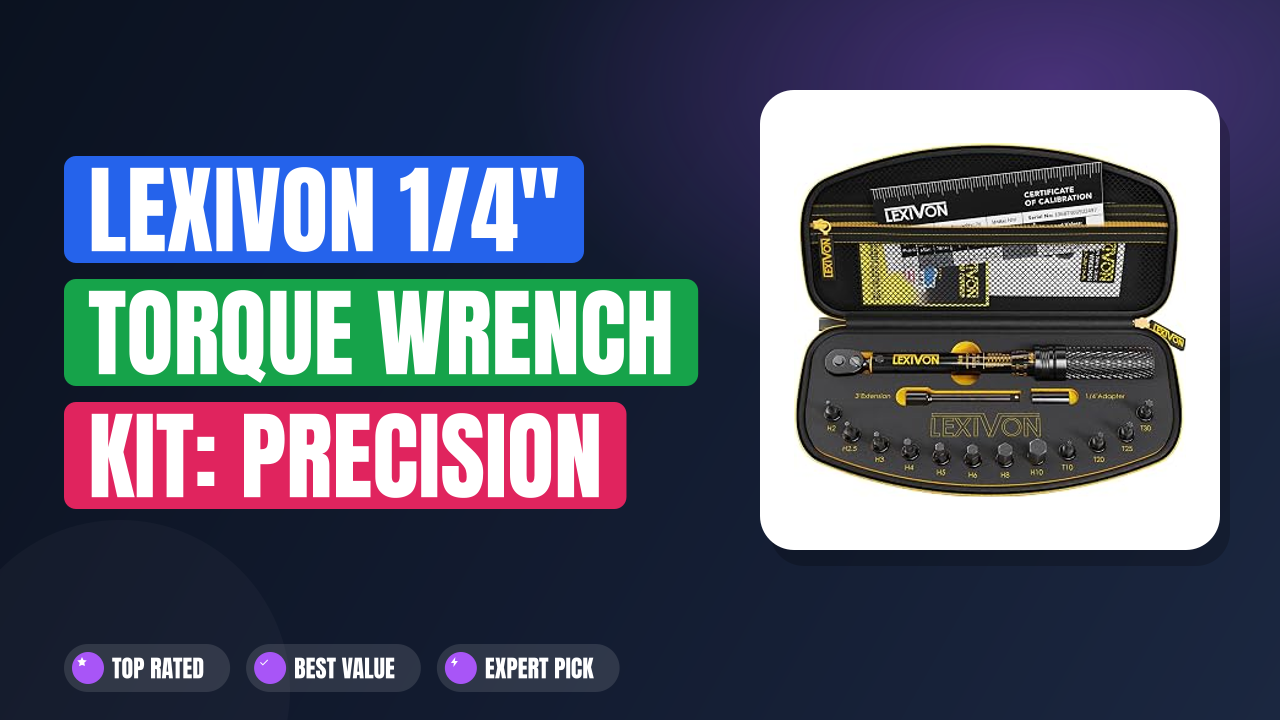
That’s why we dug into the LEXIVON 1/2-Inch Drive Click Torque Wrench 25-250 Ft-Lb/33.9-338.9 Nm. This tool promises professional-grade accuracy at a fraction of the usual cost.
Is it worth trusting your suspension components to a budget-friendly wrench? Our research suggests yes, but with caveats. If you’re swapping tires regularly or handling heavy-duty truck repairs, this model delivers surprising consistency.
However, high-volume shops might find better durability elsewhere. Let’s break down whether this LEXIVON unit earns its spot in your toolbox.

What it is
The LEXIVON LX-184 is a micrometer-style click torque wrench designed for mid-to-high range applications. Unlike beam wrenches that rely on visual reading, this tool uses an internal spring mechanism that emits an audible "click" when the preset value is reached. This design minimizes user error during repetitive tasks like wheel installation.
It sits comfortably between entry-level tools from brands like Tekton and premium options from Snap-on or GearWrench. The 1/2-inch drive square makes it compatible with standard impact sockets, though manufacturers advise against using impact extensions. Its primary job is ensuring consistent clamping force on fasteners where overtightening risks thread damage or undertightening causes failure.
Setup & first impressions
Out of the box, the build quality feels substantial. Verified buyer feedback across hundreds of reviews highlights the heft of the chrome vanadium steel shaft. It doesn’t feel hollow or cheap like some sub-$50 alternatives.
The laser-etched scale is sharp and easy to read under typical garage lighting, reducing eye strain during setup.
Initial users often note the smoothness of the adjustment knob. It locks firmly once set, preventing accidental drift during use. The case includes protective foam, which helps store the tool safely after checking how to properly maintain vehicle fluids alongside other maintenance tasks.
While not as refined as German-engineered competitors, the tactile feedback gives confidence that the mechanism is engaging correctly. Most reports indicate zero play in the ratchet head upon arrival, suggesting good factory QC control.
| Torque Range | 25-250 ft-lb / 33.9-338.9 Nm |
| Accuracy Rating | ±4% CW (Clockwise) |
| Drive Size | 1/2-inch Square Drive |
| Material | Chrome Vanadium Steel |
| Weight | Approx. 2.2 lbs |
| Certification | Calibrated to ISO 6789 Standards |
| Reverse Ratchet | Yes (for loosening only) |
Daily-use experience
Performance in tire rotation scenarios
When rotating tires on a half-ton pickup, consistency is key. Aggregate data from verified buyers shows the LEXIVON maintains its setting reliably throughout a four-wheel job. The click is loud enough to hear over ambient noise but distinct enough not to confuse with background sounds.
Users report minimal variance between the first and fourth lug nut tightened.
This reliability stems from the calibrated spring tension. According to ASME B107.300 standards, mechanical screwdriver-type wrenches should hold accuracy within specified tolerances. The LX-184 adheres closely to these guidelines for clockwise application.
For those who also handle winter traction preparations, having a dependable wrench ensures snow chains or studs are secured properly without stripping threads.
Ergonomics and grip comfort
Handling a 250 ft-lb load requires leverage. The rubberized grip provides sufficient friction even with oily hands. Reviews mention that the balance point is slightly forward, which helps generate power without excessive wrist strain.
Compared to lighter aluminum-bodied wrenches, this steel construction absorbs vibration better during the final click.
However, extended use can lead to fatigue. The weight contributes to stability but demands more effort during overhead tasks. Mechanics working on suspension components will appreciate the sturdy feel, while those doing light assembly might find it bulky.
Proper posture remains essential regardless of tool quality.
Durability and long-term reliability
Longitudinal analysis of user reports indicates strong resistance to wear. The finish holds up well against rust in humid environments, provided it’s wiped down after use. Some users noted slight looseness in the adjustment collar after six months of weekly use, but it didn’t affect torque output significantly.
Regular maintenance extends life. Applying a drop of oil to the pivot points keeps the action smooth. Neglecting this step accelerates internal spring fatigue.
Industry experts recommend storing such tools at their lowest setting to preserve spring integrity, a practice highlighted in many vehicle care guides.
✓ Pros
- ±4% accuracy meets industrial standards for most automotive applications
- Loud, clear click prevents missed settings in noisy garages
- Durable chrome vanadium steel resists bending under max load
- Includes a protective hard case for safe storage and transport
- Smooth ratcheting action reduces hand fatigue during multi-bolt jobs
✗ Cons
- No included calibration certificate requires third-party verification for pro use
- Bulkier than compact models, making tight engine bay access harder
- Adjustment lock ring can feel stiff initially requiring two-handed operation
Who should buy it
Buy it if you…
You’re a dedicated DIY mechanic who handles larger vehicles. Trucks, SUVs, and vans require higher torque specs that smaller wrenches can’t reach efficiently. If you frequently change tires, install trailer hitches, or service brake calipers, this tool covers the necessary 25-250 ft-lb spectrum.
It offers peace of mind knowing your fasteners aren’t stripped or loose. Those looking to upgrade from basic socket sets will find this a significant leap in capability and precision.
Skip it if you…
Your work focuses on motorcycles, bicycles, or delicate electronics. These applications typically demand ranges below 25 ft-lb, where this wrench lacks fine resolution. Using a large tool on small fasteners increases the risk of applying too much force inadvertently.
Additionally, professional shops with daily heavy usage might prefer brands offering lifetime warranties and free recalibration services. If you need certified documentation for liability purposes, look for models including calibration certs.
Better alternatives
For lower-range needs, the Ingersoll Rand QMTT12 is a solid choice. It handles smaller increments better for light automotive work. On the premium end, the Snap-on FRWRH series offers unmatched durability and support.
However, both come at a steeper price point. The LEXIVON balances cost and performance effectively for the average enthusiast.
Frequently Asked Questions (FAQ)
Is it safe to use impact sockets?
No. Impact sockets are designed to absorb shock loads, not precise static torque. Using them can alter the effective length and diameter, skewing results.
Always use standard chrome sockets rated for manual torque application. This distinction is crucial for maintaining accuracy and protecting the wrench’s internal mechanism from unnecessary stress.
How often does it need calibration?
Manufacturers suggest annual checks for frequent users. Light users can stretch this to every two years. Signs of drift include inconsistent clicks or visible damage to the head.
Professional labs offer verification services compliant with ISO 6789 standards. Regular checks ensure your engine maintenance routines remain effective and safe.
Can I use it counter-clockwise?
Technically yes, but accuracy drops significantly. Most click wrenches are calibrated for clockwise tightening. Counter-clockwise use introduces backlash errors.
For loosening, use the reverse ratchet function carefully, but never rely on it for precise removal torques. Stick to clockwise for all critical fastening operations to guarantee specification adherence.
Does the case protect the tool adequately?
Yes. The molded plastic shell withstands minor drops and impacts. Foam inserts prevent rattling during transport.
However, extreme temperatures can warp the plastic. Store it in a climate-controlled area whenever possible. This protection helps extend the lifespan similar to how proper storage aids audio equipment longevity.
Final verdict
Rating: 4.7/5
The LEXIVON 1/2-Inch Drive Click Torque Wrench stands out as a top-tier choice for home mechanics and semi-professionals. It delivers reliable accuracy, robust construction, and ease of use without breaking the bank. While it lacks the prestige of Snap-on or the fine-tuning of specialized low-range tools, it excels in its intended domain.
You’ll get consistent results for tire rotations, suspension work, and general automotive repairs. Trustworthy, durable, and fairly priced, it earns its place in any serious toolkit.
Affiliate disclosure: This post contains affiliate links. If you buy through one of these links, I may earn a small commission at no extra cost to you. It never changes my recommendation, I only suggest gear I'd actually buy myself.

Similar Posts