

Where is the Ground Wire in a Car Stereo: Easy Guide to Find It Fast
Have you ever wondered why your car stereo sometimes crackles, or worse, doesn’t turn on at all? The answer often lies in something simple but crucial—the ground wire.
If you’re struggling with audio issues or planning to install a new stereo, knowing exactly where the ground wire is and how it works can save you time and frustration. You’ll discover where to find the ground wire in your car stereo system and why it’s essential for clear sound and safe operation.
Keep reading, because mastering this small detail can make a big difference in your driving experience.

Credit: www.reddit.com
Role Of The Ground Wire
The ground wire in a car stereo connects the system to the vehicle’s metal frame. It helps prevent electrical noise and ensures safe operation. Usually, it attaches to a clean, unpainted metal surface near the stereo.
The ground wire in a car stereo acts as the system’s electrical anchor. It completes the circuit by connecting the stereo to the car’s metal chassis. This connection allows electricity to flow safely and efficiently. Without a proper ground, the stereo cannot function correctly. The ground wire also helps reduce electrical noise and interference. It keeps the audio clear and prevents damage to the stereo’s components. Understanding the ground wire’s role is key to installing and troubleshooting car audio systems.
Why Grounding Matters
Grounding ensures the stereo receives stable electrical current. It protects the system from voltage spikes and electrical surges. The metal chassis of the car acts as a common return path for electricity. This setup prevents electrical shocks and fire hazards. Proper grounding improves sound quality by reducing unwanted noise. It also helps the stereo operate at its best performance. Without grounding, electrical signals can become weak or distorted. Grounding is a simple but crucial step in any car stereo setup.
Effects Of Poor Grounding
Poor grounding causes many problems in a car stereo system. The sound may become fuzzy, crackling, or weak. Electrical interference can create buzzing or humming noises. These sounds reduce listening enjoyment and can damage speakers. The stereo may turn off or reset unexpectedly. In some cases, poor grounding can cause the stereo to fail completely. It can also drain the car’s battery faster. Fixing grounding issues often solves these problems and protects your audio investment.
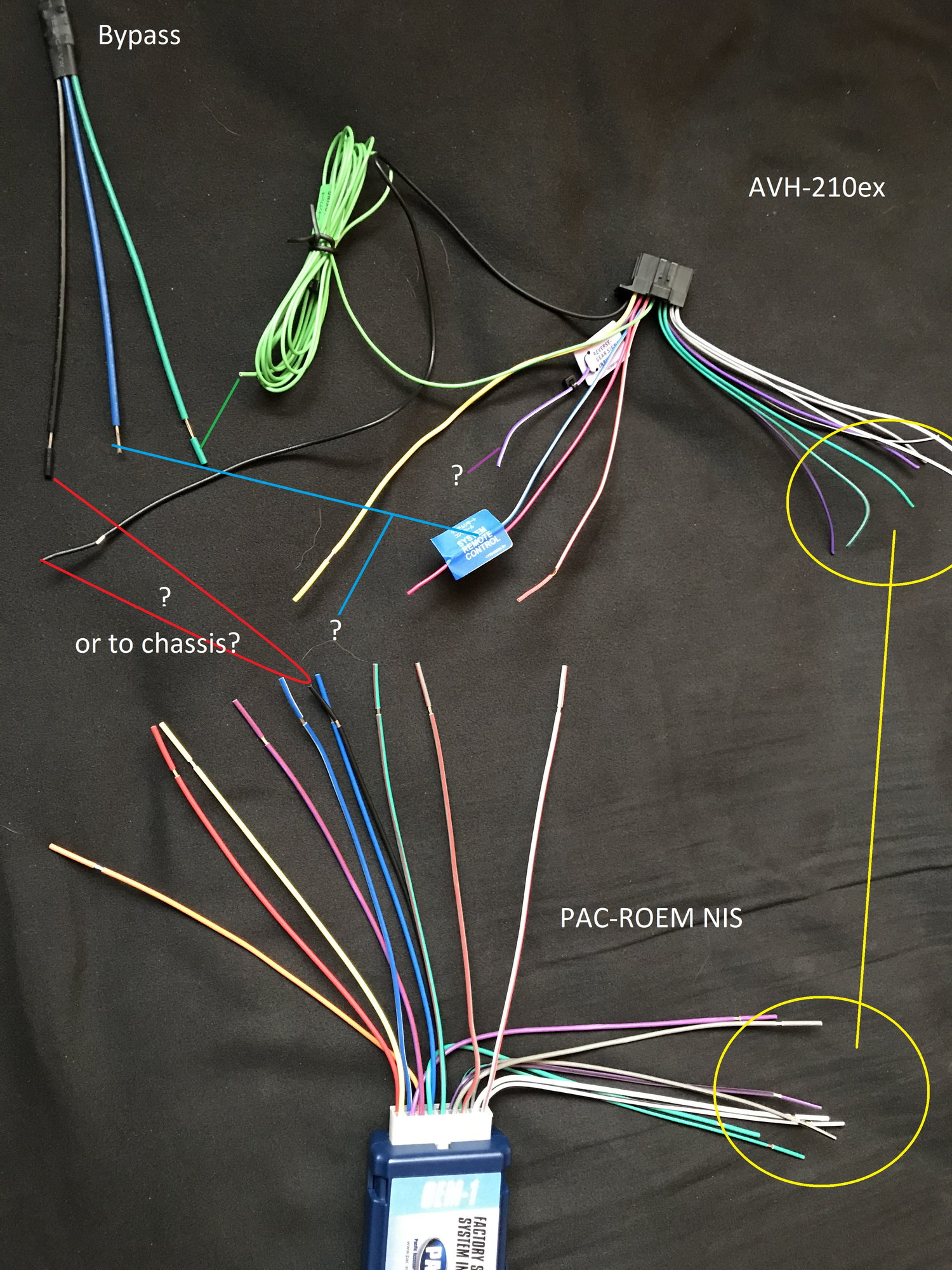
Credit: my350z.com
Common Ground Wire Locations
The ground wire in a car stereo is crucial for proper electrical function. It prevents noise and electrical faults. Knowing common ground wire locations helps in troubleshooting and installation. The ground wire usually connects to the car’s metal parts or the stereo unit itself. Below are typical spots where you can find the ground wire.
Behind The Stereo Unit
The ground wire often sits behind the stereo unit. It connects to the stereo’s metal frame or a grounding terminal. This spot keeps the wire close to the stereo. It helps reduce interference and signal noise. Check the back of the stereo for a black or bare wire.
Near The Car Battery
Another common location is near the car battery. The battery’s negative terminal often has a ground wire attached. This wire links the stereo system to the car’s main electrical ground. It ensures a stable connection and prevents power surges. Look for thick black wires connected to the battery’s metal parts.
Chassis Connection Points
The car’s chassis is a key grounding area. The ground wire may connect to bolts or screws on the metal frame. These points provide a direct path to the car’s body ground. Grounding here stabilizes the stereo’s electrical flow. Inspect metal surfaces around the dashboard or under the hood for grounded wires.
Tools Needed To Locate The Ground Wire
Finding the ground wire in a car stereo requires the right tools. These tools help you identify and test the wire safely and quickly. Using the proper equipment reduces mistakes and protects your car’s electrical system.
Some tools help measure electrical signals. Others assist in visually checking wires for damage or labels. Both types are important for accurate results.
Multimeter Use
A multimeter is essential for testing electrical connections. It measures voltage, resistance, and continuity. This tool helps confirm if a wire is grounded.
- Set the multimeter to continuity mode.
- Touch one probe to the wire and the other to a known ground point.
- A beep or low resistance shows a good ground connection.
- Test multiple wires to find the correct ground wire.
Visual Inspection Tools
Tools like flashlights and wire strippers aid in visual checks. A bright light reveals wire colors and labels. Wire strippers allow safe removal of insulation for testing.
- Use a flashlight to see wires clearly in dark spaces.
- Check for black or brown wires, common ground colors.
- Look for wires attached to metal parts of the car.
- Strip small wire sections carefully to test with a multimeter.
Step-by-step To Find The Ground Wire
Finding the ground wire in a car stereo is important for a good connection. This wire completes the electrical circuit and helps prevent noise. Follow clear steps to locate it safely and quickly.
Removing The Stereo
Start by turning off the car and disconnecting the battery. Use a panel removal tool to gently pry off the stereo trim. Unscrew the mounting bolts holding the stereo in place. Carefully slide the stereo out to access the wiring behind it. Avoid pulling on wires to prevent damage.
Tracing The Wire Color
Look for wires bundled together behind the stereo. Ground wires are often black or brown, but this can vary. Check the car’s manual for wire color codes. Follow the wire from the stereo harness to the chassis or metal frame. This helps confirm the ground wire location.
Testing Continuity
Use a multimeter set to continuity mode. Touch one probe to the wire and the other to a metal part of the car. A beep or low resistance reading shows a good ground connection. Test several wires if unsure. Mark the correct wire to avoid confusion later.
Tips For Securing A Good Ground
Securing a good ground is vital for your car stereo’s performance. A strong ground connection stops electrical noise and power issues. It ensures clear sound and reliable operation. Follow simple tips to get a solid ground wire connection.
Cleaning Contact Points
Clean the metal where the ground wire connects. Remove paint, rust, and dirt. Use sandpaper or a wire brush for best results. A clean surface helps electricity flow smoothly. This reduces interference and improves sound quality.
Using Proper Connectors
Choose connectors that fit tightly on wires and metal parts. Crimp connectors or ring terminals work well. They prevent wires from loosening over time. Secure connections keep the ground stable and reduce electrical problems.
Avoiding Common Mistakes
- Don’t ground to painted or rusty areas.
- Avoid using thin or weak wires for grounding.
- Never share ground wires with other electrical parts.
- Do not connect ground wire far from the stereo’s metal frame.
Following these tips helps maintain a strong, clean ground. Your car stereo will sound better and work without interruptions.

Credit: www.youtube.com
Troubleshooting Grounding Issues
Grounding issues in car stereos cause many common problems. These problems can affect sound quality and system performance. Troubleshooting these issues helps restore clear audio and prevents damage.
Identifying the root cause of grounding faults involves checking the wiring and connections. Simple fixes often solve the problem quickly. Understanding how to spot and fix grounding issues saves time and frustration.
Identifying Ground Loop Noise
Ground loop noise sounds like a constant humming or buzzing. It often happens when two or more components share different ground points. This creates an unwanted electrical path and interference.
Signs of ground loop noise include:
- Low-frequency hum from speakers
- Noise changes when engine speed changes
- Interference increases when touching metal parts
To identify the noise source, try disconnecting components one at a time. Check if the noise stops after removing a specific device. This helps find where the ground loop starts.
Fixing Loose Connections
Loose ground wires cause poor contact and intermittent sound issues. Ensure all ground wires are tightly connected to clean metal surfaces. Rust, paint, or dirt can block proper grounding.
Steps to fix loose connections:
- Locate the ground wire on the stereo system
- Remove any paint or rust from the grounding spot
- Secure the wire with a solid screw or bolt
- Check for firm attachment and no movement
Regularly inspect ground connections during maintenance. Tight and clean connections keep the system stable and noise-free.
Frequently Asked Questions
What Is A Ground Wire In Car Stereo?
A ground wire connects the car stereo to the vehicle’s metal chassis. It ensures electrical stability and reduces interference. Proper grounding is crucial for optimal stereo performance and to prevent potential electrical issues. Always check your car’s manual for the exact location of the ground wire connection.
How Can I Locate The Ground Wire?
To locate the ground wire, check behind the stereo unit. It’s usually a black wire connected to the metal chassis. Refer to your car’s wiring diagram for precise identification. Ensuring the ground wire is properly connected can prevent audio issues and electrical problems.
Why Is The Ground Wire Important?
The ground wire provides a stable electrical return path for the stereo. It prevents interference and enhances audio quality. Without proper grounding, you may experience static or noise in the audio. Ensuring a secure ground connection is vital for the stereo’s functionality.
What Happens If Ground Wire Is Disconnected?
If the ground wire is disconnected, the stereo may not function properly. You might experience audio distortions or complete stereo failure. A disconnected ground can also lead to electrical issues. Always ensure the ground wire is securely connected for optimal stereo performance.
Conclusion
Finding the ground wire in a car stereo is simple and important. It connects your stereo to the car’s metal body. This connection helps your stereo work safely and without noise. Always check the wire color and location before you start.
A good ground wire keeps your sound clear and your stereo safe. Remember to secure the wire tightly to avoid loose connections. Now, you know where to find the ground wire and why it matters. This small step can make a big difference in your car audio experience.