What Causes a Car Amplifier to Overheat: Top Reasons Explained
Have you ever noticed your car amplifier getting unusually hot? If so, you’re not alone—and it’s something you should pay attention to.
When your amplifier overheats, it can lead to poor sound quality, damage to your equipment, or even complete failure. But what exactly causes this heat buildup? Understanding the reasons behind your car amplifier overheating can help you protect your investment and enjoy clear, powerful sound without worry.
Keep reading to discover the common causes and how you can fix them before it’s too late.
Common Signs Of Overheating
Car amplifiers can overheat due to various reasons. Recognizing the common signs helps protect your audio system. Early detection can prevent serious damage and costly repairs.
Reduced Sound Quality
Overheating causes the amplifier to produce distorted sound. You may hear crackling or buzzing noises. The volume might drop unexpectedly. These changes indicate the amplifier is struggling.
Amplifier Shuts Down
Many amplifiers have a safety feature that turns them off. This prevents damage from excessive heat. Sudden shutdowns during use often mean overheating. The amplifier cools down before turning on again.
Burning Smell
A burning odor near the amplifier signals trouble. This smell comes from overheated components inside. Ignoring it can lead to permanent damage. Always check and cool the amplifier immediately.
Poor Ventilation
Poor ventilation is a common culprit behind car amplifier overheating. Without enough airflow, heat builds up quickly and damages your amp’s internal components. Understanding how ventilation issues affect your amplifier helps you spot and fix problems before they become costly.
Blocked Airflow
Airflow is essential to keep your amplifier cool. If vents or fans are blocked by dust, cables, or other components, heat can’t escape properly.
Imagine your amplifier trapped in a small, closed box with no fresh air coming in. The temperature rises fast, causing the amp to overheat and shut down.
Check for obstacles around your amp’s vents regularly. Even a thin layer of dust can reduce airflow significantly.
Tight Installation Spaces
Tight spaces around your amplifier restrict ventilation and trap heat. If your amp is squeezed into a crowded area, it won’t get the air it needs to stay cool.
Think about your own experience in a cramped room without windows—it gets uncomfortable quickly. The same principle applies to your amplifier.
Try to leave at least a few inches of clearance around the amp. This simple adjustment can improve airflow and prevent overheating.
Impedance Mismatch
Impedance mismatch is a common culprit behind a car amplifier overheating. It happens when the amplifier and speakers don’t have compatible resistance levels. This mismatch causes the amplifier to work harder than it should, generating excess heat and risking damage.
Speaker Resistance Issues
Each speaker has a specific resistance, measured in ohms. When your speaker’s resistance is lower than what the amplifier expects, the amplifier pushes more current to compensate.
This extra current flow makes the amplifier strain, producing more heat. Have you ever noticed your amp feeling unusually hot after installing new speakers? This is often why.
On the other hand, too high resistance can reduce sound quality but usually doesn’t cause overheating. Matching your speakers’ resistance to your amplifier’s specifications is key.
Impact On Amplifier Load
The amplifier’s load depends on the total impedance of the speakers connected. If you wire multiple speakers incorrectly, the total load can drop below the amplifier’s safe range.
This causes the amplifier to deliver more power than it can handle safely. The result? Overheating and potential failure.
Think about it like this: if your amplifier is designed for a 4-ohm load but you connect speakers that total 2 ohms, the amp is forced to work twice as hard.
To avoid this, check your speaker wiring carefully. Use a multimeter to measure combined impedance or consult your amplifier’s manual for the right speaker setup.
Overpowering The Amplifier
Overpowering your car amplifier is one of the leading causes of it overheating. When you push the amplifier beyond its designed limits, it struggles to handle the extra load, which generates excessive heat. Understanding how overpowering happens helps you protect your equipment and enjoy clear, distortion-free sound.
Excessive Volume Levels
Cranking your volume up too high forces the amplifier to work harder than it should. This intense workload causes the internal components to heat up quickly. Have you ever noticed your amp getting hot after a long drive with loud music? That’s your amplifier signaling it’s under stress.
Playing music at extreme volumes continuously not only risks overheating but can also damage your speakers. Keeping your volume at a reasonable level reduces the strain and extends your amp’s lifespan. Try to find a balance where the sound is powerful yet your amplifier stays cool.
Using Incorrect Power Supply
Using a power supply that doesn’t match your amplifier’s requirements can cause serious overheating problems. If the voltage is too high or the current too low, the amplifier’s circuits may overwork to compensate. I once saw a friend’s amp get so hot that it shut down mid-drive because of a mismatched power source.
Always check the amplifier’s power rating before connecting it to a supply. Using the right power source ensures stable performance and prevents unnecessary heat buildup. If you’re unsure, consult the manual or a professional to avoid costly damage.
Faulty Wiring And Connections
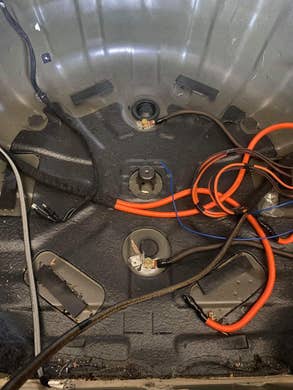
Faulty wiring and connections often cause a car amplifier to overheat. Poor electrical contact or damaged wires increase resistance, making the amplifier work harder. This extra work generates more heat, which can damage the amplifier and reduce sound quality.
Loose Or Damaged Wires
Loose wires create unstable electrical flow, causing the amplifier to draw more current. This overcurrent can make the amplifier heat up quickly. Damaged wires, such as those with frayed insulation or broken strands, also increase resistance. Both issues lead to inefficient power delivery and overheating.
Short Circuits
Short circuits happen when wires touch each other or metal parts unintentionally. This creates a direct path for electricity, bypassing normal circuits. The amplifier receives too much current, causing it to overheat rapidly. Short circuits can also blow fuses and damage other car electronics.
Credit: dondodicarcustoms.com
Internal Component Failure
Internal component failure is a common reason why your car amplifier might overheat. When parts inside the amplifier start to break down, they can cause excessive heat buildup. Understanding which components fail and why can help you spot problems early and protect your sound system.
Damaged Transistors
Transistors are crucial for amplifying the audio signal, but they generate heat as they work. If a transistor becomes damaged, it can draw more current than usual, leading to overheating. Have you ever noticed your amplifier getting unusually hot after a long drive? That could be a sign of failing transistors.
Damaged transistors often result from electrical surges or prolonged high volume use. Replacing these parts promptly can prevent further damage to your amplifier and keep your music playing smoothly.
Worn Out Capacitors
Capacitors store and release electrical energy to help smooth out voltage spikes. Over time, capacitors can wear out and lose their ability to regulate power effectively. This causes the amplifier to work harder, which increases heat production.
Signs of worn capacitors include distorted sound or intermittent power loss. If you’ve experienced sudden drops in sound quality, it’s worth checking your capacitors. Fixing these can reduce overheating and improve your amplifier’s lifespan.
Environmental Factors
Environmental factors play a significant role in how your car amplifier performs. These external conditions can push your amplifier beyond its limits, causing it to overheat unexpectedly. Understanding these factors helps you protect your audio system and maintain optimal sound quality.
High Ambient Temperatures
High ambient temperatures increase the risk of your amplifier overheating. When the surrounding air is hot, the amplifier struggles to release heat effectively. This can lead to internal components getting excessively warm and shutting down or failing.
Think about a summer road trip when the inside of your car feels like an oven. If your amplifier is installed in an area with poor airflow, such as under a seat or in a cramped trunk, the heat builds up quickly. You can reduce this risk by ensuring proper ventilation and avoiding placing the amplifier near heat sources.
Exposure To Direct Sunlight
Direct sunlight can raise the temperature of your amplifier dramatically. Even if your car’s air conditioning is on, sunlight streaming through windows can bake your amplifier, especially if it’s mounted in exposed areas.
Have you ever noticed your car’s dashboard getting scorching hot under the sun? Amplifiers face the same issue. Shielding your amplifier with covers or positioning it away from sunlit spots can help it stay cool and perform reliably.

Credit: www.reddit.com
Preventing Overheating
Preventing your car amplifier from overheating is crucial for keeping your sound system running smoothly and avoiding costly repairs. Overheating can silently damage your equipment, reducing its lifespan and performance. Understanding how to stop this heat buildup is simpler than you might think, and a few careful steps can make all the difference.
Proper Installation Tips
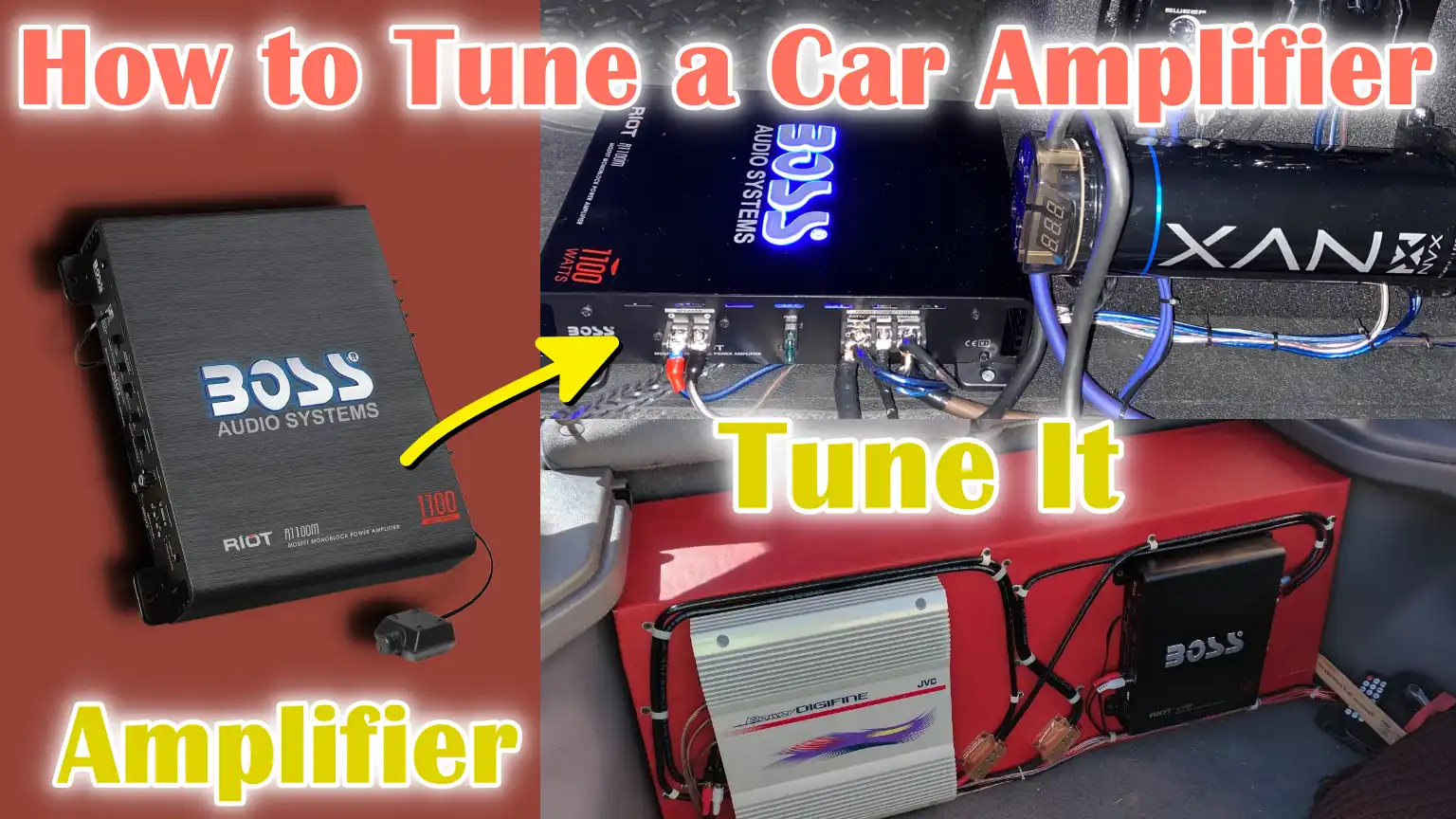
How you install your amplifier has a huge impact on its temperature. Make sure it’s mounted in a well-ventilated area where air can flow freely around it. Avoid cramped spaces or placing it near heat sources like the engine or exhaust.
Use a sturdy mounting surface to prevent vibrations that could loosen connections and cause electrical resistance, which generates extra heat. Also, check that your wiring matches the amplifier’s power requirements. Thin or long wires can cause voltage drops, forcing the amp to work harder and get hotter.
- Choose a location with good airflow, such as under a seat with space around it.
- Secure the amplifier firmly to reduce vibrations.
- Use the correct gauge wiring recommended by your amplifier’s manual.
- Keep speaker wires away from power cables to avoid interference and heat buildup.
Regular Maintenance
Do you regularly check your amplifier? Dust, dirt, and debris can clog cooling vents and traps heat inside. Clean your amp with a soft brush or compressed air every few months to keep it cool.
Inspect all wiring for signs of wear or corrosion, which can increase resistance and heat. Tighten any loose connections to maintain good electrical contact. Also, test your amplifier’s temperature during use. If it feels excessively hot, it might be a sign to reduce volume or add extra cooling solutions.
- Clean vents and fans regularly to prevent dust buildup.
- Check wiring and connectors for damage or corrosion.
- Monitor amplifier temperature during use and adjust settings if needed.
- Consider adding a cooling fan or heat sink if overheating persists.

Credit: dondodicarcustoms.com
Frequently Asked Questions
Why Does My Car Amplifier Keep Overheating?
A car amplifier overheats due to poor ventilation, high volume levels, or incorrect wiring. Overloading the amp causes excessive heat. Ensure proper cooling and correct installation to prevent overheating.
Can Bad Wiring Cause Amplifier Overheating?
Yes, bad wiring can cause amplifier overheating. Loose or incorrect connections increase resistance and heat. Use proper gauge wires and secure connections to avoid overheating.
How Does Speaker Impedance Affect Amplifier Heat?
Low speaker impedance forces the amplifier to work harder, generating more heat. Matching speaker impedance with amplifier specifications prevents overheating and damage.
Does Playing Music Too Loud Cause Overheating?
Playing music at very high volumes strains the amplifier, producing excessive heat. Moderating volume levels helps keep the amp cool and extends its lifespan.
Conclusion
Understanding why car amplifiers overheat helps prevent issues. Check connections regularly. Ensure proper ventilation. Avoid overloading the amplifier. Consider the environment’s temperature. Use quality components and wiring. Regular maintenance keeps the system healthy. These steps reduce the risk of overheating.
Protect your investment. Enjoy clear, uninterrupted sound on the road. Stay informed and proactive. Your car’s audio system will thank you. Happy driving!