
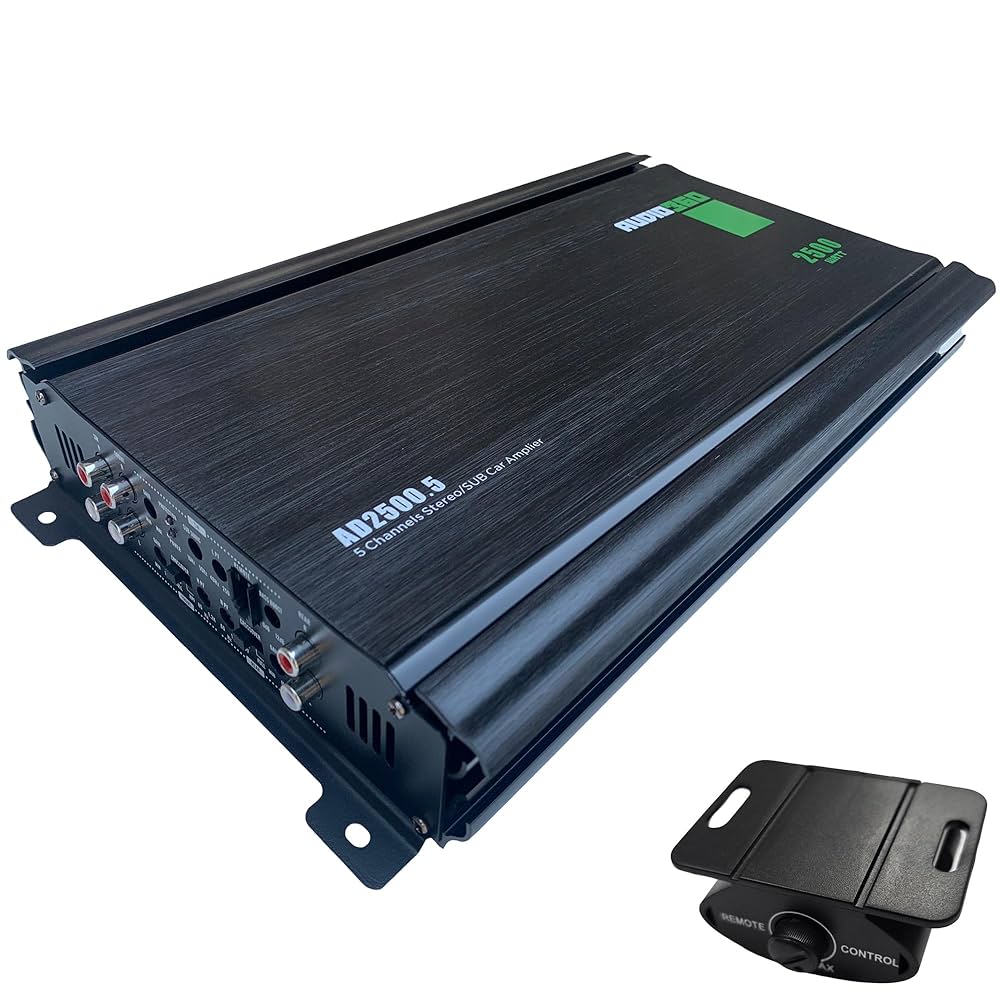
Have you ever felt your car’s music could be louder, clearer, and more powerful? That’s where an amplifier for a car comes in.
It’s the secret tool that boosts your sound system, turning ordinary music into an immersive experience. If you want to know how this small device can transform your driving soundtrack, keep reading. By the end, you’ll understand exactly what an amplifier does and why it might be the upgrade your car audio needs.

Credit: www.amazon.com
Car Amplifier Basics
A car amplifier is a key part of a vehicle’s sound system. It boosts the audio signal to make sounds louder and clearer. Without an amplifier, the car speakers get weak power and sound flat. Understanding the basics helps you pick the right amplifier for better music quality.
Role In Car Audio
The amplifier powers the car speakers by increasing audio signals. It allows speakers to produce louder sound without distortion. This component controls volume and improves sound clarity. It supports different speaker types and sizes in the car. A strong amplifier makes music more enjoyable on the road.
How Amplifiers Work
Amplifiers take low-level audio signals from the car stereo. They boost these signals to higher voltage levels. This increase powers the speakers to produce sound at higher volumes. Inside, transistors and circuits manage signal strength and quality. The amplifier also prevents sound distortion by controlling power output.
Types Of Car Amplifiers
Choosing the right car amplifier means understanding the different types available and how each one affects your sound system. Amplifiers come in various classes and channel setups, each designed for specific uses and sound preferences. Knowing these types helps you pick an amplifier that fits your car audio needs perfectly.
Class A, B, And Ab
Class A amplifiers deliver the cleanest sound with minimal distortion. They run hot and consume more power because they amplify the entire audio signal continuously. If you want pure, high-quality sound without worrying about efficiency, Class A is a solid choice.
Class B amplifiers are more efficient but tend to produce more distortion, especially at low volumes. They amplify only half of the audio signal at a time, which cuts power waste but can affect sound clarity.
Class AB amplifiers combine the benefits of both Class A and B. They offer a balance between sound quality and efficiency, making them the most popular choice for car audio enthusiasts. You get good sound without overheating your system.
Class D Amplifiers
Class D amplifiers are known for their high efficiency and compact size. They use digital switching technology that keeps power consumption low and heat generation minimal. If you want powerful bass without bulky equipment or a drained car battery, Class D amps are worth considering.
Many modern car audio setups favor Class D amplifiers because they deliver strong output and fit easily into tight spaces. They can drive subwoofers effectively, making your music sound deeper and more impactful.
Mono Vs Multi-channel
Mono amplifiers use one channel to power a single speaker or subwoofer. They are ideal for boosting bass performance and delivering focused power to low-frequency drivers.
Multi-channel amplifiers provide multiple output channels in one unit. This setup allows you to power several speakers and subwoofers without needing separate amps. If you want a clean, organized system with balanced sound across your car, multi-channel amps simplify installation and control.
Think about your car audio goals: Do you want to emphasize booming bass, or do you prefer clear, full-range sound from all speakers? Your answer will guide whether a mono or multi-channel amplifier suits your setup best.
Choosing The Right Amplifier
Choosing the right amplifier for your car is key to better sound quality. The perfect match boosts your music without distortion or damage. It depends on power needs, speaker compatibility, and space in your vehicle. Understanding these factors helps pick the best amplifier for clear and strong audio.
Power Output Needs
Amplifiers come with different power levels. Your amplifier must match the power your speakers require. Too little power causes weak sound and distortion. Too much power can damage speakers. Check the RMS (continuous) power rating of your speakers. Choose an amplifier that provides similar or slightly higher RMS output.
Matching Speakers And Subwoofers
Speakers and subwoofers need amplifiers that fit their design. Some speakers work best with low power, others with high power. Subwoofers often need more power to create deep bass. Make sure the amplifier supports the right impedance (measured in ohms) for your speakers. Matching these keeps your sound clear and balanced.
Space And Installation Considerations
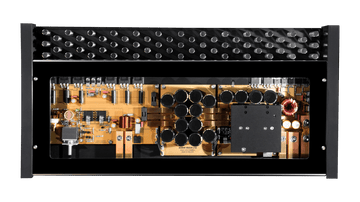
Car space limits the size of your amplifier. Measure the area where you plan to install it. Smaller amplifiers fit tight spaces but may have less power. Think about ventilation too; amplifiers need airflow to avoid overheating. Easy installation means fewer problems and better performance.
Credit: audiointensity.com
Installation Tips
Installing a car amplifier can dramatically improve your sound system, but it requires careful attention to detail. Poor installation can lead to weak performance or even damage to your equipment. Let’s focus on some practical tips that will help you get your amplifier running smoothly and sounding great.
Wiring Essentials
Good wiring is the backbone of a reliable amplifier setup. Use the correct gauge wire for your amplifier’s power needs—too thin, and your amp won’t get enough power; too thick, and it’s a waste of space and money.
Keep your power wire as short as possible and always use a fuse close to the battery to protect your system. Don’t forget to ground the amplifier to a clean, unpainted metal surface in your car to avoid noise interference and ensure safety.
Avoiding Common Mistakes
Many installers overlook proper connections, leading to issues like humming sounds or blown fuses. Double-check your RCA cables and speaker wires to ensure they’re secure and connected to the right terminals.
Never run your power wire alongside audio cables; this can introduce unwanted noise. Also, avoid mounting your amplifier in places that trap heat, such as under a seat without airflow, since overheating will cut your listening time short.
Tuning For Best Sound
Once your amp is installed, tuning it properly makes all the difference in sound quality. Start by setting your gain control low and gradually increase it until you hear distortion, then back off slightly to keep the sound clean.
Adjust the bass boost and crossover settings according to your speaker setup and personal taste. Ask yourself: Does the bass feel tight or muddy? Small tweaks here can turn a good sound system into a great one.
Benefits Of Upgrading
Upgrading your car amplifier brings several key benefits. It makes your music sound clearer and more powerful. Every ride becomes more enjoyable. The improvements go beyond just louder sound. They enhance overall audio quality and bass response. These upgrades help your car stereo perform at its best.
Improved Sound Quality
A new amplifier delivers cleaner sound with less distortion. It provides better control over your speakers. Songs sound richer and more natural. Vocals and instruments become clearer. You notice details in music you missed before. This upgrade helps create a more immersive listening experience.
Better Volume And Clarity
Upgraded amplifiers handle higher power without losing clarity. You can play music louder without distortion. Sounds remain crisp at all volumes. This means enjoying your favorite songs at any level. The amplifier keeps audio balanced and smooth. It prevents harsh or muffled sounds at high volume.
Enhanced Bass Performance
Stronger amplifiers boost low frequencies effectively. They produce deeper and punchier bass notes. Your car’s bass sounds more precise and controlled. It adds excitement to music genres like hip-hop and rock. Enhanced bass makes the entire sound system feel more dynamic. No more weak or boomy bass.
Maintaining Your Amplifier
Maintaining your car amplifier ensures clear sound and long-lasting performance. Regular care prevents damage and keeps the music playing smoothly. Simple habits protect your investment and enhance your listening experience.
Regular Checks
Inspect your amplifier often to catch problems early. Look for loose wires and dirt buildup. Clean the surface gently with a dry cloth. Ensure all connections are tight and secure. Check the cooling fan or vents for dust. These steps keep the amplifier running cool and safe.
Troubleshooting Issues
Notice any sound distortion or power drops? These signs show the amplifier needs attention. Test the power source and fuse for faults. Listen for unusual noises or crackling sounds. Reset the system by turning it off and on. Replace damaged cables or connectors promptly. Quick fixes prevent bigger problems later.
Extending Lifespan
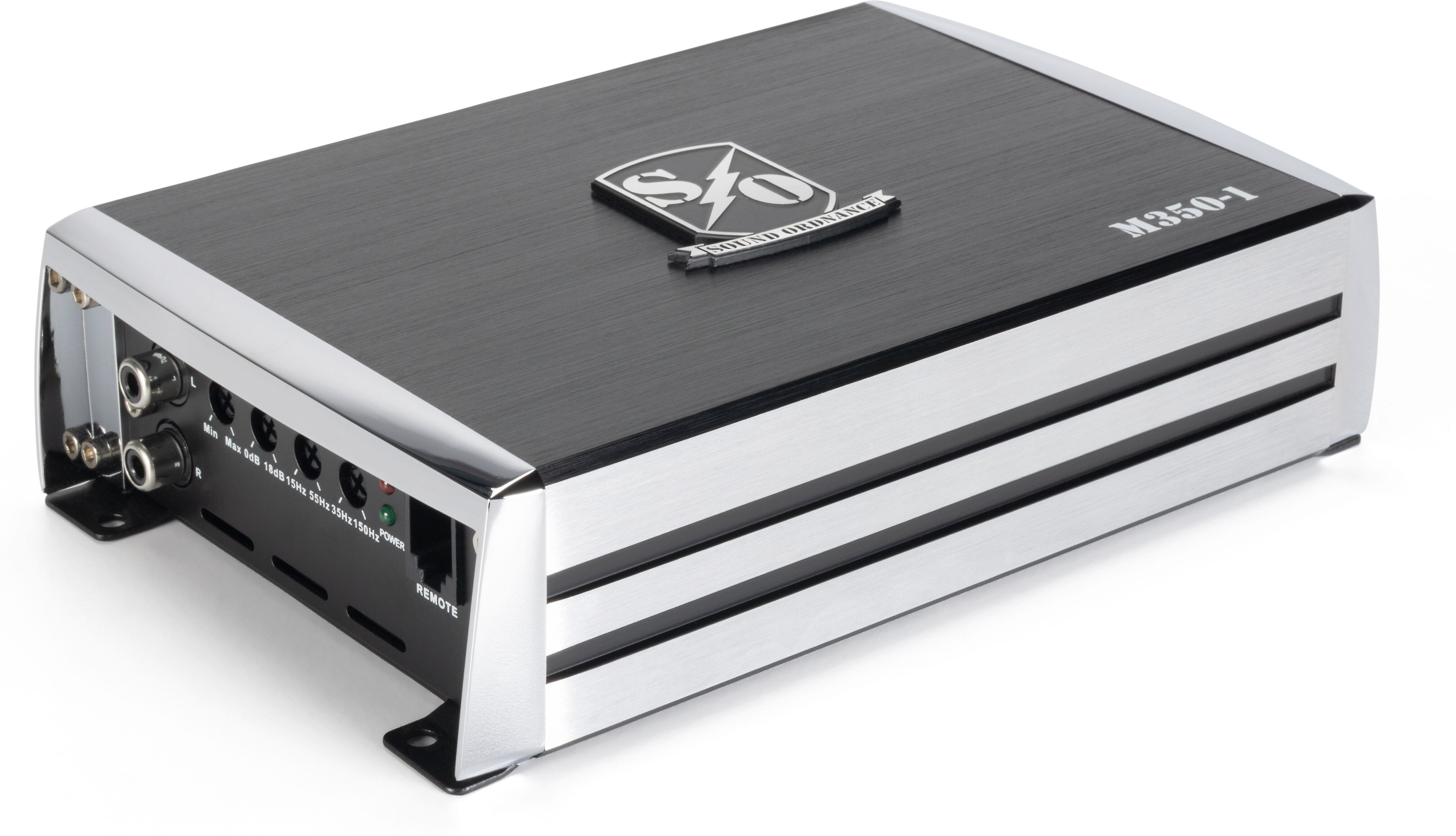
Keep the amplifier away from heat and moisture. Avoid overloading it with too many speakers. Use a surge protector to guard against power spikes. Store the car in shade to reduce temperature stress. Follow the manufacturer’s guide for safe usage. Small actions help your amplifier last for years.
Credit: www.crutchfield.com
Frequently Asked Questions
What Is A Car Amplifier And Its Main Function?
A car amplifier boosts audio signals to improve sound quality. It powers speakers, making music louder and clearer in a vehicle’s sound system.
How Does An Amplifier Improve Car Audio Quality?
Amplifiers enhance sound clarity by increasing power to speakers. They reduce distortion and deliver richer, deeper bass for a better listening experience.
Do All Cars Need An Amplifier For Better Sound?
Not all cars require an amplifier. Factory systems may suffice, but aftermarket amps are essential for high-quality, powerful audio upgrades.
What Types Of Car Amplifiers Are Available?
Common types include mono, 2-channel, and 4-channel amplifiers. Each supports different speaker setups, from subwoofers to full speaker systems.
Conclusion
Choosing the right car amplifier enhances your music experience. It boosts sound quality, making every drive enjoyable. Consider your car’s audio needs and budget. A good amplifier matches your speaker system. It brings clarity and depth to your music. Installation is simple, but professional help ensures the best setup.
Proper tuning avoids sound distortion. Investing in a quality amplifier transforms your car audio. It provides clear, powerful sound. So, enjoy your favorite tunes on the road. Make every journey memorable with the right amplifier choice. Your car deserves the best sound.