Which is the Best Car Amplifier: Top Picks for Ultimate Sound Quality
Are you ready to take your car’s sound system to the next level? Choosing the best car amplifier can be confusing with so many options out there.
But finding the right one makes all the difference in how your music sounds while you drive. Imagine crystal-clear beats, powerful bass, and no distortion—even at high volumes. You’ll discover exactly what to look for and which car amplifier will give you the best performance for your money.
Keep reading, and get ready to transform your driving experience with sound that truly moves you.
Key Features Of Car Amplifiers
Choosing the best car amplifier means understanding the features that impact sound quality and compatibility with your car audio system. Knowing these key features helps you make an informed decision and get the most from your music. Let’s break down what really matters in a car amplifier.
Power Output And Rms Ratings
Power output shows how much energy the amplifier can deliver to your speakers. RMS (Root Mean Square) ratings give a realistic measure of continuous power, which is more important than peak power. You want an amplifier with RMS ratings that match or slightly exceed your speakers’ power handling to avoid distortion or damage.
Think about the times your music sounded weak or distorted—often, that’s because the amplifier’s power didn’t meet the speaker’s needs. Have you checked if your amp’s RMS rating fits your setup?
Impedance And Speaker Compatibility
Amplifiers work best when their impedance matches the speakers’. Common speaker impedance is 4 or 8 ohms. Using an amplifier with the wrong impedance can reduce performance or even damage components.
Make sure your amplifier supports the impedance of your speakers. This ensures smooth power transfer and crisp sound. Have you ever experienced a mismatch causing your system to cut out unexpectedly?
Signal-to-noise Ratio
The signal-to-noise ratio (SNR) measures how clearly your amplifier delivers sound compared to background noise. A higher SNR means cleaner audio with less static or hum. Look for an amplifier with an SNR of 90 dB or higher for a clear listening experience.
Imagine your favorite track playing without any annoying hiss—that’s the power of a good SNR. What’s your tolerance for background noise when enjoying music in your car?
Frequency Response Range
This feature tells you the range of sound frequencies the amplifier can handle. A wide frequency response means the amp can reproduce deep bass and crisp highs effectively. Aim for an amplifier with a frequency response from about 20 Hz to 20 kHz for balanced sound.
Have you noticed how some amps miss the punch in bass or the sparkle in treble? That’s often due to limited frequency response. How important is full-range sound to your listening experience?
Build Quality And Durability
Car amplifiers face heat, vibration, and power fluctuations, so solid build quality is essential. Look for amps with good cooling systems and sturdy materials to ensure long-term reliability. Brands that offer warranties and use quality components often deliver better durability.
Think about how long your last amplifier lasted under tough road conditions. Would you invest in a unit that might fail after a few months? Choosing a durable amplifier saves you money and frustration over time.
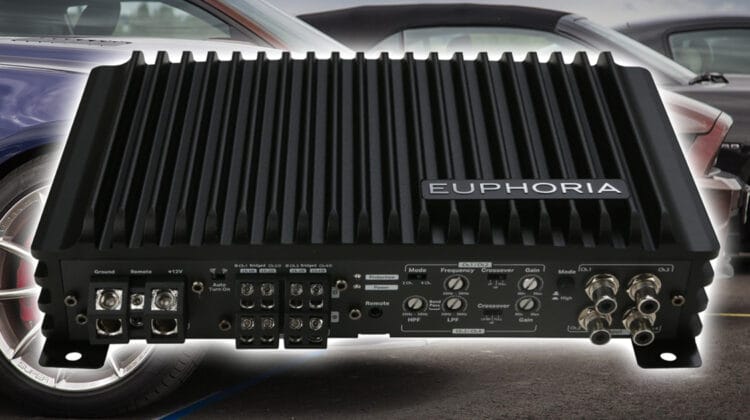
Credit: www.bestcaraudio.com
Types Of Car Amplifiers
Choosing the right car amplifier depends a lot on the type you pick. Each type works differently and suits different needs and setups. Understanding these types helps you decide which amplifier matches your sound goals and budget.
Class A/b Amplifiers
Class A/B amplifiers mix the qualities of Class A and Class B designs. They offer good sound quality with less heat than pure Class A amps. Many people prefer them because they provide clear, warm sound without using too much power.
If you want balanced performance and don’t mind a bit of heat generation, Class A/B amps are a solid choice. They work well for most car audio systems and are widely available in various price ranges.
Class D Amplifiers
Class D amplifiers are known for their high efficiency and compact size. They use digital switching technology to deliver powerful sound with minimal energy loss. This means they stay cooler and save your car’s battery compared to other types.
These amps are perfect if you need a strong bass boost or have limited space under your seat or in your trunk. Their lightweight design makes installation easier, especially if you want to upgrade without major modifications.
Mono Vs Multi-channel Amplifiers
Mono amplifiers have one channel and are usually dedicated to powering subwoofers. They focus all their power on a single speaker to produce deep, strong bass. If your goal is booming low frequencies, a mono amp often does the job better.
Multi-channel amplifiers have two or more channels and can power several speakers at once. This setup suits you if you want a full sound system with front and rear speakers. You can even bridge some channels to increase power for subwoofers while still running regular speakers.
Think about your car’s speaker setup and what sound experience you want. Do you crave thunderous bass or balanced, all-around sound? Your answer guides whether mono or multi-channel amps fit your ride best.
Top Car Amplifier Brands
Choosing the right car amplifier makes a big difference in sound quality. Many brands offer reliable and powerful options. Some brands stand out for their technology and durability. These brands have earned trust among car audio enthusiasts.
Here are some top car amplifier brands known for quality and performance.
Pioneer
Pioneer is a popular name in car audio. Their amplifiers deliver clear sound and strong power. Many models fit different budgets and needs. Pioneer amps often include useful features like bass boost and low-pass filters. They work well with various speaker setups.
Alpine
Alpine amps focus on sound clarity and power. They offer compact designs that fit tight spaces. Alpine amplifiers handle heavy loads without distortion. Their products are known for reliability and smooth audio output. Alpine is a favorite for audiophiles and casual listeners alike.
Jl Audio
JL Audio is known for high-performance amplifiers. Their amps provide clean power and excellent sound detail. JL Audio uses advanced technology for efficiency and low noise. These amplifiers suit users who want premium audio quality. The brand is praised for durability and consistent performance.
Rockford Fosgate
Rockford Fosgate amps deliver strong bass and loud sound. They are built tough for long-lasting use. Many Rockford Fosgate models include built-in crossovers and equalizers. Their amplifiers are popular among bass lovers and car audio competitors. This brand balances power and sound clarity well.
Kenwood
Kenwood offers versatile and affordable car amplifiers. Their products often include multiple channels for flexible setups. Kenwood amps support high power output with low distortion. The brand focuses on user-friendly designs and easy installation. Kenwood is a solid choice for everyday car audio upgrades.
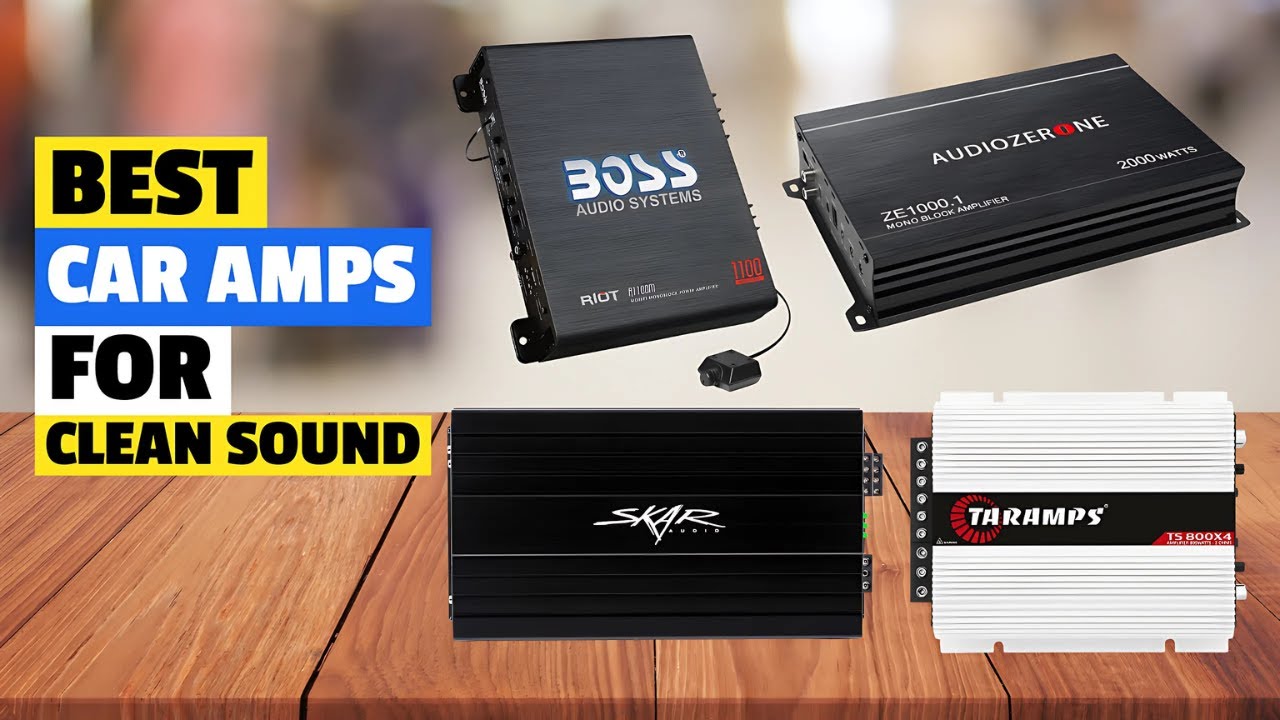
Credit: www.youtube.com
Best Amplifiers For Different Budgets
Choosing the best car amplifier depends a lot on your budget. Amplifiers come in many price ranges with different features. Some models offer great sound without costing much. Others provide advanced options but cost more. Understanding these options helps pick the right amplifier for your needs.
Budget-friendly Options
Budget amplifiers deliver solid sound at a low price. They work well for small to medium speaker setups. Expect basic features and decent power output. These amps suit those who want better sound without spending much. Brands like Rockford Fosgate and Pioneer offer reliable budget models.
- Power output: 100-300 watts RMS
- Simple controls for easy use
- Compact design for tight spaces
Mid-range Amplifiers
Mid-range amplifiers balance price and performance. They offer higher power and cleaner sound. Extra features like variable crossover and bass boost appear here. These amps support more complex audio systems. Good choices include Alpine, JL Audio, and Kenwood models.
- Power output: 300-600 watts RMS
- Better heat dissipation for longer use
- More tuning options for sound customization
High-end Premium Choices
High-end amplifiers provide top sound quality and power. They suit serious audio enthusiasts and large speaker setups. Expect advanced features like multi-channel support and digital signal processing. Brands such as Audison, Rockford Fosgate’s premium line, and Focal lead this category.
- Power output: 600+ watts RMS
- Superior build quality and components
- Extensive sound tuning and protection features
Matching Amplifiers With Speakers
Matching your amplifier with the right speakers is crucial for achieving clear, powerful sound in your car. An amplifier that’s too weak won’t drive your speakers properly, while one that’s too strong can damage them. Understanding how to pair these components helps you get the best performance without risking costly repairs.
Choosing The Right Power Level
Power matching is about balancing the amplifier’s output with your speakers’ power handling. Check the RMS (continuous power) rating of your speakers and pick an amplifier that delivers a similar wattage per channel. If the amp’s power is too low, your music will sound weak and distorted at higher volumes.
On the other hand, choosing an amplifier that provides slightly more power than your speakers can handle gives you headroom for clean sound without distortion. But going too far beyond the speaker’s rating risks blowing the speaker cones. Ask yourself: how loud do you want your music without distortion?
Considerations For Subwoofers
Subwoofers demand a different approach because they need significant power to produce deep bass. Look for amplifiers designed specifically for subs, often with higher RMS output and stable low-frequency response. Bridging channels on your amp can also increase power to the subwoofer.
Remember to match the subwoofer’s impedance (ohms) with the amplifier’s supported load to avoid overheating or shutdowns. If you want that booming bass without distortion, make sure your amp and subwoofer are a team, not rivals. Have you checked the sub’s specs before buying an amp?
Compatibility With Component Speakers
Component speakers include separate woofers and tweeters, requiring careful wiring and amplification. Some amplifiers offer multiple channels, allowing you to power each speaker component individually for better control over sound quality. This setup reduces distortion and balances frequencies effectively.
Ensure the amplifier’s frequency response matches the speaker’s range to avoid losing detail in highs or mids. Also, crossovers in your system can help direct the right frequencies to each speaker part, but the amp needs to support this setup. Have you tested your amp with your component speakers to hear the difference?
Installation Tips For Optimal Sound
Getting the best sound from your car amplifier needs careful installation. Small details in setup make a big difference in audio quality and system safety. Follow these tips to ensure your amplifier works at its best and lasts long.
Proper Wiring And Connections
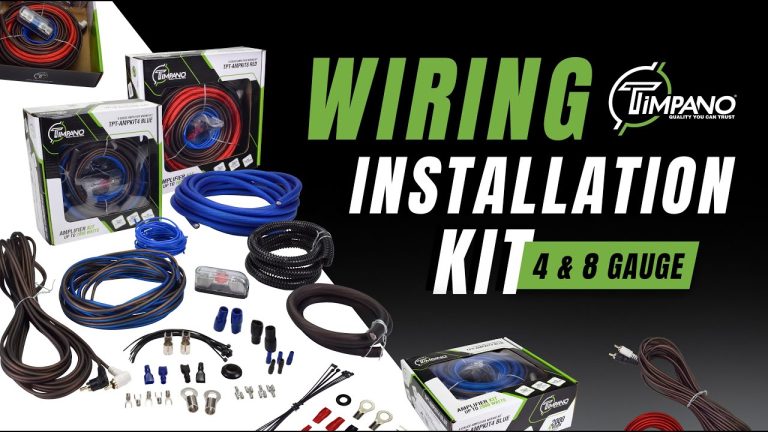
Use high-quality cables for power, ground, and speaker connections. Secure all wires tightly to avoid loose contacts and noise. Keep power and signal wires separate to reduce interference. Ensure the ground wire is short and connected to a clean metal part of the car. Use the correct fuse near the battery to protect your system from power surges.
Placement And Ventilation
Place the amplifier where it gets enough airflow to stay cool. Avoid tight spaces that trap heat. A hot amplifier can lose power or get damaged. Common spots include under seats or in the trunk with vents. Make sure the amplifier is mounted securely to prevent vibrations that affect sound.
Tuning For Best Performance
Adjust gain controls to match your head unit’s output level. Set the bass boost carefully to avoid distortion. Use the crossover settings to send the right frequencies to your speakers and subwoofer. Test your system with music you know well. Fine-tune settings for clear, balanced sound without harshness or muddiness.
Common Mistakes To Avoid
Choosing the right car amplifier can dramatically improve your audio experience, but many people make avoidable mistakes that hurt sound quality and damage equipment. Knowing what to watch out for can save you money and frustration. Here are some common pitfalls to steer clear of when setting up your car amplifier.
Overpowering Speakers
It’s tempting to crank up the amplifier’s power, thinking more watts always mean better sound. However, overpowering your speakers can cause permanent damage. Speakers have specific power handling limits, and exceeding them can lead to distortion or blown drivers.
Think about your setup: are you matching the amplifier’s output to what your speakers can handle? If your amp delivers 100 watts per channel, but your speakers are rated for only 50 watts, you risk burning them out quickly. Always check the power ratings on both components before pairing them.
Ignoring Impedance Ratings
Impedance, measured in ohms, affects how much load the amplifier puts on your speakers. Using speakers with an impedance lower than what the amplifier supports can cause overheating or even failure. Conversely, a higher impedance may result in lower volume and reduced performance.
Ask yourself: have you verified the impedance compatibility between your amp and speakers? If your amplifier is stable at 4 ohms, don’t connect 2-ohm speakers without confirming the amp can handle that load. Understanding impedance ensures your system runs smoothly and safely.
Poor Wiring Practices
Even the best amplifier won’t perform well with bad wiring. Using thin cables, loose connections, or improper routing can introduce noise, reduce power delivery, or cause shorts. Many installers overlook this simple step, leading to annoying hums or intermittent sound.
Consider your wiring setup carefully. Are you using high-quality cables thick enough to carry the current? Are all connections tight and secure? Taking time to wire your system properly prevents many headaches and helps your amplifier deliver clean, powerful audio.
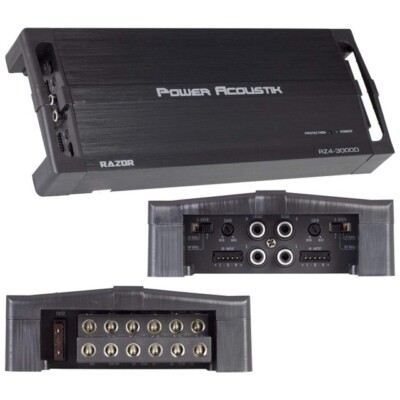
Credit: www.ebay.ca
Frequently Asked Questions
What Factors Determine The Best Car Amplifier?
The best car amplifier depends on power output, sound clarity, size, and compatibility with your system. Choose one that matches your speaker requirements and budget for optimal performance.
How Much Power Do I Need For My Car Amplifier?
Power needs depend on your speaker’s RMS rating. Match the amplifier’s RMS output to your speakers for clean, distortion-free sound. Overpowering or underpowering can damage your system.
Which Car Amplifier Brand Is Most Reliable?
Brands like JL Audio, Rockford Fosgate, and Alpine are known for reliability. They offer durable products with excellent sound quality and customer support, making them a safe choice for your car audio upgrade.
Can A Car Amplifier Improve Sound Quality Significantly?
Yes, a quality car amplifier boosts signal strength, reducing distortion and enhancing clarity. It provides better bass response and overall sound, transforming your car audio experience.
Conclusion
Choosing the best car amplifier enhances your driving experience. It boosts sound quality and clarity. Each amplifier has unique features. Consider your car audio needs carefully. Think about power, size, and budget. Research and compare different models. Customer reviews provide valuable insights.
Find an amplifier that suits your style. Better sound makes every drive enjoyable. Invest in quality for lasting satisfaction. A good amplifier transforms your car audio. Enjoy music like never before. Make an informed choice and drive with better sound.
Happy listening on the road!