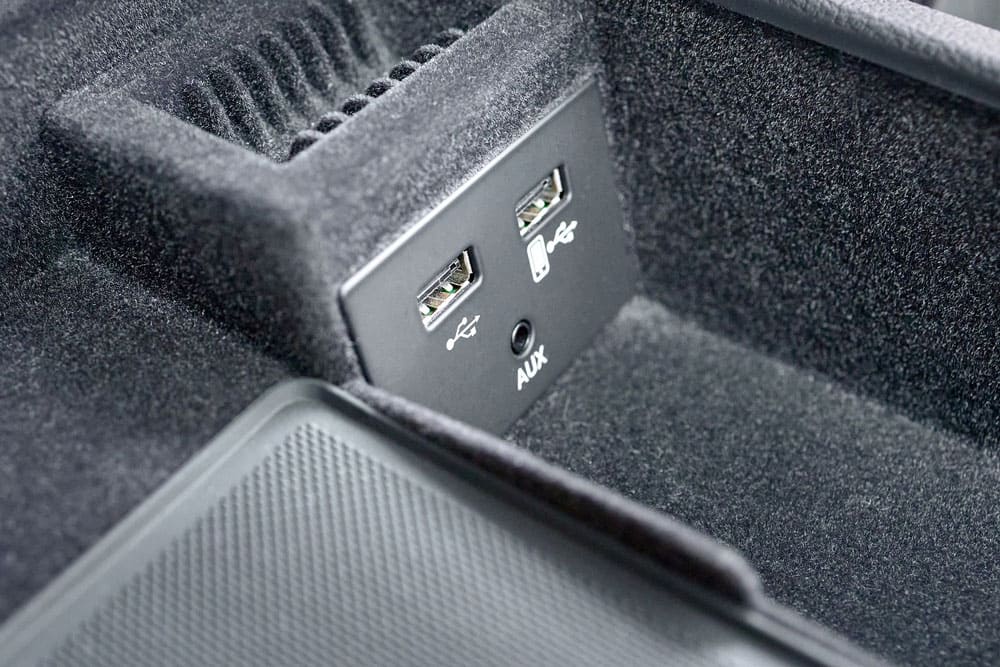
Do you want to enjoy your favorite music directly from your phone or MP3 player while driving? Adding an aux port to your car stereo can make that possible, giving you better sound and more control over what you listen to.
If you’ve ever felt frustrated by limited options or poor audio quality, this simple upgrade can change your driving experience instantly. You’ll learn easy, step-by-step ways to add an aux port to your car stereo—no complicated jargon or expensive tools needed.
Keep reading, and you’ll be rocking out to your playlist in no time!

Credit: www.youtube.com
Choosing The Right Aux Adapter
Choosing the right aux adapter is key to getting good sound in your car. The wrong adapter can cause poor audio quality or compatibility issues. Understanding the types of adapters helps you pick the best one for your needs. It also saves money and time. Consider your car stereo model and budget before making a choice.
Types Of Aux Adapters
Aux adapters come in several types. The most common are:
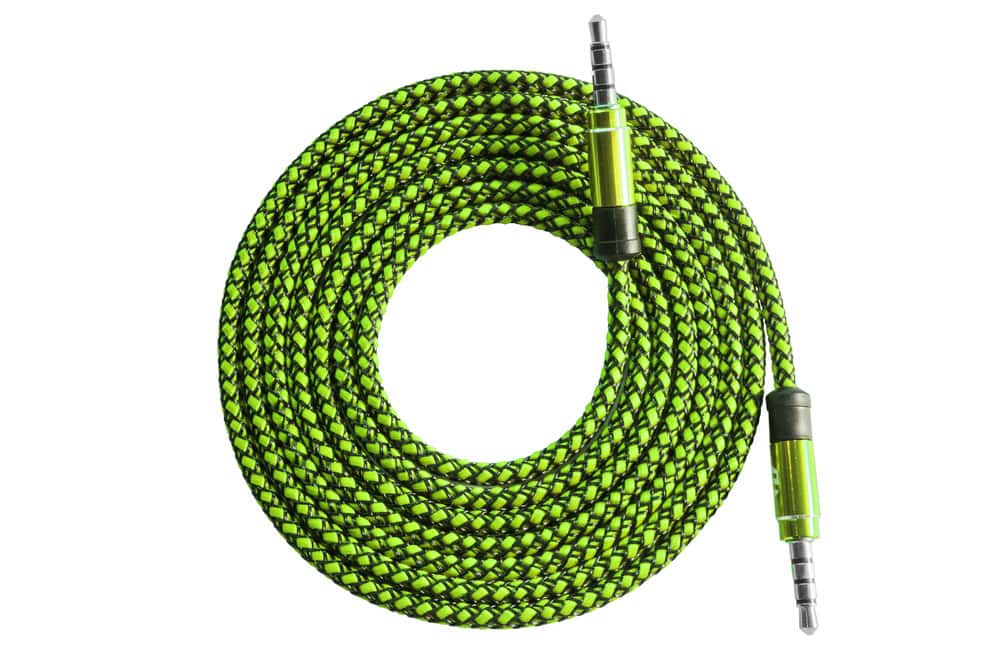
- 3.5mm Jack: Plugs into headphone ports and is widely used.
- USB Aux Adapter: Connects via USB for digital audio.
- FM Transmitter: Sends audio through an FM radio signal.
- Cassette Adapter: Fits into the cassette player for older cars.
Choose the type that matches your car’s audio input options.
Compatibility With Car Stereo
Check your car stereo’s input options before buying an adapter. Some stereos have aux ports, others do not. USB and FM transmitters work with more models but may need extra setup. Cassette adapters only work if your car has a cassette player. Match the adapter to your stereo for easy use and good sound.
Budget Considerations
Aux adapters vary in price from budget to premium. Basic 3.5mm adapters are affordable and simple. FM transmitters cost more but offer wireless convenience. USB adapters usually fall in the mid-price range. Decide how much you want to spend and balance cost with features. Cheap adapters may not last long or give good sound.
Credit: autowiringpro.com
Gathering Necessary Tools
Before you start adding an aux port to your car stereo, gathering the right tools is essential. Having everything ready saves time and frustration during installation. It also ensures a smoother, safer process, especially if this is your first time working with car electronics.
Basic Tools Needed
At minimum, you’ll need a few standard tools to get the job done. A flathead screwdriver and a Phillips screwdriver are must-haves for removing panels and screws. Wire strippers help you prepare the cables without damaging them.
Don’t forget electrical tape to secure connections and prevent shorts. A multimeter can be invaluable for checking voltage and confirming wire functions. These basic tools set the foundation for a successful aux port installation.
Optional Equipment For Easier Installation
Some extra tools can make the process faster and less stressful. A panel removal tool kit prevents damage to your car’s interior trim when popping off panels. If your stereo wiring is complex, a wiring harness adapter designed for your car model simplifies connections.
Heat shrink tubing offers more durable insulation than tape alone, especially in tight spaces. You might also consider a soldering iron to create stronger wire joints, though this is optional if you prefer twist-on connectors. Do you want the installation to feel like a breeze or a hassle? Investing in these tools can make a big difference.
Locating The Car Stereo Wiring
Finding the car stereo wiring is the first task when adding an aux port. Knowing the wiring location helps connect the aux input correctly. It prevents damage to the stereo and ensures clear audio. Understanding where the wires are makes the process smoother and safer.
Accessing The Stereo Unit
Start by turning off the car and removing the key. Use a panel removal tool to gently pry off the dashboard trim. This reveals the screws holding the stereo in place. Unscrew carefully and pull the stereo out slowly. Keep the wires connected until you find the audio input wires.
Identifying Audio Input Wires
Look for wires labeled as audio input or AUX. These wires are usually red, white, or yellow. Check the stereo’s wiring diagram if available. Match wire colors with the diagram to avoid mistakes. Use a multimeter to confirm the wires carry audio signals. Mark the correct wires before connecting the aux port.
Installing The Aux Port
Installing an aux port in your car stereo brings modern convenience to older audio systems. It allows you to play music from smartphones, tablets, or other devices easily. The process involves connecting wires properly, fixing the port securely, and ensuring the connection works well. Follow these steps to add the aux port smoothly.
Wiring The Aux Adapter
Start by locating the back of your car stereo unit. Identify the audio input wires that match the aux adapter. Use a wiring diagram of your car stereo to find the right cables.
- Strip the ends of the wires carefully.
- Connect the aux adapter wires to the stereo wires.
- Match colors and ensure solid connections.
- Use electrical tape or wire connectors to secure the joints.
Proper wiring prevents static and signal loss. Double-check connections before moving forward.
Securing The Aux Port
Choose a convenient spot on your dashboard or center console for the aux port. Ensure the location is easy to reach and does not block controls.
- Drill a small hole if needed, matching the aux port size.
- Insert the aux port into the hole carefully.
- Fasten it tightly using screws or clips provided.
- Tidy up wires behind the panel to avoid damage.
A secure aux port stays in place and looks professional.
Testing The Connection
Reconnect your car stereo power and turn it on. Plug a device into the aux port and play audio.
- Listen for clear sound without static or interruptions.
- Adjust volume levels on both the device and stereo.
- Try different devices to confirm stable connection.
- Fix any loose wires if sound cuts off or distorts.
Testing ensures your installation works perfectly before final assembly.
Using Bluetooth As An Alternative
If your car stereo lacks an aux port, Bluetooth offers a modern and convenient alternative. It lets you stream music wirelessly from your phone or other devices without any physical connection. This option can be especially handy if you prefer a cleaner, cable-free setup.
Bluetooth Aux Adapters
Bluetooth aux adapters are small gadgets that plug into your car’s aux input or USB port. They receive audio signals from your phone via Bluetooth and send them to your stereo. Some models even come with built-in microphones, allowing you to take hands-free calls.
Setting up a Bluetooth aux adapter usually takes just a few minutes. You pair it with your phone like any other Bluetooth device, and you’re ready to enjoy wireless music. Many adapters also support voice assistants like Siri or Google Assistant, adding extra convenience.
Pros And Cons Compared To Wired Aux
| Aspect | Bluetooth Aux Adapter | Wired Aux |
|---|---|---|
| Ease of Use | Wireless, no cables needed | Requires plugging in a cable |
| Sound Quality | May experience minor audio lag or compression | Typically clearer and more consistent audio |
| Compatibility | Works with most Bluetooth-enabled devices | Works with devices having headphone jacks |
| Power Source | Often needs charging or USB power | No extra power needed |
| Cost | Usually more expensive upfront | Generally cheaper |
Think about how you use your car stereo daily. Would the freedom from cables make your drives more enjoyable? Or do you prefer the reliability of a wired connection with its consistent sound quality?

Credit: www.reddit.com
Troubleshooting Common Issues
Troubleshooting common issues helps keep your aux port working smoothly. Problems can arise from various causes. Identifying the issue saves time and frustration. Below are typical problems and quick ways to fix them.
No Sound Or Distortion
No sound or distorted audio often points to connection or device issues. Check the volume on both the car stereo and the connected device. Make sure the aux cable is fully plugged in.
- Try a different aux cable to rule out damage.
- Test the connected device with headphones to confirm its audio output works.
- Clean the aux port gently to remove dust or debris.
- Adjust the car stereo settings to ensure aux input is selected.
Connection Problems
Some connection problems occur due to incompatible devices or poor cable quality. Confirm the cable matches the device’s aux port size.
- Use a high-quality cable to avoid weak signals.
- Restart the car stereo and the connected device.
- Check if the aux port is enabled in the car stereo menu.
- Try connecting another device to see if the problem persists.
Fixing Loose Or Faulty Wires
Loose or faulty wires cause intermittent sound or no sound at all. Inspect the cable for visible damage like frays or bends.
- Securely reconnect all wires and plugs.
- Replace damaged cables immediately.
- Check the aux port inside the stereo for bent pins or debris.
- Consider professional help if internal wiring needs repair.
Frequently Asked Questions
What Tools Are Needed For Adding An Aux Port?
To add an aux port, you need a drill, screwdriver, wire stripper, and an aux adapter. Make sure to have the car stereo manual for guidance. Having a basic understanding of wiring will be beneficial.
Can I Add An Aux Port To Any Car Stereo?
Yes, you can add an aux port to most car stereos. However, older models might require additional adapters. Always check the compatibility of your car stereo model before proceeding.
How Much Does It Cost To Add An Aux Port?
The cost typically ranges from $20 to $50 for the aux adapter. Additional costs may include tools or professional installation. DIY installation can save money.
Is It Difficult To Install An Aux Port?
Installing an aux port is fairly simple for those with basic DIY skills. Follow your car stereo’s manual for guidance. Ensure you disconnect the battery before starting the installation for safety.
Conclusion
Adding an aux port to your car stereo is simple and useful. It lets you play music from any device easily. You save money by doing it yourself. Just follow the steps carefully and take your time. You do not need special skills, just basic tools.
Enjoy better sound and more music choices on the road. Your drives will feel more fun and relaxed. Try it today and hear the difference yourself.