
How to Connect Subwoofer to Original Car Stereo: Easy Step-by-Step Guide
Are you ready to take your car’s sound system to the next level? Connecting a subwoofer to your original car stereo can transform your driving experience with deep, powerful bass.
But if you’re unsure where to start or worried about messing up your car’s wiring, don’t worry—you’re in the right place. This guide will walk you through simple, clear steps to connect your subwoofer without any hassle. By the end, you’ll know exactly how to boost your audio system and feel every beat like never before.
Keep reading, because your car deserves sound that moves you.
Check Car Stereo Compatibility
Before connecting a subwoofer to your original car stereo, it’s crucial to check whether your stereo system supports this upgrade. Not all car stereos are built the same, and knowing what outputs your stereo offers will save you time and frustration. Understanding your stereo’s compatibility helps you choose the right connection method and ensures optimal sound quality.
Identify Stereo Output Options
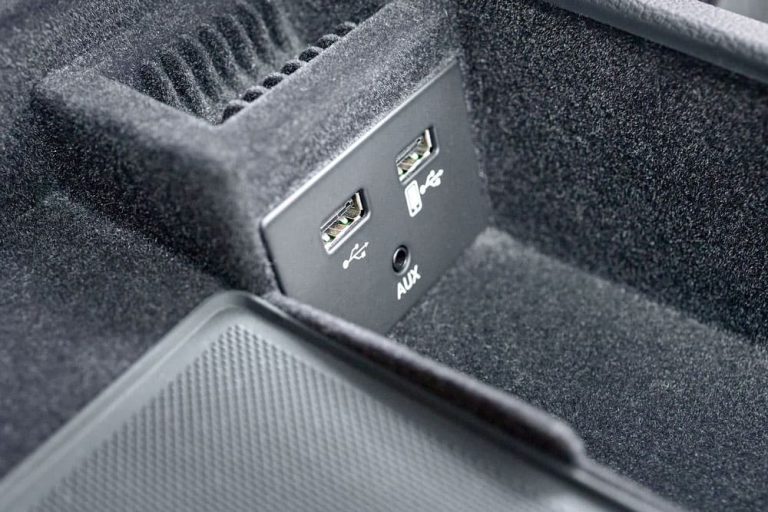
Start by examining your car stereo for available output ports. Most modern stereos have RCA outputs, which provide a clear signal for subwoofers. If your stereo lacks RCA outputs, check for preamp outputsor speaker-level outputs.
Speaker-level outputs send amplified signals, which some subwoofers can accept with proper adapters. If you find only speaker wires, don’t worry—it means you’ll need a line output converter to connect your subwoofer properly. Take a moment to consult your stereo’s manual or look up its model online for detailed output specifications.
Locate Subwoofer Output Or Speaker Wires
Next, look for a dedicated subwoofer output on your stereo or amplifier. This output is usually labeled as “Sub Out”or “Subwoofer Out”. If your stereo lacks this, locate the rear speaker wires, as these can often be tapped into for subwoofer signal input.
Use a multimeter or wiring diagram to confirm the positive and negative wires for the rear speakers. Connecting the subwoofer properly requires matching these polarities to avoid phase issues, which can reduce bass performance. Have you checked if your stereo’s wiring harness supports aftermarket connections? This small step can make installation much smoother.

Credit: www.coloradofans.com
Choose The Right Subwoofer
Choosing the right subwoofer is crucial for getting the best sound quality from your car stereo. Picking a subwoofer that matches your system ensures clear, powerful bass without damaging your equipment. Before you buy, you need to understand the technical details and decide which type suits your setup.
Match Impedance And Power Ratings
Check your car stereo’s amplifier specifications first. The subwoofer’s impedance, usually measured in ohms, must match the amplifier’s supported range to avoid poor performance or damage.
Power ratings are equally important. Look at the RMS (continuous power) rating of the subwoofer and make sure your amp can supply enough power without overloading. For example, if your amp delivers 200 watts RMS at 4 ohms, get a subwoofer with a similar RMS rating and impedance.
Ignoring these details can lead to weak bass or blown speakers. Have you ever heard distorted or weak bass? This mismatch might be why.
Select Powered Vs. Passive Subwoofer
You can pick between powered and passive subwoofers depending on your installation skills and space. Powered subwoofers have built-in amplifiers, making them easier to connect and usually take up less space.
Passive subwoofers require a separate amplifier but offer more customization. If you want to upgrade your system gradually or tailor the sound, a passive subwoofer might be better.
Think about your car’s interior and how much room you have. Also, consider if you prefer a plug-and-play option or are comfortable with wiring amps. Your choice here impacts installation time and sound control.
Gather Necessary Tools And Materials
Before you start connecting your subwoofer to your original car stereo, it’s crucial to gather all the necessary tools and materials. Having everything ready saves you from frustrating interruptions and helps ensure a smooth installation. Think about what you really need to avoid last-minute trips to the store.
Required Cables And Connectors
Choosing the right cables and connectors is key to a clean, reliable connection. You’ll typically need an RCA cable to link the subwoofer to your stereo’s amplifier output. If your car stereo lacks a dedicated subwoofer output, a high-level speaker wire adapter can come in handy.
Don’t forget a power cable for the subwoofer, usually a 12V wire that connects directly to your car battery. Ground wires are just as important to prevent electrical noise and ensure safety. Also, consider a remote turn-on wire; it tells your subwoofer when to power up along with your stereo.
Tools For Installation
Having the right tools makes installation faster and less stressful. A wire stripper and crimper are essential for preparing and securing your cables. Screwdrivers, both Phillips and flathead, will help you remove panels and secure connections.
Electrical tape or heat shrink tubing protects your connections from moisture and wear. A multimeter can save you headaches by checking voltage and continuity before finalizing connections. Lastly, consider having zip ties to keep your wires neat and prevent rattling while driving.
Credit: www.4c-forums.com
Prepare The Installation Area
Preparing the installation area is a key step to connect a subwoofer to your car stereo. A clean and organized space makes the process easier. It also helps avoid damage to your car and equipment. Taking time to prepare ensures a smooth and safe installation.
Locate Ideal Subwoofer Placement
Choose a spot that fits the subwoofer size well. Common places include the trunk or under a seat. The location should allow good sound flow inside the car. Avoid blocking vents or controls. Make sure the subwoofer will not move during driving.
Ensure Proper Wiring Access
Check the area for easy access to power and audio cables. Plan the wiring path to avoid sharp edges and moving parts. Leave enough space to connect wires without stress. Secure loose wires to prevent noise or damage. Proper wiring access helps keep the installation neat and safe.
Connect Subwoofer To Stereo Output
Connecting your subwoofer directly to your car’s stereo output can dramatically improve your audio experience. It allows you to tap into the existing sound system without needing extra amplifiers or complex setups. Understanding how to make this connection properly is key to getting the best bass response and avoiding sound distortions or damage.
Use Rca Or Speaker Wire Connections
Most original car stereos provide either RCA outputs or speaker wire terminals for connecting external devices like subwoofers. RCA connections are ideal if your stereo has dedicated subwoofer or preamp outputs, as they carry a clean, low-level signal that your subwoofer can easily amplify.
If your stereo lacks RCA outputs, you can use speaker wires instead. This involves tapping into the speaker-level outputs on the stereo and running those wires directly to your subwoofer amplifier’s inputs. Keep in mind that this method may require a line output converter to match the signal levels correctly.
Ask yourself: does your stereo have a labeled “subwoofer out” or just speaker wires? This will determine which connection type works best for your setup and what additional gear you might need.
Secure And Insulate Connections
Once you’ve identified the right wires to connect, securing and insulating those connections is crucial. Loose or exposed wires can cause interference, noise, or even short circuits that damage your equipment.
Use quality connectors like crimp terminals or solder the wires together for a solid connection. After that, wrap the connections with electrical tape or heat shrink tubing to protect against moisture and vibrations from driving.
Think about how often your car moves and vibrates—would your connections stay intact without proper insulation? Taking the time to secure these will save you from frustrating audio issues down the road.
Power The Subwoofer
Powering the subwoofer is a key step in connecting it to your original car stereo. Without proper power, the subwoofer cannot deliver the deep bass sounds it is designed for. Supplying steady and safe power ensures the subwoofer works efficiently and protects your car’s electrical system.
Use the right power source and connections to avoid damage and performance issues. Attention to grounding also plays a crucial role in the subwoofer’s sound quality and safety.
Connect To Car Battery Or Fuse Box
Run a power cable directly from the car battery or fuse box to the subwoofer amplifier. Use a fuse holder near the battery to prevent electrical shorts. Choose a cable thick enough to handle the amplifier’s power needs.
Keep the cable away from sharp edges and moving parts. Use cable ties to secure it firmly and prevent damage from vibration. Proper connection reduces power loss and improves bass output.
Ground The Subwoofer Properly
Connect the amplifier’s ground wire to a clean, bare metal surface on the car chassis. Avoid painted or rusty spots, as they reduce grounding efficiency. The ground wire should be as short as possible.
A strong ground connection prevents noise and electrical interference. It also protects the amplifier and car stereo from damage. Double-check the ground point for tight, secure contact.
Adjust Audio Settings
Adjusting the audio settings is a crucial step after connecting your subwoofer to the original car stereo. It ensures that the bass output complements the rest of your music without overpowering other frequencies. Fine-tuning these settings lets you enjoy a balanced and immersive sound experience tailored to your preferences.
Set Crossover Frequency
The crossover frequency determines the point where the subwoofer takes over from your car’s main speakers. Setting this correctly prevents sound overlap and distortion. Start by setting the crossover around 80 Hz, which is a common baseline for most systems.
Try listening to a few songs with varying bass levels. If the bass feels too weak, lower the crossover slightly to let the sub handle more low-end sounds. If the bass sounds muddy or overlaps with mid-range instruments, increase the crossover frequency a bit.
Does your stereo have a built-in crossover adjustment? If so, use it to refine the sound instead of relying solely on the subwoofer’s controls. This approach often results in cleaner bass and better overall balance.
Adjust Gain And Volume Levels
Gain controls the strength of the signal sent to the subwoofer, while volume controls how loud the bass sounds. Setting these correctly avoids distortion and protects your subwoofer from damage.
Start with the gain low and slowly increase it while playing music with deep bass. Pay attention to any rattling or distortion from the sub or car panels. Stop increasing gain once the bass feels full but clean.
Balancing the volume level with your main stereo output is just as important. If your subwoofer is too loud, it will drown out vocals and other instruments. Adjust the volume so the bass complements the rest of the music without stealing the spotlight.
Have you noticed any rattling or buzzing in your car when the bass hits hard? That could be a sign to lower your gain or secure loose panels before pushing the volume further.
Test The Subwoofer
Testing the subwoofer ensures it works well with your car stereo. This step checks sound quality and system performance. Proper testing helps avoid damage and improves your listening experience. Follow simple actions to confirm your setup is correct and safe.
Play Test Tracks
Choose songs with strong bass and clear beats. Play different music styles to hear how the subwoofer responds. Listen for deep, rich sounds that fill the car. Adjust the volume slowly to avoid sudden loud noises.
Check For Distortion And Vibrations
Notice any crackling or buzzing sounds from the subwoofer. Feel the vibrations on the car’s panels and floor. Mild vibrations are normal but strong rattling means poor installation. Tighten loose parts or reposition the subwoofer if needed.
Troubleshoot Common Issues
Connecting a subwoofer to your car’s original stereo can sometimes lead to unexpected issues. Troubleshooting these problems quickly keeps your sound system performing at its best. Let’s explore common issues you might face and how to fix them effectively.
No Sound Or Low Output
If your subwoofer produces no sound or very low volume, start by checking the wiring. Loose or incorrect connections often cause this problem. Make sure the RCA cables and speaker wires are securely plugged into the right ports.
Check the subwoofer’s power source next. Sometimes the amplifier isn’t getting enough power because of a blown fuse or a faulty ground connection. Replacing the fuse or ensuring a solid ground can restore proper function.
Also, review your car stereo’s settings. The bass might be turned down or the subwoofer output disabled. Adjust the equalizer and bass boost settings to enhance the output.
Interference And Noise Problems
Hearing static, buzzing, or humming noises from your subwoofer? This usually points to interference or grounding issues. Check that all cables are shielded and routed away from power wires to reduce noise.
A common fix is to improve the ground connection. Poor grounding can introduce unwanted noise into your audio system. Try grounding the amplifier or subwoofer to a clean metal point on your car’s chassis.
If interference persists, consider installing a noise filter or isolator on the signal cables. These devices block electrical noise, giving you clearer sound. Have you noticed interference spike when the engine runs? That’s a clue your alternator might be the source.

Credit: www.youtube.com
Frequently Asked Questions
How Do I Connect A Subwoofer To My Car Stereo?
To connect a subwoofer, first identify the stereo’s output. Use an amplifier for better sound quality. Connect the subwoofer using RCA cables from the amplifier. Ensure all connections are secure. Adjust the settings on your stereo for optimal bass levels.
Always consult your car’s manual for specific instructions.
Can I Use A Subwoofer Without An Amplifier?
Using a subwoofer without an amplifier is possible, but not recommended. Amplifiers boost the audio signal, enhancing bass output and sound quality. Without one, your subwoofer may underperform. It’s best to invest in a compatible amplifier for optimal performance and to avoid potential damage to your subwoofer.
What Cables Are Needed For Connecting A Subwoofer?
You’ll typically need RCA cables and speaker wires. RCA cables connect the amplifier to the subwoofer, while speaker wires connect the subwoofer to the car stereo. Ensure cables are of good quality for optimal sound. Always check compatibility with your specific stereo and subwoofer model to avoid connection issues.
Is It Safe To Install A Subwoofer Myself?
Yes, it’s safe if you follow instructions carefully. Ensure you disconnect the car battery before starting. Use quality tools and components. If unsure, consult your car’s manual or hire a professional. Proper installation prevents damage to your car’s electrical system and ensures optimal subwoofer performance.
Conclusion
Connecting a subwoofer to your original car stereo can boost sound quality. Start by gathering the right tools and parts. Follow the steps carefully to avoid damage. Take your time to ensure each connection is secure. Test the system to check if the bass sounds clear.
Adjust settings on your stereo for the best result. Enjoy richer music and a better driving experience. Simple steps can make a big difference in sound. Give it a try and feel the difference yourself.