
How to Hook Up Car Speakers to Home Stereo: Easy Step-by-Step Guide
Have you ever wondered if you could use your car speakers to boost the sound of your home stereo? It’s easier than you think, and it can give your favorite music a fresh, powerful vibe.
If you want to enjoy crisp, clear sound without buying new speakers, this guide is for you. Keep reading, and you’ll discover simple steps to connect your car speakers to your home stereo, making your listening experience better than ever.
Ready to transform your sound setup? Let’s dive in!
Choosing Compatible Speakers
Choosing the right car speakers for your home stereo is important. The speakers must fit well with your system. Picking compatible speakers helps you get clear sound and avoid damage. Several factors matter when selecting speakers for your home setup.
Speaker Types And Sizes
Car speakers come in many types and sizes. Common types include coaxial and component speakers. Coaxial speakers have built-in tweeters for high sounds. Component speakers separate tweeters and woofers for better sound quality.
Sizes vary from 3.5 inches to 6×9 inches or larger. Check your home stereo space and speaker mounts. Choose speakers that fit the place and your listening needs.
Matching Impedance And Power
Speakers have impedance measured in ohms. Home stereos usually support 4 to 8 ohms. Car speakers often have 4 ohms. Match speaker impedance to the stereo’s rating to avoid damage.
Power handling is also key. Look for speakers that handle the amplifier’s power output. Too low power can cause distortion. Too high power may damage speakers. Find a balance for clear and safe sound.
Checking Connector Types
Car speakers use different connectors than home stereos. Common car speaker connectors include spade terminals and quick disconnects. Home stereo speakers often use bare wire or banana plugs.
Check connectors on both the stereo and the speakers. You may need adapters or to change connectors. Secure and proper connections ensure good sound and safety.
Credit: www.youtube.com
Gathering Required Tools
Gathering the right tools is the first step to connect car speakers to a home stereo. Having proper equipment makes the process smooth and safe. It prevents damage to the speakers and stereo system. Below are the essential tools to prepare before starting the hookup.
Wiring And Connectors
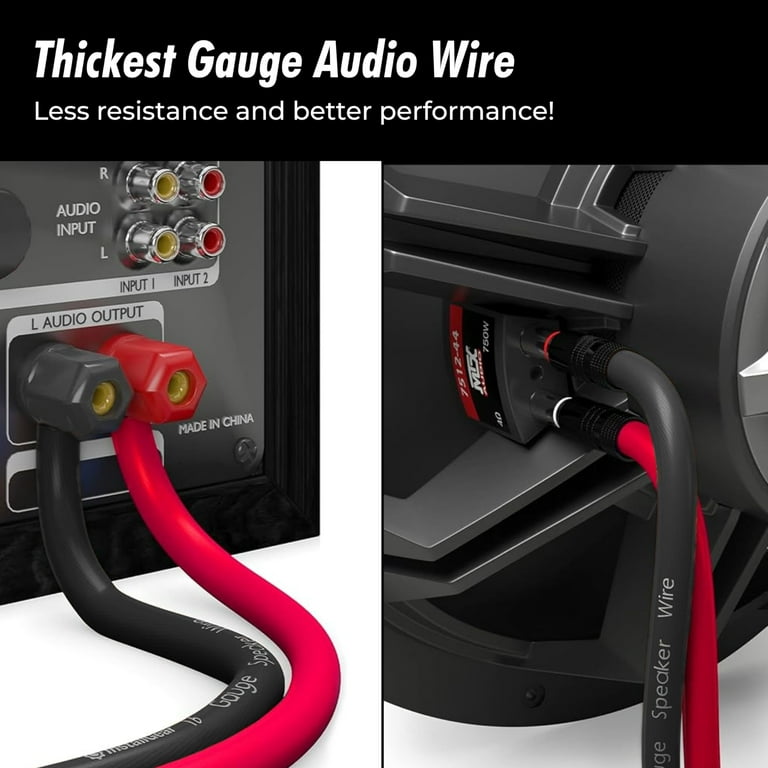
Car speakers use specific wires and connectors. Speaker wires come in different gauges. Choose a gauge that matches your speaker’s power needs. Connectors help join wires to speakers and stereo securely. Common types include:
- Spade connectors for easy slip-on connections
- Butt connectors to join wire ends
- Banana plugs for a stable plug-in connection
Proper wiring and connectors ensure a strong, clear audio signal.
Screwdrivers And Strippers
A set of screwdrivers is necessary to open speaker terminals and stereo panels. Flathead and Phillips screwdrivers are the most useful types. Wire strippers remove insulation from speaker wires cleanly. Clean wire ends improve contact and sound quality. Avoid cutting wires too short or nicking them during stripping.
Amplifiers And Adapters
Home stereos often need adapters to match car speaker impedance. Amplifiers boost sound power for car speakers. Some home stereos lack enough power to drive car speakers directly. Using an amplifier improves sound volume and clarity. Check the compatibility of adapters and amplifiers with your equipment before buying.
Preparing The Home Stereo
Preparing the home stereo is a crucial first step before connecting car speakers. This process ensures safety and compatibility. It also helps avoid damage to your equipment. Taking time now saves problems later. Follow these key actions to get your stereo ready.
Locating Speaker Outputs
Find the speaker output terminals on the back of your home stereo. These are usually marked with “Speaker Out” or similar labels. They often use spring clips or binding posts. Check both left and right channels. Note the positive (+) and negative (-) markings.
Turning Off Power
Always turn off the power before making connections. Unplug the stereo from the electrical outlet. This prevents electric shock or short circuits. Avoid working with live equipment. Safety first. Wait a few minutes before touching wires or terminals.
Testing Output Compatibility
Check if the stereo’s output matches the car speakers’ requirements. Look at the speaker impedance, usually shown in ohms (Ω). Most home stereos support 8-ohm speakers. Car speakers often have 4-ohm impedance. Use an impedance matcher if needed. Verify the power handling capacity too. This avoids damage and poor sound quality.
Connecting Speaker Wires
Connecting speaker wires is a crucial step when hooking up car speakers to your home stereo. It ensures that sound travels clearly and without interruption. Handling wires correctly not only protects your equipment but also enhances your listening experience.
Stripping And Twisting Wires
First, carefully strip about half an inch of insulation from the ends of each speaker wire. Use a wire stripper or a sharp knife, but be gentle to avoid cutting the wire strands inside. Exposing clean wire ends makes a better connection and reduces the chance of shorts.
After stripping, twist the exposed wire strands tightly together. This keeps the wires compact and easier to insert into terminals or connectors. Twisting also prevents stray strands from touching other wires and causing interference.
Matching Polarity
Matching the positive and negative terminals is essential for proper sound quality. Most speaker wires have a marking—like a stripe or a colored line—to help you identify polarity. Connect the marked wire to the positive terminal on both the speaker and the stereo.
Why does polarity matter? If you connect wires incorrectly, your speakers can be out of phase, causing weak bass and distorted sound. Double-checking polarity ensures your speakers work together harmoniously.
Securing Connections
Once the wires are twisted and matched, secure them firmly to the speaker and stereo terminals. Loose connections can cause crackling or loss of sound. Use screw terminals or spring clips, tightening them just enough to hold the wire in place without damaging it.
If your setup uses bare wire connections, consider adding small wire connectors or soldering for extra security. This step can make a noticeable difference in sound stability, especially during long listening sessions.
Using Amplifiers Or Crossovers
Using amplifiers or crossovers can significantly improve the sound quality when hooking up car speakers to a home stereo. These devices help manage power and frequencies, ensuring your speakers perform at their best. Understanding when and how to use them can make a big difference in your listening experience.
When To Add An Amplifier
Amplifiers increase the power sent to your car speakers, which is essential if your home stereo output is weak. If you notice your speakers sound flat or lack volume, adding an amplifier can bring back the punch and clarity. Think about the size and power requirements of your speakers—larger, high-performance models usually need external amplification to shine.
Have you ever cranked up your stereo only to hear distortion or crackling? That’s a clear sign your speakers aren’t getting enough power. Adding an amplifier can fix this by supplying clean, consistent energy without straining your home stereo’s internal amp.
Connecting Crossovers
Crossovers split the audio signal into different frequency ranges, sending bass, midrange, and treble to the right speaker drivers. This separation prevents distortion and lets each speaker handle the sounds it’s designed for. When hooking up car speakers, using a crossover ensures you don’t overload tweeters with bass or woofers with high frequencies.
Connecting crossovers involves wiring them between your amplifier and the speakers. Pay attention to the input and output labels; incorrect wiring can damage your equipment. Many car speakers benefit from a passive crossover, but active crossovers offer more precise control if your setup includes a separate amplifier.
Adjusting Sound Settings
Once your amplifier and crossovers are connected, fine-tuning the sound settings is key. Start by adjusting the crossover points to match your speaker specifications—this controls which frequencies go where. You might need to experiment with volume levels on your amplifier to balance clarity and power without distortion.
Don’t forget to tweak your home stereo’s equalizer settings as well. Small changes can enhance the overall sound, especially if your speakers have unique tonal characteristics. How much time do you spend adjusting settings to get the perfect sound? It’s often worth the effort to hear your favorite music the way it was meant to be heard.
Testing The Setup
Testing your car speakers after hooking them up to your home stereo is crucial. This step confirms everything is connected correctly and that your setup delivers clear, distortion-free sound. It also gives you a chance to catch any issues before you fully settle in for some quality listening time.
Powering On Safely
Before turning on your system, double-check all connections. Ensure speaker wires are properly insulated and no bare wires touch each other or metal parts.
Start with the volume set low to avoid sudden loud sounds that could damage your speakers or ears. Gradually increase the volume as you monitor the system’s response.
Have you ever experienced that sudden, harsh noise when powering up audio gear? Careful powering can prevent that shock and protect your equipment.
Checking Sound Quality
Play a variety of music tracks that you know well. This helps you detect any odd distortions or imbalances in sound.
- Listen for clear highs, balanced mids, and solid bass.
- Notice if there’s any buzzing, crackling, or muffled tones.
- Pay attention to stereo separation—are left and right channels distinct?
Sometimes a slight adjustment in speaker placement or wiring can dramatically improve sound clarity.
Troubleshooting Common Issues
If sound is missing or distorted, start by checking your wiring connections again. Loose or reversed wires are common culprits.
Inspect your home stereo’s output settings to make sure they match the speakers’ power and impedance ratings.
- Is the balance control centered?
- Are any mute functions accidentally activated?
- Do your speakers require a separate amplifier or crossover for optimal performance?
Trying different audio sources can also help isolate whether the problem lies in the setup or the input signal.
Optimizing Sound Performance
Optimizing sound performance is key to enjoying your car speakers with a home stereo. Proper setup helps you hear clear, rich audio. Small changes can make a big difference in sound quality. Focus on speaker placement, equalizer settings, and regular maintenance.
Adjusting Speaker Placement
Place speakers at ear level for better sound clarity. Avoid placing them near walls or corners to reduce echo. Keep speakers at equal distances from your listening spot. Angle them slightly toward your ears for balanced sound. Experiment with placement to find the best position.
Tuning Equalizer Settings
Use the equalizer to balance bass, midrange, and treble frequencies. Start with flat settings, then adjust slowly. Increase bass for deeper lows without distortion. Raise treble for clearer vocals and instruments. Avoid extreme settings to prevent sound distortion.
Maintaining Equipment
Clean speaker cones and connections regularly to avoid dust buildup. Check wires and plugs for damage or loose connections. Store equipment in a dry, cool place to prevent wear. Regular checks keep your system working well over time.

Credit: www.amazon.com
Credit: www.walmart.com
Frequently Asked Questions
Can Car Speakers Work With A Home Stereo?
Yes, car speakers can work with a home stereo. You’ll need the right connectors and possibly an amplifier. Ensure the impedance and power ratings match to prevent damage. Properly connecting them can enhance your home audio experience.
What Tools Are Needed For Connecting Speakers?
You’ll need speaker wire, wire strippers, and connectors. An amplifier might be necessary for better sound. Using the right tools ensures a secure and effective connection, maximizing audio performance without risking damage to your equipment.
How Do I Match Speaker And Stereo Impedance?
Check the impedance ratings on both the speakers and stereo. They must match to avoid damage. Mismatched impedance can lead to poor sound quality or equipment failure. Always refer to the user manual for exact specifications.
Do I Need An Amplifier For Car Speakers?
An amplifier may be necessary, especially if the home stereo’s power output is low. It boosts audio performance, ensuring clarity and volume. Amplifiers bridge the power gap between car speakers and home stereos, enhancing overall sound quality.
Conclusion
Connecting car speakers to a home stereo can improve your sound experience. Follow simple steps to ensure a safe and clear setup. Check the wiring and power needs carefully before starting. Test the sound at low volume first to avoid damage.
Adjust settings to get the best audio quality. With some patience, you can enjoy great music at home. This guide helps you use car speakers in a new way. Try it and hear the difference for yourself.