
How to Use Car Stereo in House: Easy Steps for Ultimate Sound
Have you ever thought about using your car stereo inside your house? It might sound unusual, but it’s a smart way to enjoy powerful sound without buying a new system.
Imagine filling your living room with crisp music, clear radio, or even your favorite podcasts using gear you already own. If you want to know exactly how to set it up and make the most of your car stereo at home, keep reading.
This guide will walk you through simple steps that anyone can follow—no complicated tech skills needed. Ready to transform your home audio experience? Let’s dive in!
Choosing The Right Car Stereo
Choosing the right car stereo for use in your house is more than just picking a cool gadget. It requires understanding how it will fit into your home setup and what features will enhance your listening experience. The right choice can turn your living room into a personal concert hall or a cozy music nook.
Compatibility With Home Power Sources
Car stereos are designed to run on 12V DC power, while your home uses 120V or 240V AC power. This means you’ll need a reliable power converter or adapter to safely connect the stereo to your home’s electrical system.
Check the stereo’s voltage and current requirements before buying. Using an incompatible power source can damage the stereo or cause safety hazards. Have you thought about how you’ll manage the power supply to ensure stable performance?
Selecting Suitable Speakers
Car speakers and home speakers often differ in design and power handling. Car speakers are built for a car’s confined space and 12V power system, while home speakers usually handle higher power and have a different impedance.
Choosing speakers that match your stereo’s output is crucial. Consider speakers rated for your stereo’s wattage to avoid distortion or damage. Would you prefer speakers that blend seamlessly with your home décor or those optimized purely for sound quality?
Considering Audio Features
Look for audio features that matter most to you. Some car stereos offer Bluetooth, USB ports, and equalizer settings, which can enhance your home listening experience.
Think about whether you want simple playback or more control over sound customization. Features like multiple audio inputs and advanced sound tuning can make your setup versatile. What audio features do you find essential for your daily music enjoyment?
Credit: www.youtube.com
Preparing Your Car Stereo For Home Use
Preparing your car stereo for home use requires careful steps to ensure it works well outside the vehicle. This process involves safely removing the stereo, collecting the right tools, and inspecting the wiring. Taking time to prepare the stereo will make the setup smoother and avoid damage.
Removing The Stereo From The Car
Begin by turning off the car and disconnecting the battery. This prevents electrical shocks and short circuits. Use a panel removal tool or a flat screwdriver to gently pry off the stereo’s trim. Locate the screws or clips holding the stereo. Unscrew or unclip them carefully. Pull the stereo unit out slowly. Watch for attached wires to avoid pulling them off.
Gathering Necessary Tools And Accessories
Collect tools like screwdrivers, wire strippers, and electrical tape. You will also need a 12V power supply or adapter for home use. A wiring harness adapter helps connect the stereo to home speakers and power. Make sure you have connectors like RCA cables or speaker wires. Having these ready saves time during installation.
Checking Wiring And Connectors
Inspect the stereo’s wiring harness for damage or corrosion. Clean the connectors with a soft cloth if dirty. Identify each wire’s function using the stereo’s manual or online guides. Typical wires include power, ground, speakers, and antenna. Label the wires to avoid confusion when connecting to the home setup.
Powering The Car Stereo At Home
Powering a car stereo at home requires the right setup to ensure it runs smoothly. Car stereos need a specific power source, different from typical household outlets. You must provide the correct voltage and current for the stereo to work safely and effectively.
Using A Power Supply Adapter
Use a power supply adapter designed for car electronics. These adapters convert household AC power to the DC power car stereos need. Look for adapters that provide 12 volts DC output, as this matches car battery voltage. Choose an adapter with enough current capacity, usually 10 to 15 amps, to handle the stereo’s power needs. Connect the adapter’s positive and negative terminals to the stereo’s power wires carefully to avoid damage.
Ensuring Safe Voltage And Current
Check the stereo’s specifications for voltage and current requirements. Avoid using adapters with higher voltage, which can damage the stereo. Use a fuse or circuit breaker in the power line to protect against electrical faults. Ensure all connections are secure and insulated to prevent shorts. Keep wires organized and away from sharp edges or heat sources. Safety first prevents accidents and equipment failure.
Testing The Power Setup
Before connecting the stereo, test the power supply output with a multimeter. Confirm it delivers stable 12 volts DC. Connect the stereo and turn it on carefully. Listen for normal operation sounds and check display lights. If the stereo does not power on or shows errors, disconnect and recheck all connections. Testing ensures your setup works and protects your stereo from damage.
Connecting Speakers And Audio Sources
Connecting speakers and audio sources is key to using a car stereo in your house. It allows you to enjoy rich sound from your favorite devices. Proper connections ensure clear audio and prevent damage to equipment.
Understanding how to wire your home speakers to the car stereo and integrate other audio devices helps create a versatile sound system. Adjusting sound settings fine-tunes the experience to your liking.
Wiring Home Speakers To Car Stereo
Use speaker wire to connect home speakers to your car stereo’s output terminals. Check the stereo’s manual for correct wiring colors and polarity. Match positive and negative terminals to avoid sound issues.
Keep wire lengths short to reduce signal loss. Use quality speaker wire for better performance. Secure connections tightly to prevent loose contacts or static noise.
Integrating External Audio Devices
Connect devices like smartphones, MP3 players, or computers through the stereo’s auxiliary input or Bluetooth if available. Use a 3.5mm audio cable for wired connections.
Adapters may be needed if your car stereo lacks standard inputs. USB or RCA connectors can also work depending on the device and stereo compatibility.
Adjusting Sound Settings
Start with flat equalizer settings for balanced sound. Adjust bass, treble, and midrange to suit your room and speaker type. Avoid extreme settings to protect speakers and ears.
Use the stereo’s built-in controls to set volume and fade. Test different settings with various music genres for the best sound quality.
Mounting And Positioning The Stereo
Mounting and positioning a car stereo for home use requires careful thought. The right setup ensures clear sound and easy access. Proper placement helps avoid damage and makes your listening experience better.
Choosing A Suitable Location
Pick a dry and stable spot for the stereo. Avoid areas near water or heat sources. A shelf or wall mount works well. Make sure the location has enough space for wires and ventilation.
Securing The Stereo Unit
Use brackets or a mounting box designed for car stereos. Secure the unit tightly to prevent movement or falls. Double-check all screws and fittings. Loose mounting can cause noise or damage.
Optimizing Speaker Placement
Place speakers at ear level for the best sound. Avoid corners or spots that block sound waves. Keep speakers away from walls to reduce echo. Spread them evenly for balanced audio in the room.

Credit: soundsgoodstereo.com
Troubleshooting Common Issues
Using a car stereo at home can bring great sound quality. Yet, some common issues may arise during setup or daily use. Troubleshooting these problems helps keep the system running smoothly.
Many problems relate to power, audio, or connectivity. Each requires a simple approach to identify and fix. Understanding these issues saves time and frustration.
Dealing With Power Problems
Power issues often cause the stereo not to turn on. Check the power source and connections first.
- Ensure the power supply matches the stereo’s voltage needs.
- Inspect all wiring for loose or damaged connections.
- Use a fuse to protect against power surges.
- Test the power adapter with a multimeter to confirm output.
Consistent power is essential for stable performance. A weak or unstable supply can cause shutdowns or failure to start.
Fixing Audio Distortions
Distorted sound can ruin the listening experience. It often comes from speaker or wiring issues.
- Check speaker wires for damage or poor connections.
- Adjust audio settings like bass, treble, and balance carefully.
- Try different audio sources to rule out file or device problems.
- Make sure speakers match the stereo’s output power.
Clear audio depends on good wiring and proper speaker matching.
Handling Connectivity Challenges
Connecting the car stereo to home devices can be tricky. Common issues include Bluetooth pairing and auxiliary input problems.
- Reset Bluetooth settings on both devices before pairing again.
- Keep devices close to avoid signal loss or interference.
- Use quality cables for wired connections to prevent noise.
- Check input and output ports for dirt or damage.
Reliable connections improve user experience and sound quality.
Enhancing Your Home Audio Experience
Enhancing your home audio experience with a car stereo system brings a unique sound to your living space. Car stereos deliver clear, powerful audio designed for small environments. Adjusting and upgrading this setup can fill your home with rich, vibrant sound that suits your style and needs.
Adding Amplifiers Or Subwoofers
Boost your car stereo’s sound by adding amplifiers or subwoofers. Amplifiers increase the power sent to speakers, making music louder without distortion. Subwoofers handle low frequencies, giving deep bass that standard speakers often miss.
- Choose an amplifier matching your stereo’s output power.
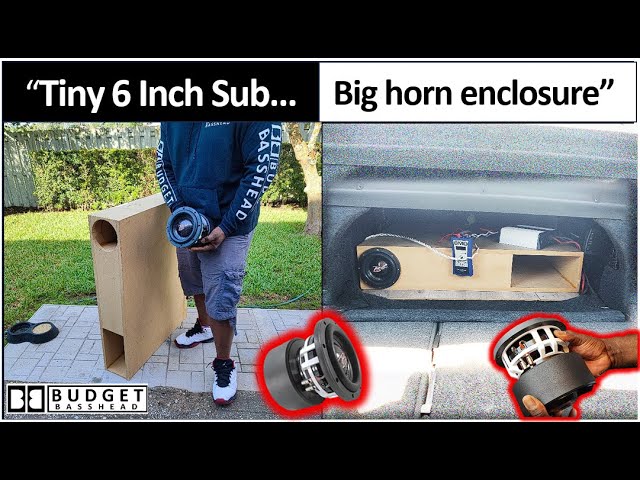
- Install subwoofers designed for home use or car use with a proper enclosure.
- Place subwoofers in corners or near walls for better bass response.
Using Bluetooth And Wireless Options
Modern car stereos often include Bluetooth features. Use Bluetooth to stream music wirelessly from phones or tablets. This removes the need for long cables and makes controlling music easier.
- Pair your device with the stereo via Bluetooth settings.
- Use wireless adapters if your stereo lacks Bluetooth.
- Keep devices close to the stereo for a stable connection.
Customizing Sound Profiles
Adjust sound settings to match your room and preferences. Most car stereos have equalizer controls to change bass, midrange, and treble levels. Custom sound profiles create the best listening experience for different music genres.
- Experiment with preset equalizer modes like rock, jazz, or pop.
- Save your favorite settings for easy access.
- Balance volume levels between speakers for clear sound.

Credit: www.reddit.com
Frequently Asked Questions
Can I Use A Car Stereo At Home?
Yes, you can use a car stereo at home. You’ll need a power supply that converts AC to DC power. Ensure the power supply matches the stereo’s voltage and amperage requirements. This setup will allow you to enjoy your car stereo’s features indoors.
What Power Supply Is Needed For Car Stereo?
A car stereo typically requires a 12V DC power supply. Ensure the power supply’s amperage matches or exceeds the stereo’s requirements. Choose a reliable power supply to avoid any damage. It’s essential for safe and efficient operation in a home setting.
How Do I Connect Car Stereo Speakers At Home?
To connect car stereo speakers, use speaker wires to connect them to the stereo’s outputs. Ensure the stereo’s impedance matches the speakers. Secure connections prevent audio issues. Test the setup for optimal sound quality. Proper wiring ensures a seamless audio experience indoors.
Can I Use A Car Stereo Without A Car Battery?
Yes, you can use a car stereo without a car battery. Use a compatible power adapter instead. It converts household AC power to the 12V DC needed. This allows the stereo to function correctly indoors. Ensure the adapter provides the necessary amperage to prevent issues.
Conclusion
Using a car stereo in your house can be simple and fun. It saves money and gives good sound quality. Just follow the steps carefully for safe setup. You can enjoy music, radio, or podcasts anywhere at home. Experiment with settings to get the best sound.
This setup works well in rooms without other speakers. Try it today and hear the difference. Easy, affordable, and effective. Why not give it a shot?