
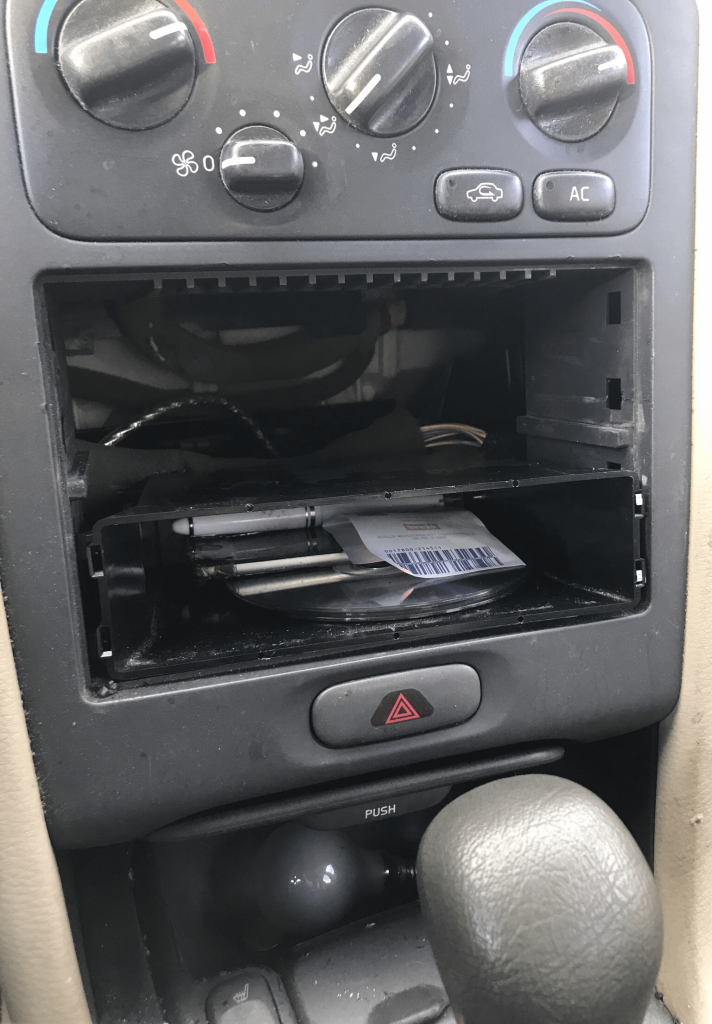
Thinking about how to steal a car stereo might sound risky, but understanding the process can help you protect your own vehicle. If you’ve ever worried about your stereo being stolen or simply want to know what thieves look for, this guide is for you.
You’ll learn the key steps involved and the tools used, so you can spot vulnerabilities and keep your car safe. Ready to uncover the inside secrets? Keep reading to find out everything you need to know.

Credit: www.reddit.com
Legal Risks And Consequences
Stealing a car stereo is a serious crime with heavy legal risks. The law treats theft with strict penalties. These consequences can affect your future deeply.
Understanding the legal risks helps you see why stealing is dangerous. The law does not take theft lightly. Penalties include fines, jail time, and a criminal record.
Criminal Charges For Theft
Theft of a car stereo is usually charged as a felony or misdemeanor. The severity depends on the value of the stolen item and local laws. Felony charges often lead to longer jail sentences and larger fines.
Possible Jail Time
Conviction for stealing a car stereo can result in jail time. Sentences vary by region but can range from months to years. Jail time disrupts life and limits future opportunities.
Fines And Financial Penalties
Court fines can be steep. They often include paying for the stolen stereo’s value. Additional fees might cover court costs and restitution to the victim.
Criminal Record Impact
A theft conviction creates a permanent criminal record. This record shows up in background checks. It can block jobs, housing, and education chances for years.
Legal Costs And Court Appearances
Defending theft charges costs money for lawyers and court fees. Court appearances take time and cause stress. Ignoring court dates worsens the situation with extra penalties.
Effects On Personal Life
Legal trouble from theft strains family and friendships. It causes emotional stress and loss of trust. The consequences extend beyond legal punishment.
Common Car Stereo Types
Car stereos come in different types. Knowing these types helps understand their design and removal process. Common car stereo types include factory systems and aftermarket models. Each has unique features and installation styles.
Factory Systems
Factory systems are installed by the car maker. They fit the car’s dashboard perfectly. These systems often blend with the car’s interior. They may have special features linked to the car’s electronics. Removing them can need specific tools. Sometimes, they have security codes for reactivation.
Aftermarket Models
Aftermarket models are added after the car is bought. They offer more options and upgrades. These stereos vary in size and shape. Installation can be simple or complex depending on the car. Many come with extra functions like Bluetooth or touchscreens. Removing these stereos is usually easier than factory ones.
Essential Tools For Removal
Removing a car stereo requires more than just brute force—it demands the right set of tools to do the job cleanly and efficiently. Having the correct equipment not only makes the process smoother but also minimizes damage to your car’s interior. Let’s break down the essential tools you’ll need to get started.
Screwdrivers And Pry Tools
Screwdrivers are the backbone of stereo removal. Most car stereos are secured with screws that vary in size and type, so having a set with both Phillips and flathead options is crucial.
Pry tools help you gently lift panels without scratching or cracking them. Plastic pry tools are especially useful because they reduce the risk of damage compared to metal ones. If you’ve ever tried to force a panel off with a screwdriver, you know how quickly things can go wrong.
Wiring Harness Adapters
Once the stereo is out, wiring can get complicated fast. Wiring harness adapters simplify this by letting you connect the new stereo without cutting or splicing wires.
These adapters are designed to fit specific car models, making your job easier and reducing the chance of electrical issues. Imagine trying to match dozens of wires by color and function—it’s a headache you can avoid with the right adapter.
Specialized Extraction Keys
Some stereos require specialized extraction keys to be removed. These keys fit into unique slots in the stereo frame, releasing the unit from its mount.
Without these keys, you might struggle or even break the stereo’s locking mechanism. Having the correct extraction keys for your specific stereo model can save you time and frustration, especially if you’ve never taken one out before.

Credit: www.threads.com
Preparation Before Removal
Preparing to remove a car stereo requires careful steps to avoid damage. Proper preparation protects the vehicle’s electrical system and interior. Taking time to prepare ensures a smoother removal process.
Disconnecting The Battery
Start by disconnecting the car battery. This step prevents electrical shorts and shocks. Use a wrench to loosen the negative terminal first. Remove the cable and secure it away from the battery. Do the same for the positive terminal if needed. Never skip this step to keep safety a priority.
Removing Trim Panels
Next, remove the trim panels around the stereo. These panels cover screws and clips holding the stereo in place. Use a plastic trim removal tool to avoid scratches. Gently pry the panels off starting at the edges. Keep the panels and screws organized for reinstallation. Handle panels with care to avoid breaking clips.
Step-by-step Removal Process
Removing a car stereo requires careful handling to avoid damage. Follow this clear process to take out the unit safely. Understanding each step helps in quick and smooth removal.
Accessing The Stereo Unit
Begin by removing the trim or dashboard panel around the stereo. Use a plastic pry tool to avoid scratches. Gently pull the panel away to reveal the stereo mounting screws. Keep the screws in a safe place for reinstallation.
Releasing Retention Clips
Locate the retention clips holding the stereo in place. Press or squeeze these clips carefully to release the stereo. Sometimes, a special removal key or tool fits into small holes on the stereo face. Use this tool to unlock the clips and slide the stereo out slowly.
Disconnecting Wiring
Once the stereo is free, look behind it for wiring connectors. Press the tabs on the connectors to unplug them safely. Be careful not to pull on the wires directly. Set the stereo and wiring aside after all connections are detached.
Handling Security Features
Car stereos come with security features to stop theft. Understanding these features helps avoid problems during removal. Some systems lock the stereo or need special codes to work again. Knowing how these work is key to handling security features safely.
Anti-theft Codes
Many car stereos need a code after power loss. This code stops thieves from using stolen stereos. Without the code, the stereo stays locked and useless.
Codes usually come with the car manual or a card. Some manufacturers store codes online for owners. Entering the wrong code too many times may lock the stereo permanently.
Locking Mechanisms
Some stereos have physical locks that stop removal. These locks may include special screws or clips. Removing them requires specific tools or knowledge.
Some cars use a frame or cage to hold the stereo tight. These parts prevent easy pulling out. Careful work is needed to avoid damage.
Common Challenges And Solutions
Stealing a car stereo is not as simple as it seems. Many face challenges that stop them quickly. Knowing the common problems helps avoid mistakes. Here, we discuss typical obstacles and how to handle them.
Identifying The Stereo Model
Car stereos come in many shapes and sizes. Each model may need a different tool or approach. Without knowing the exact model, removal becomes tough. Checking the stereo’s brand and design first saves time. This step guides which tools to use for removal.
Dealing With Anti-theft Features
Many stereos have built-in anti-theft locks. These locks keep the stereo fixed tightly in place. Trying to force the stereo out can cause damage. Using the right release keys or tools is essential. These tools unlock the stereo without breaking it.
Removing Hidden Screws And Clips
Some stereos have screws or clips hidden behind panels. These fasteners keep the stereo secure. Missing these can make removal impossible. Carefully removing panels and covers reveals these hidden parts. Using a flashlight helps find them quickly.
Handling Wiring Connections Safely
Wiring connects the stereo to the car’s power and speakers. Pulling the stereo without disconnecting wires can cause sparks. Disconnecting the battery before starting is safer. Gently unplugging wiring harnesses stops damage and shorts.
Working In Tight Spaces
Car dashboards have little room for hands and tools. This makes maneuvering tools tricky. Using slim, angled tools helps reach screws and clips. Patience and steady hands prevent breaking dashboard parts.

Credit: www.reddit.com
Tools For Reinstallation
Reinstalling a car stereo requires certain essential tools. These tools ensure the stereo fits securely and works properly. Using the right tools avoids damage to the stereo or car interior. The process becomes easier and faster with proper equipment.
Having these tools ready helps in a smooth and safe reinstallation. It also prevents frustration and saves time. Below are the main tools needed for reinstalling a car stereo.
Basic Screwdrivers
Flathead and Phillips screwdrivers are a must. They remove and tighten screws holding the stereo. Different cars use different screws, so having both types helps.
Panel Removal Tools
Plastic trim or panel removal tools protect the car’s dashboard. They help pry off panels without scratching. These tools prevent damage to the car’s interior trim.
Wire Connectors and Crimping Tool
Wire connectors join stereo wires safely. A crimping tool secures these connectors for a strong hold. This ensures good electrical connections and stereo performance.
Multimeter
A multimeter checks wiring and power supply. It confirms correct voltage and wiring connections. This tool helps avoid electrical problems after installation.
Mounting Kit
A mounting kit fits the stereo into the car’s dashboard. It includes brackets and screws designed for the specific car model. Using a kit ensures the stereo stays firmly in place.
Frequently Asked Questions
How Do Car Stereos Get Stolen Quickly?
Car stereos are often removed using basic tools like screwdrivers or pry bars. Thieves target models with removable faceplates. Quick removal minimizes the chance of getting caught. Familiarity with stereo mounting helps in fast theft. Anti-theft devices can deter quick stereo theft.
What Tools Are Commonly Used For Stereo Theft?
Thieves typically use screwdrivers, pry bars, and wire cutters. These tools help in dismantling the stereo and cutting security wires. Some may use specialized stereo removal keys for certain brands. Having the right tools speeds up the theft process. Quick tool use reduces detection risks.
Can Factory-installed Stereos Be Stolen Easily?
Factory-installed stereos are harder to steal as they are integrated into the dashboard. Removing them requires more time and skill. They often have additional security features. Thieves tend to avoid factory stereos due to complexity. Aftermarket stereos are generally easier targets.
What Are Common Signs Of A Stolen Car Stereo?
Signs include broken dashboard panels, loose wiring, and missing stereo units. Scratches or tool marks around the stereo area are common. The car may have a damaged faceplate or stereo mounting. Unusual dashboard damage often indicates theft attempts. Checking these signs helps identify stolen stereos.
Conclusion
Understanding the consequences of stealing a car stereo is crucial. It’s illegal and harmful. Respect others’ property and make ethical choices. Choose a lawful path. Find positive ways to channel skills and creativity. Consider learning about car audio systems legally.
Engage in honest pursuits for personal satisfaction. Remember, actions define character. Strive for integrity and responsibility. A good reputation matters. Building trust and respect leads to success. Embrace opportunities that promote growth. Life is full of better, legal options. Make choices that inspire others.
Be a role model in your community. Aim for a positive impact in the world.