What is a Good Wattage for Car Stereo: Ultimate Power Guide
Master Automotive Systems Engineer & Performance Vehicle Specialist at CarSpeedNest Automotive Testing Lab · ASE Certified Master Technician, Mobile Electronics Certified Professional (MECP Master), Certified Dyno Diagnostic Specialist · 14+ years in dyno testing, electronic sensor calibration, automotive wiring harnesses, and precision drivetrain maintenance
Are you wondering what wattage will make your car stereo sound just right? Choosing the right wattage for your car speakers can be confusing, but it’s key to getting clear, powerful music without damaging your system.
Whether you want booming bass or crisp highs, knowing the right wattage helps you enjoy every beat on the road. Keep reading to find out how to pick the perfect wattage for your car stereo and make every drive a concert-worthy experience.
Choosing The Right Wattage
Choosing the right wattage for your car stereo is more than just picking a number off the box. It directly impacts how your music sounds and how well your system performs. Understanding wattage helps you avoid distortion, protect your equipment, and enjoy clear, powerful audio every time you hit play.
How Wattage Affects Sound Quality
Wattage controls the power your stereo sends to the speakers. Too little power can make your music sound weak or flat, while too much can cause distortion or even damage your speakers. Finding the right balance is key to crisp highs, deep bass, and overall clarity.
Think about your favorite song—does it feel alive or muffled in your car? That feeling often comes down to wattage matching. Proper wattage lets your stereo deliver consistent volume without strain.
Matching Wattage To Speaker Type
Your speakers have specific power handling limits, usually listed as RMS (continuous power) and peak wattage. Matching your amplifier’s wattage to these limits ensures your speakers perform optimally without risk. For example, a speaker rated at 50 watts RMS should be paired with an amplifier delivering around 50 watts RMS per channel.
Using a higher wattage amp might seem better, but it can fry your speakers quickly. On the other hand, too low wattage means you won’t reach the full potential of your speakers. Always check the specs before making a choice.
Peak Vs Rms Wattage
Peak wattage is the maximum power a system can handle for a short burst, while RMS wattage is the continuous power it can handle without damage. RMS is the number you want to focus on when choosing wattage for your car stereo.
Imagine your stereo as an athlete: peak wattage is like sprinting, and RMS is the steady pace. You want your system to handle the steady pace well for long listening sessions. Ignoring RMS can lead to unexpected distortion or equipment failure.

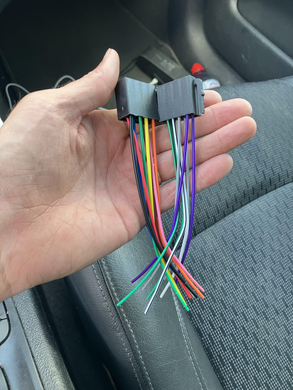
Credit: www.reddit.com
Power Needs For Different Car Sizes
Understanding the power needs of your car stereo depends greatly on the size of your vehicle. Different car sizes affect how sound travels and how much power you’ll need to fill the space with clear, rich audio. Knowing your vehicle’s size helps you pick the right wattage for an enjoyable listening experience without wasting energy or causing distortion.
Small Cars
In small cars, sound waves bounce quickly between close surfaces, so you don’t need extremely high wattage. A stereo system with around 20 to 50 watts per channel is usually enough to deliver crisp and full sound. If you crank it too high, you might get distortion or rattling, which can ruin your music.
Think about your daily drive—does your current system feel loud and clear, or do you struggle to hear bass and vocals? In many small cars, upgrading to a modest wattage amplifier and adding a compact subwoofer can transform your sound without overwhelming the space.
Midsize Cars
Midsize cars require more power because the cabin is larger and sound has more space to fill. Aim for 50 to 75 watts per channel to get balanced sound that reaches every corner of the vehicle. This wattage range often supports better bass response and clearer highs, enhancing your overall audio experience.
One time, I switched my midsize sedan’s stereo to a system in this wattage range, and it made a noticeable difference during road trips. The music stayed rich and detailed even at higher volumes, making every drive more enjoyable.
Large Vehicles
Large vehicles like SUVs, trucks, or vans demand more power to compensate for the bigger interior space. You’ll want a system providing 75 to 100 watts or more per channel to ensure sound penetrates throughout the cabin. Otherwise, your music might feel flat or muffled in the back seats.
Think about the last time you were in a large vehicle with a weak stereo—it’s frustrating when the sound doesn’t reach every passenger. Investing in higher wattage and good-quality speakers can solve that problem, giving everyone a great audio experience no matter where they sit.
Amplifier Wattage And Compatibility
Amplifier wattage plays a crucial role in how well your car stereo performs and how compatible it is with your speakers. Matching the amplifier’s power output with your speaker’s power handling ensures clear sound without damage. Understanding this balance helps you avoid common pitfalls like distortion or blown speakers.
Choosing An Amplifier
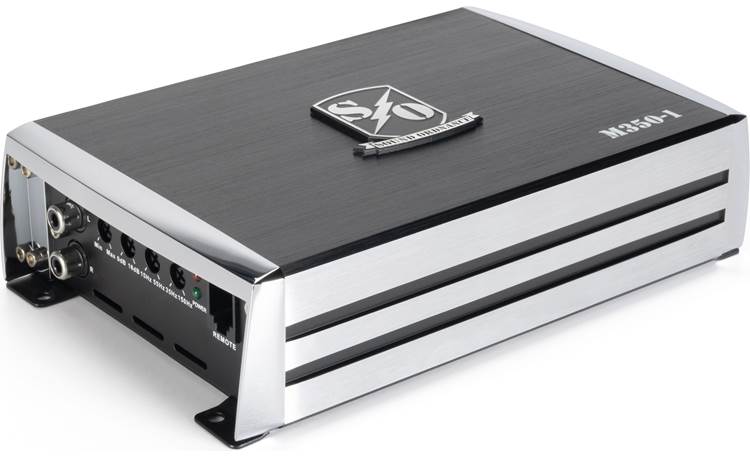
Pick an amplifier that matches your speaker’s RMS wattage rating, not just the peak wattage. RMS (Root Mean Square) is the continuous power the speaker can handle safely. For example, if your speaker can handle 100 watts RMS, choose an amplifier that delivers close to this wattage per channel.
Going slightly above the speaker’s rating can be okay, as it gives headroom without distortion. But too much power risks damaging your speakers quickly.
Avoiding Overpowering
Have you ever cranked up your stereo and suddenly heard a crack or pop? That’s often a sign of overpowering your speakers. If your amplifier outputs more wattage than the speaker can handle, it can cause permanent damage.
To avoid this, always check the speaker’s maximum power rating and avoid pairing it with an amplifier that delivers significantly more power. Using a fuse or limiters can also protect your system from accidental overpowering.
Wattage And Distortion
Distortion often creeps in when an amplifier is pushed beyond its wattage limits. If your amplifier can’t deliver enough power, it will strain and distort the sound, especially at higher volumes. This is why underpowered amps can sometimes sound worse than overpowered ones.
Think about your last drive—did the music sound muddy or crackly at loud volumes? That’s a sign your amp and speaker wattage aren’t compatible. Balancing wattage ensures clean, distortion-free sound even when you want to turn it up.
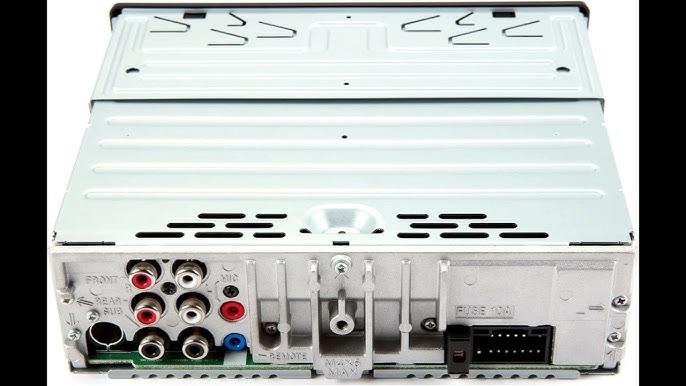
Credit: www.crutchfield.ca
Wiring And Electrical Considerations
Choosing the right wattage for your car stereo goes beyond just picking a powerful amplifier or speakers. Your wiring and electrical system must handle the load safely and efficiently to get the best sound without risking damage. Overlooking these details can lead to blown fuses, dimming lights, or worse—damage to your vehicle’s electrical system.
Battery And Alternator Capacity
Your car’s battery and alternator are the heart of your audio setup’s power supply. A high-wattage stereo demands more current, which can strain your existing electrical components.
If your alternator isn’t strong enough, you might notice flickering dashboard lights or a drained battery after long listening sessions. Upgrading to a high-output alternator or adding a secondary battery can prevent these issues and keep your system running smoothly.
Proper Wire Gauge
Using the right wire gauge is crucial to avoid voltage drops and overheating. Thicker wires carry more current safely, while thinner wires can cause power loss and potentially melt under heavy load.
Refer to a wire gauge chart to match your stereo’s wattage with the correct wire size. For example, a 50-100 watt system might be fine with 16-gauge wire, but anything above 300 watts usually requires 10-gauge or thicker wiring.
Fusing And Safety
Protect your stereo and vehicle by installing the correct fuses close to the battery. Fuses act as a safety barrier, cutting power if the current exceeds safe limits.
Use a fuse rated slightly above your system’s maximum current draw. This prevents electrical fires and equipment damage, giving you peace of mind while enjoying your music.
Common Mistakes In Wattage Selection
Choosing the right wattage for your car stereo is more than just picking a number off the shelf. Many people make common mistakes that can lead to poor sound quality or even damage to their equipment. Understanding these errors helps you avoid frustration and get the best audio experience from your system.
Underpowering Issues
Using an amplifier with too little wattage can sound safe, but it often causes problems. When your amp struggles to deliver enough power, it clips the signal, creating distortion. This distorted sound can damage your speakers faster than you’d expect.
Have you ever cranked your stereo expecting a clear, powerful sound but instead heard a fuzzy mess? That’s usually underpowering in action. To avoid this, match your amp’s wattage closely with your speaker’s needs—enough power to play loud without distortion.
Overpowering Risks
On the flip side, going too high with wattage might seem like getting more power is always better. But overpowering your speakers can literally blow them out. Feeding excessive wattage causes the speaker coils to overheat and fail.
Think about your car stereo like your car’s engine—you wouldn’t put a racecar engine in a small city car. Similarly, your speakers need a power level they can safely handle. Check the max wattage your speakers can take and avoid pushing beyond that limit.
Ignoring Speaker Ratings
Many skip reading speaker specifications and jump straight into buying amps. This is a big mistake because speakers come with clear wattage ratings—both RMS (continuous power) and peak power. Ignoring these ratings risks mismatching your system components.
Imagine buying shoes without checking the size. You want your amp’s wattage to align with your speaker’s RMS rating for consistent performance. Always look for this info on the speaker label or manual before making your choice.
Optimizing Sound With Correct Wattage
Getting the wattage right for your car stereo isn’t just about blasting louder music. It’s about striking a balance that enhances both volume and sound quality. Using the correct wattage can prevent distortion, protect your speakers, and deliver a rich listening experience that feels just right.
Balancing Volume And Clarity
Higher wattage doesn’t always mean better sound. If your amplifier’s wattage is too high for your speakers, you risk damaging them. On the other hand, too low wattage can cause distortion when you push the volume up.
Think about how you listen to music in your car. Do you prefer loud bass or clear vocals? Matching your wattage to your speakers ensures you get clean sound without unwanted fuzz. Have you ever noticed your music sounding muddy at high volume? That’s a sign your wattage setup might be off.
Setting Gain Levels
Gain controls adjust the input signal to your amplifier, and setting them correctly is key to optimizing wattage. Too high a gain can cause distortion, while too low results in weak output. Proper gain setting helps your stereo system deliver power efficiently.
Try this: start with the gain low and slowly increase it until you hear distortion, then back it off just a bit. This way, your amplifier works within its limits, protecting your speakers and improving sound clarity. Are you curious if your gain settings are harming your system?
Tuning For Best Performance
Tuning your car stereo involves more than just adjusting bass and treble. It requires fine-tuning the system to work with your wattage and speaker capabilities. This might mean tweaking equalizer settings or adjusting crossover points to avoid pushing your speakers beyond their limits.
Listening carefully to different genres of music helps you identify the best settings. You might find that rock sounds great with a boost in midrange, while classical benefits from clearer highs. Have you experimented with tuning your system to fit your favorite tracks?
Credit: www.diymobileaudio.com
Frequently Asked Questions
What Wattage Is Ideal For A Car Stereo System?
A good wattage for car stereos typically ranges from 50 to 100 watts per channel. This power level balances clear sound quality and protects your speakers from damage.
How Does Wattage Affect Car Stereo Sound Quality?
Higher wattage allows for louder, clearer sound without distortion. However, excessive wattage can damage speakers if they are not rated for it.
Can Low Wattage Damage My Car Speakers?
Low wattage generally won’t damage speakers but may cause distortion if pushed too hard. Using a proper wattage match ensures optimal performance.
Is Rms Wattage Or Peak Wattage More Important?
RMS wattage is more important as it shows continuous power handling. Peak wattage is momentary and less reliable for performance evaluation.
Conclusion
Finding the right wattage for your car stereo is crucial. It ensures good sound quality and avoids damaging your system. Aim for a balance between power and clarity. Most car stereos work well with 50 to 100 watts per channel.
This range suits most needs without overloading your car’s electrical system. Always consider your car’s size and speaker capabilities. Consult your manual or a professional for guidance. With the right wattage, enjoy your music comfortably. No need for overly loud settings.
Just clear, enjoyable sound. Happy listening!

Similar Posts