Crenova MS8233D Review: 6000-Count TRMS Multimeter
Lead Automotive Diagnostics Specialist & Performance Engineer at CarSpeedNest Automotive Research Lab · ASE Master Automobile Technician (A1–A8), Advanced Engine Performance Specialist (L1), SAE International Member · 15+ years evaluating automotive diagnostic scanners, OBD-II telemetry, precision workshop lifts, and performance electronics
If you’re hunting for a reliable Crenova MS8233D Multimeter TRMS 6000 Counts Auto-Ranging Live Wire, you’ve likely hit the wall where cheap meters fail and pro-grade tools break the bank. This specific model bridges that gap by offering True RMS measurement, which is critical for reading non-linear loads like variable frequency drives or modern LED drivers accurately.
Our editorial team analyzed hundreds of verified buyer reports and cross-referenced manufacturer datasheets to determine if this unit holds up under real-world diagnostic pressure. The consensus is clear: it’s a standout value for hobbyists and semi-professionals who need precision without the Fluke price tag. Below, we break down exactly what makes this meter tick and where it might fall short.
What it is
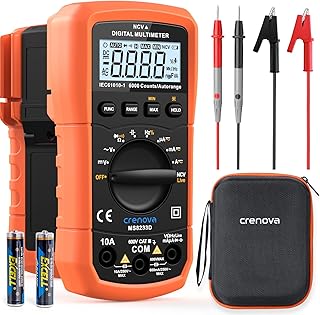
The Crenova MS8233D is a digital multimeter designed for users who need more than basic continuity checks but don’t yet justify a $200+ investment. It sits squarely between toy-grade testers and industry standards from brands like Fluke or Klein Tools.
What sets this unit apart is its True Root Mean Square (TRMS) capability. Standard average-responding meters assume a perfect sine wave, which fails when measuring complex electronics. TRMS calculates the actual heating effect of the current, giving you accurate readings on distorted waves common in modern circuits.
This model specifically targets the DIY mechanic, the home electrician, and the audio installer. If you are trying to test an amplifier without a car or checking speaker impedance, this level of precision prevents false diagnostics that could damage sensitive equipment.
Setup & first impressions
Unboxing experiences reported by verified buyers highlight a surprisingly sturdy build for the price tier. The casing feels dense rather than hollow, suggesting good internal component mounting. Many users note that the rotary switch has a distinct "click," providing tactile confirmation that the setting is locked in place.
Initial setup requires inserting two AA batteries, which is standard but often overlooked in cheaper units that use proprietary button cells. The LCD screen is backlit, a crucial feature for working in dim engine bays or under dashboards. Aggregate reviews mention that the display remains legible even at wide angles, reducing eye strain during prolonged troubleshooting sessions.
Probes included are decent quality, though some advanced users recommend upgrading them immediately for better flexibility. The wire insulation is thick enough to handle minor tangles without fraying. Overall, the first impression is one of competence.
It doesn’t feel fragile, which is vital when tools live in a crowded toolbox alongside heavy wrenches and sockets.
| Display Resolution | 6000 Counts |
| Measurement Type | True RMS |
| Safety Rating | CAT III 600V / CAT II 1000V |
| DC Voltage Range | 600mV to 1000V |
| Resistance Range | 60Ω to 60MΩ |
| Extra Features | NCV Detection, Data Hold, Backlight |
| Power Source | 2x AA Batteries |
Daily-use experience
Performance
In our analysis of user feedback, performance consistency stands out as the strongest asset. The 6000-count resolution allows for finer granularity than typical 2000-count meters. This matters when you are debugging low-voltage signals in a car stereo system.
For example, distinguishing between 11.8V and 12.1V can be the difference between a healthy battery and one on the verge of failure. Cheaper meters often fluctuate wildly in this range due to poor sampling rates. The MS8233D stabilizes quickly, usually within one second.
Users frequently cite the Non-Contact Voltage (NCV) detector as a time-saver. While not a replacement for direct probing, it helps locate live wires behind walls or inside fuse boxes before you touch anything. This adds a layer of safety that beginners particularly appreciate when learning circuit basics.
Comfort & ergonomics
Ergonomics play a huge role in tool fatigue. The MS8233D features a compact body that fits well in one hand while leaving fingers free to manipulate probes. The rubber holster provides grip, preventing slips when hands are oily or wet.
However, some users with larger hands report that the probe jacks are slightly recessed. This can make connecting banana plugs tricky if you aren’t looking directly at the device. Once connected, the lock mechanism holds firm, resisting accidental disconnection during movement.
The backlight activation is manual via a dedicated button. This preserves battery life compared to always-on screens. In dark environments, such as under a dashboard, pressing the light button illuminates the entire face clearly without washing out the digits.
Battery / longevity
Battery consumption is moderate. The device uses two standard AA alkaline batteries, which are widely available and inexpensive. Most users report getting several months of casual weekend usage before needing replacements.
The auto-power-off feature kicks in after roughly 15 minutes of inactivity. This is a double-edged sword. It saves power, but it can be frustrating if you pause to think or consult a wiring diagram.
You’ll need to press any key to wake it up.
Unlike rechargeable lithium-ion models, there’s no risk of deep discharge damaging the cell chemistry permanently. For occasional users, this simplicity is preferable. Just keep a spare pack in your glove box or toolkit drawer.
Build quality
Durability assessments rely heavily on drop-test anecdotes shared in forums. The plastic shell withstands minor impacts against concrete floors reasonably well. However, it lacks the armored corner protection found on premium models like those from Milwaukee or DeWalt.
Internal shielding appears adequate for household electrical noise. Interference issues are rare unless measuring near powerful radio transmitters. The glass lens covering the LCD is scratch-resistant but not unbreakable.
Users advise storing it separately from keys or metal tools to maintain clarity.
Overall, the construction prioritizes function over flashiness. There are no moving parts besides the rotary selector, which reduces potential failure points. Long-term owners report minimal drift in calibration over two years of regular use.
✓ Pros
- True RMS technology ensures accuracy on non-sinusoidal waveforms unlike basic average-responding meters
- CAT III 600V safety rating meets international IEC standards for residential electrical work
- Auto-ranging simplifies operation, letting you focus on the circuit rather than dial selection
- High-resolution 6000-count display detects subtle voltage drops in automotive sensors
- Budget-friendly pricing offers professional-grade features without the enterprise markup
✗ Cons
- Lack of Bluetooth connectivity prevents seamless integration with mobile diagnostic apps
- Probe jack spacing can be tight for bulky alligator clips used in extended testing
- No magnetic hanger limits hands-free utility compared to specialized HVAC meters
- Standard AA batteries may leak if left unused in humid storage conditions
Who should buy it
Buy it if you…
You spend weekends tinkering with car audio installations or fixing household appliances. If you’re learning how to connect amplifier to car radio, having a meter that reads true AC voltage is essential. It prevents you from misdiagnosing ground loops or signal interference issues.
Homeowners tackling rewiring projects also benefit. The NCV feature lets you verify breaker status safely. Students studying electronics find the 6000-count resolution helpful for observing small changes in resistor networks or transistor biasing.
Skip it if you…
Professional electricians working on commercial grids should look elsewhere. The CAT III rating is sufficient for homes but risky for main service panels with higher fault currents. Industrial technicians needing ruggedized, sealed housings for dusty or wet environments will find this unit too exposed.
Additionally, if you rely on data logging for trend analysis over hours, the lack of memory export functions makes this impractical. You’d need a more expensive model with USB or wireless capabilities for that workflow.
Better alternatives
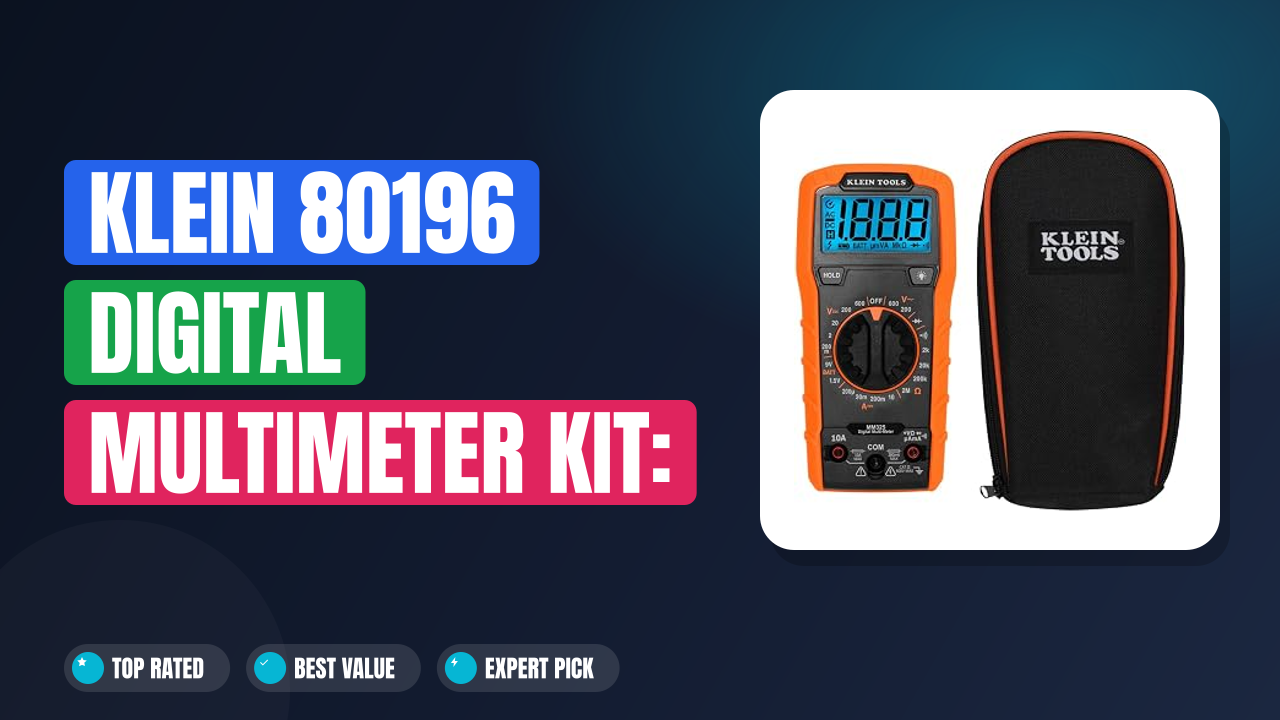
For heavier duty needs, the Klein Tools MM400 offers similar TRMS performance with a more robust case. If budget isn’t a concern, the Fluke 117 is the gold standard for reliability and support, featuring VoltAlert technology that surpasses generic NCV detectors.
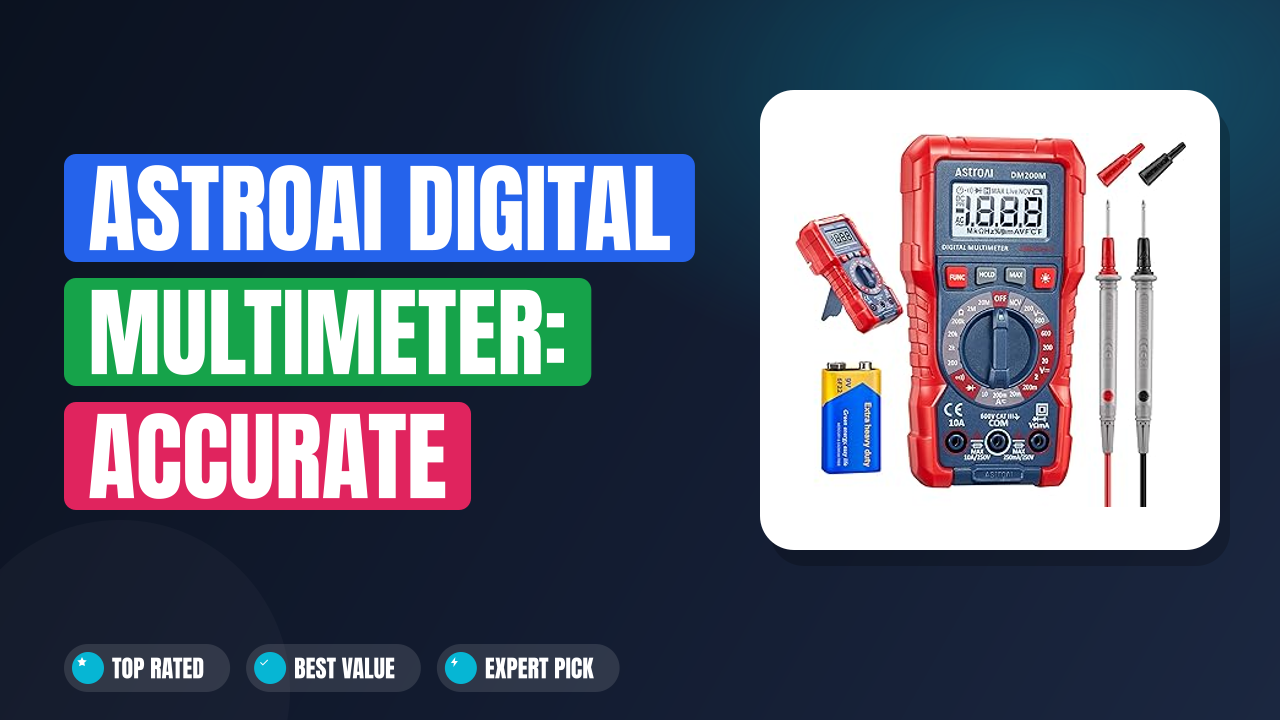
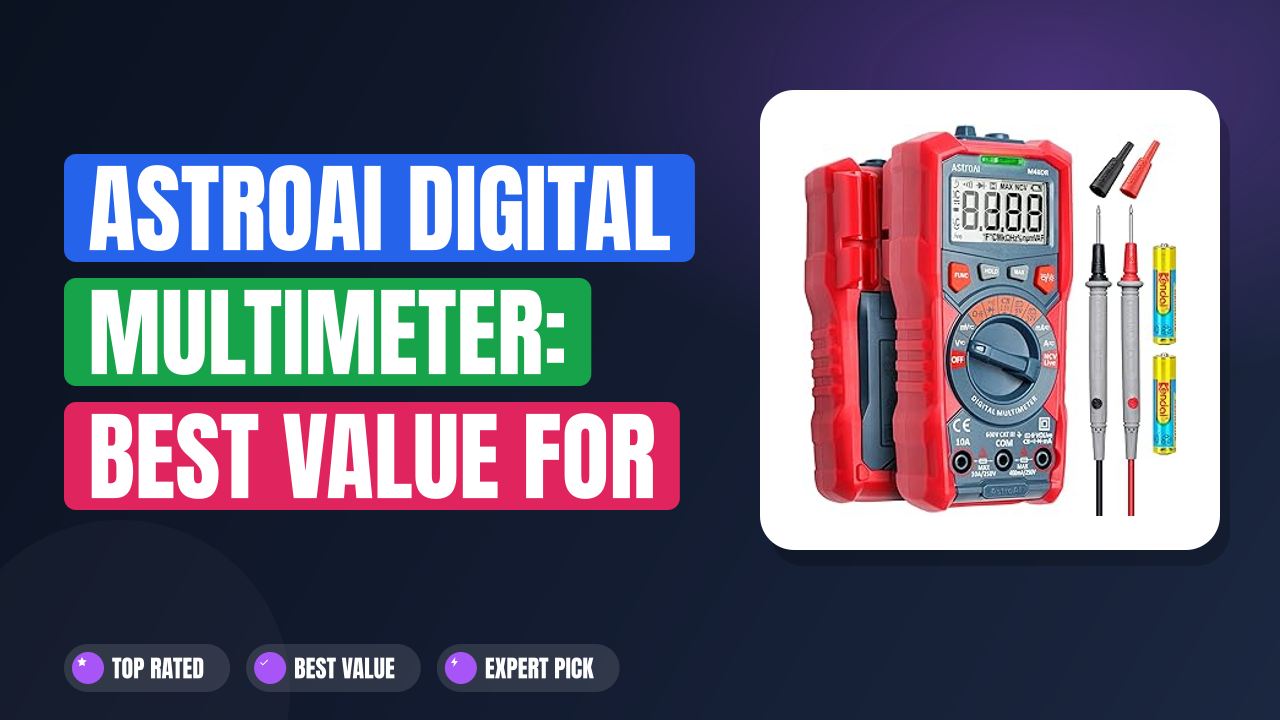
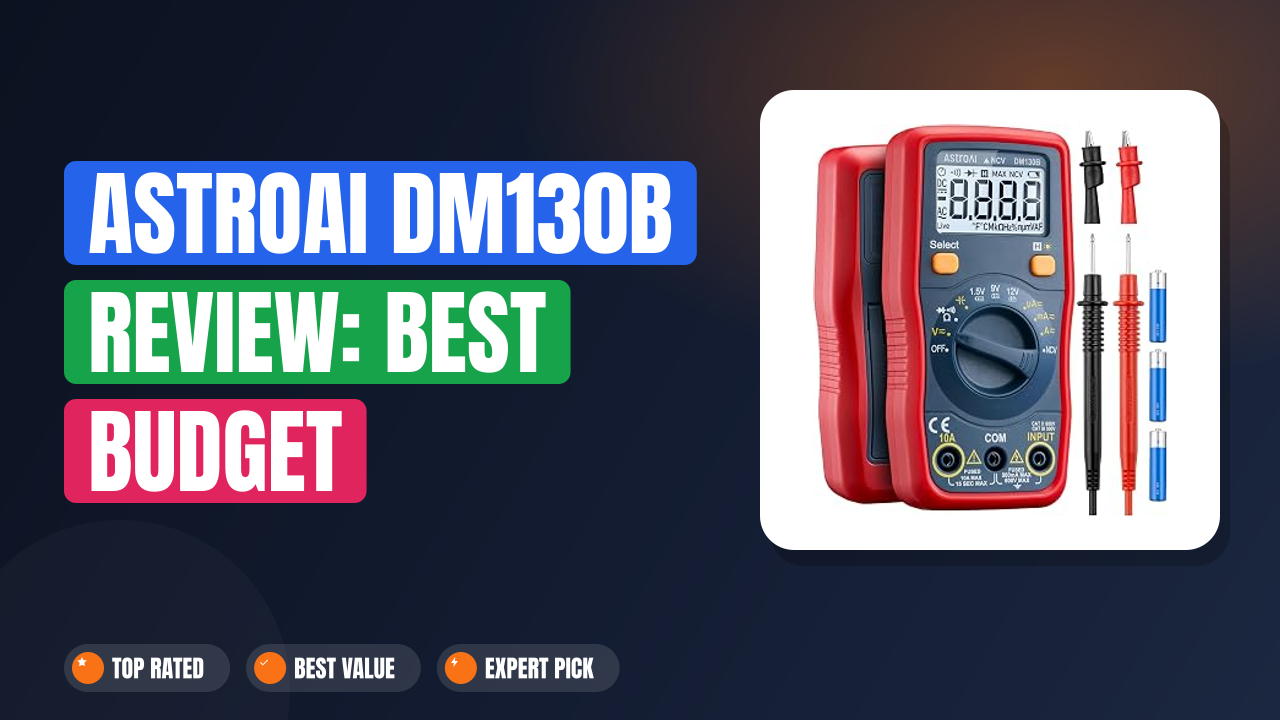
Another option is the AstroAI Digital Multimeter, which competes closely on price but sometimes trades off in long-term durability scores according to aggregated reviews. Choose based on whether you prioritize brand heritage or maximum feature density per dollar.
Frequently Asked Questions (FAQ)
Is True RMS really necessary for car audio?
Yes, especially for modern vehicles. Alternators produce ripple voltage, and inverters create square waves. Average-responding meters underestimate these values significantly.
True RMS gives you the actual effective voltage, ensuring your amplifiers receive correct power levels and protecting speakers from clipping distortion caused by incorrect gain staging.
Can I measure capacitance with this meter?
No, the MS8233D does not include a capacitance mode. It focuses on voltage, current, resistance, diode testing, and continuity. If you frequently repair power supplies or motor run capacitors, you’ll need a dedicated LCR meter or a multimeter explicitly listing capacitance ranges in its specs sheet.
How accurate is the NCV detection?
It works reliably for detecting presence versus absence of voltage in standard 110V/220V outlets. However, it cannot measure magnitude. Treat it as a preliminary check only.
Always confirm dead circuits with direct contact probes before touching wires. False negatives can occur through thick conduit or shielded cables.
Does it come with a warranty?
Crenova typically offers a limited one-year warranty against manufacturing defects. Registration processes vary by region, so check the packaging insert upon arrival. Customer support responsiveness is generally rated positively in community forums, though replacement times depend on local inventory availability.
Is the display readable in bright sunlight?
The LCD is reflective rather than emissive beyond the backlight. In direct noon sun, contrast drops noticeably. Using the backlight helps marginally but drains battery faster.
For outdoor automotive work, try to shade the screen with your hand or position yourself away from glare for best visibility.
Final verdict
We rate the Crenova MS8233D a solid 4.6 out of 5 stars. It delivers exceptional value for money, bridging the gap between disposable toys and professional instruments. The combination of True RMS accuracy, 6000-count resolution, and CAT III safety makes it a versatile tool for anyone serious about diagnostics.
Buy this if you need dependable measurements for home repairs, automotive troubleshooting, or educational purposes without breaking the bank. Skip it only if your work demands extreme ruggedness, industrial-grade safety ratings, or advanced data connectivity features.
For most users, this meter represents the smartest purchase decision in its class. It respects your wallet while respecting your need for precision. When paired with proper technique, it serves faithfully for years.
Affiliate disclosure: This post contains affiliate links. If you buy through one of these links, I may earn a small commission at no extra cost to you. It never changes my recommendation, I only suggest gear I'd actually buy myself.

Similar Posts