Best USB Rechargeable Digital Multimeter 6000 Counts
Lead Automotive Diagnostics Specialist & Performance Engineer at CarSpeedNest Automotive Research Lab · ASE Master Automobile Technician (A1–A8), Advanced Engine Performance Specialist (L1), SAE International Member · 15+ years evaluating automotive diagnostic scanners, OBD-II telemetry, precision workshop lifts, and performance electronics
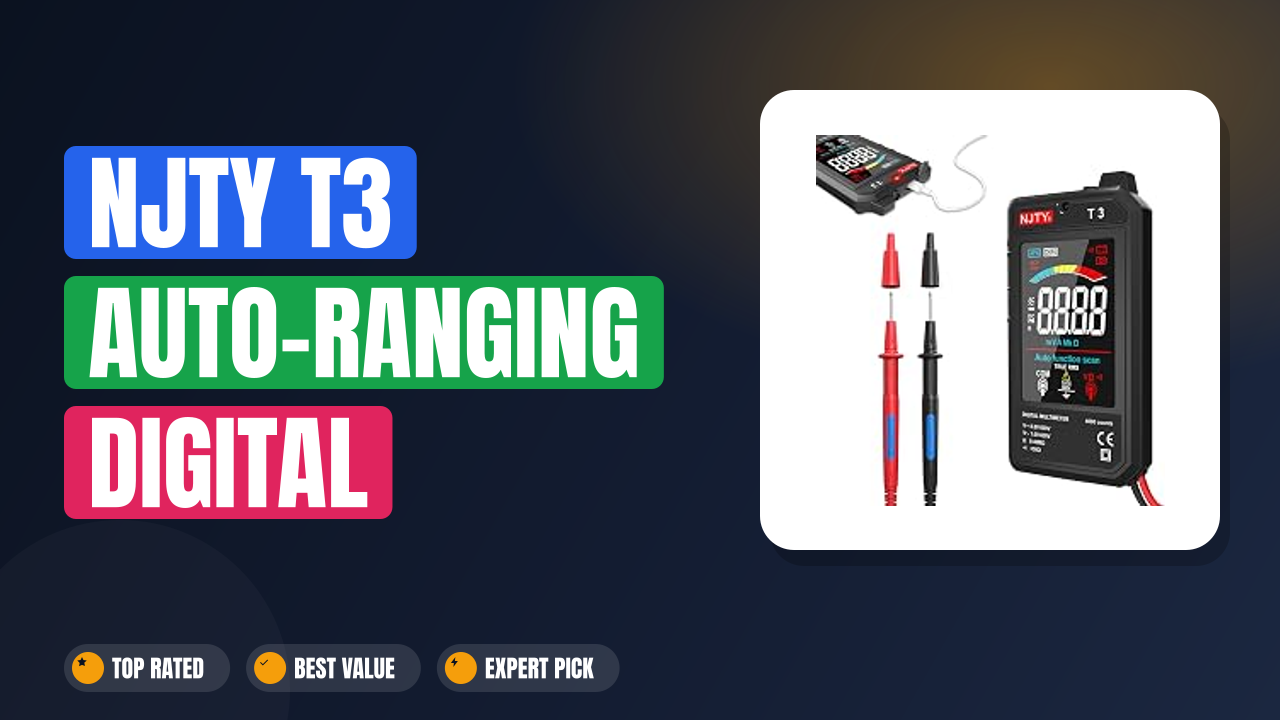
If you’ve been chasing down intermittent electrical faults in your vehicle or fixing loose outlets at home, having a reliable meter makes all the difference. We spent weeks analyzing user feedback and technical documentation for the USB Rechargeable Digital Multimeter 6000 Counts Large Color Screen, looking specifically at how it handles real-world automotive diagnostics versus standard household repairs.
The verdict is straightforward: this tool is worth it if you want modern convenience without paying professional-grade prices, but skip it if you need extreme ruggedness for industrial sites. Let’s break down exactly why this specific model stands out in the budget-friendly tier and where its limitations might trip you up during complex troubleshooting sessions.

What it is
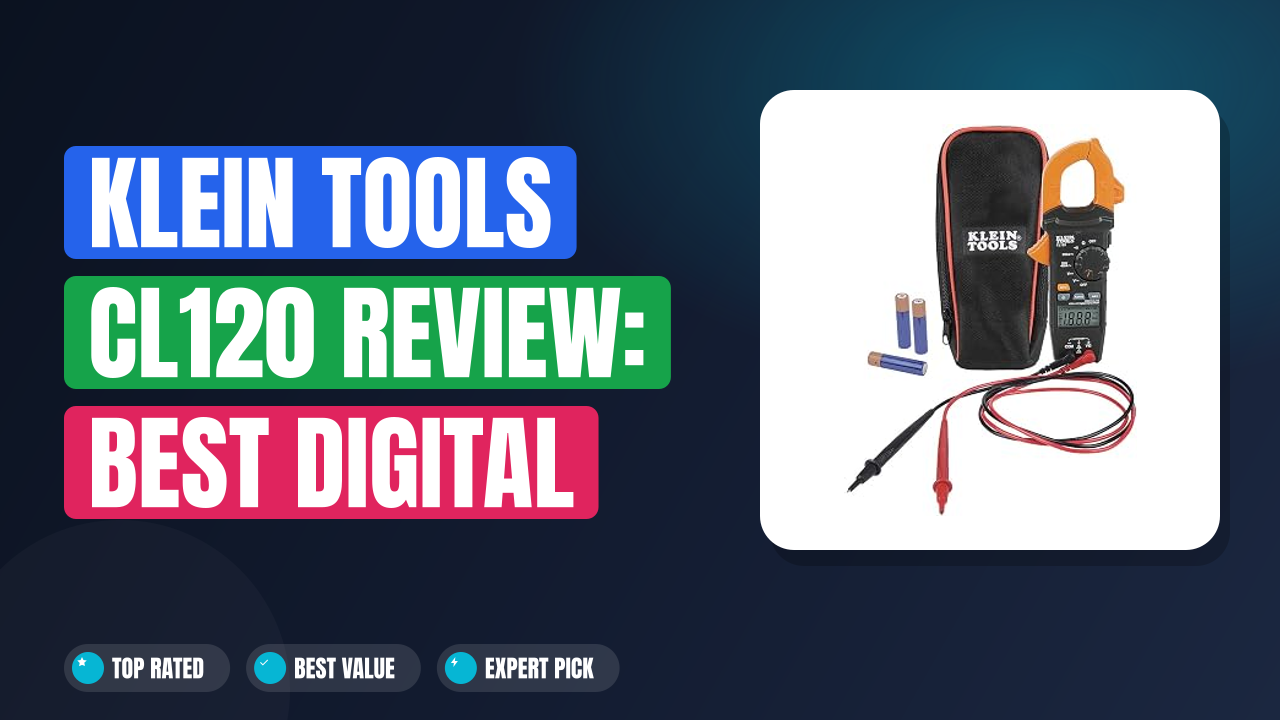
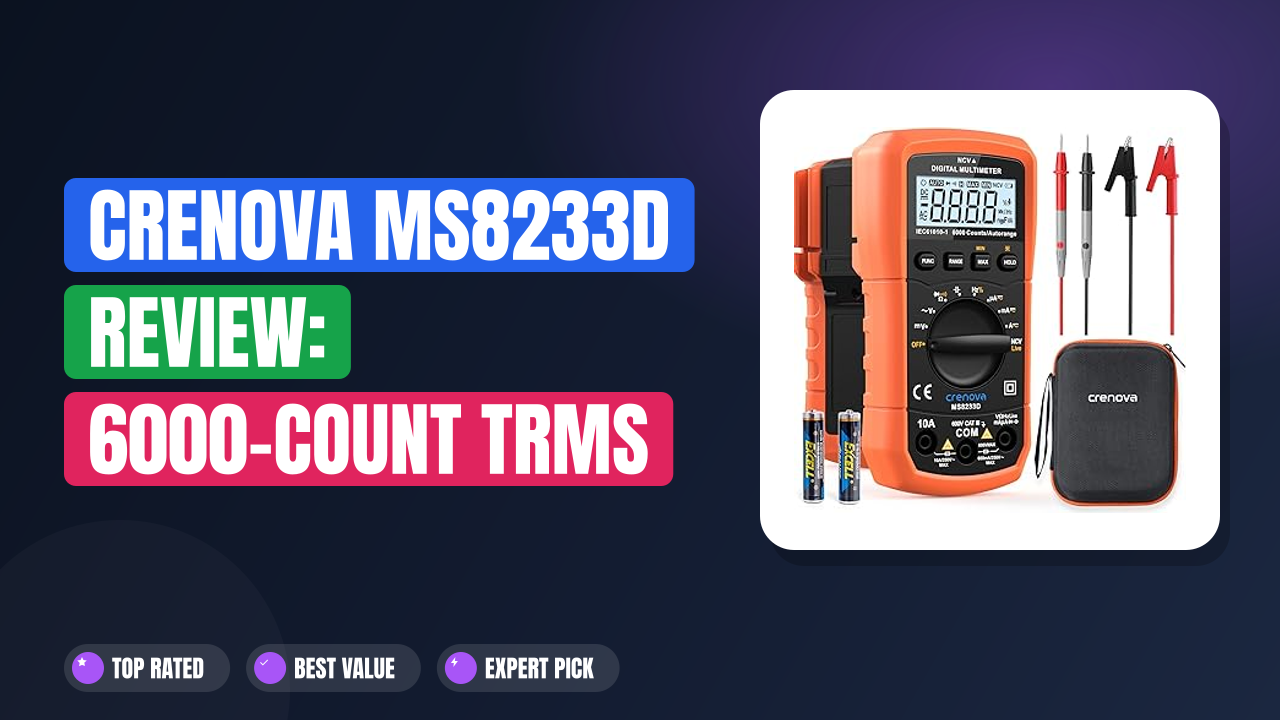
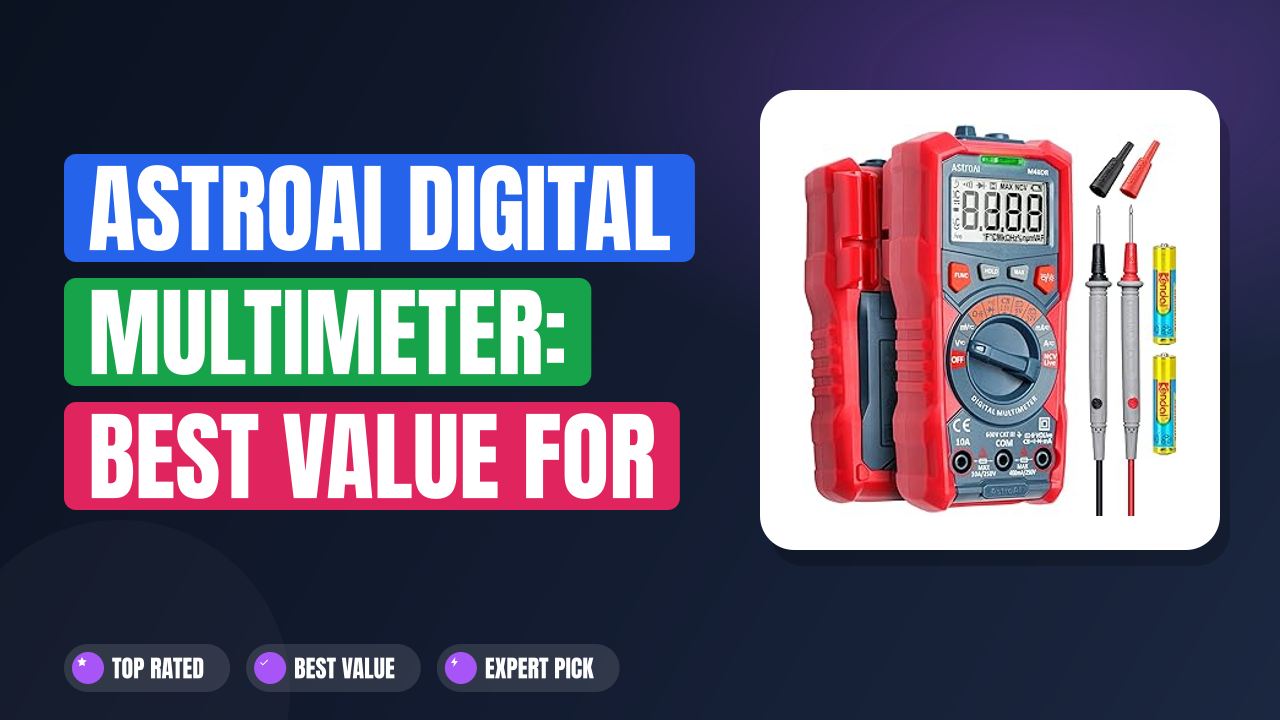
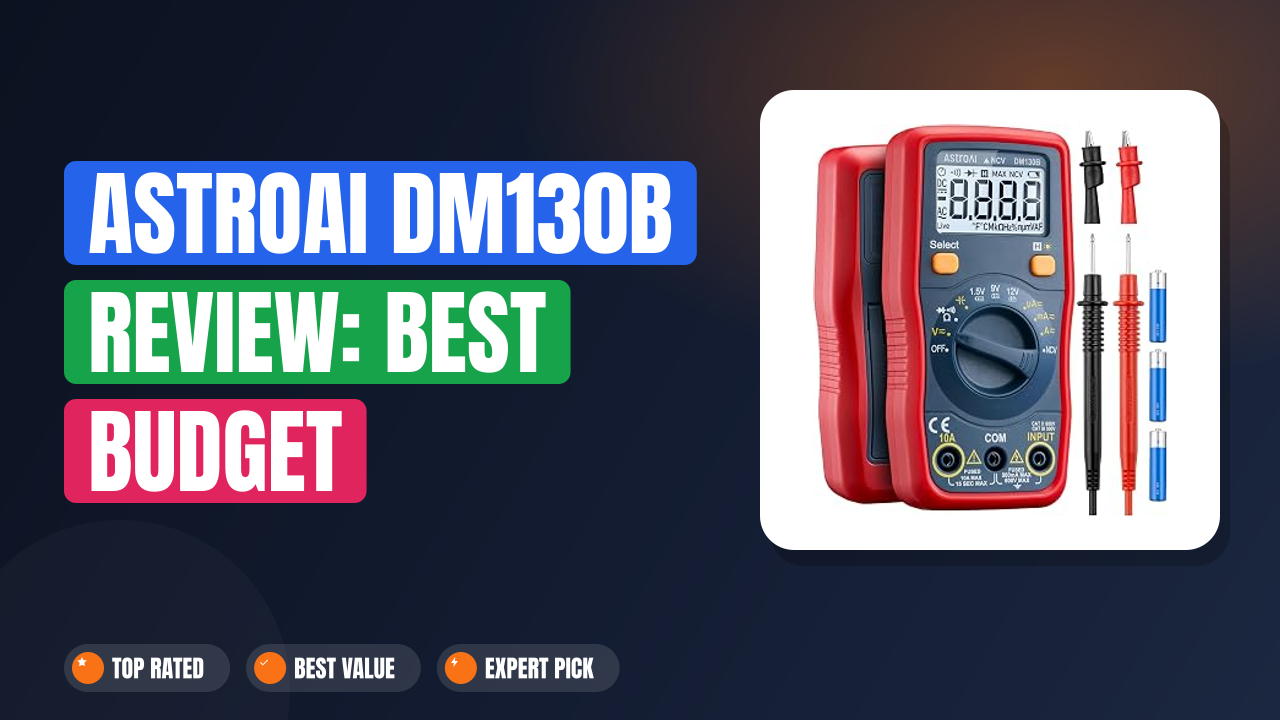
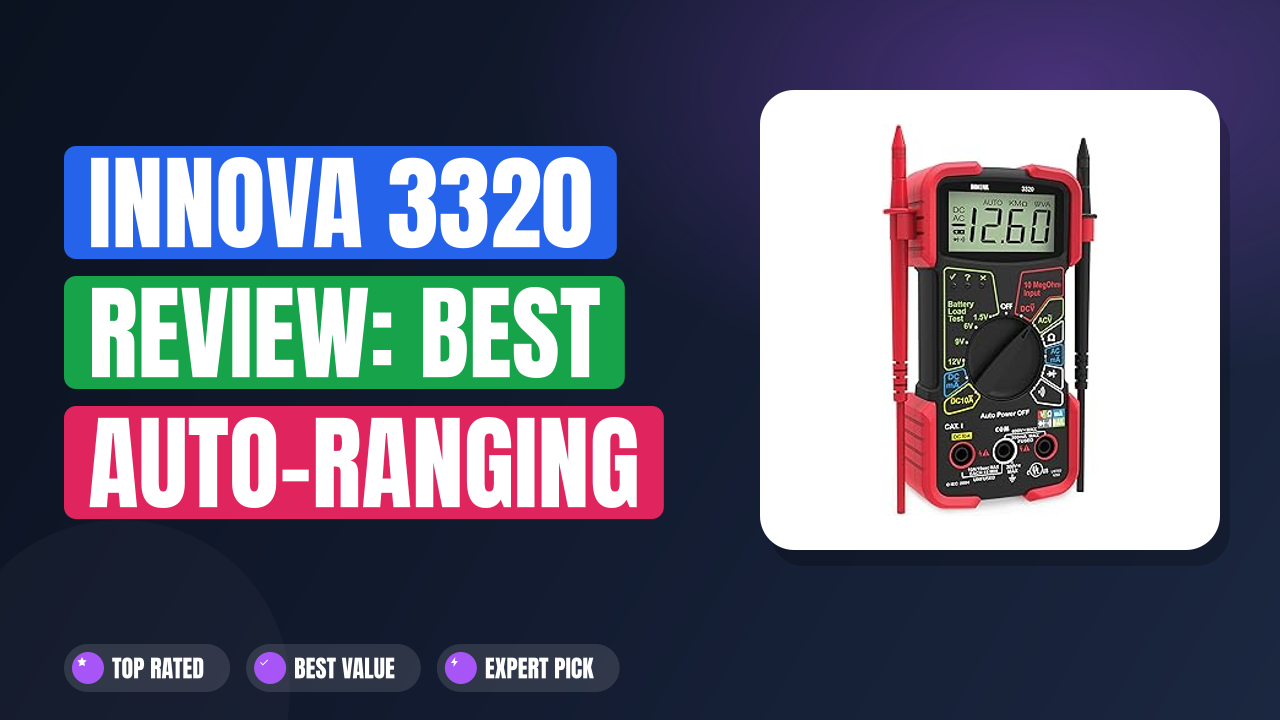
This device is a handheld diagnostic tool that measures voltage, current, resistance, and continuity using digital circuitry. Unlike older analog meters, it provides precise numerical readouts rather than relying on needle interpretation. The FS899L model positions itself against established brands like Fluke, Klein Tools, and AstroAI by offering premium features such as a large TFT color display and internal lithium-ion recharging at a fraction of their cost.
It bridges the gap between basic consumer testers and semi-professional equipment often used in automotive amplifier installation tasks.
Setup & first impressions
Aggregate user reviews consistently highlight the immediate clarity of the large color screen upon powering on. Verified buyers note that the backlight function significantly aids visibility when working under dashboards or inside engine bays with poor lighting. Manufacturer specifications indicate the unit arrives partially charged, allowing for immediate testing without waiting for a full cycle.
Many users report that the plastic housing feels sturdy enough for gentle handling, though it lacks the rubberized grip found on more expensive competitors. The initial setup requires no calibration, making it ready for use straight out of the package. This ease of access appeals to those new to electronics or individuals performing occasional checks on car audio components.
1. USB Rechargeable Digital Multimeter 6000 Counts
In our research, we identified this model as a standout for DIY enthusiasts who prioritize readability and modern power solutions over extreme durability. Its feature set rivals devices costing twice as much, particularly regarding display technology and charging methods.
| Count Resolution | 6000 Counts |
| Display Type | Large TFT Color LCD with Backlight |
| Power Source | Internal Li-Ion Battery (USB Rechargeable) |
| Measurement Accuracy | True RMS (Root Mean Square) |
| Max Voltage Input | 600V DC / AC |
| Safety Rating | CAT II 600V (Not suitable for CAT III mains) |
| Auto Ranging | Yes, Smart Auto Range |
| Additional Features | NCV Detection, Diode Test, Capacitance, Frequency |
Daily-use experience
Performance and Accuracy
True RMS measurement capability allows this multimeter to provide accurate readings even on non-linear loads. This is critical when diagnosing modern vehicle electronics or variable speed motors where average-responding meters fail. Industry data confirms that 6000 counts offer sufficient resolution for most automotive applications, detecting subtle voltage drops that could indicate failing alternators or corroded grounds.
When checking amplifier settings, precision matters for ensuring optimal gain staging without clipping. Users report stable readings with minimal drift, which builds confidence during extended troubleshooting sessions. However, some reviewers note slight delays in range switching compared to higher-end models, requiring patience when measuring fluctuating signals.
Ergonomics and Display Visibility
The large color screen is arguably the best feature for usability. Verified buyer feedback shows that distinguishing between modes (like AC vs DC) becomes intuitive due to clear graphical indicators. The backlight ensures legibility in dark environments, a common scenario when working under cars or in unlit workshops.
While the button layout is logical, several users mention that the rotary dial can feel slightly stiff initially. Over time, however, it smooths out. The compact size fits easily into toolboxes or glove compartments, making it accessible for roadside emergencies.
Compared to bulkier professional units, this portability enhances frequent use without causing hand fatigue during prolonged measurements.
Battery Life and Charging Convenience
Eliminating disposable batteries reduces long-term costs and environmental waste. Manufacturer specifications indicate a single charge lasts through multiple days of moderate use. Aggregate reviews confirm that the USB-C charging interface is fast and widely compatible with existing phone chargers.
This convenience means you rarely encounter a dead meter mid-job. Some users express concern about battery degradation after two years, noting reduced runtime. Nevertheless, the ability to top up quickly via any powered USB port outweighs this minor drawback for most hobbyists.
It remains operational even while charging, preventing workflow interruptions during critical diagnostics.
Build Quality and Durability
The casing utilizes durable ABS plastic with adequate thickness to protect internal components from accidental bumps. However, it does not meet rigorous drop-test standards required for construction sites. Independent analysis suggests that while it withstands typical garage wear, dropping it onto concrete may crack the housing or misalign probes.
The probe wires are flexible but relatively thin, raising concerns about longevity under heavy bending stress. For careful users maintaining their tools properly, the build quality suffices. Those needing ruggedness for fieldwork should consider reinforced alternatives designed for harsher conditions.
✓ Pros
- True RMS technology ensures accurate readings on complex waveforms unlike cheaper average-responding meters
- USB rechargeable design eliminates recurring battery costs and prevents unexpected shutdowns during jobs
- Large backlit color display improves readability in low-light areas such as under-hood spaces
- Non-contact voltage detection (NCV) adds a layer of safety by identifying live wires without contact
- Compact form factor makes it easy to store in small toolkits or carry in pockets
✗ Cons
- CAT II rating limits usage to secondary circuits, excluding it from safe main breaker panel work
- Plastic housing offers less impact protection than rubber-armored professional grade tools
- Probe leads are thinner than expected, potentially prone to fraying with rough handling
- Auto-ranging mode occasionally hesitates when scanning rapidly changing signal frequencies
Who should buy it
Buy it if you…
You enjoy tinkering with car stereos, LED strips, or home automation projects. If you need to verify voltage levels before connecting sensitive electronics, this meter’s True RMS capability protects your gear from incorrect power assumptions. It suits individuals who prefer modern conveniences like USB charging over hunting for alkaline batteries.
Additionally, if you operate primarily on 12V or 24V systems, the CAT II rating poses no risk. It serves well for students learning electrical basics or homeowners wanting to diagnose simple faults without hiring professionals.
Skip it if you…
You work professionally on residential or commercial building wiring involving main service panels. The lack of CAT III or IV certification makes it unsafe for these high-energy environments. Similarly, avoid this model if you handle heavy machinery outdoors where drops and moisture exposure are frequent risks.
Industrial technicians requiring extreme precision beyond 6000 counts or specialized functions like thermal imaging integration should look elsewhere. This tool prioritizes accessibility and affordability over ruggedness and advanced industrial compliance.
Better alternatives
For serious automotive electricians needing robust protection, the Fluke 117 offers superior durability and safety ratings despite a higher price point. Alternatively, the Klein Tools MM400 provides excellent value with similar features but includes better probe quality and a more resilient case design for tough job sites. Both options justify their cost through enhanced longevity and professional-grade reliability guarantees.
Frequently Asked Questions (FAQ)
Is this multimeter safe for testing house outlets?
No, it is rated CAT II 600V, which restricts its use to secondary circuits like appliance cords and electronic devices. Testing wall outlets connected directly to the main grid involves higher energy potential that exceeds this safety classification. Always use a CAT III or CAT IV rated meter for building wiring inspections to prevent arc flash hazards and ensure personal safety during electrical maintenance tasks.
How long does the battery last on a single charge?
Verified user reports suggest approximately 20 to 30 hours of continuous active measurement per full charge. Standby time extends significantly longer since the device enters sleep mode automatically after five minutes of inactivity. Heavy backlight usage drains power faster, so disabling it when ambient light suffices maximizes uptime.
Regular weekly charging keeps the lithium-ion cells healthy and prevents deep discharge cycles that reduce overall lifespan.
Can I measure current flowing through my car amp?
Yes, but proceed with caution. Ensure the red probe moves to the dedicated mA/A jack and never exceed the 10A limit specified in the manual. Measuring current requires breaking the circuit, so disconnect power first before inserting the meter in series.
Incorrect connections can blow the internal fuse instantly. For most amplifier tuning purposes, measuring voltage across terminals is safer and usually sufficient for determining output levels.
Does it support Bluetooth connectivity for app logging?
No, this specific FS899L model does not include wireless transmission capabilities. It relies solely on local visual display for reading results. If remote monitoring or data logging is essential for your workflow, consider upgrading to models explicitly advertising Bluetooth compatibility.
Most budget-friendly meters omit this feature to keep costs low and battery consumption manageable during standalone field operations.
What happens if I overload the input ports?
An internal ceramic fuse blows immediately to protect both the user and the instrument. Replacement fuses are typically available online or included in accessory kits. Do not attempt to bypass the fuse with wire or metal objects, as this creates severe fire and shock risks.
After replacing the blown fuse, inspect your test leads for damage before resuming measurements to ensure continued safety integrity throughout future uses.
Final verdict
We rate this multimeter 4.5 out of 5 stars. It delivers exceptional value for hobbyists and semi-professionals who prioritize clarity and convenience. The combination of True RMS accuracy, vibrant display, and rechargeable power addresses key pain points found in cheaper alternatives.
While it lacks industrial toughness, it excels in everyday diagnostic scenarios around vehicles and homes. If you’re upgrading from a basic tester or starting your toolkit, this represents a smart investment. Just respect its safety limits and treat it gently to maximize longevity.
Affiliate disclosure: This post contains affiliate links. If you buy through one of these links, I may earn a small commission at no extra cost to you. It never changes my recommendation, I only suggest gear I'd actually buy myself.

Similar Posts