
How to Stop Car Speakers from Rattling: Easy Fixes That Work
Do your car speakers rattle every time you turn up the volume? That annoying buzz can ruin your favorite songs and make every drive less enjoyable.
But you don’t have to live with it. You can stop those rattles and enjoy clear, powerful sound in your car. You’ll discover simple, effective ways to fix speaker rattling once and for all. Keep reading, and get ready to transform your car’s audio experience.
Credit: www.diymobileaudio.com
Causes Of Speaker Rattling
Speaker rattling can ruin your car audio experience, turning what should be clear and crisp sound into annoying noise. Understanding what causes this rattling helps you fix it effectively. Let’s look closely at the common reasons behind speaker rattling so you can tackle the problem with confidence.
Loose Speaker Mounts
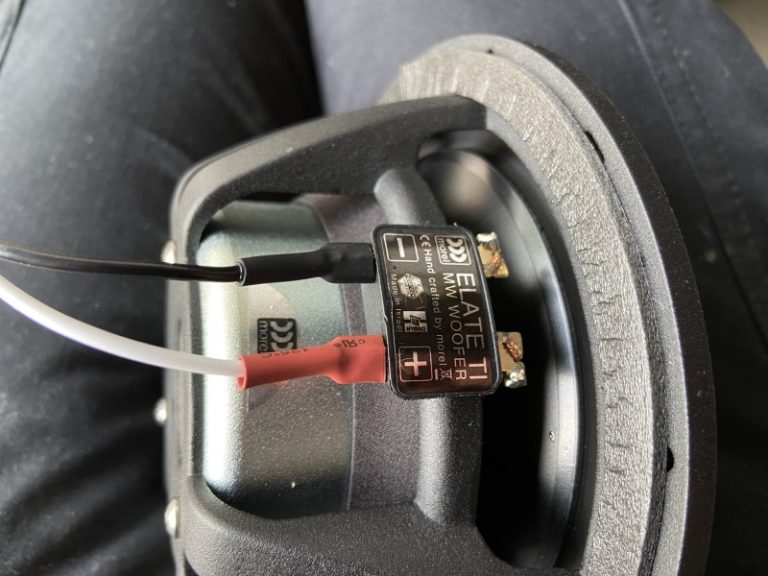
One of the main causes of rattling is loose speaker mounts. When screws or clips holding the speaker aren’t tight enough, vibrations cause the speaker to move and rattle against the mounting surface.
Have you ever noticed that tightening a single screw can stop the noise immediately? That’s because securing the speaker firmly prevents unwanted movement and vibrations.
Worn Out Speaker Components
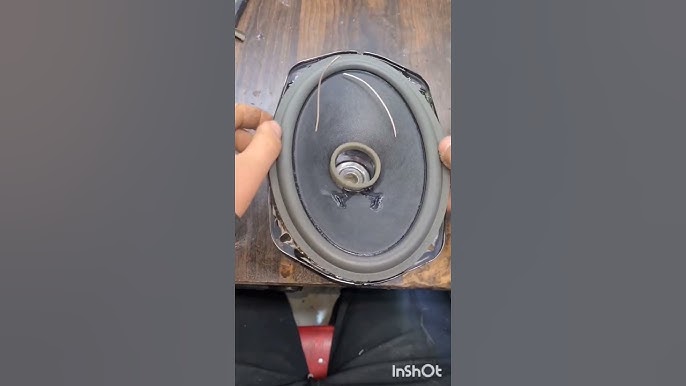
Speakers wear down over time, especially if exposed to moisture or extreme temperatures. The cone, surround, or spider might weaken or tear, leading to rattling sounds.
If your speaker cone looks damaged or feels loose when you press it gently, it’s a sign the internal components need repair or replacement.
Poor Door Panel Fit
Sometimes, the rattling isn’t from the speaker itself but from the door panel around it. If the panel isn’t fitting snugly, it can vibrate with the speaker’s sound waves.
Try pressing around the door panel while playing music. If the noise changes or stops, you’ve found the culprit. Securing or adjusting the door panel can solve the problem quickly.
Low-quality Speaker Materials
Cheap speakers often use materials that don’t handle vibrations well. Plastic mounts, thin cones, or weak adhesives can all cause rattling, especially at higher volumes.
Have you upgraded your car speakers before? Choosing well-made components with sturdy materials significantly reduces rattling and improves sound quality.

Credit: bossaudio.com
Tools And Materials Needed
Stopping car speakers from rattling needs the right tools and materials. Having these ready makes the job easier and more effective. Each tool plays a key role in fixing the issue.
Choose quality materials to ensure long-lasting results. Using the correct items helps reduce noise and vibration effectively.
Screwdrivers And Wrenches
- Phillips and flathead screwdrivers for removing speaker covers
- Socket wrench set for loosening bolts and screws
- Trim removal tools to avoid damage to door panels
Sound Deadening Materials
- Butyl rubber sheets for damping vibrations
- Mass loaded vinyl (MLV) to block sound transmission
- Closed-cell foam mats to absorb sound waves
Foam Tape And Weatherstripping
- High-density foam tape to fill gaps and cushion parts
- Self-adhesive weatherstripping for sealing edges
- Neoprene strips for extra vibration isolation
Replacement Parts
- New speaker mounting screws or clips
- Speaker gaskets or sealing rings
- Speaker surrounds or cones if damaged
Securing Loose Speakers
Loose car speakers cause annoying rattles and reduce sound quality. Securing them stops vibrations and improves audio clarity. Fixing loose speakers is simple with basic tools and parts. Focus on making sure the speaker fits tightly in its place. Small adjustments can make a big difference in sound performance.
Tightening Screws And Bolts
Check all screws and bolts holding the speaker. Use a screwdriver or wrench to tighten them firmly. Loose screws allow the speaker to move and vibrate. Tighten carefully to avoid stripping the threads. Regularly inspect screws for looseness caused by road bumps.
Using Additional Mounting Brackets
Mounting brackets add extra support to loose speakers. Attach brackets between the speaker and the car panel. This reduces movement and rattling during drives. Choose brackets that fit your speaker size and shape. Secure brackets tightly with screws for stable installation.
Replacing Broken Clips
Broken clips fail to hold speakers securely in place. Remove damaged clips and replace them with new ones. Use clips designed for your car model and speaker type. Proper clips prevent the speaker from shifting and causing noise. Always keep spare clips in your car for quick fixes.
Applying Sound Deadening
Applying sound deadening is a smart way to stop your car speakers from rattling. It works by reducing vibrations and absorbing unwanted noise around the speaker area. This approach not only improves sound clarity but also gives you a more enjoyable listening experience on the road.
Installing Foam Pads Behind Speakers
Foam pads are an easy and affordable option to reduce rattling. Placing them behind your speakers creates a cushion that absorbs vibrations. You can cut foam sheets to fit the speaker’s shape and secure them with adhesive for a snug fit.
I’ve found that even a thin layer of foam can make a noticeable difference. It softens the contact points where rattling usually begins. Have you checked if your speakers have enough padding behind them?
Adding Mass Loaded Vinyl
Mass Loaded Vinyl (MLV) is a dense material that blocks sound vibrations effectively. Adding MLV around your speakers adds weight to the panel, preventing it from shaking as sound hits it. This heavier barrier stops the rattling and keeps your car quieter overall.
Applying MLV requires cutting it to size and attaching it firmly to the door panels or speaker mounts. It’s a bit more work but worth the effort if you want professional-level sound deadening. Would you be willing to add some weight to your car doors for better sound?
Using Spray-on Sound Dampeners
Spray-on sound dampeners offer a quick solution for reducing vibrations. These sprays create a thin, flexible layer that sticks to surfaces and absorbs sound energy. You simply spray them around the speaker area and let them dry.
While it may not be as heavy-duty as MLV, spray-on dampeners are perfect if you want a simple fix without dismantling your door panels. They also work great combined with foam pads for extra noise control. How much effort do you want to put into stopping your speaker rattles?
Improving Door Panel Fit
Improving the fit of your car’s door panel can stop speaker rattles effectively. Loose or misaligned panels cause vibrations that create unwanted noise. Tightening the door panel and sealing gaps reduce these vibrations. This makes your audio clearer and your ride quieter.
Inspecting And Replacing Weatherstripping
Weatherstripping cushions the door panel and blocks vibrations. Check for cracks, hard spots, or missing pieces. Replace old weatherstripping with new strips to restore a tight seal. This prevents the panel from moving and reduces rattling sounds.
Adjusting Door Panel Clips
Clips hold the door panel firmly in place. Over time, clips can become loose or break. Press the panel gently to locate loose areas. Replace broken clips or add new ones to secure the panel. A snug panel stops vibrations that cause speaker rattle.
Sealing Gaps With Foam Tape
Small gaps let sound vibrations escape and cause rattles. Foam tape fills these gaps and absorbs vibrations. Apply foam tape along the edges of the door panel. This simple step creates a tighter fit and cuts down on noise.
Credit: www.mazda3revolution.com
Upgrading Speaker Components
Upgrading your car speaker components can be one of the most effective ways to stop annoying rattling sounds. Over time, parts like speaker cones and surrounds wear out or get damaged, causing vibrations and distortion. By carefully selecting and installing higher-quality parts, you can greatly improve sound clarity and reduce unwanted noise.
Replacing Speaker Cones And Surrounds
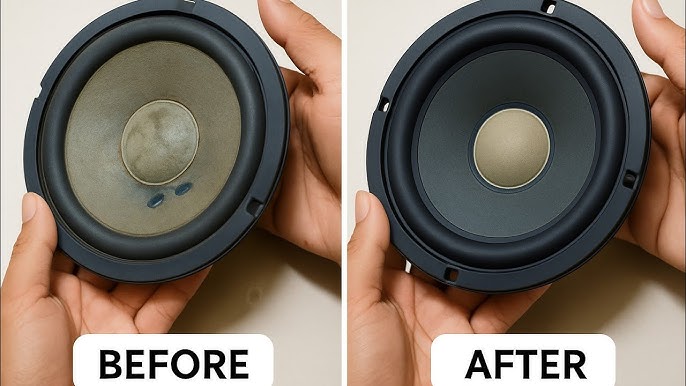
Damaged speaker cones or torn surrounds are common culprits behind rattling. Replacing these parts can restore your speaker’s original performance and eliminate buzzing sounds. You might find kits that include both cones and surrounds, making the replacement process straightforward.
Have you ever noticed how a small tear in the cone can ruin your whole listening experience? Fixing or swapping these components can save you from buying an entirely new speaker. Take your time to match the size and material for the best fit and sound quality.
Choosing High-quality Speakers
Sometimes, upgrading means investing in better speakers altogether. High-quality speakers are designed with sturdier materials that resist vibrations and rattling. Look for speakers with robust frames and well-sealed enclosures to minimize unwanted noise.
Think about the last time you upgraded any audio device—did the sound quality improve noticeably? Choosing speakers from reputable brands with good reviews can ensure your money is well spent. Don’t forget to check the power handling capacity and impedance to match your car’s audio system.
Consulting Professional Audio Services
If you’re unsure about which components to upgrade or how to install them, professional audio services can provide valuable help. Experts can diagnose the exact cause of the rattling and recommend the best solutions. They also have tools to securely mount components, reducing the chance of future issues.
Have you ever struggled with a DIY speaker upgrade that didn’t quite work out? Getting professional advice or installation can save you time and frustration. Plus, a well-tuned system by a pro often delivers much better sound, making your upgrade worthwhile.
Preventive Maintenance Tips
Keeping your car speakers from rattling is easier when you invest time in preventive maintenance. Small actions can save you from annoying noises and costly repairs later. Let’s look at practical tips that keep your audio system sounding clear and crisp.
Regularly Checking Speaker Mounts
Loose or damaged mounts are often the root cause of speaker rattling. Take a moment every few months to inspect the screws and brackets holding your speakers in place. If you find any loose parts, tighten them carefully to avoid overdoing it and cracking the frame.
Have you ever noticed how a simple tightening job can instantly stop that annoying buzz? Keeping mounts secure keeps vibrations where they belong—inside the speaker cones, not your door panels.
Avoiding Excessive Volume Levels
Cranking up the volume might feel thrilling, but pushing your speakers beyond their limits causes distortion and rattling. Try listening at moderate levels to preserve your speaker’s integrity. This also helps you hear the full range of sound without harsh vibrations.
Think about the last time you blasted your music and heard a sudden buzz or crackle. That’s your speaker signaling stress. Protect your investment by dialing back the volume before the sound quality suffers.
Keeping Door Panels Clean And Dry
Moisture and dirt build-up inside your door panels can weaken the speaker housing and cause rattling. Clean your door panels regularly with a soft cloth and avoid letting water seep inside during washing. Dry environments help maintain the tight fit of speaker components.
Have you checked under your door panels lately? A little maintenance here can prevent long-term damage that leads to loose parts and rattles.
Frequently Asked Questions
Why Do Car Speakers Rattle?
Car speakers rattle due to loose components or poor installation. Vibrations cause parts to shake, creating noise. Damaged speakers or inadequate mounting also contribute to rattling. Proper installation and maintenance can minimize these issues. Regular checks ensure all components are securely in place and functioning well.
How Can I Fix Rattling Speakers?
To fix rattling speakers, check for loose components and tighten them. Use foam or sound-deadening materials to reduce vibrations. Ensure speakers are properly mounted and undamaged. If issues persist, consider professional inspection for thorough diagnosis and repair. Regular maintenance prevents future problems.
What Materials Reduce Speaker Rattling?
Sound-deadening materials like foam, rubber, or insulation pads can reduce speaker rattling. These materials absorb vibrations and stabilize components, minimizing noise. They’re available at automotive stores and easy to install. Using them ensures a quieter, more enjoyable audio experience in your vehicle.
Can Damaged Speakers Cause Rattling?
Yes, damaged speakers can cause rattling. Worn-out cones or torn diaphragms lead to unwanted noise. Regular inspections help identify and address damage early. Replacing damaged speakers ensures optimal performance and eliminates rattling. Maintaining your audio system keeps it in top condition.
Conclusion
Stopping car speakers from rattling makes your drives much better. Tighten screws and add foam to reduce vibrations. Check speaker mounts to ensure they fit well. Use sound deadening material for extra quietness. Small fixes can bring big sound improvements.
Enjoy clearer music without annoying noise. Try these easy steps today and feel the difference. Your car rides will sound smoother and more pleasant. No more rattles, just pure audio joy.