How to Buy Car Speakers: Expert Tips for Perfect Sound Quality
Master Automotive Systems Engineer & Performance Vehicle Specialist at CarSpeedNest Automotive Testing Lab · ASE Certified Master Technician, Mobile Electronics Certified Professional (MECP Master), Certified Dyno Diagnostic Specialist · 14+ years in dyno testing, electronic sensor calibration, automotive wiring harnesses, and precision drivetrain maintenance
Are you ready to upgrade your car’s sound system but don’t know where to start? Choosing the right car speakers can make a huge difference in how your music sounds while you drive.
But with so many options out there, it’s easy to feel overwhelmed. This guide will help you understand exactly what to look for, so you get the best speakers for your car and your budget. Keep reading to find out how to make your driving experience more enjoyable with crystal-clear sound.
Choosing The Right Speaker Type
Choosing the right speaker type is crucial for getting the sound quality you want from your car audio system. Your choice affects everything from clarity to bass response, so it’s important to understand the differences. Think about how you listen to music and what kind of sound experience you want before making a decision.
Coaxial Vs Component Speakers
Coaxial speakers combine multiple speaker elements—like tweeters and woofers—into one unit. They’re easier to install and usually cost less, making them a good option if you want a quick upgrade or have a tight budget.
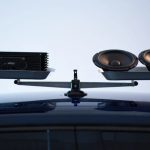
Component speakers separate the tweeters, woofers, and crossovers. This separation allows you to place each part optimally in your car for better sound staging and clarity. If you’re aiming for high-quality sound and don’t mind spending more time on installation, component speakers might be the better choice.
Ask yourself: Do you want convenience or the best possible sound? Your answer will guide you toward the right speaker type.
Speaker Sizes And Compatibility
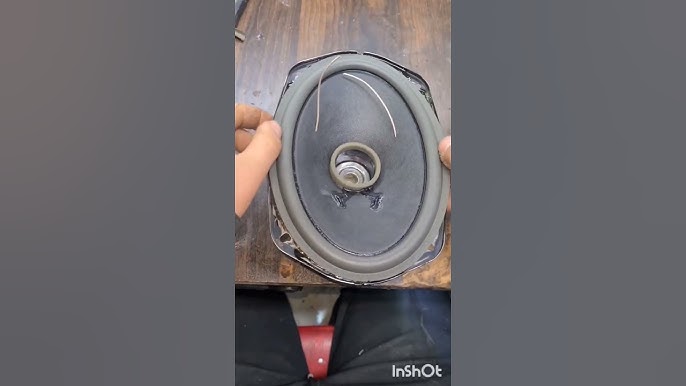
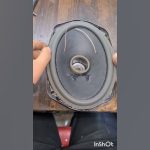
Speaker size is not just about loudness—it impacts how the speaker fits in your car and how it sounds. Common sizes include 6.5 inches and 6×9 inches, but your car’s speaker mounts may only fit certain sizes.
Check your car’s manual or existing speakers to know what sizes will fit. Installing speakers that don’t match your car’s mounts can lead to poor sound quality and extra costs for adapters or modifications.
Consider the power handling and sensitivity of the speakers too. Bigger isn’t always better if the speaker can’t handle your amplifier’s output or if it’s not efficient enough for your needs.
Credit: www.rockvilleaudio.com
Testing And Tuning Speakers
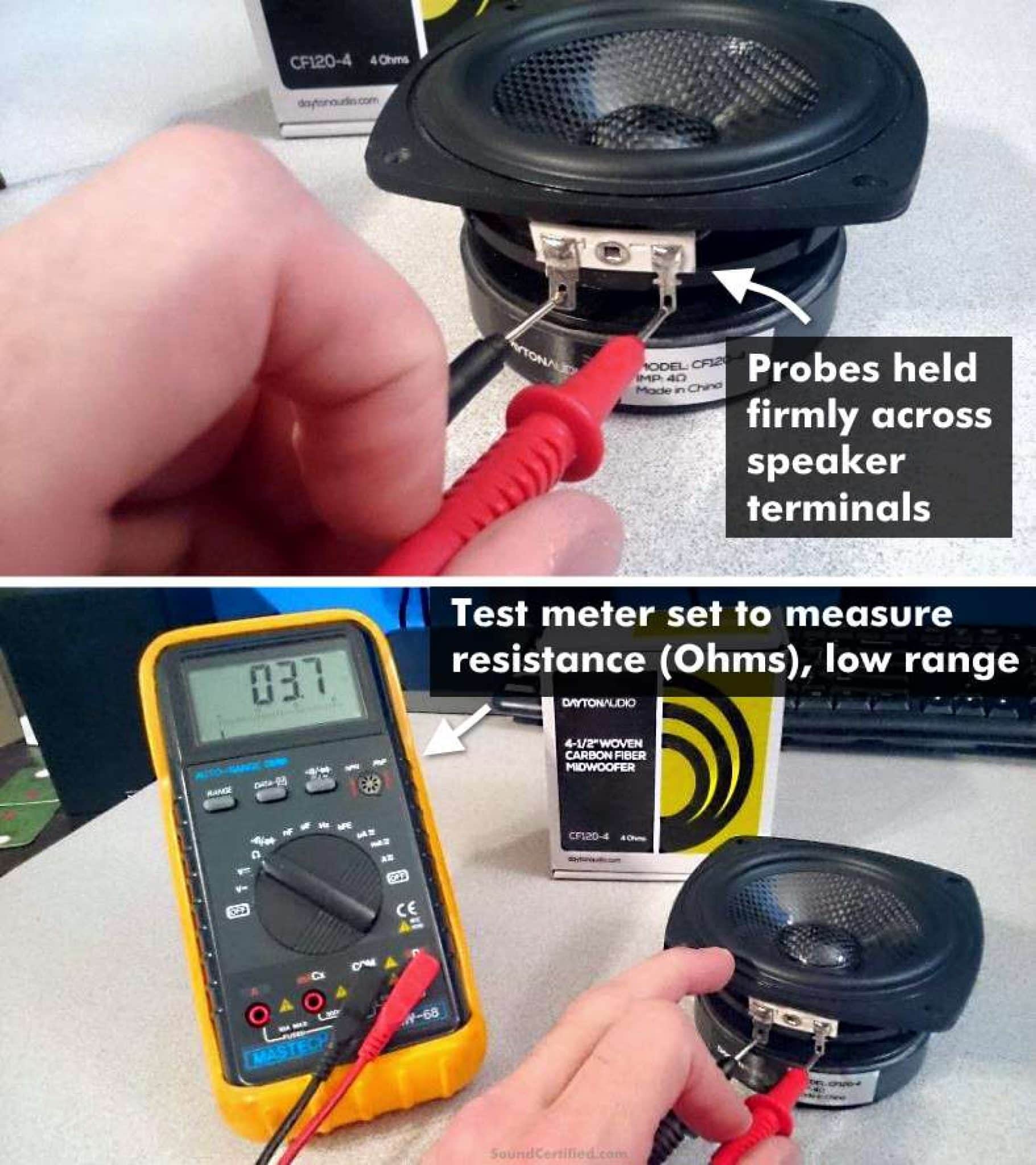
Testing and tuning your car speakers is where the real magic happens. It’s not just about installing them; it’s about making sure they sound right to your ears. This process helps you get the best performance, matching your car’s unique acoustics and your personal taste.
Listening Tests For Clarity
Start by playing a variety of music genres you know well. Pay close attention to details like vocals, instrument separation, and background sounds.
Can you hear every word clearly? Are the highs crisp without being harsh? If some sounds seem muffled or distorted, your speakers might need adjustment or repositioning.
Try switching between different volumes. Sometimes speakers reveal weaknesses at higher or lower levels. Listen carefully to spot any buzzing or rattling noises.
Adjusting Equalizer Settings
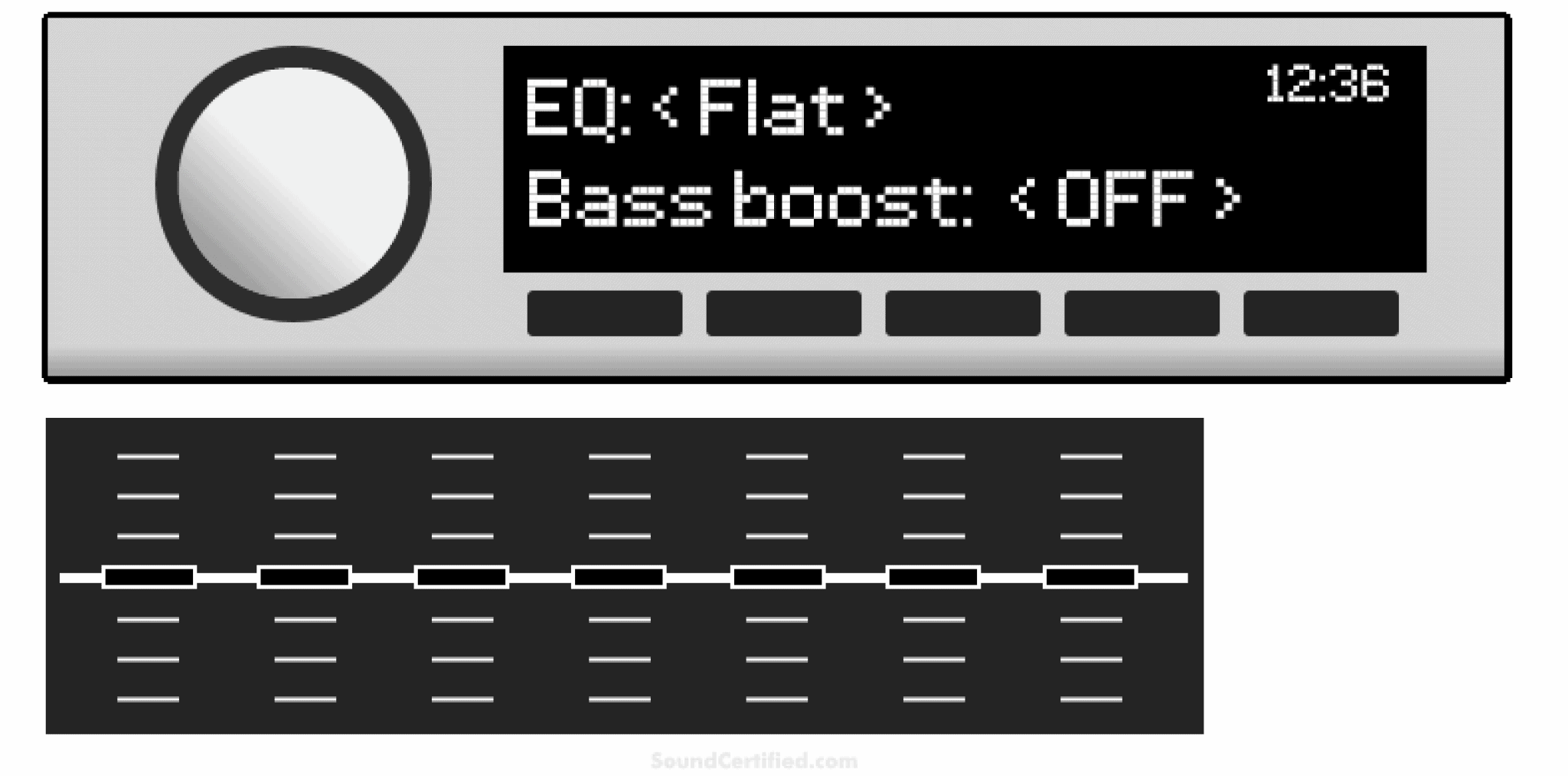
Once you’ve identified how your speakers perform, head to your car’s equalizer settings. These controls let you boost or cut certain frequencies to improve sound balance.
Start with small changes—boost the bass if it feels weak, or reduce treble if it’s too sharp. Remember, too much adjustment can make the sound unnatural.
Use presets as a starting point, but don’t be afraid to fine-tune them yourself. How does the music feel after your tweaks? Does it sound fuller or more balanced?
Popular Brands And Models
Choosing the right car speakers can make a huge difference in your driving experience. Popular brands and models offer a wide range of options that fit different sound preferences and budgets. Knowing which brands are trusted and which models deliver great value helps you make a smarter purchase.
Top Rated Car Speaker Brands
Some brands have built their reputation on delivering high-quality sound and durability. Brands like JBL, Infinity, and Focalconsistently receive praise for clear audio and strong bass.
JBL speakers often stand out for their balance and power, making them great for people who want a reliable upgrade without hassle. Infinity speakers excel in clarity and detail, perfect if you love crisp vocals and instruments.
Focal speakers are known for premium sound and craftsmanship but usually come at a higher price. If you want professional-grade audio, Focal is worth considering. Have you ever felt your music lacked depth? Trying speakers from these brands might change that.
Budget-friendly Options
Not everyone wants to spend a fortune on car audio. Brands like Rockford Fosgate, Pioneer, and Polk Audiooffer solid performance without breaking the bank.
Rockford Fosgate speakers provide punchy bass and clear highs, perfect for casual listeners who want more than factory sound. Pioneer is well-known for durable and versatile speakers that fit many car models easily.
Polk Audio offers balanced sound and good build quality at a lower price point. If you’re upgrading on a budget, these brands give you great bang for your buck. What’s your priority: deep bass or clear vocals? Budget brands can surprise you with their range.
Frequently Asked Questions
What Should I Consider When Buying Car Speakers?
When buying car speakers, consider size, power handling, and sensitivity. Match speaker size with your car’s slots. Power handling should align with your stereo’s output. Higher sensitivity speakers require less power for loud sound. Always check compatibility with your car’s audio system.
Are Component Speakers Better Than Coaxial Ones?
Component speakers offer superior sound quality due to separate components. They provide better sound staging and clarity. Coaxial speakers are easier to install and more affordable. Choose component speakers for high-quality audio. Opt for coaxial if budget and installation ease are priorities.
How Do I Choose The Right Speaker Size?
Measure your current speaker slots before purchasing new speakers. Match the new speakers to these dimensions for proper fit. Typical car speaker sizes include 6. 5 inches, 6×9 inches, and 5. 25 inches. Consider sound quality and space constraints when selecting size.
Can I Install Car Speakers Myself?
Yes, you can install car speakers yourself with basic tools. Follow the instructions provided with the speakers. Ensure compatibility with your car’s audio system before starting. Watch online tutorials or consult the car manual for guidance. Professional installation ensures optimal performance.
Conclusion
Choosing the right car speakers can change your driving experience. Think about sound quality, size, and power before buying. Check your car’s compatibility to avoid problems. Set a budget and compare different brands. Listen to speakers if possible to hear the difference.
Taking time to research helps you pick the best option. Enjoy clearer, richer music on every drive. Simple steps lead to better sound and happy rides.

Similar Posts