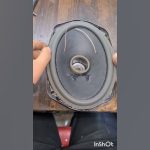
How to Replace Your Car Speakers: Easy Steps for Superior Sound
Master Automotive Systems Engineer & Performance Vehicle Specialist at CarSpeedNest Automotive Testing Lab · ASE Certified Master Technician, Mobile Electronics Certified Professional (MECP Master), Certified Dyno Diagnostic Specialist · 14+ years in dyno testing, electronic sensor calibration, automotive wiring harnesses, and precision drivetrain maintenance
Are you tired of your car’s old, crackling speakers that ruin your favorite songs? Imagine driving with clear, powerful sound that makes every trip more enjoyable.
Replacing your car speakers might seem tricky, but it’s easier than you think—and you don’t need to be a tech expert. In this guide, you’ll discover simple steps to upgrade your sound system and bring your music back to life.
Ready to transform your driving experience? Let’s dive in and make your car sound amazing again.
Credit: acasolustios.nz
Preparing Your Car
Preparing your car before replacing the speakers is crucial to avoid damage and ensure a smooth installation. Taking the time to properly get your vehicle ready can save you from headaches later. It also helps you work more efficiently and safely.
Disconnecting The Battery
Start by disconnecting your car’s battery to prevent any electrical shorts or shocks. Locate the negative terminal and use a wrench to loosen the bolt. Removing the cable from the terminal cuts power to your car’s electrical system.
This step is easy to overlook, but it’s essential for your safety. Have you ever experienced a sudden spark while working on electronics? Disconnecting the battery eliminates that risk.
Removing Door Panels
Next, you’ll need to remove the door panels to access the speakers. Look carefully for screws near the handle, armrest, and along the edges of the panel. Use a screwdriver to remove these screws and a plastic pry tool to gently pop the panel away from the door frame.
Be gentle when prying off the panel to avoid breaking clips or scratching the surface. It helps to keep track of all screws and clips in a container so nothing gets lost. Have you noticed how much easier this step becomes once you know exactly where the hidden screws are?
Removing Old Speakers
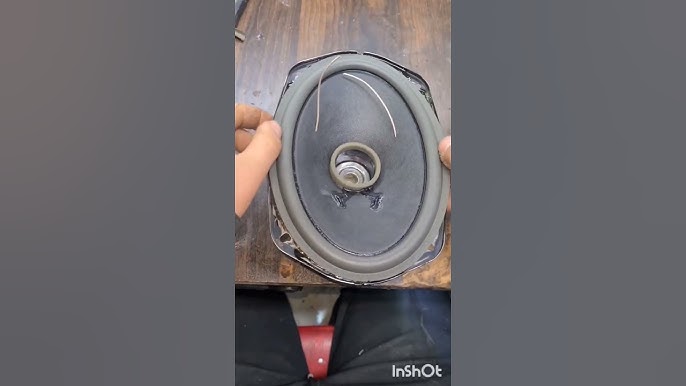
Removing old car speakers is the first key step in upgrading your sound system. It involves careful handling to avoid damage to the vehicle or the new parts. Start with a clean workspace and gather basic tools like screwdrivers and pliers. Take your time to ensure smooth removal and safe rewiring later.
Detaching Speaker Covers
Speaker covers protect the speakers and keep them in place. Gently pry the cover off using a flat tool or your fingers. Avoid forcing it, as covers can snap or scratch easily. Some covers are held by screws, so check for hidden screws around the edges first. Keep the covers safe for reinstallation or replacement.
Unwiring The Speakers
Disconnecting the wires is crucial before removing the speakers. Locate the wire connectors behind the speaker. Press the clip or pull the connector gently to unplug it. Avoid pulling the wires directly to prevent damage. Note the wire positions or take a photo for correct reconnection later. Once unwired, unscrew the speaker from its mount carefully.
Installing New Speakers
Installing new car speakers can dramatically improve your audio experience on the road. It might seem tricky at first, but with the right approach, you can handle this task confidently. Getting a solid connection and securing the speakers properly are key to enjoying clear, powerful sound without any rattles or interruptions.
Connecting Speaker Wires
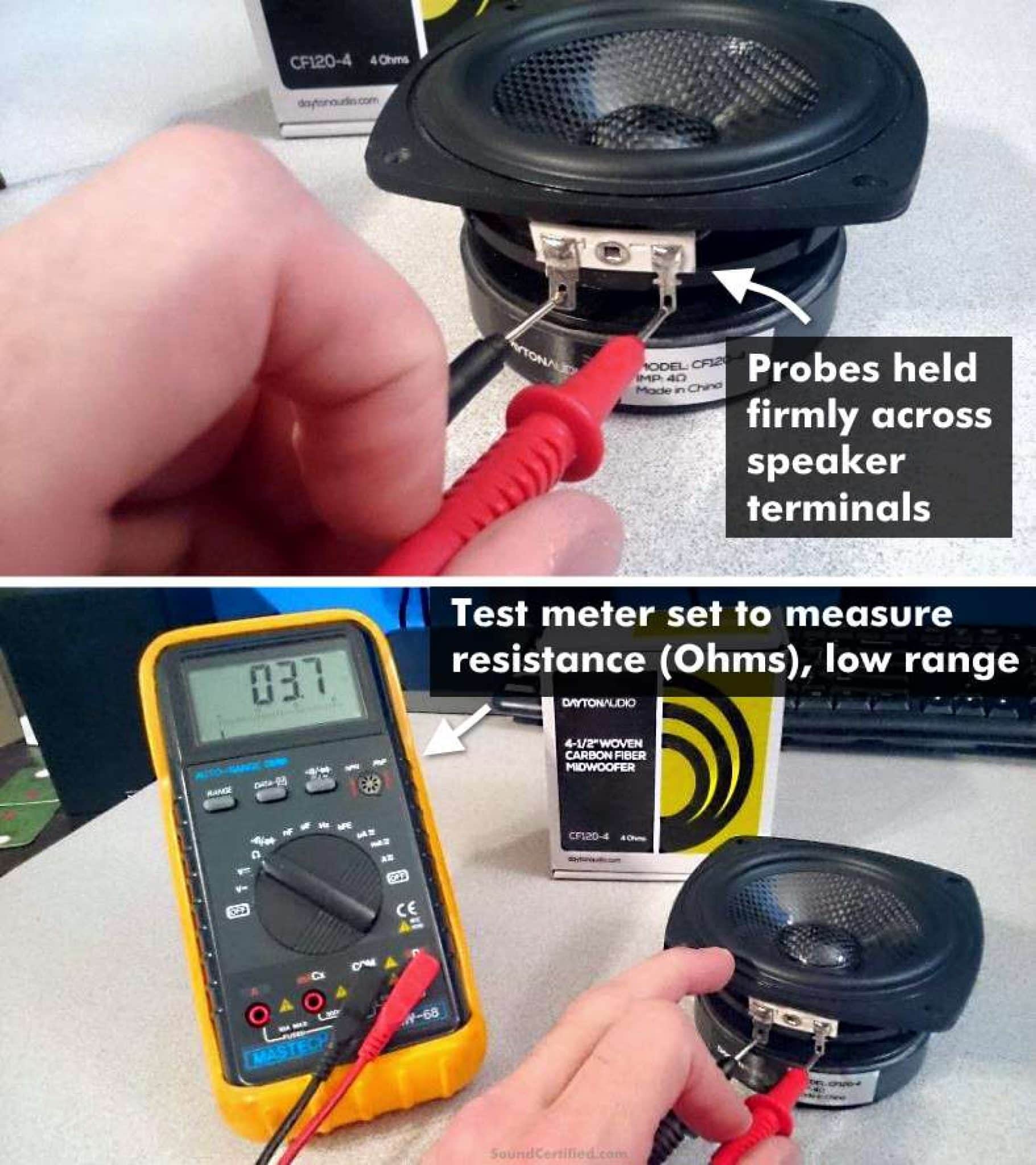
Start by matching the speaker wires to the correct terminals on your new speakers. Most wires are color-coded—usually red or white for positive and black for negative. If the colors don’t match, use a multimeter or check your car’s manual to avoid reversing the polarity, which can affect sound quality.
Strip a small section of the wire insulation to expose the bare copper, but don’t overdo it—too much exposed wire can cause shorts. Twist the copper strands tightly before connecting them to ensure a firm contact. If your new speakers use push terminals or spade connectors, push or slide the wires in securely.
Have you ever experienced crackling sounds from loose wires? That’s why taking your time to double-check each connection makes a big difference. A steady connection keeps your sound crisp and clear.
Securing Speakers In Place
Once the wiring is done, fit the speakers into their mounting spots. Align the screw holes carefully to avoid damaging the speaker frame or your car’s interior panels. Use the screws provided with the speakers or the original ones if they fit properly.
Tighten the screws evenly, but don’t overtighten—they can strip the plastic or metal mounting brackets. If your car’s speaker mounts have rubber gaskets or foam rings, make sure to install those first to reduce vibrations. These small details can prevent annoying rattling noises when you turn up the volume.
Think about how often you adjust your audio settings. If the speakers aren’t firmly secured, the sound might shift, ruining your listening experience. Taking a few extra minutes to ensure they’re locked in place pays off every time you drive.
Testing And Adjusting Sound
Testing and adjusting sound is vital after installing new car speakers. It ensures the audio quality meets your expectations. Without this, speakers may sound off or cause damage. Take time to check connections and settings carefully. Clear sound enhances your driving experience and protects your new investment.
Reconnecting The Battery
Start by reconnecting the car battery securely. This restores power to your audio system. Use a wrench to tighten the negative terminal. Avoid loose connections that may cause electrical issues. Once connected, turn on the car and audio system. Listen for any unusual noises or static. This confirms the speakers are receiving power properly.
Fine-tuning Audio Settings
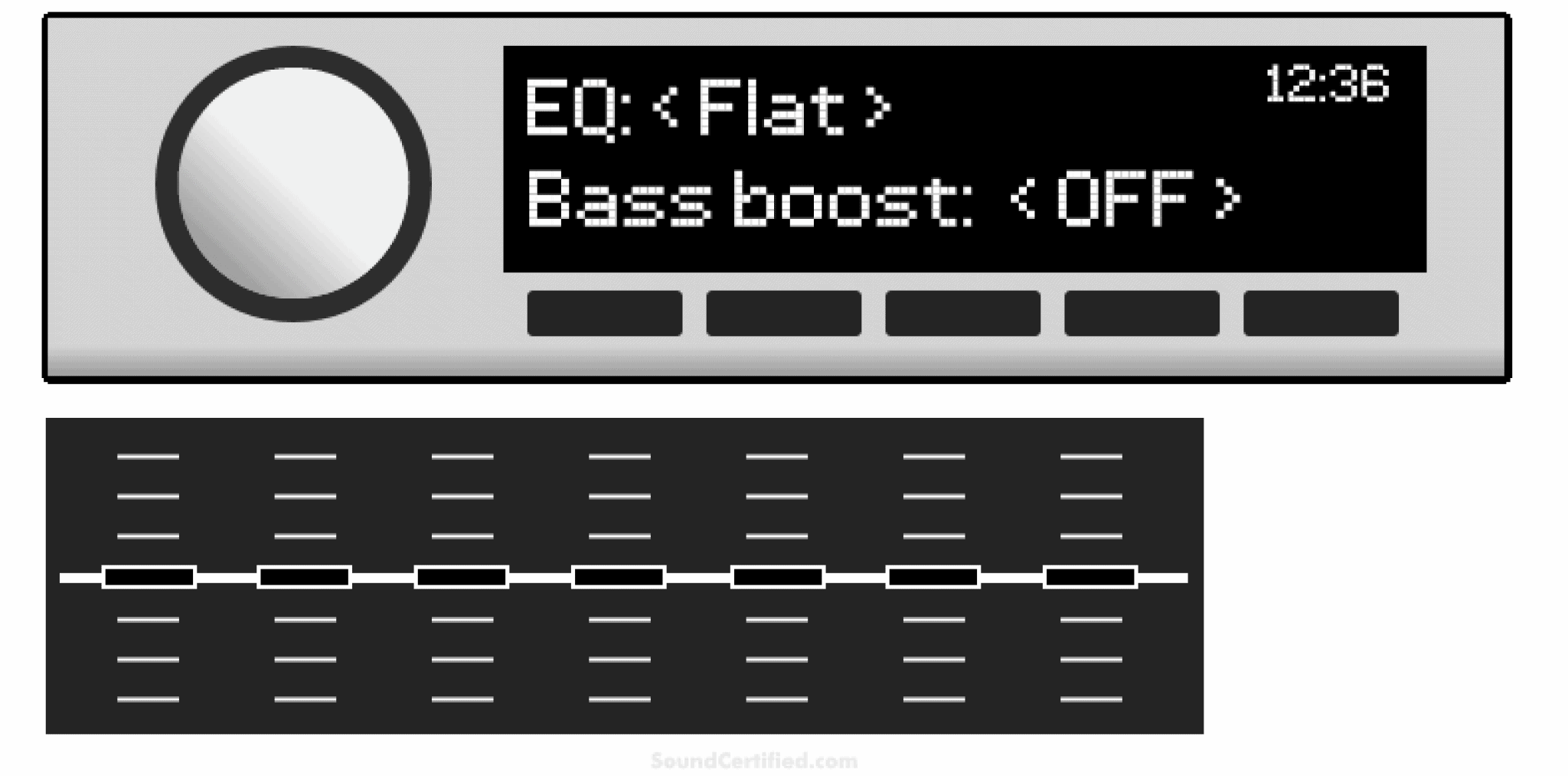
Adjust audio settings to match your preferences and speaker type. Use the car stereo’s equalizer to balance bass, mid, and treble. Set volume levels to avoid distortion at high sound. Try different music genres to test clarity and depth. Make small changes and listen carefully after each adjustment. Proper tuning provides clear, rich sound and enjoyable listening.

Credit: www.youtube.com
Tips For Better Sound Quality
Improving your car’s sound quality goes beyond just installing new speakers. Small changes can make a big difference in how your music sounds. Focus on upgrading key parts and reducing outside noise for clearer, richer audio.
Upgrading Speaker Components
Choose speakers with better materials like polypropylene cones or silk domes. These materials offer clearer sound and longer life.
Replace factory wiring with higher-quality cables. Good wiring reduces signal loss and distortion.
Consider adding a separate amplifier. It gives your speakers more power and improves sound clarity.
Use speaker adapters or mounting brackets to fit new speakers tightly. A secure fit stops vibrations that blur sound.
Soundproofing Techniques
Apply sound-deadening mats to doors and panels. These mats reduce road noise and vibrations.
Seal gaps around speakers and door edges with foam or rubber. This blocks outside noise from leaking in.
Install insulation behind speaker panels. It absorbs unwanted sound waves for clearer audio.
Cover metal surfaces inside doors with damping material. This stops rattles and improves bass response.
Frequently Asked Questions
How Do I Choose The Right Car Speakers?
To choose the right car speakers, consider your budget, car model, and sound preferences. Check the speaker size and compatibility with your car. Look for speakers with good reviews, high sensitivity, and power-handling capacity. Ensure they fit your audio system for optimal sound quality.
What Tools Do I Need To Replace Car Speakers?
To replace car speakers, you’ll need a screwdriver, panel removal tool, wire cutters, and electrical tape. Depending on your car model, you might need a socket wrench. Some installations require a soldering iron. Having these tools handy ensures a smooth and efficient speaker replacement process.
Can I Replace Car Speakers Myself?
Yes, you can replace car speakers yourself with basic tools and instructions. It’s a straightforward process if you follow step-by-step guides. Ensure you disconnect the battery before starting. If unsure, consult your car’s manual or seek online tutorials specific to your car model.
How Long Does It Take To Replace Car Speakers?
Replacing car speakers typically takes 1 to 3 hours, depending on your experience and car model. For beginners, it might take longer. Having all tools ready and following a step-by-step guide can speed up the process. Allocate sufficient time to avoid rushing.
Conclusion
Replacing your car speakers can improve sound quality quickly. It takes some tools and patience. Follow each step carefully for the best results. You can enjoy clearer music and better bass. This project saves money compared to professional installation. Try it yourself and hear the difference.
Your car rides will feel more fun and fresh. Keep your speakers clean to last longer. Simple changes make a big impact on sound. Give it a go and enjoy every drive.

Similar Posts