Wiring a car stereo in your camper might seem tricky, but it’s easier than you think. Imagine having your favorite music playing while you relax or cook inside your camper.
With the right steps, you can make it happen yourself and save money. In this guide, you’ll learn simple, clear instructions to get your stereo up and running quickly. Stick with me, and by the end, you’ll enjoy crystal-clear sound on every adventure.
Ready to transform your camper experience? Let’s dive in!
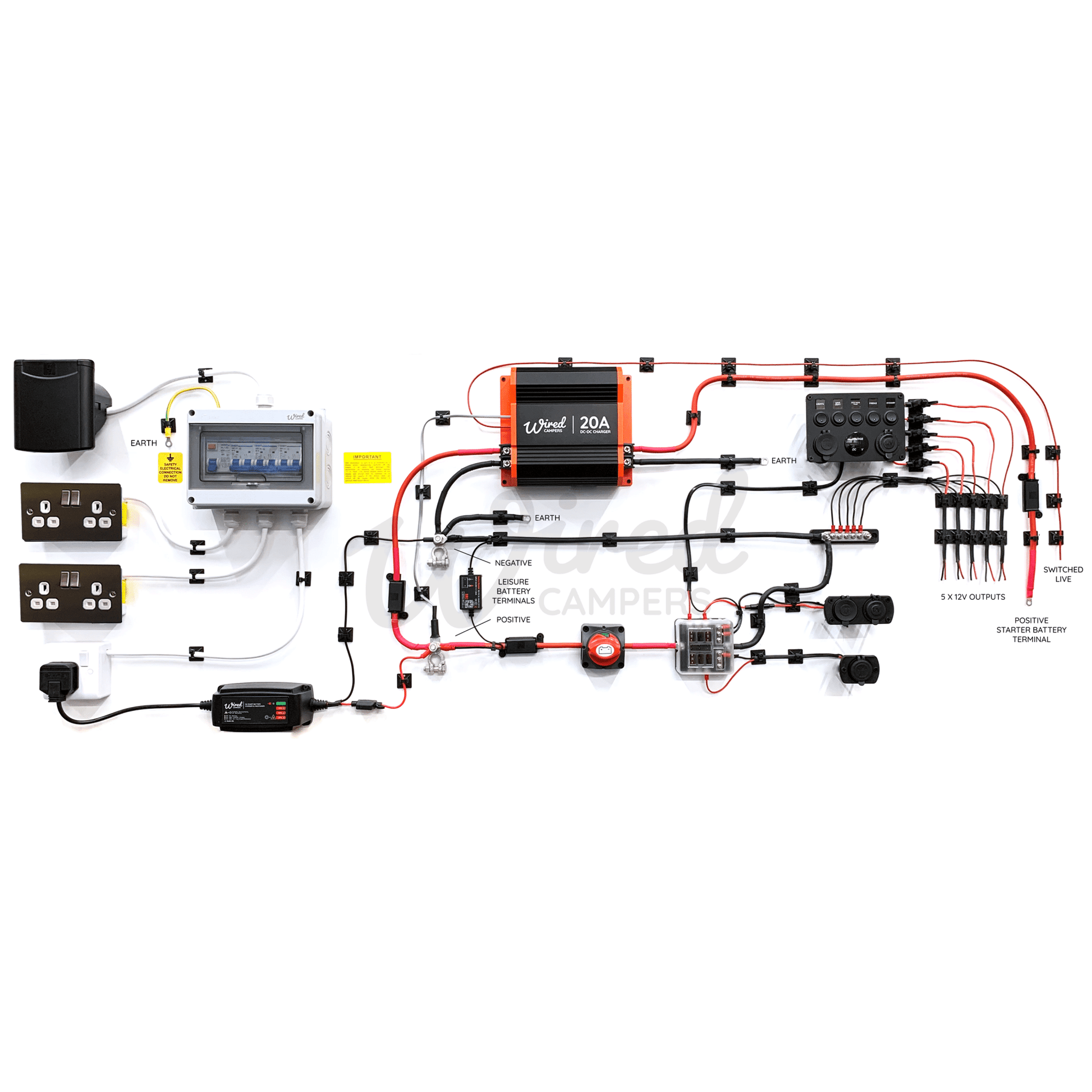
Credit: www.wiredcampers.co.uk
Preparing Your Tools And Materials
Preparing your tools and materials is a crucial step before wiring a car stereo in your camper. Having everything ready saves time and prevents frustration during the installation. It also ensures a cleaner, safer setup that lasts longer.
Essential Tools Checklist
Gathering the right tools is your first priority. Without them, even the simplest wiring task can become a headache.
- Wire strippers:Clean wire connections start here.
- Screwdrivers:Both flathead and Phillips for panel removal and securing components.
- Crimping tool:For solid, reliable connections.
- Multimeter:To check voltage and continuity, preventing wiring mistakes.
- Electrical tape and heat shrink tubing:For insulating wires safely.
- Wire connectors:Butt connectors or quick disconnects make the job neater.
- Panel removal tools:To avoid damaging your camper’s interior.
Have you ever tried to cut wires without wire strippers? It slows the work and risks damage. Investing in proper tools upfront pays off.
Choosing The Right Stereo System
Your stereo system choice affects both your wiring needs and sound experience. Consider a model designed for vehicle use, with features that suit your camper lifestyle.
Do you want Bluetooth connectivity, USB ports, or compatibility with your phone’s apps? These features can influence how many wires and connections you’ll manage.
Look for systems with clear wiring diagrams and labeled connectors. This can save you hours during installation and reduce errors.
Selecting Appropriate Wiring
Not all wiring is created equal. Using the correct gauge and type of wire ensures your stereo runs safely and efficiently.
For example, speaker wires usually range from 16 to 18 gauge. Power wires might need to be thicker, like 14 or 12 gauge, depending on your stereo’s power draw.
Think about your camper’s layout too. Will you run wires through tight spaces or near metal surfaces? Shielded or insulated wires might be necessary to prevent interference and shorts.
How do you plan to protect your wiring from wear and tear? Adding conduit or wire loom can make your setup more durable and easier to maintain.
Planning The Wiring Layout
Planning the wiring layout is a crucial step when installing a car stereo in your camper. It sets the foundation for a smooth installation process and ensures your system works flawlessly. Taking time to map out each connection prevents future headaches and keeps your wiring neat and safe.
Mapping Power And Ground Connections
Start by locating the power source and ground points in your camper. The stereo needs a constant 12V power supply, usually from the camper’s battery or fuse box. Identifying a solid ground connection, like a metal part of the camper chassis, is just as important to avoid electrical noise and interference.
Mark these points on a wiring diagram before you begin. This helps you visualize the route your wires will take and prevents guesswork later. Have you checked if your camper’s battery is easily accessible? That can save you time during installation.
Identifying Speaker Wire Paths
Next, plan how the speaker wires will run from the stereo to each speaker location. Think about the camper’s interior layout and avoid places where wires could get pinched or damaged. Running wires along existing channels or under floor mats can keep them hidden and protected.
Label each wire clearly to match the corresponding speaker—front left, rear right, and so on. This simple step can save hours when troubleshooting. Do your speaker locations allow for easy wire routing, or will you need to get creative?
Safety Precautions
Safety can’t be overlooked during wiring. Always disconnect the camper’s battery before working with electrical components to prevent shocks or shorts. Use properly rated fuses close to the power source to protect your stereo and wiring from overloads.
Wear insulated gloves if possible and double-check all connections before powering up. Remember, a well-planned wiring layout isn’t just about neatness—it’s about preventing fires and equipment damage. Are you prepared to handle unexpected wiring challenges safely?
Disconnecting The Camper Battery
Disconnecting the camper battery is a vital safety step before wiring a car stereo. It prevents electrical shocks and damage to the vehicle’s electrical system. Always ensure the power is off to avoid shorts or sparks during installation.
Start by locating the camper battery, usually found in a compartment near the engine or under a seat. Prepare the necessary tools, such as a wrench or socket set, to loosen the battery terminals. Safety gloves and goggles protect your hands and eyes from accidental contact with battery acid or sparks.
Disconnecting the battery involves removing the negative terminal first. This step reduces the risk of short circuits. After the negative terminal, loosen and remove the positive terminal. Keep both cables away from the battery to prevent accidental reconnection.
Once disconnected, check the battery and terminals for corrosion or damage. Clean the terminals if needed using a battery cleaning brush or a mix of baking soda and water. Dry the terminals before reconnecting the battery after the stereo installation.
Locate The Camper Battery
Find the battery by checking common storage areas in your camper. Look under the hood, inside storage compartments, or beneath seats. The battery usually has two thick cables attached to it.
Gather Safety Tools
- Wrench or socket set
- Safety gloves
- Protective goggles
- Battery cleaning brush (optional)
Remove The Negative Terminal
Use a wrench to loosen the nut on the negative terminal. The negative cable is typically black and marked with a minus (-) sign. Carefully lift the cable off and secure it away from the battery.
Remove The Positive Terminal
Next, loosen the nut on the positive terminal. The positive cable is usually red and marked with a plus (+) sign. Remove the cable and keep it separate from the battery and other metal parts.
Inspect And Clean Battery Terminals
Check for corrosion or dirt on the terminals and cable ends. Clean with a brush or a baking soda solution if necessary. Dry the terminals before reinstalling to ensure a good connection later.
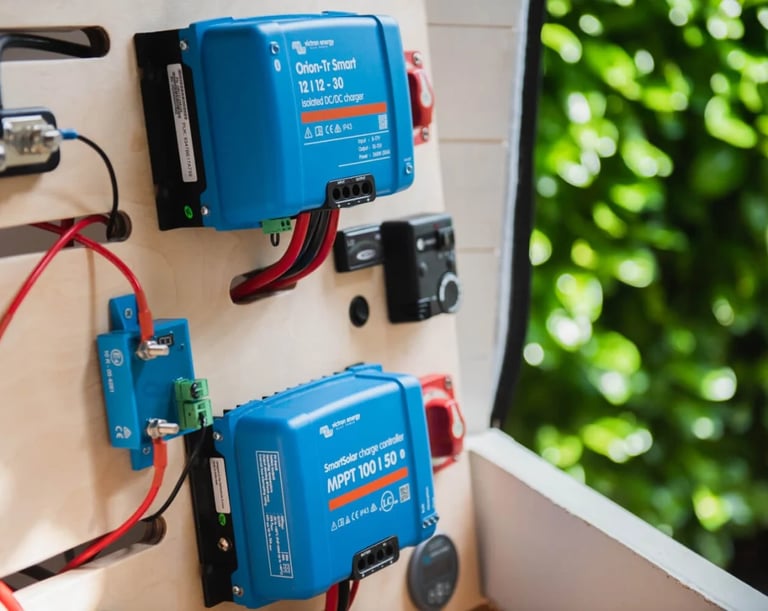
Credit: www.camperpals.com
Removing The Old Stereo
Removing the old stereo from your camper is the first real step toward upgrading your sound system. It might seem straightforward, but it requires careful attention to avoid damaging your camper’s wiring or dashboard. Taking your time here will save you headaches later and ensure a smooth installation of your new stereo.
Accessing The Stereo Compartment
Start by locating the stereo compartment in your camper. This is usually behind the dashboard or a removable panel in the center console. You may need to use a screwdriver or panel removal tool to carefully pry off any trim pieces without cracking them.
Remember to keep all screws and clips in a safe place. Losing these can make reassembly frustrating. If the stereo is held in by a metal frame or mounting bracket, gently loosen these before pulling the unit out.
Disconnecting Existing Wires
Once the stereo is free, you’ll see several wires connected at the back. These include power, ground, speaker wires, and sometimes antenna cables. Before touching anything, disconnect your camper’s battery to avoid short circuits or shocks.
Label each wire or take a photo to remember where everything goes. This step helps you avoid confusion during reinstallation. Use a pair of needle-nose pliers to gently unplug connectors; avoid pulling wires directly to prevent damage.
Connecting The New Stereo Wires
Connecting the new stereo wires in your camper is a crucial step that determines how well your audio system will perform. It’s not just about plugging wires together; it’s about ensuring each connection is secure and correctly placed for safety and sound quality. Getting this right can save you from frustrating troubleshooting later on.
Power Wire Installation
The power wire brings electricity from your camper’s battery to the stereo. Use a wire that matches the recommended gauge for your stereo to avoid voltage drops. Always connect the power wire through an inline fuse close to the battery to protect the system from electrical surges.
Think about where your battery is located and plan the wire route carefully to prevent any damage or interference. If you’re unsure about the wire gauge, check your stereo manual or ask at an auto parts store.
Ground Wire Setup
A solid ground connection is just as important as the power wire. Attach the ground wire to a clean, unpainted metal surface on your camper’s chassis. This ensures the stereo has a stable reference point to complete the electrical circuit.
Loose or rusty ground connections can cause static or loss of power. If you run into strange noises or intermittent power, the ground wire is often the first place to check.
Speaker Wire Connections
Speaker wires carry the audio signals from the stereo to your camper’s speakers. Match the positive and negative wires correctly to avoid sound distortion or phase issues. Most speaker wires are color-coded, but double-check the stereo and speaker labels to be certain.
Use wire connectors or solder and heat shrink tubing for a reliable and long-lasting connection. Have you ever heard speakers sounding hollow or weak? That’s usually a sign of incorrect wiring.
Antenna Wire Attachment
The antenna wire allows your stereo to pick up radio signals clearly. Connect the antenna cable securely to the stereo’s antenna input to avoid static or signal loss. If your camper uses a powered antenna, make sure the stereo’s antenna power lead is connected as well.
Consider the antenna’s placement too—poor positioning can affect reception quality. If you find yourself struggling with weak signals, adjusting the antenna wire might be the simplest fix.

Credit: www.reddit.com
Securing And Insulating Wires
Securing and insulating wires is a crucial step when wiring a car stereo in your camper. Proper handling of wires prevents electrical shorts, protects against moisture, and keeps your setup neat. This not only enhances safety but also makes future maintenance easier.
Using Wire Connectors
Wire connectors join wires firmly without the hassle of soldering. They come in various types like twist-on, push-in, and crimp connectors. Choose connectors that fit your wire gauge snugly to avoid loose connections.
I’ve found that crimp connectors with a good quality crimper tool create reliable, long-lasting bonds. It’s important to strip the wire ends evenly before attaching the connector to ensure a clean connection. Loose or exposed wires could cause sparks or signal loss.
Applying Electrical Tape
Electrical tape is your first line of defense against moisture and accidental shorts. Wrap each wire connection with several layers of tape, covering all exposed metal. This simple step significantly extends the life of your wiring.
Don’t just wrap once and move on—tight, overlapping layers create a better seal. Over time, I’ve learned that cheap tape peels off easily, so investing in high-quality electrical tape is worth it. Ever wondered why some camper stereos lose connection after rough rides? Poor insulation is often the culprit.
Organizing Wires With Clips
Keeping wires organized avoids tangling and reduces strain on connections. Use wire clips or adhesive cable holders to secure wires along walls or under seats. This prevents wires from dangling and potentially getting caught or damaged during travel.
- Group wires by function or destination to simplify troubleshooting later.
- Leave a little slack near connectors to avoid tension.
- Check periodically that clips stay firmly in place, especially after off-road trips.
Have you noticed how a messy wire setup complicates even simple repairs? Taking a few extra minutes to organize wires makes a big difference in reliability and ease of use.
Testing The Stereo System
Testing your camper’s stereo system is a crucial step after wiring. It confirms everything works safely and sounds great before you hit the road. Skipping this can lead to frustrating issues or even damage to your equipment.
Reconnecting The Battery
Start by reconnecting your camper’s battery carefully. Make sure all tools and loose wires are cleared away to avoid short circuits. Double-check your connections to ensure none are touching where they shouldn’t.
Once the battery is hooked up, watch for any sparks or unusual smells. These are clear signs that something isn’t right and needs to be addressed immediately. Safety first—never ignore these warning signs.
Powering On The Stereo
Turn on your stereo to see if it powers up correctly. If it doesn’t, re-examine your wiring, especially the power and ground connections. Sometimes a loose wire or a bad fuse is the simple cause behind a silent system.
Have you checked the stereo’s display and buttons? They should respond instantly. If the screen stays blank or buttons don’t work, it’s time to troubleshoot further before proceeding.
Checking Sound And Functionality
Play some music to test sound output through all speakers. Listen carefully for any distortions, static, or uneven volume levels. These issues often point to wiring errors or faulty speaker connections.
- Test different audio sources like radio, Bluetooth, or AUX.
- Adjust volume, bass, and treble to confirm controls function properly.
- Walk around your camper to ensure sound quality is consistent in every corner.
Have you ever noticed how a minor wiring slip can cause one speaker to stay silent? Catching that early saves you hours of frustration later. Make sure to fix any glitches now, so your road trips are filled with great tunes, not technical headaches.
Troubleshooting Common Issues
Wiring a car stereo in your camper can be rewarding, but it’s not without hiccups. Troubleshooting common issues early saves you hours of frustration. Let’s look at some frequent problems and how to fix them, so your music keeps playing smoothly on the road.
No Power Or Sound
If your stereo powers on but no sound comes out, or if it won’t turn on at all, start by checking the basics. Are all the wires connected firmly? Loose connections, especially ground wires, can stop power flow.
Test the stereo with a multimeter to confirm it’s receiving power. Remember to check the ignition switch too—some stereos only get power when the key is on. Ask yourself: did you connect the yellow wire (constant power) and red wire (switched power) correctly?
Interference And Static
Static or interference often comes from poor grounding or cables running too close to power wires. Shielded wiring helps, but proper routing is crucial. Keep speaker wires away from the main power cables to minimize noise.
Have you noticed the static increase when you rev the engine? That’s a classic sign of grounding issues. Try connecting the ground wire to a clean, unpainted metal surface on the camper’s chassis. Sometimes, adding a noise filter between the stereo and power source can clear up persistent interference.
Fuse Problems
Fuses protect your stereo and wiring from damage, but a blown fuse can halt everything. If your stereo suddenly stops working, check the fuse in the wiring harness and the vehicle’s fuse box.
Use the correct fuse rating specified by your stereo’s manual. Replacing a fuse with a higher rating might seem like a quick fix but risks damaging your system. If fuses blow repeatedly, inspect the wiring for shorts or frayed insulation that could cause a short circuit.
Maintaining Your Camper Stereo
Maintaining your camper stereo is essential to keep your road trips enjoyable and your sound system functioning smoothly. Regular care not only extends the life of your stereo but also ensures consistent sound quality. Let’s look at some practical ways to keep your camper’s stereo in top shape.
Regular Inspection Tips
Check your stereo wiring and connections frequently. Look for loose wires, corrosion, or any signs of wear that could interrupt the signal. A quick visual scan can prevent small problems from turning into costly repairs.
Test the speakers and controls regularly to catch issues early. If you notice any distortion or unusual noises, it might be time to tighten connections or replace damaged parts. How often do you inspect your stereo? Setting a reminder every few months can help you stay on track.
Protecting Against Moisture
Moisture can damage your stereo’s electrical components and reduce its lifespan. To protect your system, use waterproof covers or enclosures especially designed for camper electronics. This simple step can save you from expensive replacements.
Keep your camper well-ventilated to reduce humidity buildup inside. Using silica gel packets near your stereo can also help absorb excess moisture. Have you noticed fogging or dampness around your stereo? That’s a sign to boost your moisture control measures.
Upgrading Components
Upgrading parts like speakers, amplifiers, or the head unit can improve sound quality and durability. Choose components designed for outdoor and mobile use to withstand the camper environment. Sometimes, a small upgrade makes a big difference in your listening experience.
Consider adding a fuse or circuit breaker if your stereo setup doesn’t have one. This protects your system from electrical surges or shorts. What upgrades could make your camper stereo more reliable and enjoyable on your next trip?
Frequently Asked Questions
How Do You Wire A Car Stereo In A Camper?
To wire a car stereo in a camper, first disconnect the battery. Connect the stereo’s power wire to the camper’s power source. Attach speaker wires to the stereo and speakers. Securely ground the stereo to prevent electrical issues. Test the stereo to ensure it works properly.
What Tools Do I Need For Wiring A Stereo?
To wire a stereo, you need a wire stripper, crimping tool, and electrical tape. A multimeter is useful for checking connections. Additionally, having a screwdriver and a drill with bits can be handy for securing components. Always ensure tools are in good condition.
Can I Use A Car Stereo In A Camper?
Yes, you can use a car stereo in a camper. Car stereos are adaptable for camper use. They provide good sound quality and are easy to install. Ensure compatibility with the camper’s power system. Follow the installation instructions carefully for optimal performance.
How To Ensure Stereo Wiring Safety?
To ensure stereo wiring safety, use the correct gauge wire for connections. Secure all wires properly to prevent them from coming loose. Use fuses to protect against electrical surges. Regularly check connections for wear or damage. Ground the stereo to avoid electrical hazards.
Conclusion
Wiring a car stereo in your camper can be simple and quick. Follow the steps carefully and stay safe. Use the right tools and check all connections twice. Enjoy clear sound while on the road or camping. This small project makes your trips more fun and relaxing.
Take your time, and don’t rush the work. Soon, your camper will have great music wherever you go.